ECB declares war on YouTube show, threatens Ashes ban for popular Commentators
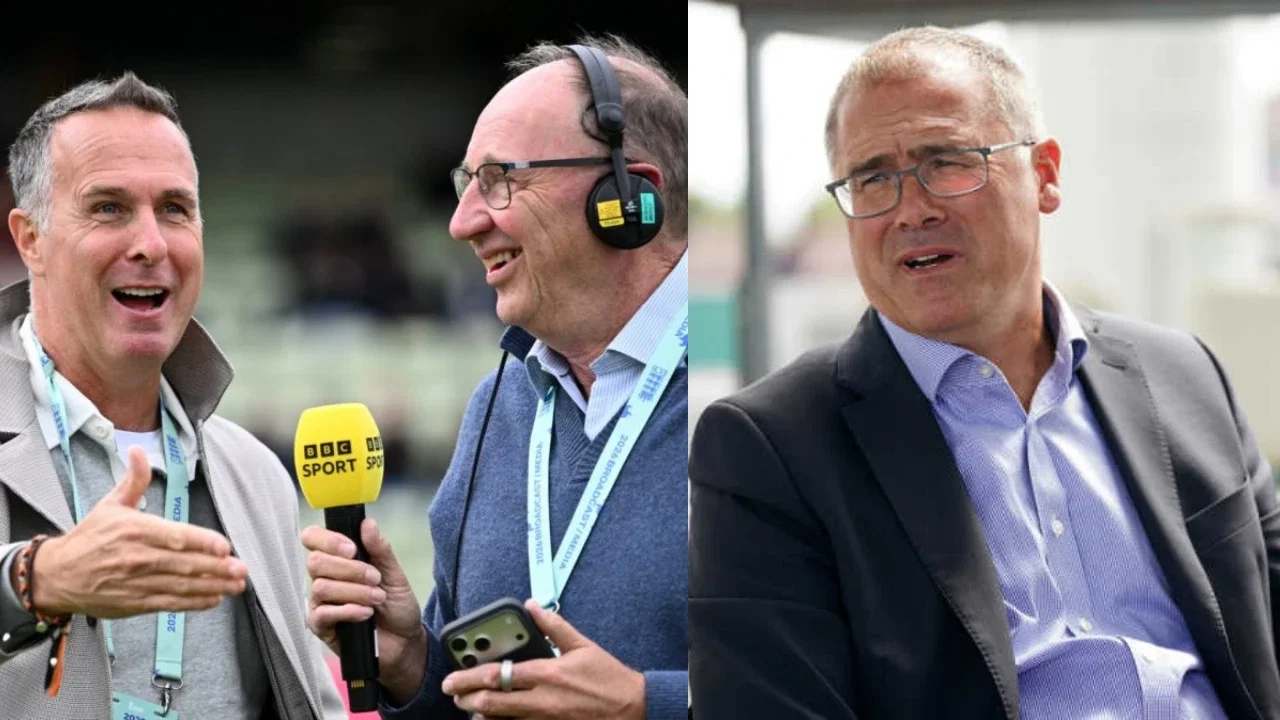
ECB Warns Cricket Commentators Over YouTube Ashes Watchalong Plans
The England and Wales Cricket Board (ECB) has warned a group of well-known cricket commentators that joining a new YouTube watchalong could put their media accreditation for next summer’s Ashes at risk. The dispute centres on whether a professionally produced online programme could compete with broadcasters that have paid for the rights to show or cover international matches.
The proposed show, The Usual Voices (TUV), is expected to feature familiar voices from BBC Test Match Special, including Phil Tufnell, Steven Finn, Daniel Norcross, Alex Hartley, Vic Marks, Andy Zaltzman, Ebony Rainford-Brent and Simon Mann. Former England captain David Gower and broadcaster Simon Hughes have also reportedly agreed to take part.
The programme is planned as a studio-based watchalong. Rather than travelling to the grounds, its presenters would follow matches on television from London, offering analysis, conversation and reactions for online viewers. The project is being launched by Australian company Cricket Entertainment Network (CEN), whose founders include Australia captain and fast bowler Pat Cummins.
Why the South Africa tour has become a flashpoint
The immediate issue is England’s upcoming tour of South Africa, scheduled to take place over the Christmas period. Talksport has purchased the radio rights to the series from Cricket South Africa (CSA), while the BBC reportedly has no winter broadcasting assignment for its Test Match Special commentators during the tour.
That gap in the BBC’s schedule appears to have made the YouTube project possible. But the ECB argues that the absence of a BBC broadcast role does not remove the commercial rights held by another broadcaster. In the board’s view, a professional watchalong featuring established commentators could offer an alternative way to follow the matches and potentially reduce the value of Talksport’s investment.
That distinction is central to the disagreement. A fan discussing a match on a personal YouTube channel is not necessarily equivalent to a coordinated programme featuring experienced broadcasters and former international players. The ECB believes the scale, production and profile of TUV could make it a competing form of coverage, even if it does not show the match itself.
ECB says broadcast income supports the wider game
ECB chief executive Richard Gould has framed the issue as a matter of protecting cricket’s financial foundations, rather than simply controlling commentators’ online activity. Broadcast rights generate income that helps governing bodies fund professional teams, player payments and the development of the sport.
Speaking to The Telegraph while attending an International Cricket Council meeting in Bali, Gould said rights for England’s current Australia tour had been purchased by the BBC, while Talksport had secured the rights for the South Africa series. He stressed that the money paid for those agreements matters to CSA, which depends on broadcast revenue to support players and cricket operations.
“We want to help protect CSA’s income streams,” Gould said, explaining that the board was concerned about any activity that could weaken the value of a rights deal. The ECB’s position reflects a broader challenge facing sports organisations: as audiences move to digital platforms, rights holders are trying to define where independent commentary ends and a competing media product begins.
Accreditation could become a point of pressure
Gould warned that commentators involved in the project could face consequences when they seek media accreditation at English grounds next summer. The ECB controls access to its venues, and the chief executive said the board could consider refusing accreditation to people it believes are undermining the value of official broadcast agreements.
He also indicated that the ECB could examine legal options if it concluded that a programme was using match coverage in a way that infringed rights. The board’s concern, he suggested, is not limited to this particular YouTube show: it could take a similar approach to other professional media groups if they appeared to compete with rights holders without paying for access.
For commentators, the warning creates a difficult calculation. A watchalong may offer a new way to reach fans and build an audience, but losing accreditation could affect their ability to work at major English matches. The potential consequences are especially significant with the Ashes approaching, one of cricket’s most prominent and commercially valuable series.
Where does commentary end and broadcast competition begin?
The dispute raises questions about the future of online cricket coverage. Watchalong programmes have become popular because they combine expert analysis with a more informal, interactive style than traditional broadcasts. Viewers can hear former players and commentators discuss tactics, momentum and key decisions without necessarily watching the match through the programme itself.
That format may be attractive to audiences, but it can also overlap with the services offered by radio rights holders. A live reaction show that follows every delivery could keep viewers engaged throughout a match, potentially drawing attention away from an official audio broadcast. Whether that amounts to direct competition may depend on the programme’s format, the footage or audio it uses, and the terms of the relevant rights agreement.
Gould has acknowledged that ordinary fans remain free to watch cricket and share their opinions online. His objection is to what he describes as a professional, off-grid broadcast-style production that could operate as an alternative to a paid rights holder. In his view, established commentators also have a responsibility to recognise how the game’s media arrangements support cricket financially.
What happens next?
The ECB’s warning does not necessarily mean TUV will be cancelled, nor does it confirm that any commentator has already lost accreditation. The key questions are whether the show proceeds as planned, what its coverage will include and whether the board decides that its format threatens the value of Talksport’s rights.
For fans, the developing story is about more than one new YouTube programme. It highlights the tension between digital innovation and the established broadcast model. Online watchalongs can broaden access to analysis and give commentators new creative opportunities, while official rights remain a major source of funding for cricket boards and the sport’s professional structure.
The ECB has made clear that it intends to defend those commercial agreements. As the South Africa tour approaches, the commentators and CEN will need to weigh the appeal of a new digital platform against the possibility of restrictions at English venues. The outcome could help shape how cricket prediction, analysis and live reaction are delivered online in the seasons ahead.
Latest News
“Haven’t spoken to my dad”: Aaryavir Sehwag’s revelation on Virender Sehwag after PoTT win in U19 Asia Cup
Who is Mohit Ulva? India bowler who pulled off a thriller in U19 Asia Cup final against Pakistan
Aaryavir Sehwag receives special congratulations from Vaibhav Sooryavanshi after U19 Asia Cup triumph
England to return to Zimbabwe for historic Test match after three decades
Vaibhav Sooryavanshi suffers Rohit Sharma-like brain-fade during toss, forgets combination
“Shreyas Iyer has to be careful”: Kris Srikkanth sounds warning to India star over poor ODI form
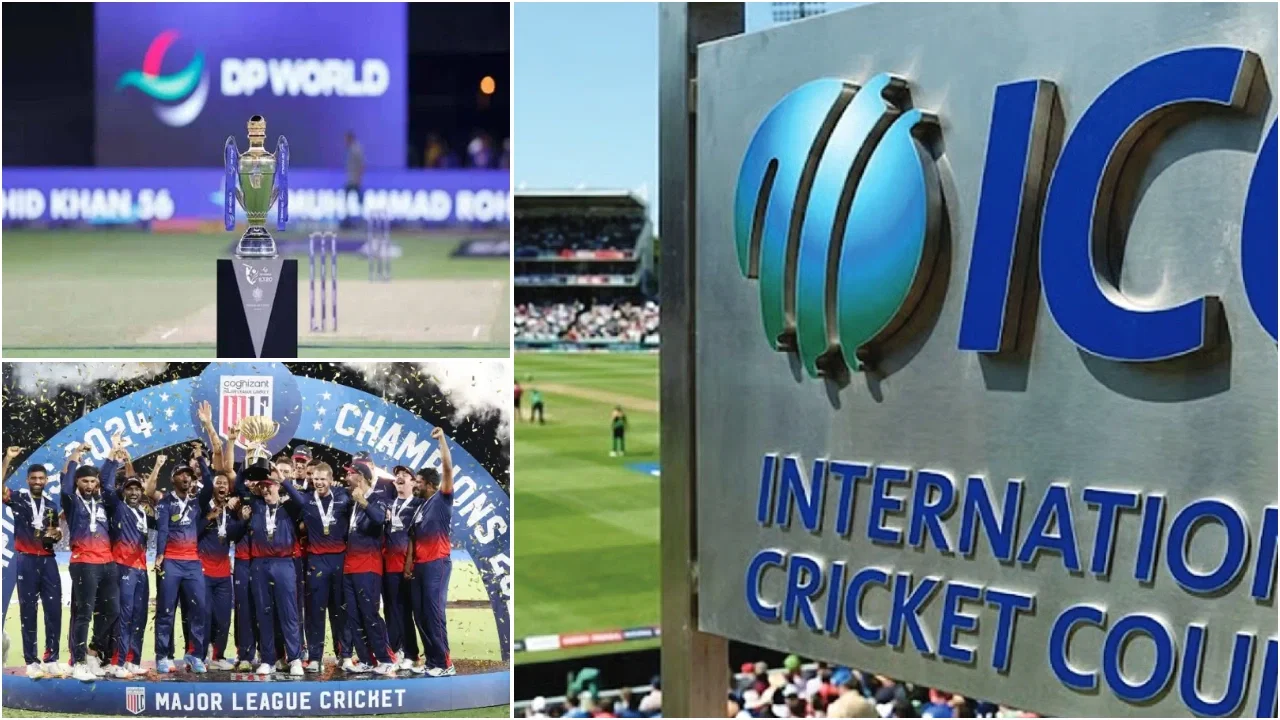
ICC delays decision on franchise league rules as MLC and ILT20 await clarity
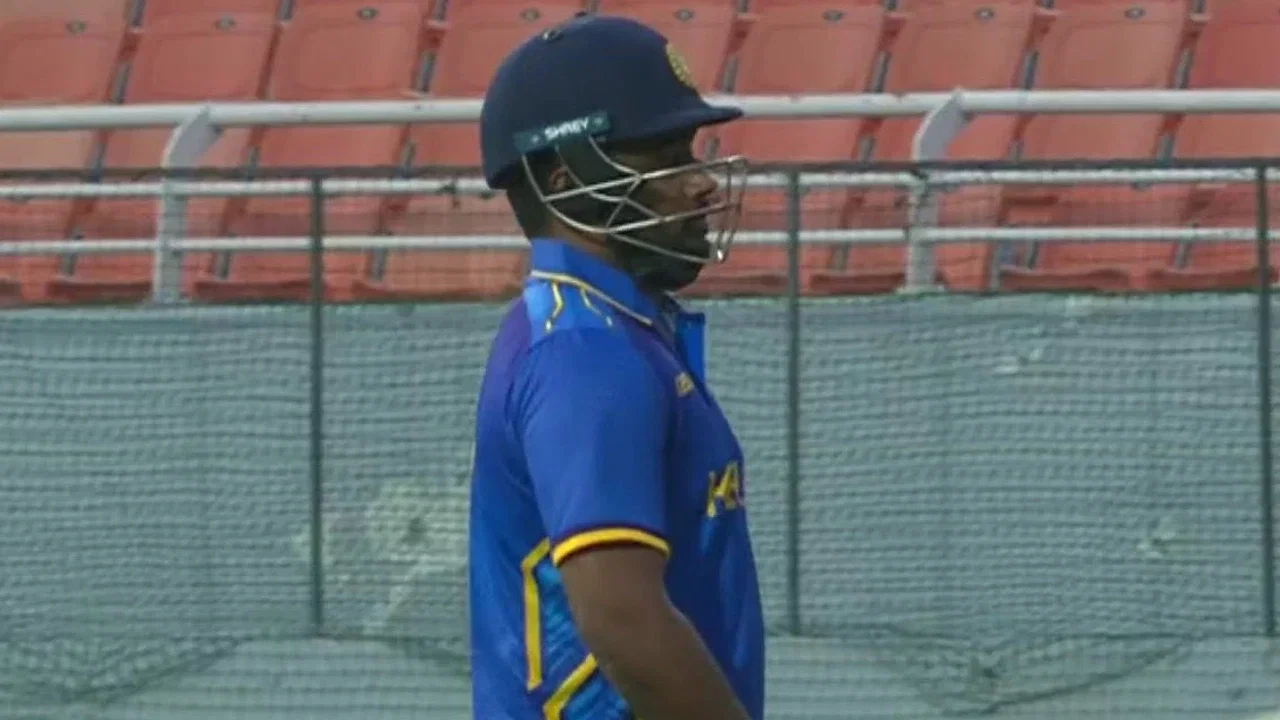
Sanju Samson fails in SMAT after horror show for India
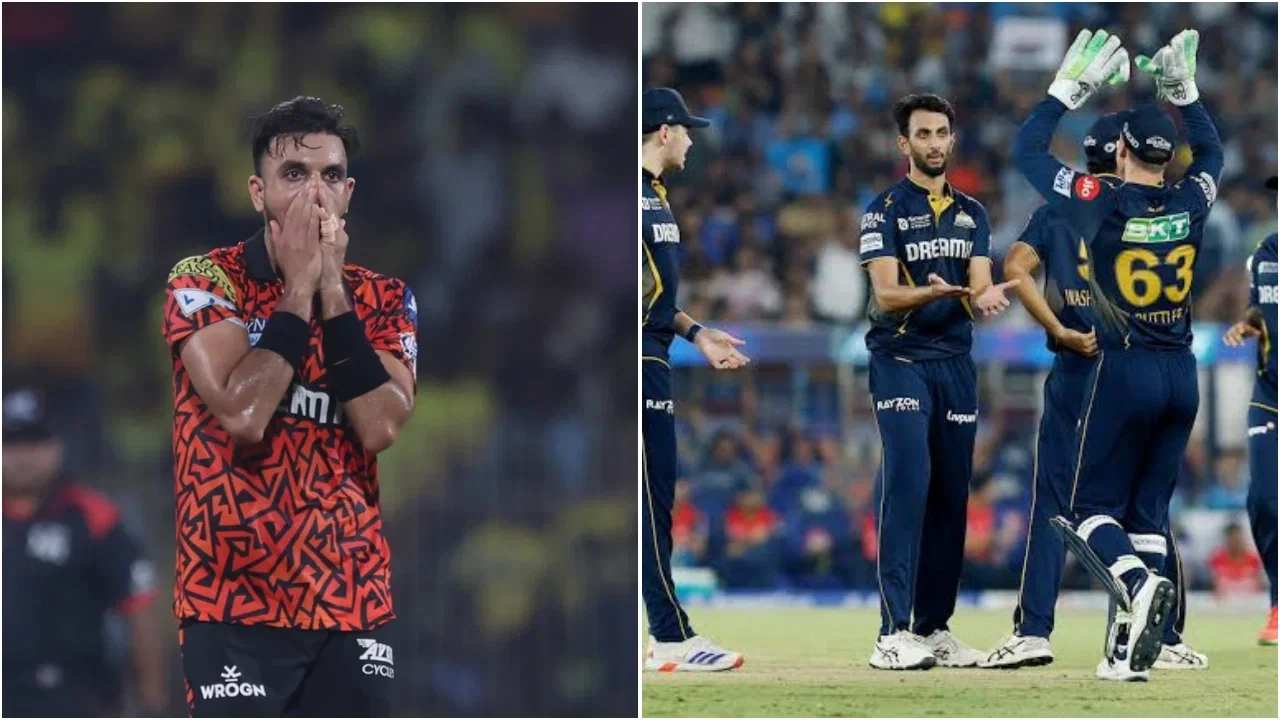
IPL 2027: Gujarat Titans set to sign Harshal Patel in all-cash deal with SRH
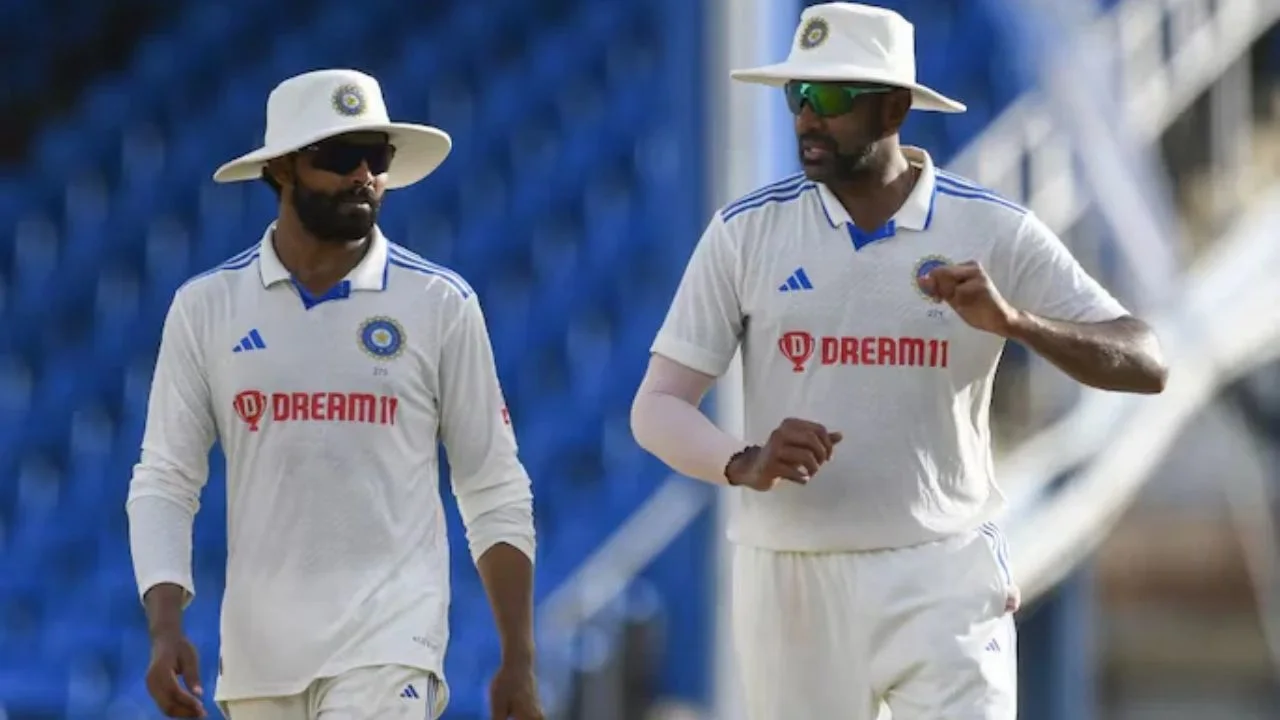
“I know his limitations well”: R Ashwin opens up on Ravindra Jadeja’s biggest weakness
Aakash Chopra picks India’s best ODI captain, Virat Kohli not in top three
“Mohit Ulva you freak”: Fans react as India pull off stunning win over Pakistan in U19 Asia Cup 2026 final
India U19 vs Pakistan U19: All ODI match results from 1988 to 2026
ECB declares war on YouTube show, threatens Ashes ban for popular Commentators