Aaryavir Sehwag, Anvay Dravid flop hard in India vs Pakistan U19 Asia Cup clash
India vs Pakistan U19 Asia Cup 2026: Aaryavir Sehwag and Anvay Dravid Fall Short in Crucial Clash
India and Pakistan renewed their fierce cricket rivalry at the ACC Men’s U19 Asia Cup 2026 on Sunday, November 8, in a high-stakes contest at Al Amerat Cricket Ground’s Ministry Turf 2 in Oman. With both sides having won one match each, victory in this encounter could secure a place in the semi-finals and give the winner valuable momentum heading into the knockout stage.
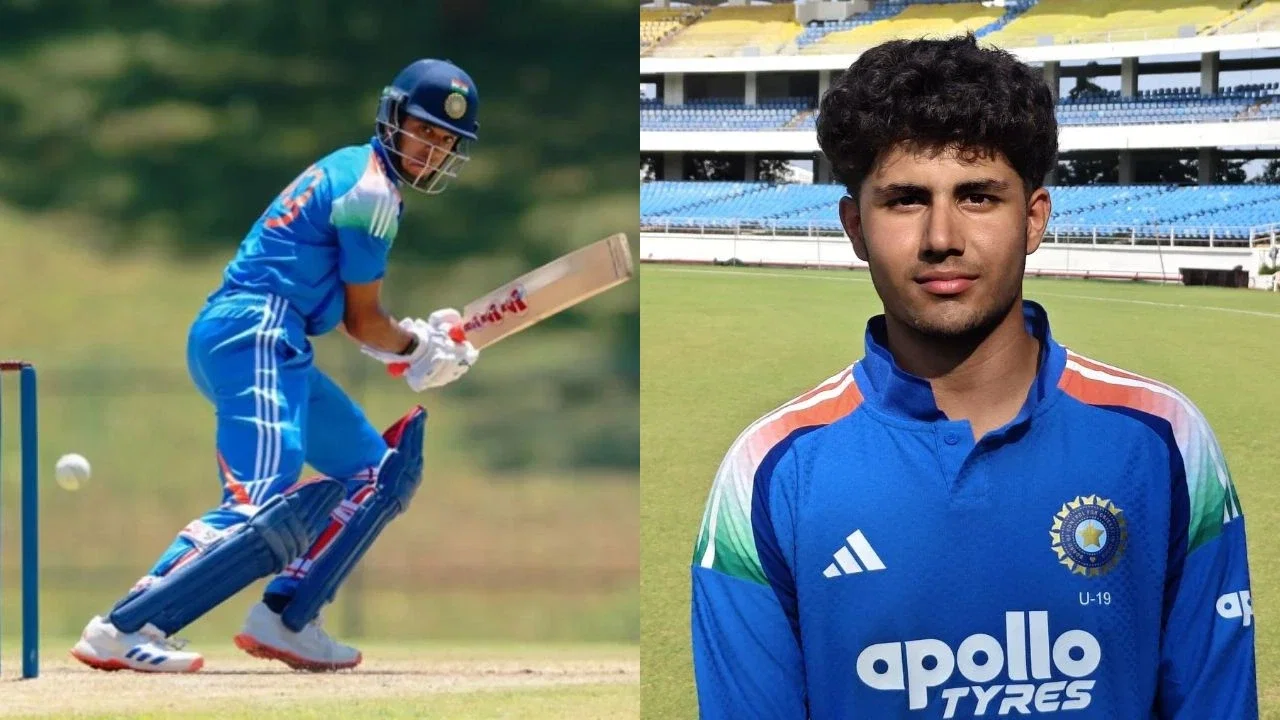
Much of the attention was on two young players carrying famous cricketing surnames: India opener Aaryavir Sehwag, son of former India batter Virender Sehwag, and wicketkeeper-batter Anvay Dravid, son of former India captain Rahul Dravid. Neither managed a substantial contribution in the pressure-filled match, but one difficult innings should be viewed as a moment in a developing career—not a verdict on a young player’s potential.
Aaryavir Sehwag’s Start Ends After 22 Runs
Aaryavir opened the innings for India and made 22 from 40 deliveries before being dismissed. His innings included one four and one six, but he was unable to convert his start into the longer contribution India needed in a match with a semi-final place at stake.
For an opening batter, the early overs often involve balancing caution with scoring opportunities. Aaryavir’s stay at the crease gave him time to settle, yet Pakistan’s bowling attack eventually ended his innings before he could accelerate. The dismissal will be a learning experience, particularly in managing the transition from building a platform to putting pressure back on the bowlers.
The performance also stands in contrast to his encouraging display against Nepal earlier in the tournament. In that match, Aaryavir struck an unbeaten 70 from 52 balls, hitting seven fours and four sixes. India went on to win by 10 wickets, with the opening partnership completing the chase without a loss. That innings highlighted his ability to score quickly and find boundaries—qualities that remain part of his game despite a quieter outing against Pakistan.
Aaryavir’s Early Record and Room to Grow
Aaryavir is still at the beginning of his youth cricket journey. He has played four Youth One-Day International matches, scoring 131 runs at an average of 32.75 and a strike rate above 90. Those figures offer a small but useful snapshot of his progress; they are not enough to define the player he may become.
Comparisons with Virender Sehwag are inevitable because of the family connection and the former opener’s celebrated attacking style. However, Aaryavir is building his own experience in a different cricketing era, with his own strengths and challenges. Supporters will get a clearer picture of his development by following his performances over time rather than judging him against his father’s career or a single high-pressure innings.
Anvay Dravid Dismissed for 10
Anvay Dravid had a brief opportunity in the middle order and scored 10 runs before being dismissed. Attempting an inside-out lofted shot, he did not find the intended gap. The ball took an edge and carried to deep cover, bringing his innings to an end.
The shot reflected an effort to score assertively, but the execution did not match the intention. In the middle order, batters must often respond quickly to the match situation: they may need to rebuild after a wicket, rotate the strike or raise the scoring rate. Choosing when to attack—and selecting the right delivery to do so—is a key part of that role, especially in a contest where every run can matter.
Anvay did not bat in India’s opening match against Nepal, as the team’s openers, captain Lakshya Rajesh Raichandani and Aaryavir, completed the successful chase. The Pakistan fixture therefore offered his first chance to contribute with the bat in the tournament, although the opportunity ended earlier than he would have hoped.
Anvay’s Youth ODI Numbers
The 17-year-old has appeared in five matches for India’s U19 side in the Youth ODI format. He has scored 132 runs at an average of 31.60, with a strike rate of 123.43, and has registered one half-century. As a wicketkeeper-batter, he is expected to contribute in more than one area, while his position in the middle order can require him to adapt to very different situations from match to match.
Those responsibilities take time to master. A middle-order batter may arrive with the team well placed or under pressure, and each scenario calls for a different approach. Anvay’s existing record suggests he has shown the ability to score at a brisk pace, but consistency and decision-making will be important areas to develop as he gains experience against varied bowling attacks.
What the Result Means for the Semi-Final Race
The India–Pakistan match carries significance beyond the rivalry itself. With both teams entering the contest after one win, the result could decide who advances to the semi-finals and who faces a more uncertain route through the remaining group-stage fixtures. In a tournament format where qualification can come down to points and net run rate, strong performances in these key matches can have a lasting impact.
That pressure also makes the game valuable experience for the young players involved. Handling a major occasion, recovering from a dismissal and learning to make better choices under scrutiny are all part of the pathway from age-group cricket to senior international competition. For Aaryavir and Anvay, the Pakistan match provides lessons as well as disappointment.
India vs Pakistan U19 Match Prediction and Key Takeaways
Any prediction about the outcome of a youth tournament match should be treated cautiously. Momentum, bowling conditions, partnerships and the ability to respond to pressure can all change the contest quickly. India’s earlier 10-wicket win over Nepal showed the team’s potential, while Pakistan’s challenge in this fixture underlined the competitive nature of the group. The semi-final race remains a test of the full squad rather than any one batter.
Aaryavir’s 70 against Nepal and Anvay’s Youth ODI record remain relevant context, even though both players fell cheaply in this crucial match. Their famous family names will continue to attract attention, but their progress will ultimately be shaped by their own performances, preparation and response to setbacks. At the U19 level, development is rarely a straight line—and one difficult day can be an important step in learning how to perform when the stakes are high.
Latest News
Usman Khawaja alleges Pakistani descent cost him Australia captaincy after Sandpapergate
Marketing strategy? Usman Khawaja explains why he took 8 years to address Sandpapergate
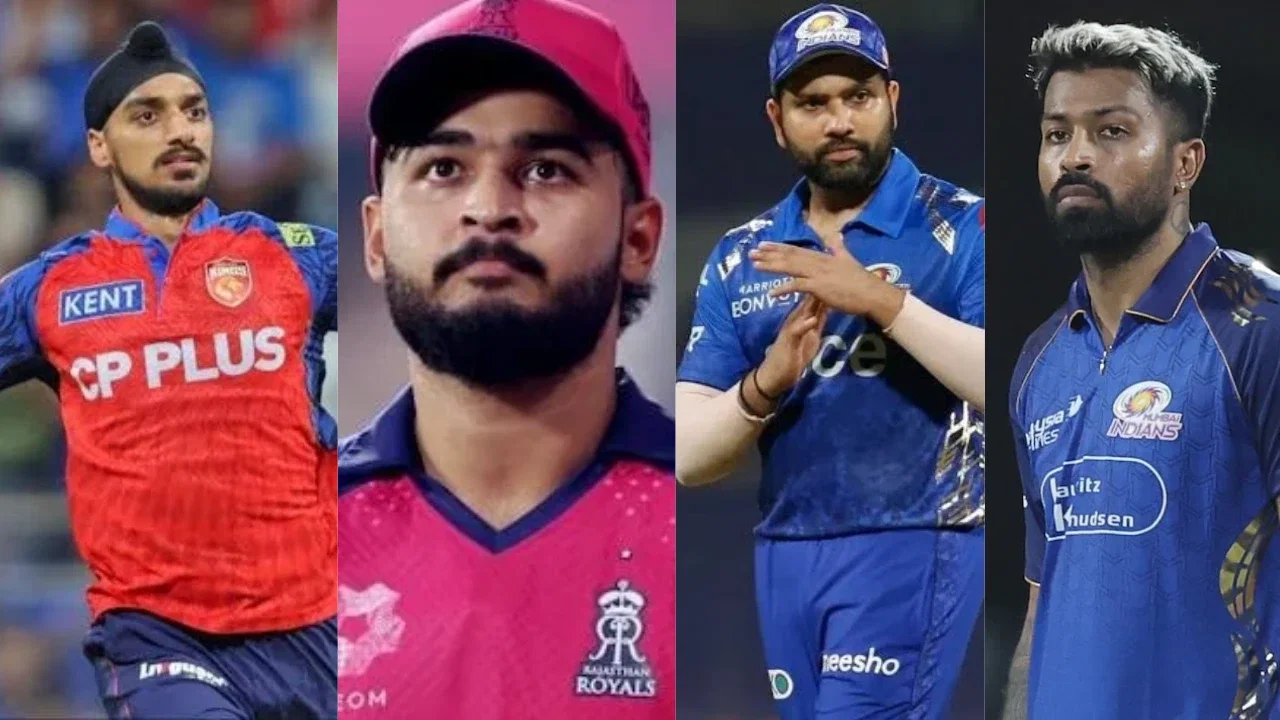
Rohit Sharma, Riyan Parag to captain MI, RR as Hardik Pandya-Arshdeep Singh switch teams
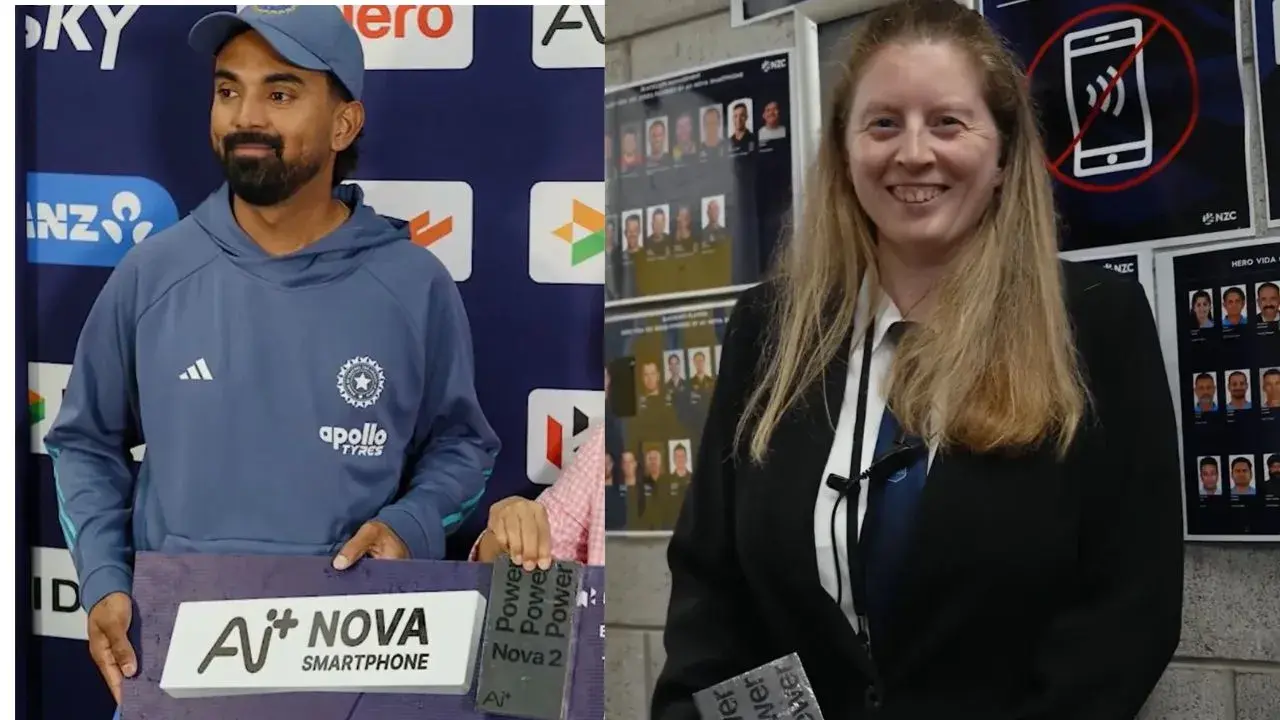
KL Rahul wins hearts with special gift for female stadium staff member after India’s win vs NZ
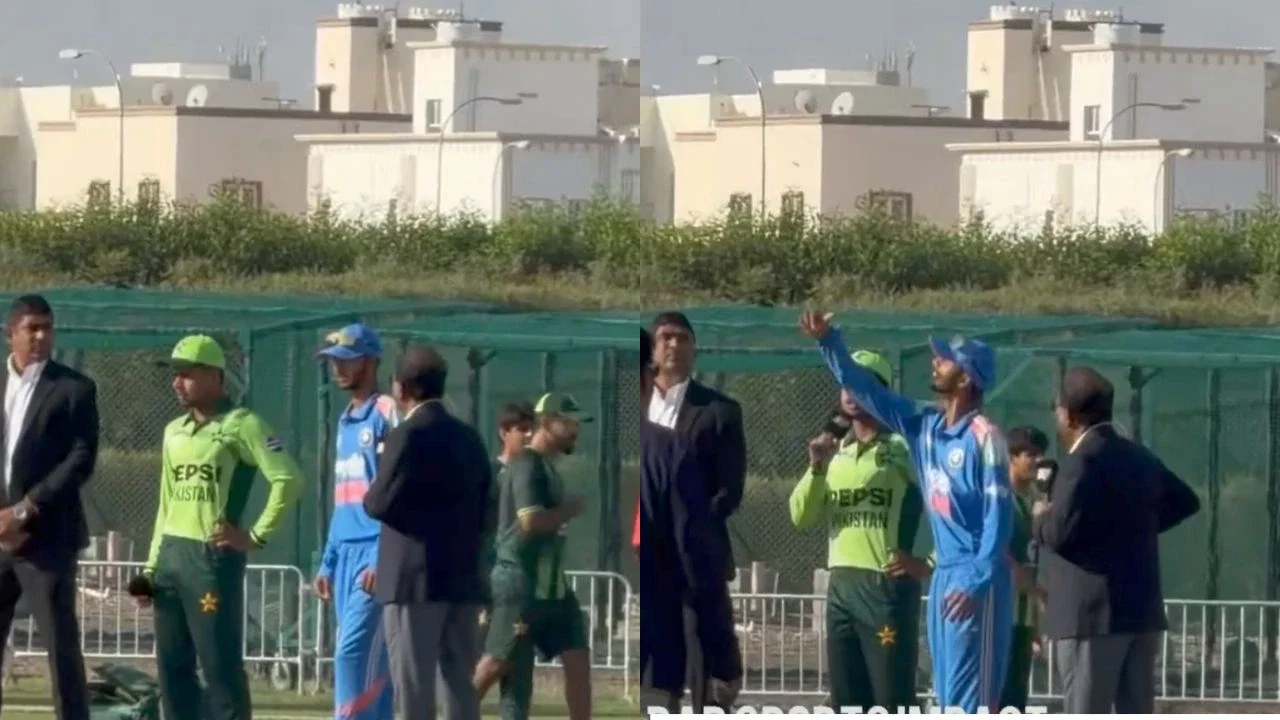
Watch: India-Pakistan no-handshake row continues as Lakshya Raichandani snubs Farhan Yousaf
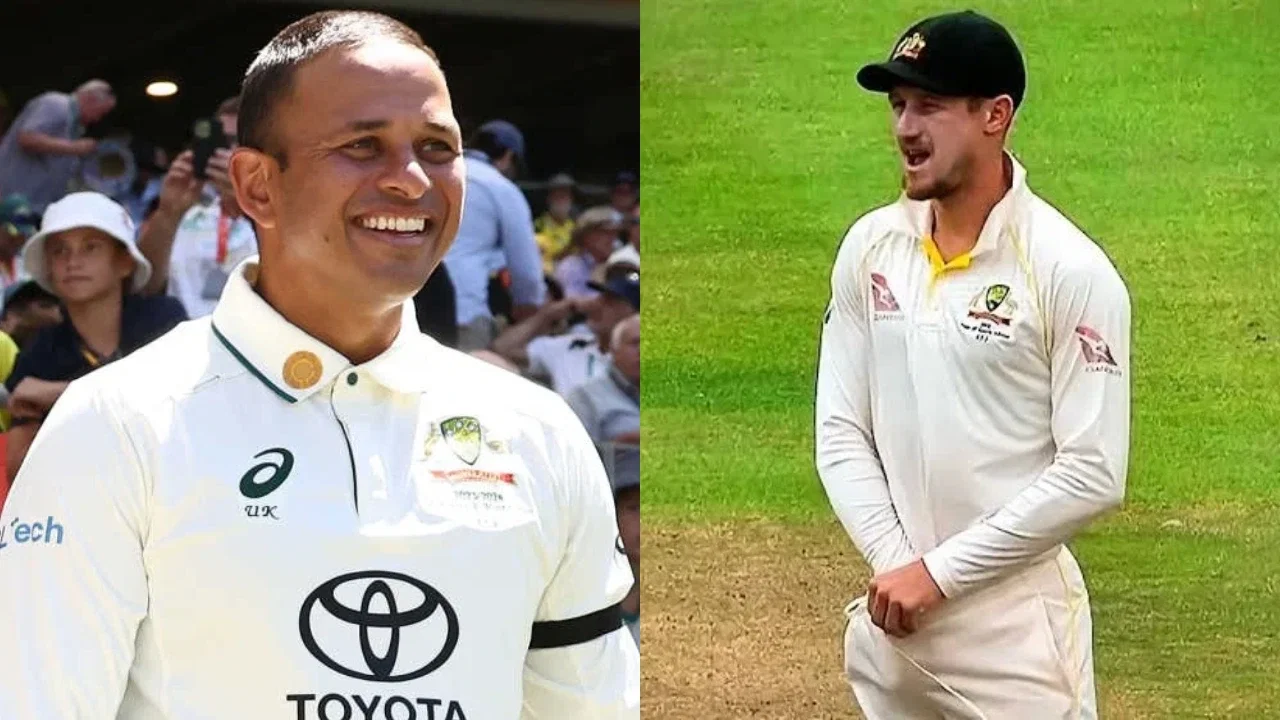
Cameron Bancroft refuses to look back as Usman Khawaja reignites Sandpapergate
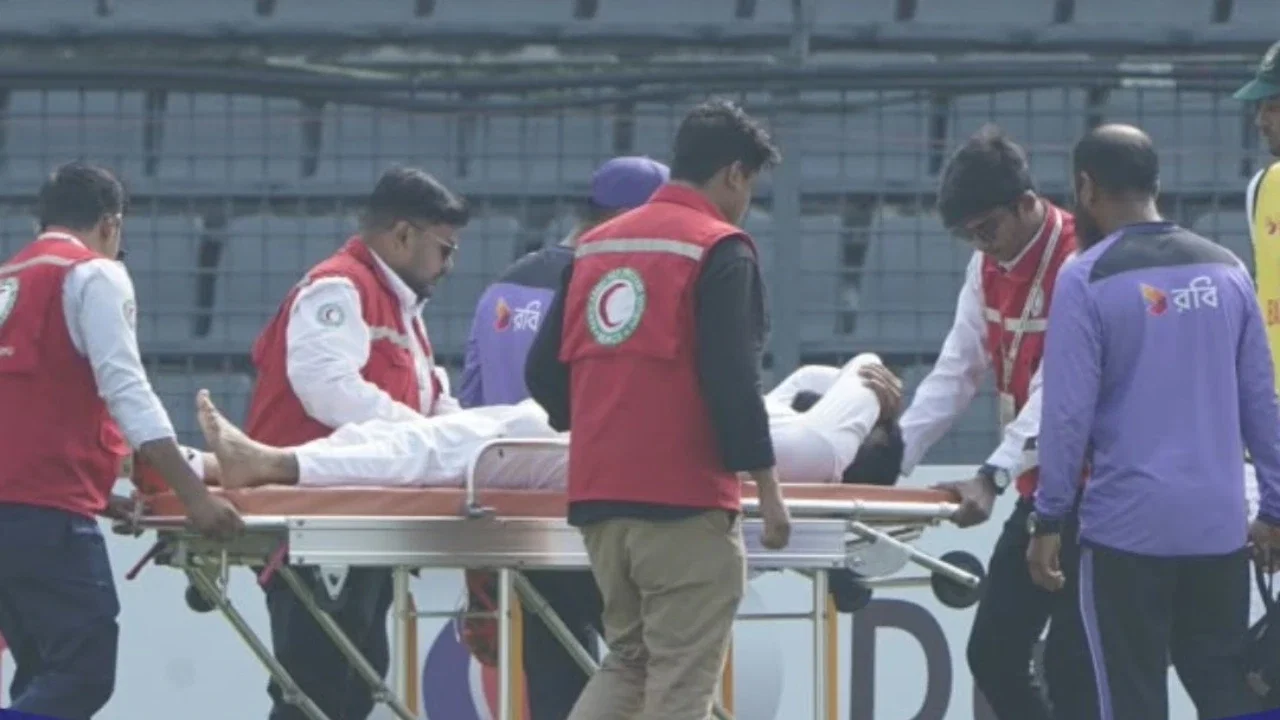
Shadman Islam ruled out of South Africa tour in major blow for Bangladesh
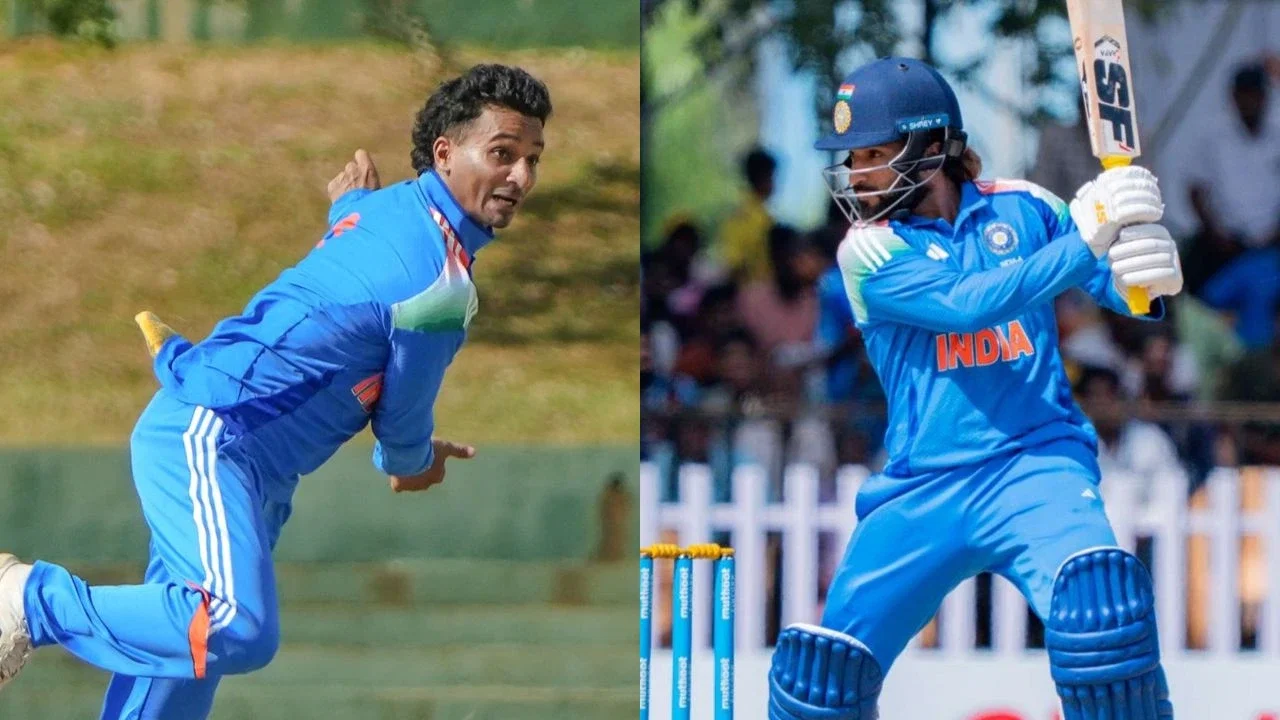
Rajat Patidar tells BCCI to remove him from Asia Cup squad, Ayush Badoni comes in
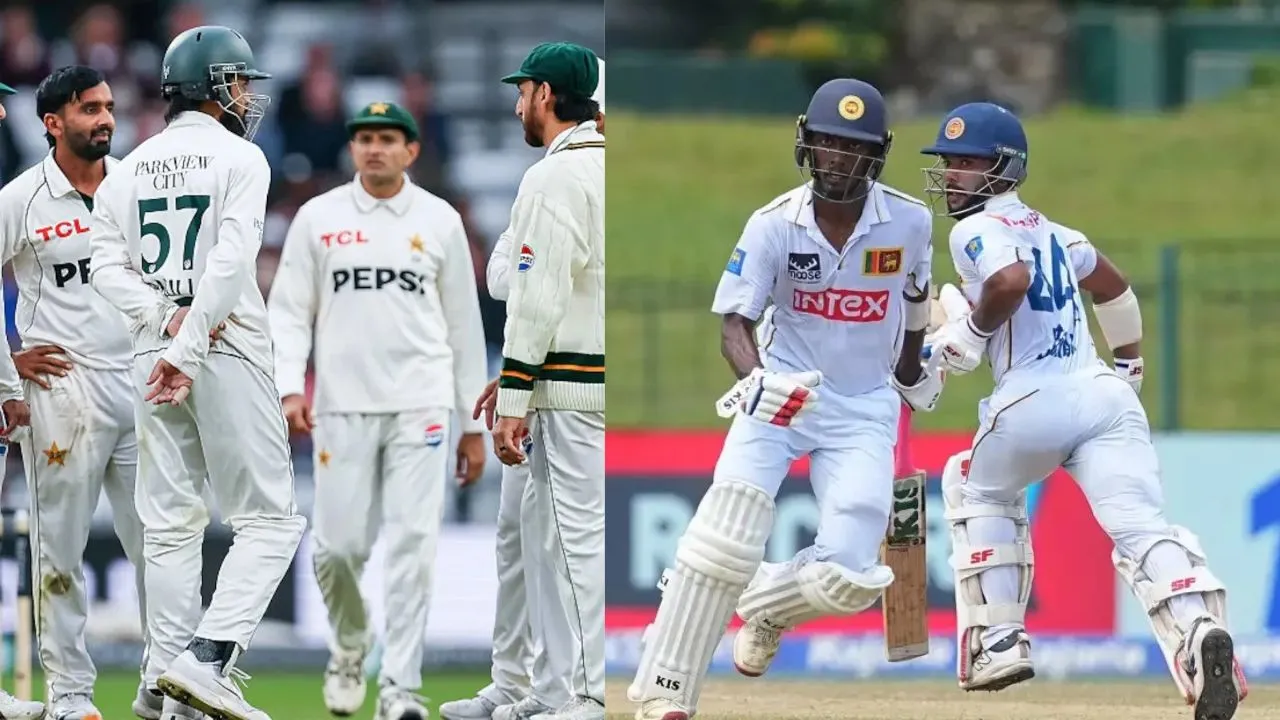
PAK vs SL Playing 11 Today, Live Streaming, Pitch & Weather: Sri Lanka tour of Pakistan 2026, 1st Test
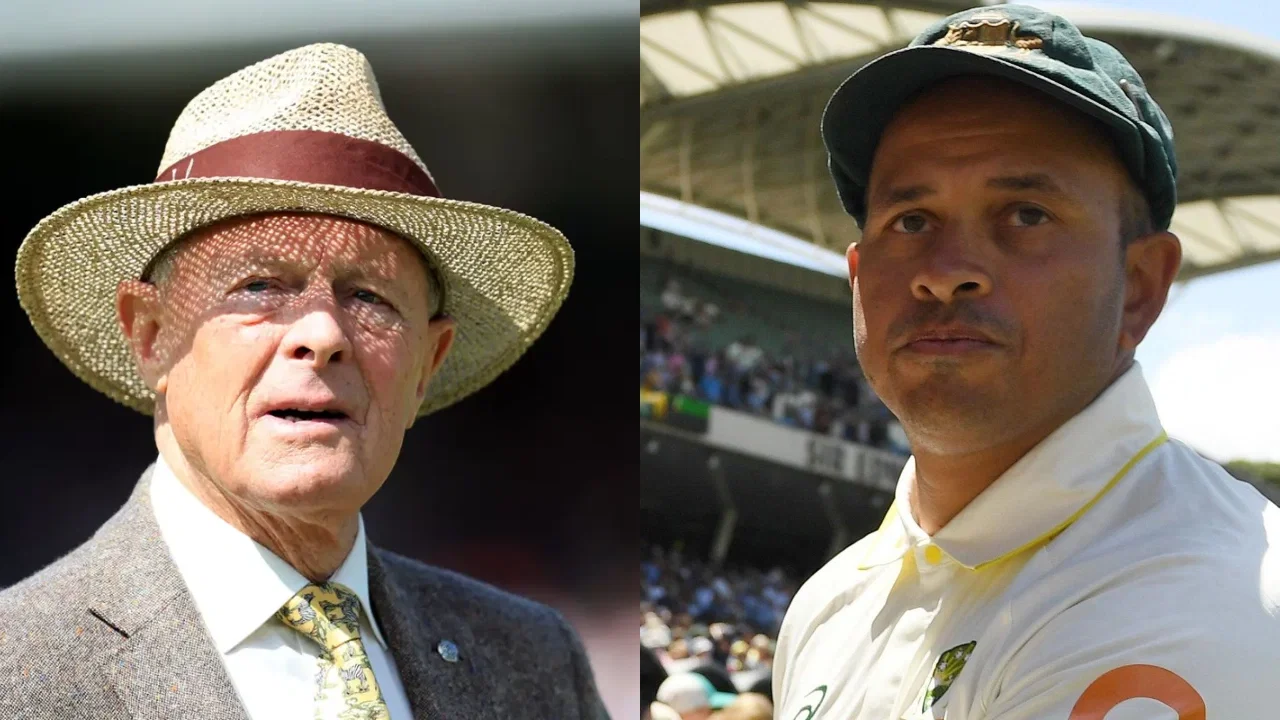
Geoffrey Boycott hits back at Usman Khawaja over Sandpapergate claims
Aaryavir Sehwag, Anvay Dravid flop hard in India vs Pakistan U19 Asia Cup clash
Babar Azam breaks silence on Mohammad Yousuf offering help on social media
Usman Khawaja’s Sandpapergate claims backed by Australia pacer part of tour
Ambati Rayudu takes a dig at New Zealand over bowling-friendly pitches after India’s 2nd ODI win