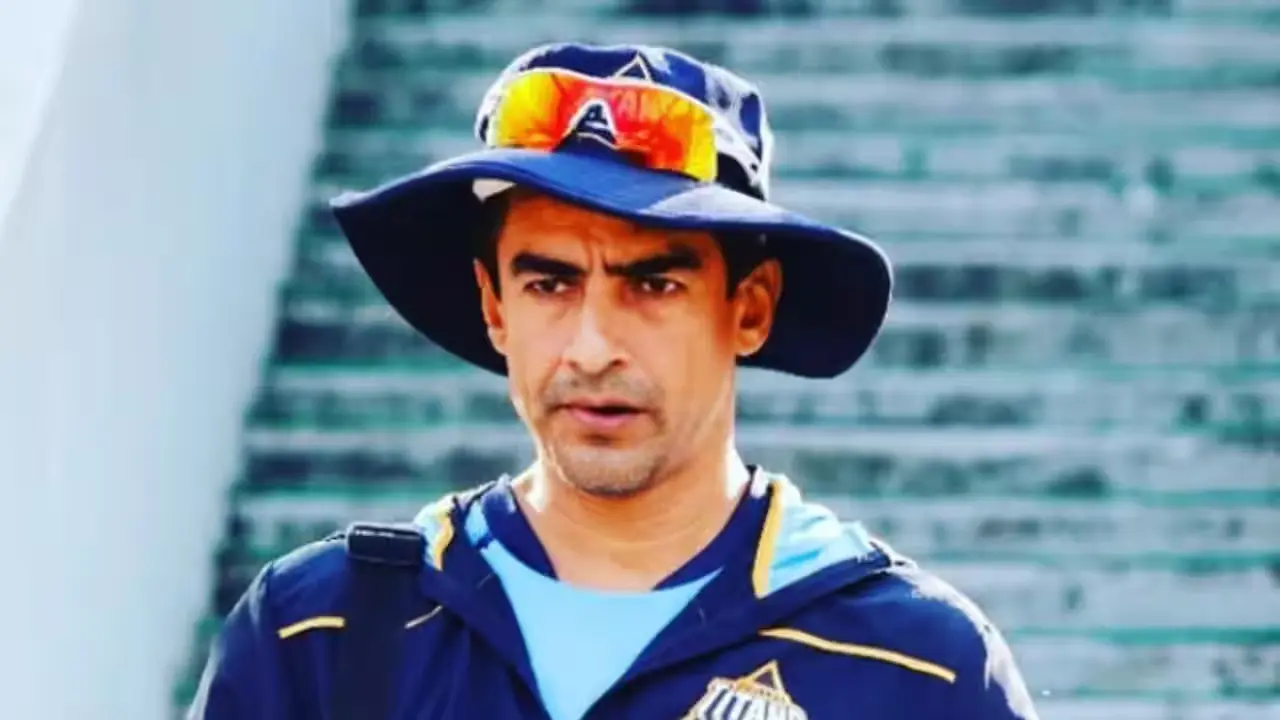
Watch: India-Pakistan no-handshake row continues as Lakshya Raichandani snubs Farhan Yousaf
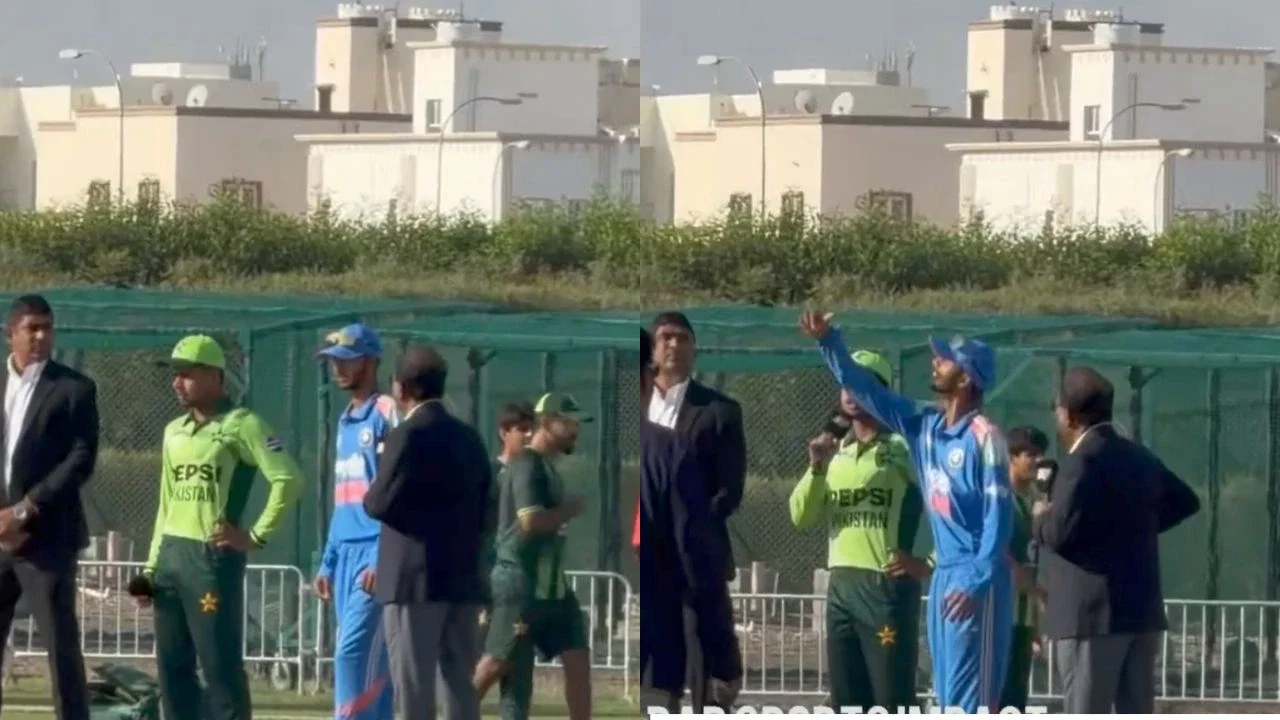
India vs Pakistan U-19 Asia Cup: No Handshake at Toss as Ali Raza Strikes Early
The India-Pakistan rivalry made headlines once again at the Under-19 Asia Cup in Oman, where the two captains did not exchange the customary handshake at the toss. The moment unfolded on November 8, 2026, during a match played on Diwali—a festival widely celebrated across India. India Under-19 captain Lakshya Rajesh Raichandani and Pakistan skipper Farhan Yousaf met in the middle for the toss, but the familiar greeting was absent.
The brief exchange quickly became a talking point online and added another layer of attention to a contest already charged with sporting history. While the teams’ focus remained on the match, the no-handshake moment echoed similar gestures involving the senior sides and ensured the fixture drew notice before the first ball was bowled.
India Win the Toss and Choose to Bat
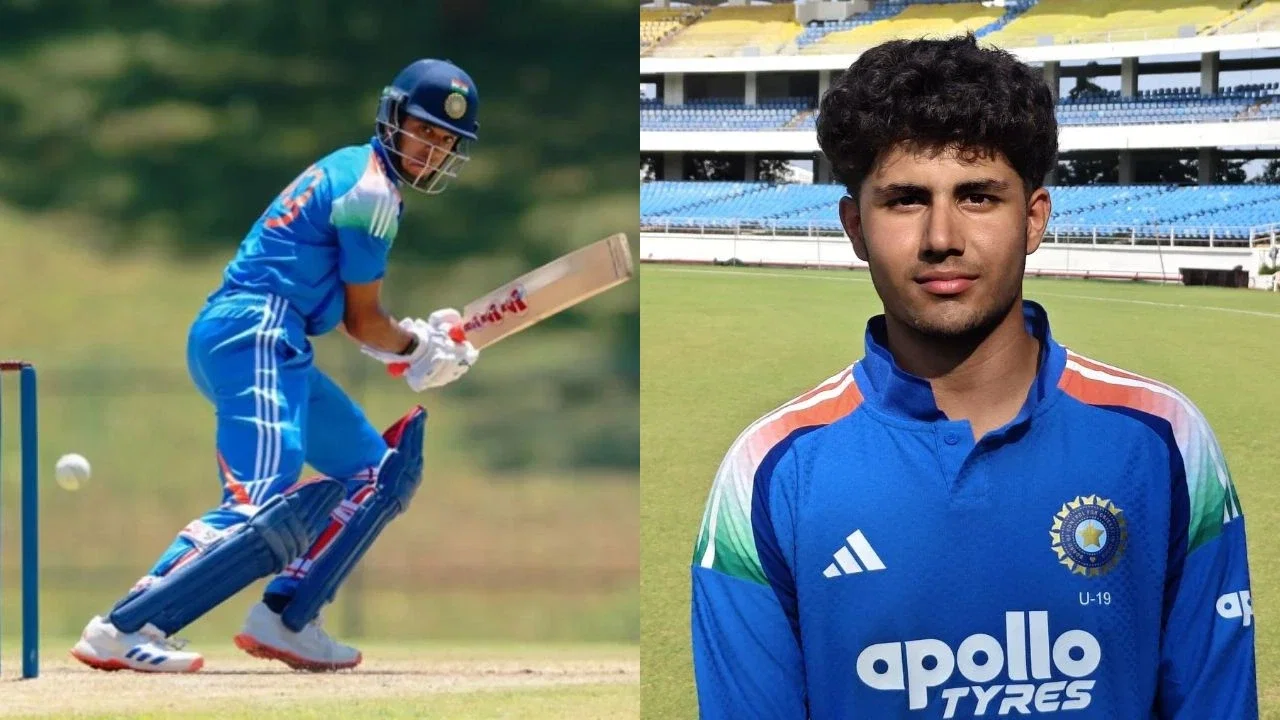
Raichandani won the toss and elected to bat first, with the plan to set a target for Pakistan on the Oman surface. He opened alongside Aaryavir Sehwag, the son of former India batter Virender Sehwag. Anvay Dravid, son of former India captain and coach Rahul Dravid, was also named in the playing XI as the wicketkeeper-batter.
The presence of players from well-known cricketing families added interest for viewers, but the young squad’s performance would ultimately depend on its own execution. India’s top order was expected to provide a steady start, build partnerships and give the middle order a platform against a Pakistan attack featuring the in-form Ali Raza.
Ali Raza Removes Raichandani in the First Over
Pakistan made an immediate impact. On the second delivery of the innings, fast bowler Ali Raza dismissed India captain and opener Raichandani, leaving India at 0 for 1. The right-hander departed for a two-ball duck after misjudging a fuller delivery outside off stump.
Raichandani appeared to leave the ball, but it angled in rather than moving away. The delivery beat his judgment and struck the stumps, giving Pakistan an early breakthrough and putting pressure on India’s batting order from the outset. It was a sharp reminder of Raza’s threat: in a high-stakes youth match, a small lapse in decision-making can quickly shift momentum.
Raza had already been central to Pakistan’s recent success against India at this level. His early strike strengthened Pakistan’s start and revived memories of the previous Asia Cup meeting, when the Pakistani bowling attack dominated the final.
Rematch Carries the Weight of the 2025 Final
The latest encounter comes with unfinished business for India. In the 2025 Asia Cup final in Dubai, Pakistan defeated India by 191 runs, with Ali Raza leading a disciplined bowling effort. That heavy loss remains a significant reference point for the Indian side, which now has an opportunity to respond in another meeting between the rivals.
For India, the immediate challenge is to recover from the early wicket without allowing the pressure to build. A stable partnership could help restore the innings, while Pakistan will look to maintain its attacking lines and exploit any uncertainty among the incoming batters. With Raza already among the wickets, his next spell could prove important in shaping the contest.
India vs Pakistan U-19 Playing XIs
India Under-19
Lakshya Rajesh Raichandani (captain), Aaryavir Sehwag, Anvay Dravid (wicketkeeper), Arjun Rajput, Ishan Sood, Kavya Patel, Manal Chauhan, Mohit Ulva, Yashveer Goud, VK Vineeth and Yashvardhann Chauhan.
Pakistan Under-19
Usman Khan, Jahangir Bilal, Abdul Qadir, Ahmed Hussain, Ali Raza, Hamza Zahoor (wicketkeeper), Hasnain Abbas Dar, Mohammad Sayyam, Farhan Yousaf (captain), Niqab Shafiq and Rizwanullah.
Match Prediction: Early Momentum Favors Pakistan
Any match prediction at this stage remains tentative, but Pakistan’s early breakthrough gives its bowlers a valuable advantage. Removing the opposing captain in the opening over can disrupt a team’s plans, particularly when the dismissed batter is also an opener. India, however, still has time and batting depth to rebuild, and one strong partnership could change the balance again.
The key contest is likely to be between India’s batters and Pakistan’s pace attack. If India can rotate the strike, avoid further early wickets and make Raza work for his breakthroughs, it may regain control. Pakistan’s best route is to keep the pressure on with disciplined bowling and turn the opening success into a sustained spell of dominance.
Beyond the prediction, the match offers a useful test of temperament for both youth teams. The no-handshake moment and the memory of the 2025 final have intensified the spotlight, but the result will be decided by the cricket: shot selection, bowling accuracy, fielding and the ability to handle pressure. With the first wicket already down, the India-Pakistan U-19 Asia Cup contest has begun at a brisk and dramatic pace.
Latest News
Usman Khawaja alleges Pakistani descent cost him Australia captaincy after Sandpapergate
Marketing strategy? Usman Khawaja explains why he took 8 years to address Sandpapergate
Rohit Sharma, Riyan Parag to captain MI, RR as Hardik Pandya-Arshdeep Singh switch teams
KL Rahul wins hearts with special gift for female stadium staff member after India’s win vs NZ
Watch: India-Pakistan no-handshake row continues as Lakshya Raichandani snubs Farhan Yousaf
Cameron Bancroft refuses to look back as Usman Khawaja reignites Sandpapergate
Shadman Islam ruled out of South Africa tour in major blow for Bangladesh
Rajat Patidar tells BCCI to remove him from Asia Cup squad, Ayush Badoni comes in
PAK vs SL Playing 11 Today, Live Streaming, Pitch & Weather: Sri Lanka tour of Pakistan 2026, 1st Test
Geoffrey Boycott hits back at Usman Khawaja over Sandpapergate claims
Aaryavir Sehwag, Anvay Dravid flop hard in India vs Pakistan U19 Asia Cup clash
Babar Azam breaks silence on Mohammad Yousuf offering help on social media
Usman Khawaja’s Sandpapergate claims backed by Australia pacer part of tour
Ambati Rayudu takes a dig at New Zealand over bowling-friendly pitches after India’s 2nd ODI win