Usman Khawaja alleges Pakistani descent cost him Australia captaincy after Sandpapergate
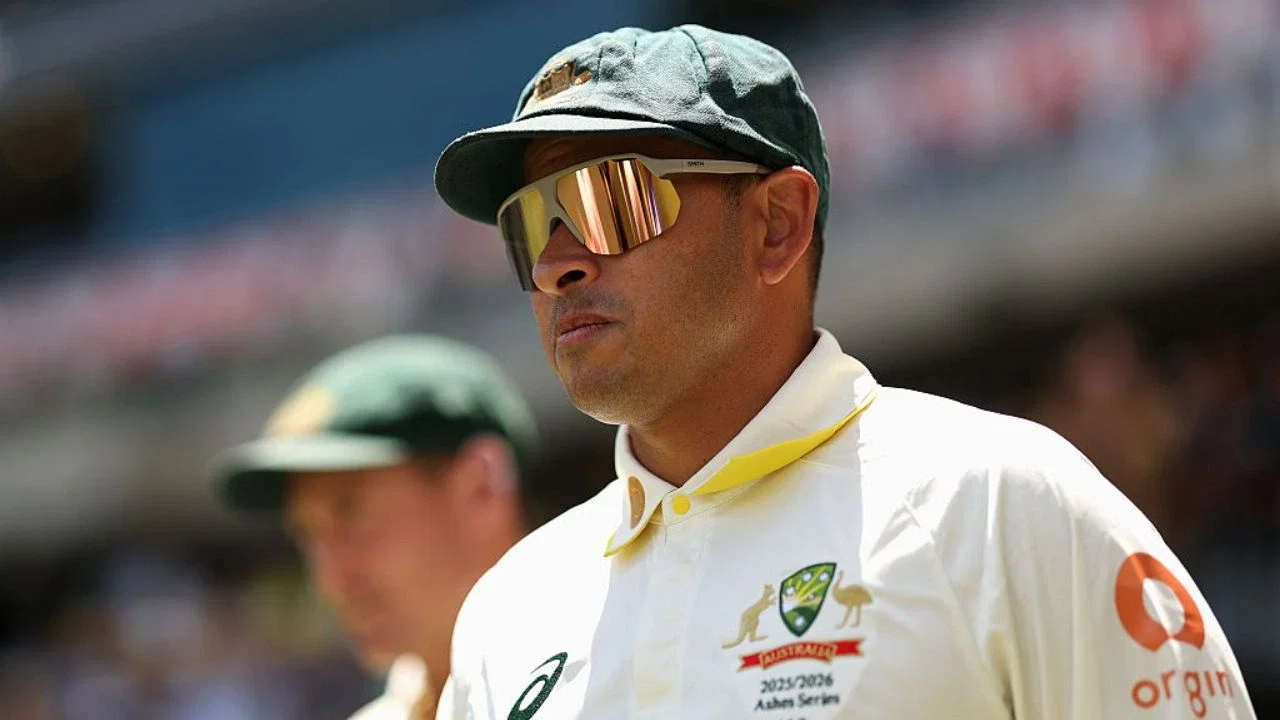
Usman Khawaja Says He Was “Flabbergasted” by Tim Paine’s Appointment After Sandpapergate
Former Australia opener Usman Khawaja has revisited the leadership upheaval that followed the 2018 Sandpapergate scandal, saying he was stunned when Tim Paine was appointed interim captain. Khawaja believes his experience with the national side and record as a state-level leader made him a strong candidate—and has suggested that both his conflict with Cricket Australia and his Pakistani heritage may have influenced the decision.
The appointment came during the third Test against South Africa in Cape Town, after Steve Smith and David Warner stepped down as captain and vice-captain amid the ball-tampering crisis. Paine took charge for the remainder of the match and later continued as Australia’s captain. Khawaja, who was part of the squad, says he expected to be considered for a leadership role.
Why Khawaja Believed He Was a Candidate
Khawaja has pointed to his experience in Australian cricket as a reason he felt suited to the interim position. He had been a regular member of the national team, captained Queensland and led Australia A teams. In his view, those credentials made him a natural option at a moment when the team needed stability and direction.
“I was a natural selection for interim captain, but was overlooked,” Khawaja said, according to CODE Sports. He also suggested that his involvement in disputes over player payments may have damaged his prospects, given that Cricket Australia’s board was responsible for appointing the captain.
His comments offer a glimpse into the tensions surrounding the decision. The appointment was made under intense pressure, with Australian cricket facing scrutiny at home and overseas. Officials needed to respond quickly, restore confidence in the team and manage the immediate fallout from one of the sport’s most damaging controversies. Khawaja’s account suggests that, from his perspective, the choice was not simply a matter of cricketing experience.
Claim of Ethnic Bias in Australian Cricket
Khawaja has also alleged that his background played a role in his omission. Born in Pakistan, he became one of Australia’s most prominent players of South Asian heritage. He believes Australian cricket was not ready at the time to appoint a “brown” captain—even on an interim basis.
He said he felt he should at least have been considered for the vice-captaincy, which went to Josh Hazlewood and Mitchell Marsh. Khawaja described the outcome as deeply disappointing, particularly given his seniority and leadership experience.
His allegation raises broader questions about representation and access to leadership positions in elite sport. A captaincy appointment can reflect more than a player’s performance: it can also reveal how institutions assess experience, trust and suitability. Khawaja’s account is his personal interpretation of events, and it does not by itself establish the motives behind the board’s decision. Still, his comments have renewed discussion about whether Australian cricket has offered equal opportunities for players from diverse backgrounds to lead.
Khawaja Stands by His Sandpapergate Claims
The captaincy controversy has resurfaced alongside Khawaja’s recent comments about the 2018 ball-tampering scandal. He has maintained that more players and staff knew about the use of sandpaper during the South Africa tour than the original Cricket Australia investigation concluded.
That investigation placed responsibility on Smith, Warner and Cameron Bancroft, who admitted their roles in the incident. Khawaja’s account challenges the idea that the episode was limited to those three players, arguing that the consequences were not shared as broadly as responsibility may have been.
In an Instagram post responding to the reaction, Khawaja said he stood by what he had said and was not apologising for speaking out. He argued that the three players had borne years of criticism for an episode he believes should have been treated as a collective responsibility. His stated aim, he said, was to provide a fuller account and seek fairness for former teammates.
Cricket Australia has continued to defend its original investigation, while Khawaja maintains that the complete story has not been told. The contrasting positions mean the scandal remains a subject of debate, even years after the Cape Town Test. Khawaja’s latest remarks have brought renewed attention to the gap between the official findings and the experiences described by people who were part of the tour.
Why the Debate Still Matters
Sandpapergate was more than a breach of cricketing rules. It damaged Australia’s reputation, led to significant suspensions and prompted questions about team culture, accountability and leadership. The choice of Paine as captain became part of the effort to move the side forward, but Khawaja’s recollections show that the appointment also left unresolved questions within the squad.
His remarks should be understood as a personal account rather than a definitive explanation of the board’s decision. The available information does not establish that ethnicity was a factor, and the appointment took place amid extraordinary pressure. At the same time, Khawaja’s experience adds a perspective that was not central to the public discussion at the time: how senior players viewed the leadership process and whether they believed it was fair.
For cricket fans, the latest revelations also underline how the legacy of Sandpapergate continues to evolve. The original sanctions addressed the actions identified by Cricket Australia, but former players’ accounts can shape how the episode is remembered and debated. Whether Khawaja’s claims prompt further examination remains uncertain; any prediction about a new formal investigation would be speculative unless Cricket Australia announces one.
What is clear is that Khawaja is standing by his version of events. By linking the captaincy decision to both his boardroom disputes and his heritage, he has broadened the conversation beyond the ball-tampering incident itself. His comments have reopened questions about leadership, representation and accountability in Australian cricket—and ensured that the debate over what happened in Cape Town is not yet over.
Latest News
Usman Khawaja alleges Pakistani descent cost him Australia captaincy after Sandpapergate
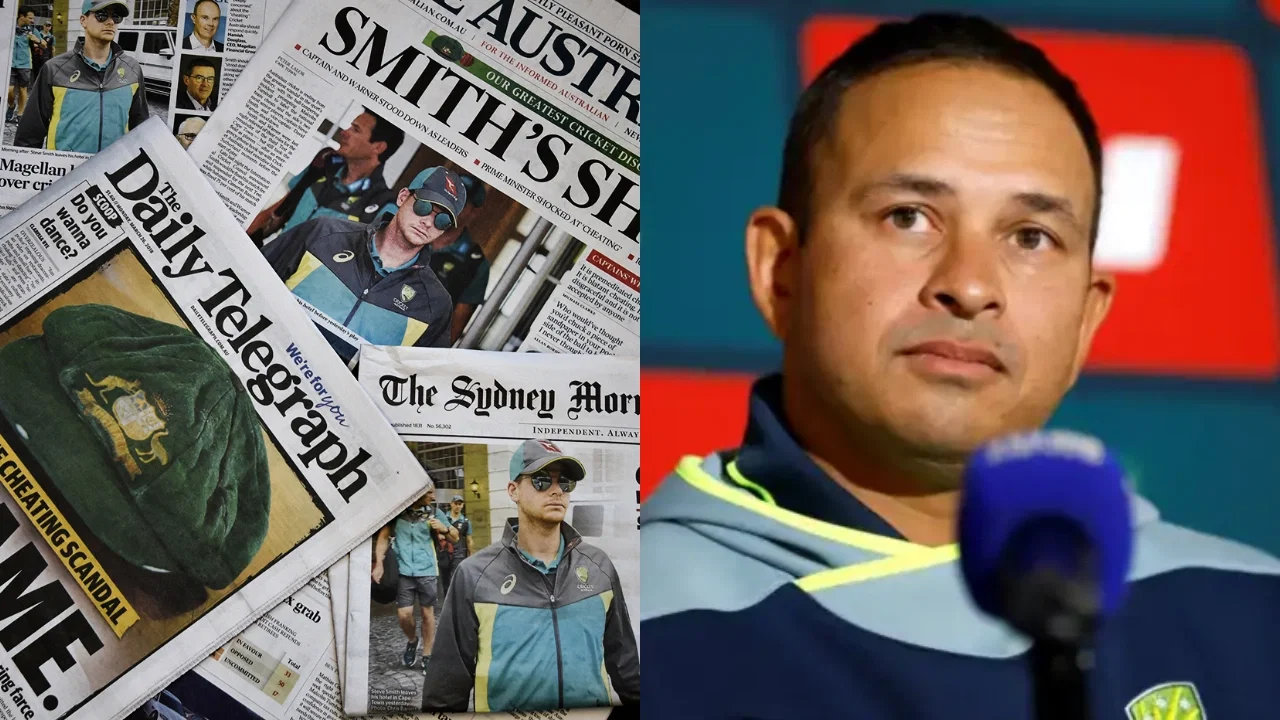
Marketing strategy? Usman Khawaja explains why he took 8 years to address Sandpapergate
Rohit Sharma, Riyan Parag to captain MI, RR as Hardik Pandya-Arshdeep Singh switch teams

KL Rahul wins hearts with special gift for female stadium staff member after India’s win vs NZ

Watch: India-Pakistan no-handshake row continues as Lakshya Raichandani snubs Farhan Yousaf
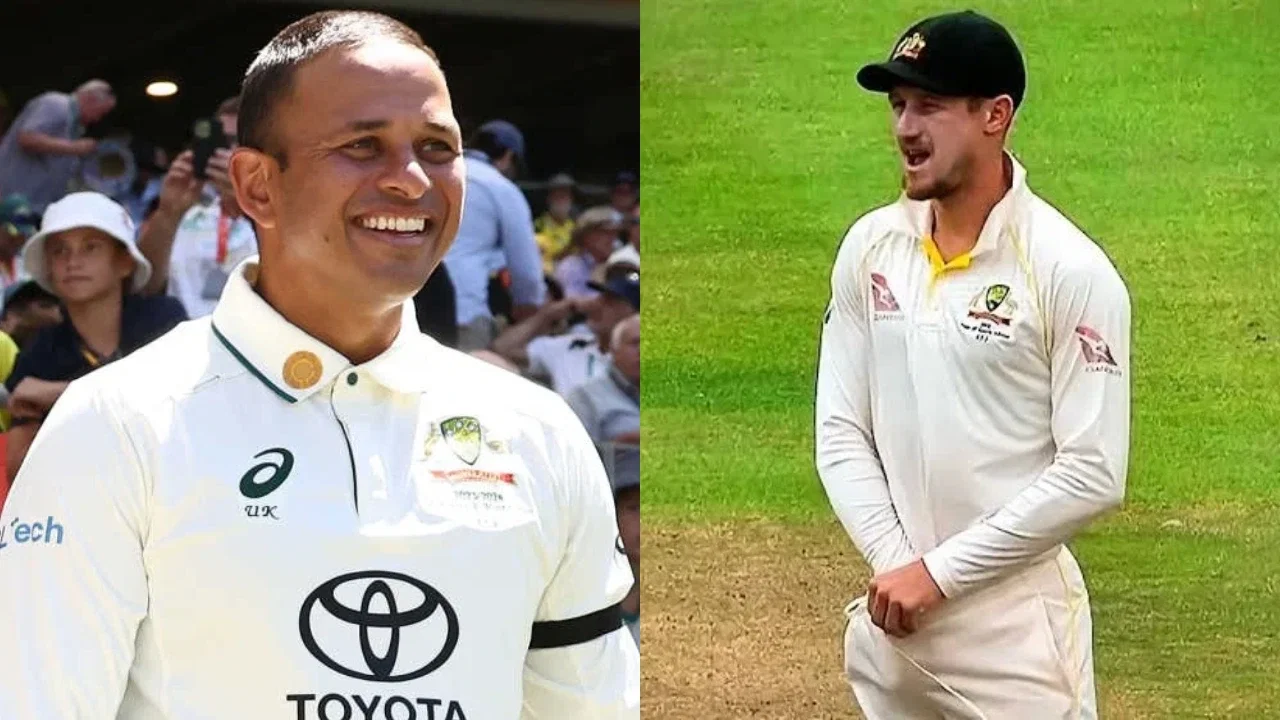
Cameron Bancroft refuses to look back as Usman Khawaja reignites Sandpapergate

Shadman Islam ruled out of South Africa tour in major blow for Bangladesh

Rajat Patidar tells BCCI to remove him from Asia Cup squad, Ayush Badoni comes in
PAK vs SL Playing 11 Today, Live Streaming, Pitch & Weather: Sri Lanka tour of Pakistan 2026, 1st Test
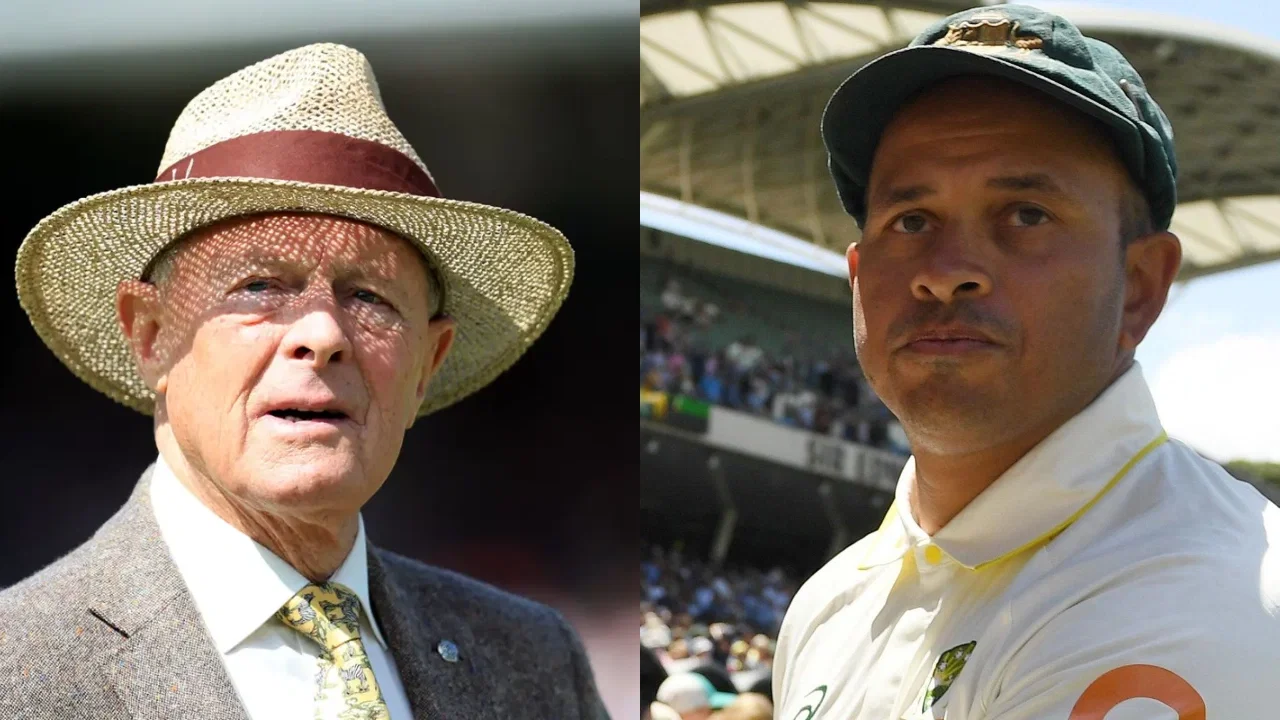
Geoffrey Boycott hits back at Usman Khawaja over Sandpapergate claims
Aaryavir Sehwag, Anvay Dravid flop hard in India vs Pakistan U19 Asia Cup clash
Babar Azam breaks silence on Mohammad Yousuf offering help on social media
Usman Khawaja’s Sandpapergate claims backed by Australia pacer part of tour
Ambati Rayudu takes a dig at New Zealand over bowling-friendly pitches after India’s 2nd ODI win