BCCI president Mithun Manhas gets relief as Jammu court rejects date-of-birth fraud complaint
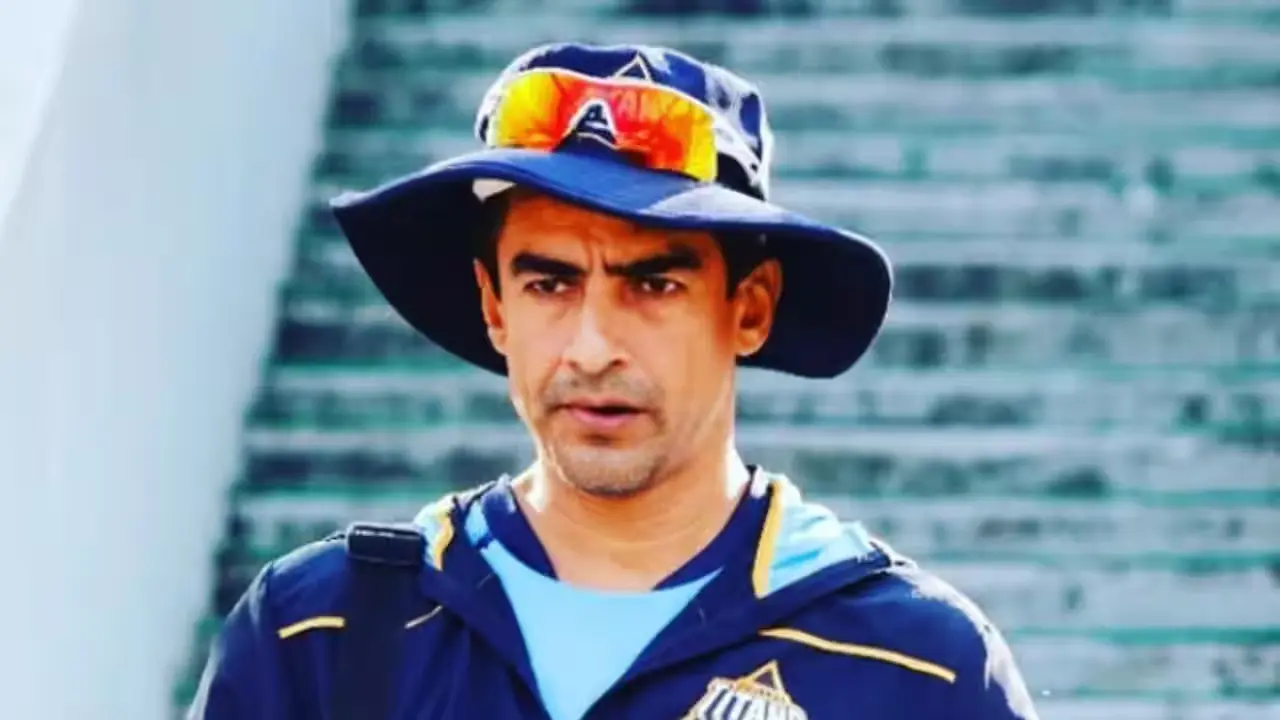
Jammu Court Rejects Plea for FIR Against BCCI President Mithun Manhas
A court in Jammu has dismissed an application seeking a criminal investigation into allegations that former cricketer and Board of Control for Cricket in India (BCCI) president Mithun Manhas used different dates of birth in cricket and other records. The magistrate found that the complaint and documents submitted did not establish a sufficient basis for registering a First Information Report (FIR).
The order was delivered on November 6 by Sandeep Singh Sen, KCS (Judicial), Special Railway Magistrate, Jammu. In reaching its decision, the court considered a police inquiry into Manhas’s educational certificates, identity documents and employment records. The inquiry found no evidence that these documents had been altered or manipulated.
The ruling does not make a broader finding about every entry associated with Manhas. Instead, it concludes that the material placed before the court was not enough to justify a criminal investigation. The magistrate also indicated that the Delhi and District Cricket Association (DDCA), which maintains the online record at issue, could be approached to verify its own information.
What the Complaint Alleged
The application was filed in August by Sudershan Mehta, a retired senior deputy superintendent of police and former joint honorary secretary of the Jammu and Kashmir Cricket Association (JKCA). He asked the court to direct police to register an FIR under Section 175(3) of the Bharatiya Nagarik Suraksha Sanhita (BNSS), 2023.
Mehta alleged that Manhas had used two dates of birth while seeking selection for national sub-junior and junior cricket tournaments associated with the JKCA and the DDCA. He argued that the alleged discrepancy could involve fraud, cheating or forgery, and cited provisions of the Indian Penal Code along with their corresponding sections under the Bharatiya Nyaya Sanhita (BNS), 2023.
Among the material cited by the complainant was an email attributed to Maharaja Hari Singh Agriculture Collegiate (MHAC) School in Nagbani. According to the complaint, the school information listed Manhas’s date of birth as December 9, 1977. Mehta contrasted that date with an entry on the DDCA website that reportedly showed October 12, 1979.
Mehta also told the court that earlier representations to Nowabad police station and the Jammu city police had not resulted in action. He maintained that the alleged difference warranted a formal investigation and sought an FIR under provisions relating to cheating and forgery.
Police Inquiry Examined Education and Identity Records
After receiving the application, the court asked the Station House Officer of Nowabad police station to submit a factual inquiry report. Police reviewed Manhas’s Central Board of Secondary Education (CBSE) records, including his certificate and mark sheet, as well as his PAN card, Aadhaar card and employment information from the Oil and Natural Gas Corporation (ONGC).
The inquiry reported that those records consistently listed September 12, 1977, as Manhas’s date of birth. It also found no indication that he had received an unfair benefit or concession in junior-level cricket because of the alleged discrepancy.
That finding was central to the court’s assessment. A difference between two online or documentary entries may call for clarification, but the magistrate said the existence of a discrepancy alone does not prove that anyone created or used a forged document. To establish a criminal offence, the evidence must point to the making or use of a false document with dishonest or fraudulent intent.
Why the Court Said the Evidence Was Not Enough
The magistrate noted that Mehta’s case relied largely on a photocopy of information downloaded from the DDCA website. The complainant had not produced an original or authenticated document from the association showing that Manhas had submitted a fabricated birth certificate or knowingly provided false information.
In its order, the court observed that “mere discrepancy in two entries, without anything more, cannot ipso facto lead to an inference of forgery or fabrication.” It said the online DDCA entry needed to be verified by the association itself and could not, on its own, establish that age records had been manipulated.
The magistrate also considered the consistency of the records examined by police. The CBSE documents, together with the ONGC, PAN and Aadhaar records, all showed September 12, 1977. The inquiry did not identify evidence that Manhas had deliberately misrepresented his age or secured an unlawful advantage in cricket selection.
The court further explained that an order for investigation under Section 175(3) of the BNSS is a judicial decision, not a routine step that should follow every allegation. The provision, it said, should not be used mechanically to resolve personal grievances or to launch a criminal inquiry based only on unverified assumptions or information downloaded from a website.
Application Dismissed, but DDCA Verification Remains an Option
After reviewing the complaint and the police report, the court concluded that Mehta had not established a prima facie case of a cognizable offence. It also found that the application did not demonstrate what specific legal right had been affected or what injury the complainant had suffered. The plea seeking an FIR was therefore dismissed as lacking sufficient merit.
However, the magistrate did not prevent Mehta from raising his concerns with the DDCA. The court said the association was the appropriate body to check the accuracy and origin of its own records and could take action under the law if verification warranted it.
What the Ruling Means
The decision highlights the distinction between a record discrepancy and proof of criminal conduct. An inconsistency can prompt an administrative review, especially when it concerns eligibility or historical sports records, but a criminal case generally requires evidence of a false document, knowledge and intent, or a demonstrable attempt to obtain an improper benefit.
For sports administrators, the case also underscores the importance of maintaining clear, authenticated records and having a reliable process for correcting errors in online databases. Website entries can be useful reference points, but the ruling suggests they may not be enough on their own to establish fraud without supporting documents and verification from the organization responsible for the record.
There was no finding in the order that the DDCA entry was accurate or inaccurate; the court’s conclusion was narrower: the evidence presented did not justify directing police to register an FIR. Any further clarification would depend on the association’s review and the records available to it.
For readers following the case, the immediate prediction is that the dispute may move, if at all, through an administrative request to the DDCA rather than a court-ordered criminal investigation. The association’s response, if one is sought, would be the next relevant step in determining whether the online entry requires correction or further explanation.
Latest News
BCCI president Mithun Manhas gets relief as Jammu court rejects date-of-birth fraud complaint
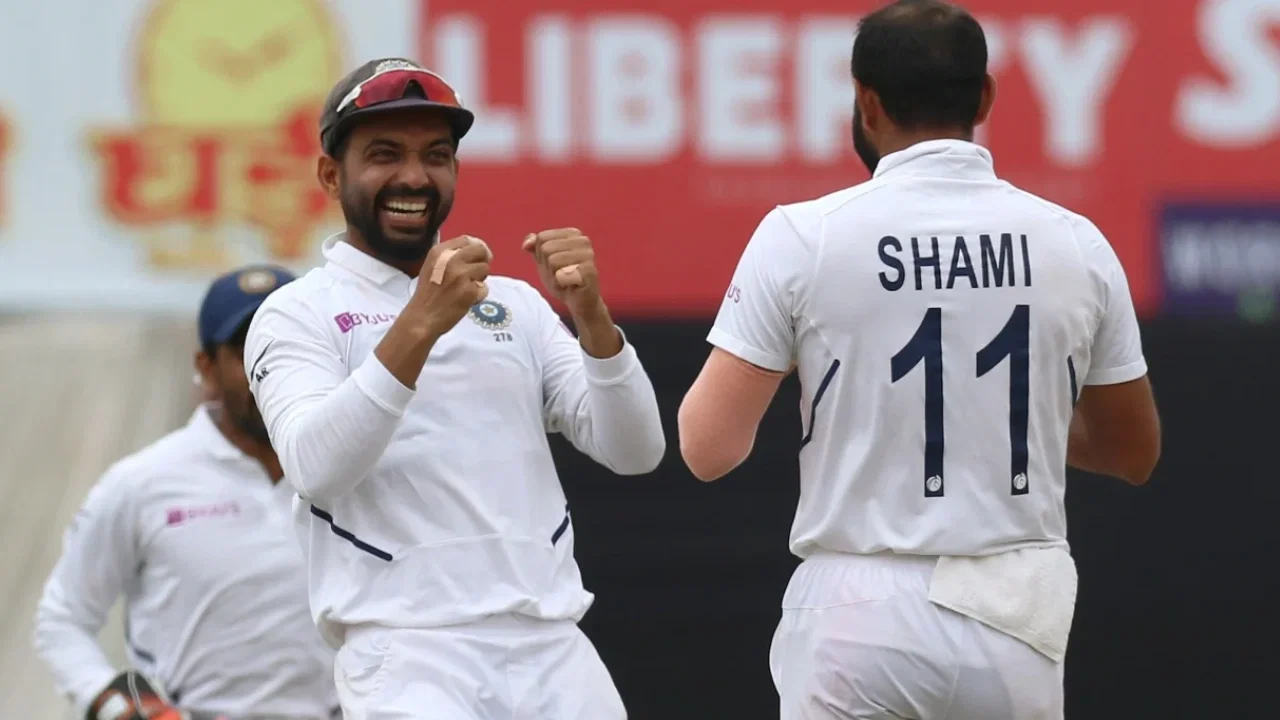
Ajinkya Rahane reveals Mohammed Shami’s unusual recovery routine after a match

Mitchell Santner praises Indian bowlers after New Zealand collapse in 2nd ODI

“The last two shots don’t look well”: Shubman Gill slams India batters after 2nd ODI win
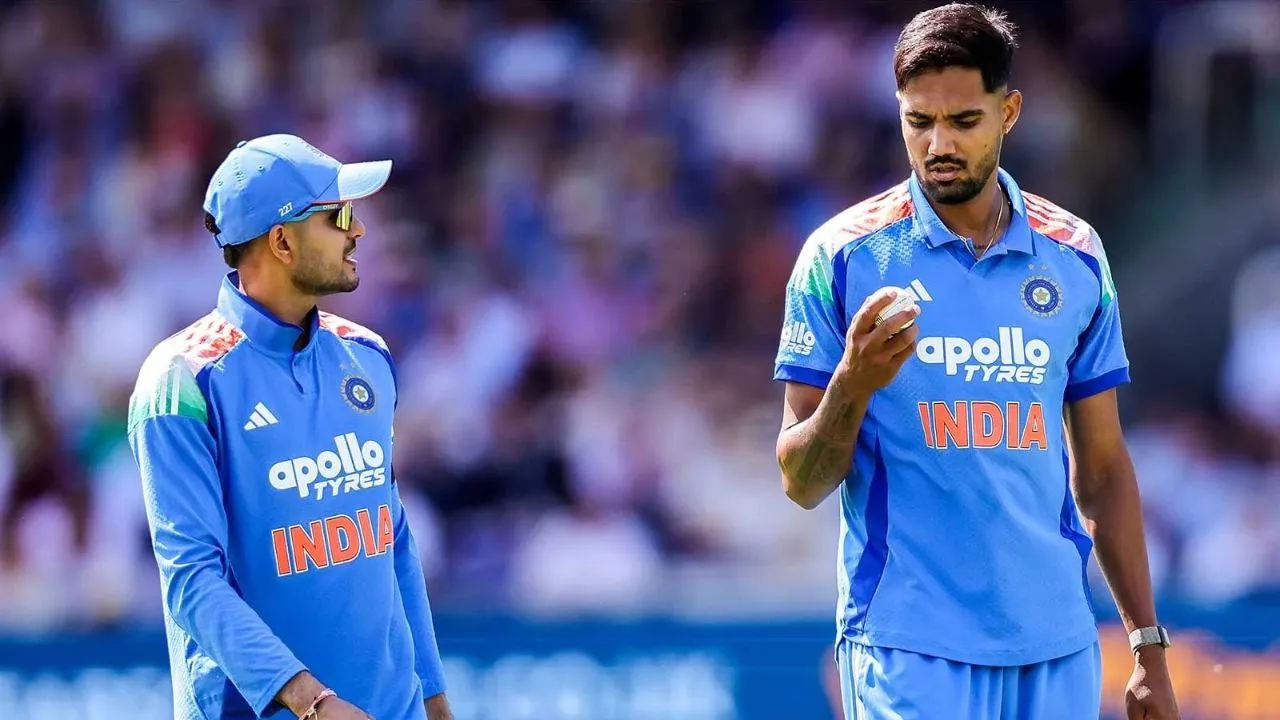
Gurnoor Brar credits Shubman Gill for backing him after POTM performance against New Zealand
‘All wanted you to have a comeback’: Laxmi Ratan Shukla disappointed over Mohammed Shami’s retirement
Mohammed Shami’s top 3 greatest performances in Test cricket
Madhya Pradesh name Rajat Patidar captain for SMAT 2026-27
Murali Kartik highlights repeated batting mistakes despite India taking 2-0 lead against New Zealand
England suffer injury blow as Josh Tongue is ruled out of white-ball series against Australia
Watch: Gurnoor Brar and Daryl Mitchell involved in heated exchange during 2nd ODI

Mohsin Khan to leave LSG? Two IPL franchises show interest
Not India! Harshit Rana to make comeback for this team, date revealed
Virat Kohli breaks Ricky Ponting’s all-time ODI record against New Zealand