Geoffrey Boycott hits back at Usman Khawaja over Sandpapergate claims
Usman Khawaja’s Sandpapergate Claims Reopen Debate Over Australia’s Cape Town Scandal
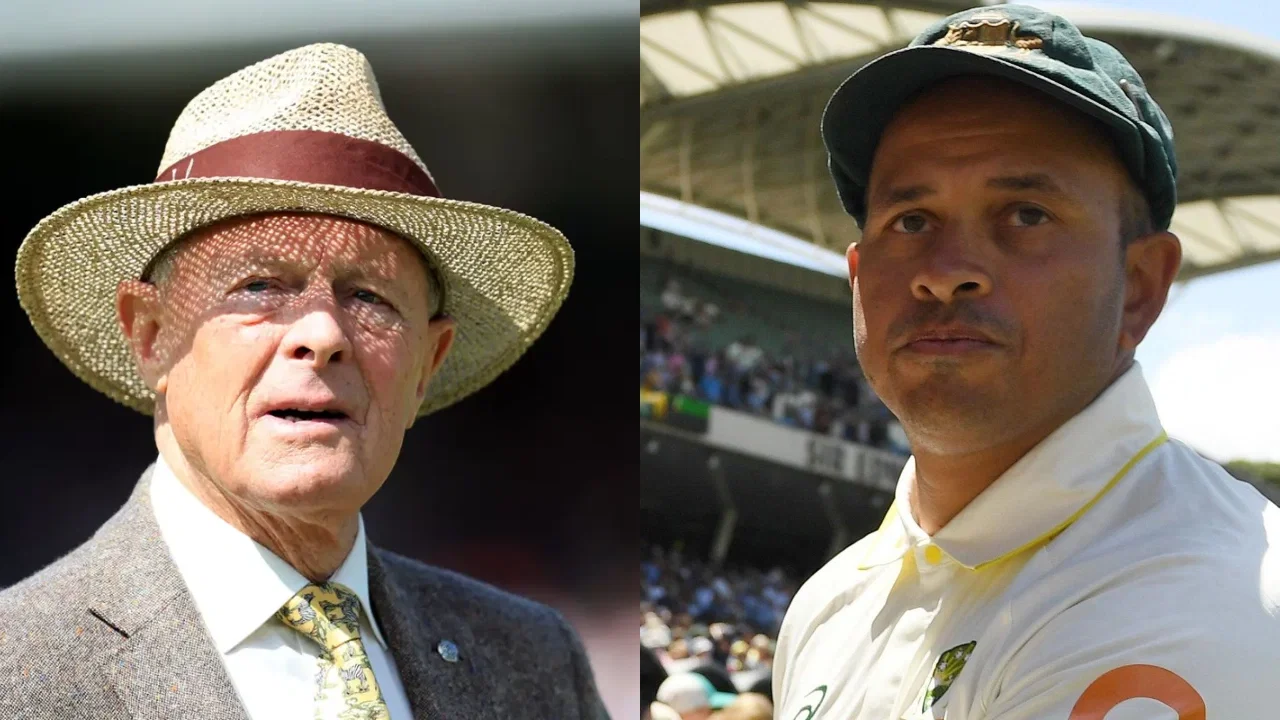
Former Australia opener Usman Khawaja has reignited one of cricket’s most enduring controversies, making fresh claims about the 2018 ball-tampering scandal in Cape Town. As attention turns to his forthcoming autobiography, Khawaja has suggested that knowledge of the plan extended beyond the three players who faced formal sanctions.
The allegations have prompted a sharp response from England great Sir Geoffrey Boycott, who questioned how an entire team could have been aware of wrongdoing without anyone objecting. The renewed dispute has revived questions about responsibility, team culture and what really happened during the Test against South Africa.
What was Sandpapergate?
The scandal unfolded during the third Test between Australia and South Africa in Cape Town in March 2018. Television footage showed Cameron Bancroft handling a small piece of yellow sandpaper near the ball. He was later seen attempting to conceal it, and the incident quickly became known as “Sandpapergate.”
Investigations by Cricket Australia resulted in suspensions for captain Steve Smith, vice-captain David Warner and Bancroft. Smith and Warner received 12-month bans, while Bancroft was suspended for nine months. The episode also led to significant changes in Australia’s leadership and left a lasting mark on the players and the national team’s reputation.
Although the penalties were imposed on those three players, debate has continued over whether the plan was confined to them or reflected a wider awareness within the team. Khawaja’s latest account has brought that unresolved question back into focus.
Khawaja’s account of the team’s discussion
In excerpts attributed to his autobiography, Khawaja describes a conversation about altering the ball as the players prepared to take the field. He says Warner indicated that he could not take part because he was being closely watched. Khawaja, by his account, had no intention of doing it and did not expect another player to volunteer.
Khawaja claims Bancroft then offered to handle the task. He portrays the younger opener as someone who may have wanted to fit in and was familiar with ball-tampering practices from his experience in domestic cricket. Khawaja also alleges that Bancroft had a lengthy discussion with then-head coach Darren Lehmann before the incident.
Lehmann has rejected Khawaja’s claims about his involvement. That denial underscores the difficulty of establishing a definitive account years after the event, particularly when recollections differ and the people involved have had time to reflect on the consequences.
Khawaja’s comments also raise a broader issue: whether players in domestic and international cricket once viewed ball maintenance practices more casually than the rules allowed. His suggestion that such conduct was common is a serious allegation, but it should not be treated as proof that every team or player engaged in illegal ball-tampering. The distinction between legal ball management and deliberately altering the ball is central to understanding the controversy.
Boycott asks why no one objected
Boycott responded to the claims in a post on X on November 7. Rather than accepting the idea that the whole team knew about the plan, he challenged Khawaja to explain why no player stopped it or refused to be involved.
“I would like to ask Khawaja to explain how the whole team got to the point of wanting to cheat without somebody or some player saying this is not right and refusing to be a part of it,” Boycott wrote.
His question shifts the debate from who may have known about the plan to how a team environment could allow it to proceed. If several players were aware, Boycott’s argument suggests, someone might reasonably have been expected to speak up. If they were not aware, then the claim that the entire team was involved requires further explanation.
That tension is at the heart of the renewed discussion. Khawaja’s version points toward a wider circle of awareness, while Boycott’s response highlights the difference between hearing a conversation, understanding what is being proposed and actively participating in misconduct.
Why the claims matter now
The timing of Khawaja’s account has helped bring Sandpapergate back into the headlines. Autobiographies often offer athletes an opportunity to revisit difficult moments from their careers, but they can also prompt fresh scrutiny—especially when they include claims that challenge the accepted public narrative.
For Australian cricket, the scandal was more than a breach of the playing rules. It damaged public trust and raised questions about leadership, accountability and the pressure to succeed. Smith, Warner and Bancroft all faced intense criticism, while the team and its governing body had to confront the consequences of a crisis that reached well beyond the boundary.
The new allegations may also affect how fans interpret the punishment handed down at the time. However, a claim of broader awareness does not automatically establish that every player was involved or that the original investigation missed evidence. Any assessment must distinguish between Khawaja’s recollection, the responses from those named and the findings made by Cricket Australia in 2018.
Prediction: debate likely to continue
With Khawaja’s autobiography expected to provide more detail, the Sandpapergate debate is unlikely to disappear soon. Further responses from former teammates or staff could clarify parts of the story, but conflicting memories may leave some questions unresolved. The most useful next step will be careful examination of specific claims rather than broad conclusions about the entire squad.
For cricket supporters, the episode remains a reminder that sporting integrity depends not only on written rules but also on the willingness of players and staff to challenge misconduct. Boycott’s question—why nobody stopped it—will likely remain central as readers weigh Khawaja’s account against the denials and the historical record.
Eight years after Cape Town, Sandpapergate still carries consequences for the people involved and for the sport’s credibility. Khawaja’s claims have reopened the conversation, but the full picture will depend on evidence, context and responses from those whose roles have once again come under scrutiny.
Latest News
Usman Khawaja alleges Pakistani descent cost him Australia captaincy after Sandpapergate
Marketing strategy? Usman Khawaja explains why he took 8 years to address Sandpapergate
Rohit Sharma, Riyan Parag to captain MI, RR as Hardik Pandya-Arshdeep Singh switch teams

KL Rahul wins hearts with special gift for female stadium staff member after India’s win vs NZ
Watch: India-Pakistan no-handshake row continues as Lakshya Raichandani snubs Farhan Yousaf
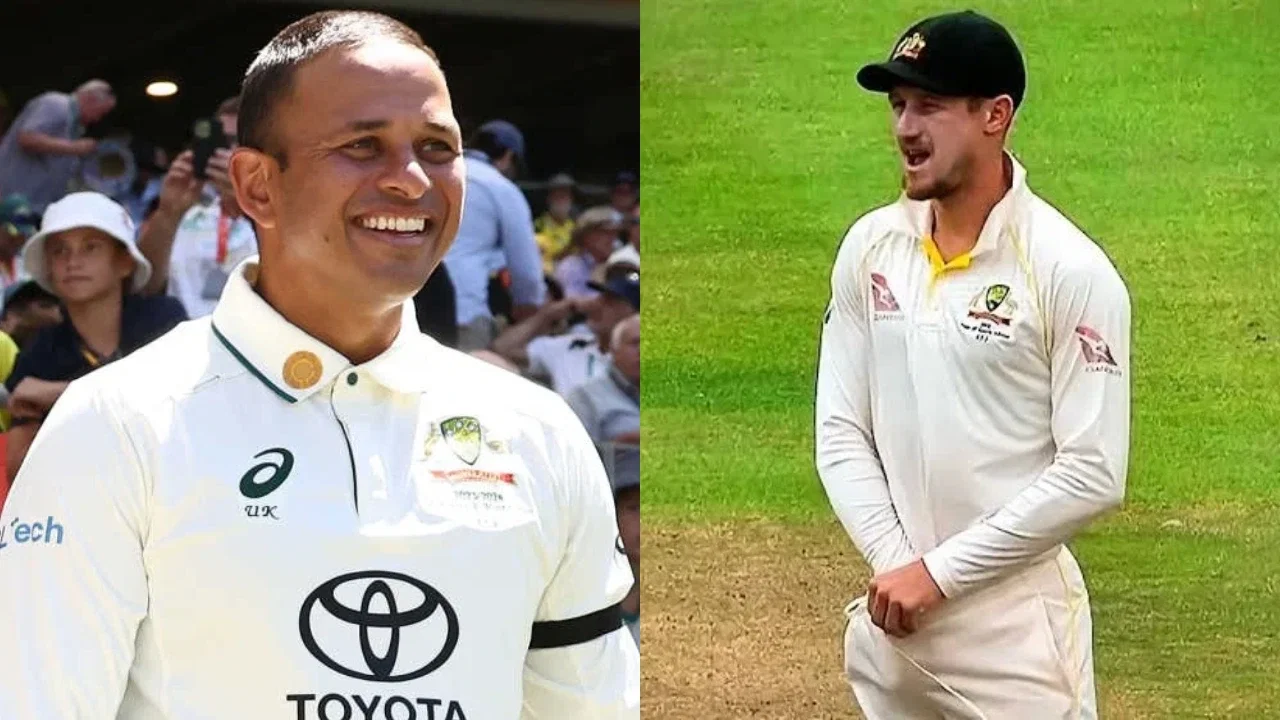
Cameron Bancroft refuses to look back as Usman Khawaja reignites Sandpapergate

Shadman Islam ruled out of South Africa tour in major blow for Bangladesh

Rajat Patidar tells BCCI to remove him from Asia Cup squad, Ayush Badoni comes in
PAK vs SL Playing 11 Today, Live Streaming, Pitch & Weather: Sri Lanka tour of Pakistan 2026, 1st Test
Geoffrey Boycott hits back at Usman Khawaja over Sandpapergate claims
Aaryavir Sehwag, Anvay Dravid flop hard in India vs Pakistan U19 Asia Cup clash
Babar Azam breaks silence on Mohammad Yousuf offering help on social media
Usman Khawaja’s Sandpapergate claims backed by Australia pacer part of tour
Ambati Rayudu takes a dig at New Zealand over bowling-friendly pitches after India’s 2nd ODI win