Marketing strategy? Usman Khawaja explains why he took 8 years to address Sandpapergate
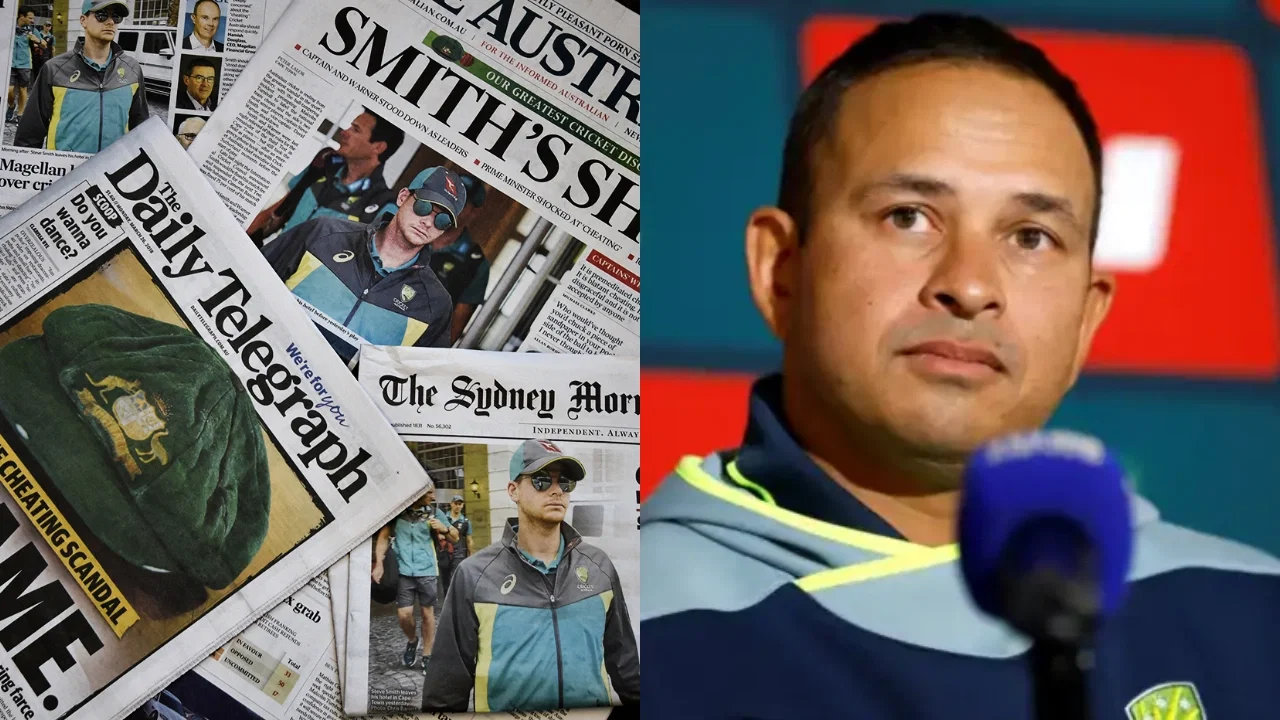
Usman Khawaja Says Sandpapergate Was a Team Failure, Not Just the Work of Three Players
Former Australia opener Usman Khawaja has reignited debate over the 2018 Sandpapergate scandal, arguing that responsibility for the ball-tampering episode extended beyond the three players who were punished. As he prepares to release his autobiography, Khawaja says the controversy should be understood as a broader team failure—while stressing that he is not trying to shift blame onto anyone else.
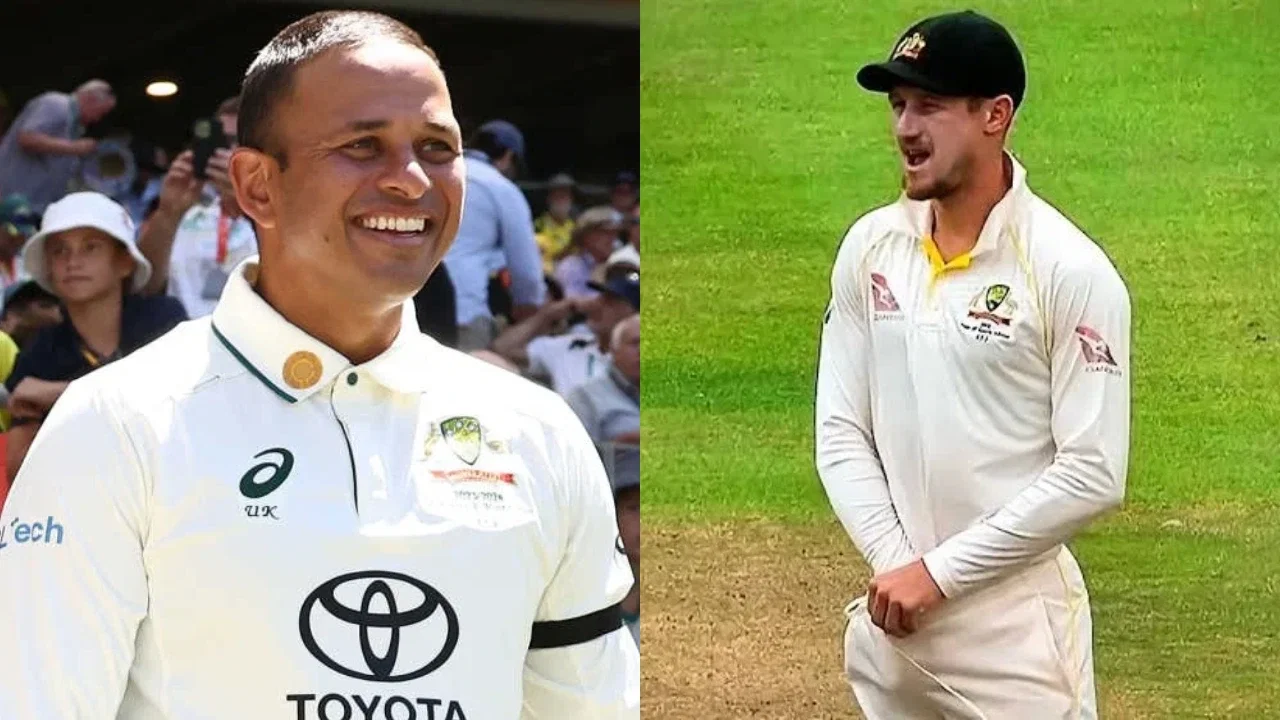
The comments have renewed attention on one of the most damaging episodes in modern Australian cricket. The scandal unfolded during a Test against South Africa in Cape Town, when Cameron Bancroft was caught on camera using sandpaper to alter the ball’s surface. An investigation led to bans for Bancroft, then captain Steve Smith and vice-captain David Warner.
What Khawaja Meant by “It Was All of Us”
Khawaja’s initial remarks suggested that the incident involved a wider culture of responsibility than the official sanctions alone might indicate. He said, “It was all of us. Not the batters, not the bowlers, not the staff. All of us.” The statement quickly prompted questions about whether he was alleging that other players knew about the plan or took part in the ball tampering.
In a follow-up post on Instagram, Khawaja clarified that he was speaking about collective accountability, not claiming that every member of the touring party had directly participated in or known about the act. He explained that, regardless of whether individuals supported the decision, the team as a whole had to confront what had happened and the environment in which it occurred.
“When I mentioned it was all of us, that’s implying that whether we like it or not, we’re all responsible for what happened together as a team,” Khawaja wrote. He added that he had not “thrown anyone under the bus” and said the three players who were punished had taken the blame on behalf of the wider group.
That distinction matters. Khawaja’s comments do not change the findings of the investigation or establish that additional players were involved. Instead, they raise a familiar question in team sport: how should responsibility be divided between those who commit an offence and the wider organisation whose standards, communication and leadership shape the culture around them?
A Scandal That Reshaped Australian Cricket
Sandpapergate became a defining crisis for Australian cricket. The footage of Bancroft attempting to rough up the ball drew immediate scrutiny, and the subsequent investigation brought serious consequences. Smith and Warner each received lengthy suspensions from international and domestic cricket, while Bancroft was also banned. Smith stepped down as captain, and the episode triggered a public reckoning over the team’s conduct and reputation.
The fallout extended beyond the bans. Australian cricket faced criticism at home and abroad, while players and administrators were pressed to explain how the incident had occurred and what would change. The episode also intensified debate about the pressures of elite competition, the role of leadership and the importance of clear ethical boundaries—especially in a sport where the condition of the ball can influence a match.
Khawaja’s team-wide framing adds another layer to that discussion. It suggests that accountability can be broader than the question of who physically carried out an action. At the same time, collective responsibility should not erase individual responsibility: the players directly involved faced formal consequences, while broader reflections concern the team environment and the lessons drawn from the scandal.
Why Khawaja Is Speaking About It Now
Khawaja has devoted a chapter of his forthcoming autobiography to the Cape Town Test and its aftermath. The timing of his renewed comments—just ahead of the book’s release—has led some observers to wonder whether the controversy is being revisited to generate interest in the publication.
Khawaja has rejected that interpretation. He says he had wanted to speak about the issue earlier, but circumstances made it difficult. In the immediate aftermath, Smith took responsibility in public and addressed the media. Khawaja also recalled that he was still part of the national team and was unsure how to discuss the episode without complicating an already sensitive situation.
He said he came close to speaking publicly again in 2021, after several Australian players—including Pat Cummins, Mitchell Starc, Josh Hazlewood and Nathan Lyon—said they had not known about the ball-tampering plan. Khawaja acknowledged that he hesitated at the time, saying he did not know how to address the matter while still involved with the team.
That explanation highlights the challenge faced by players who want to discuss a controversial event while their careers, teammates and the institution itself remain closely connected to it. Speaking can be interpreted as accusation; staying silent can leave questions unanswered. Khawaja’s autobiography gives him space to revisit the episode with the benefit of time and distance.
What This Means for the Sandpapergate Debate
Khawaja’s remarks are unlikely to end disagreement over what happened in Cape Town. Rather, they shift the focus from the established disciplinary record toward the wider lessons of the scandal. His central point is that a team cannot treat a major breach of conduct as an isolated problem if its members believe the surrounding culture also deserves scrutiny.
For cricket fans, the renewed conversation offers a chance to consider how teams build trust and uphold standards under pressure. A strong culture depends not only on written rules but also on leadership, honest communication and the willingness to challenge behaviour that crosses a line. Those themes remain relevant across international sport, where the pursuit of results can test both individual judgment and collective values.
Khawaja, who represented Australia in 88 Test matches, has not presented his comments as a new accusation against Smith, Warner, Bancroft or other former teammates. His clarification instead emphasizes shared reflection while recognising that the three sanctioned players bore the formal consequences. As readers await the autobiography, the latest Sandpapergate discussion is less a fresh verdict than an invitation to reconsider how responsibility, leadership and team culture intersect in one of Australian cricket’s most consequential controversies.
For anyone seeking a prediction about whether the debate will fade, Khawaja’s book may ensure that Sandpapergate remains part of cricket’s public conversation. Its lasting significance lies not only in the act that was caught on camera, but also in the questions it continues to raise about accountability and the standards teams expect of themselves.
Latest News
Usman Khawaja alleges Pakistani descent cost him Australia captaincy after Sandpapergate
Marketing strategy? Usman Khawaja explains why he took 8 years to address Sandpapergate

Rohit Sharma, Riyan Parag to captain MI, RR as Hardik Pandya-Arshdeep Singh switch teams

KL Rahul wins hearts with special gift for female stadium staff member after India’s win vs NZ

Watch: India-Pakistan no-handshake row continues as Lakshya Raichandani snubs Farhan Yousaf
Cameron Bancroft refuses to look back as Usman Khawaja reignites Sandpapergate

Shadman Islam ruled out of South Africa tour in major blow for Bangladesh

Rajat Patidar tells BCCI to remove him from Asia Cup squad, Ayush Badoni comes in
PAK vs SL Playing 11 Today, Live Streaming, Pitch & Weather: Sri Lanka tour of Pakistan 2026, 1st Test
Geoffrey Boycott hits back at Usman Khawaja over Sandpapergate claims

Aaryavir Sehwag, Anvay Dravid flop hard in India vs Pakistan U19 Asia Cup clash
Babar Azam breaks silence on Mohammad Yousuf offering help on social media
Usman Khawaja’s Sandpapergate claims backed by Australia pacer part of tour

Ambati Rayudu takes a dig at New Zealand over bowling-friendly pitches after India’s 2nd ODI win