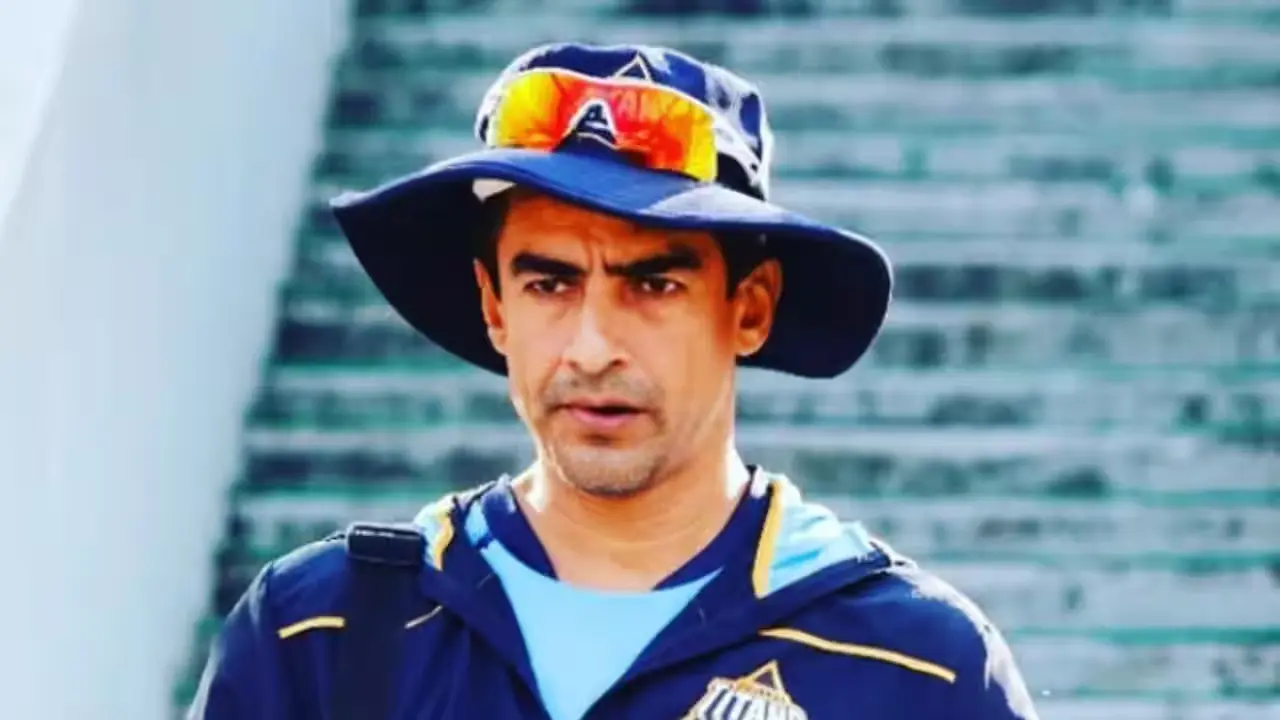
Usman Khawaja’s Sandpapergate claims backed by Australia pacer part of tour
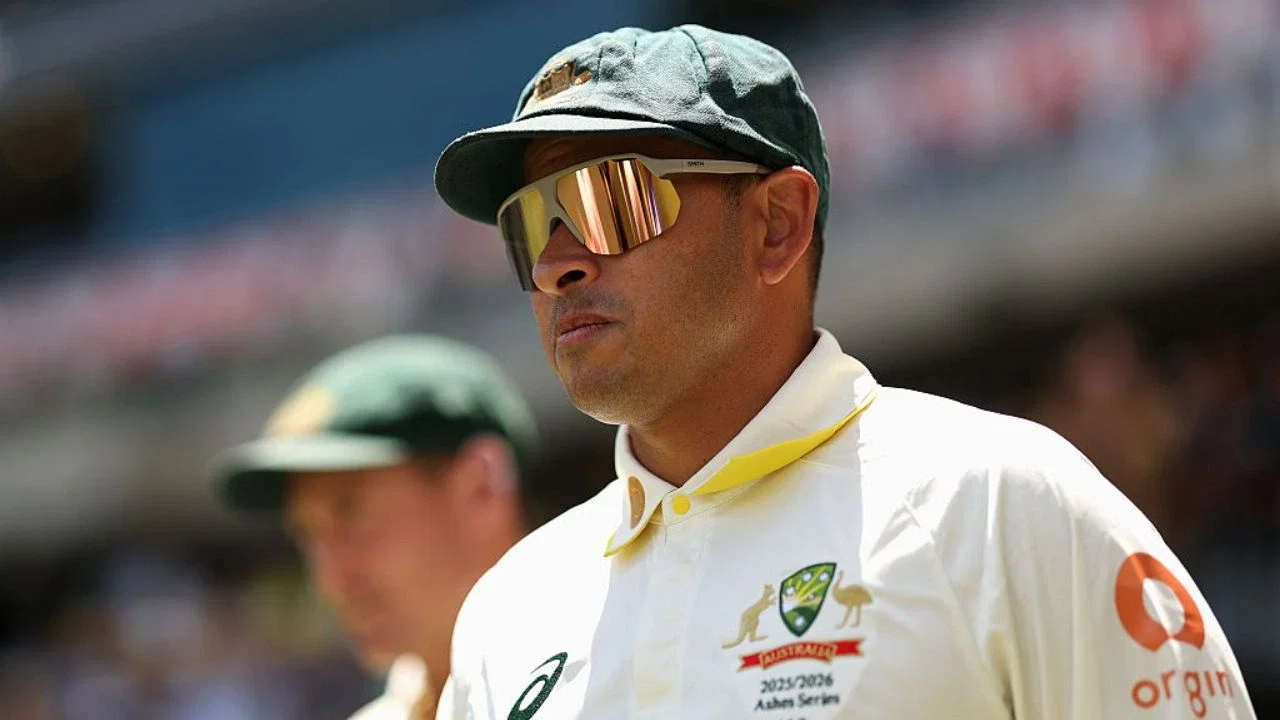
Sandpapergate Returns to the Spotlight as Usman Khawaja’s Claims Divide Former Australia Players
Australia’s ball-tampering scandal has resurfaced after former opener Usman Khawaja said the 2018 Sandpapergate incident was not limited to the three players who received suspensions. Khawaja’s comments have prompted a fresh debate about what the team knew, who was responsible, and why the issue was not discussed more openly at the time.
Former Australia fast bowler Chadd Sayers has backed the substance of Khawaja’s account, while questioning why he did not speak up during the 2018–19 season. Former pacer Mitchell Johnson has also said it is difficult to believe that only three people knew about the plan to alter the ball. Their remarks have renewed scrutiny of an episode that continues to shape Australian cricket’s public image.
What Khawaja Said About the 2018 Scandal
Khawaja’s comments came as he prepared to release his autobiography, Sabr. In an interview with Nine, he said the use of sandpaper began before the infamous Test in Cape Town, during the preceding Test in Gqeberha, then known as Port Elizabeth. He also said Cricket Australia interviewed him about the matter, despite his close association with Cameron Bancroft.
Most strikingly, Khawaja suggested that knowledge of the ball-tampering plan extended beyond the three players who were formally punished. “It was all of us,” he said, adding that the issue was not simply a matter of batters, bowlers or staff acting separately.
That account challenges the widely understood version of events, in which Bancroft was caught on camera attempting to alter the ball with a piece of sandpaper during the Cape Town Test, while captain Steven Smith and vice-captain David Warner were identified as having roles in the plan. The scandal led to lengthy suspensions for all three, along with significant reputational consequences.
Chadd Sayers Supports the Account but Questions the Timing
Sayers, who was part of Australia’s touring group during the period, said Khawaja’s description was accurate. Speaking to Code Sports, he nevertheless raised a question that has become central to the reaction: if Khawaja believed the wider team knew what was happening, why did he not say so at the time?
“Everything Usman says in his article is accurate, but if he felt so strongly about it, why didn’t he say something at the time?” Sayers said.
The distinction matters. Supporting the details of Khawaja’s account does not necessarily mean agreeing with the timing of its disclosure. The comments arrive years after the initial investigation and disciplinary process, when the players involved have already served their bans and the team has undergone major changes. That gap is likely to fuel questions about whether the new claims can be independently verified and why they are emerging now.
Mitchell Johnson Says the Three-Player Explanation Is Hard to Accept
Johnson has also argued that the idea of only three players knowing about the ball tampering does not fit his understanding of how professional cricket works. In a written commentary, he compared a cricket ball to a batter’s bat: a vital piece of equipment that players monitor closely throughout a match.
“The idea that a ball could be scuffed with sandpaper and the bowlers wouldn’t notice didn’t make sense to me,” Johnson wrote. He said his instinct had long been that more than three people knew what was happening, and expressed disappointment at the possibility that teammates might have allowed a small group to take the blame.
Johnson also raised a more difficult question: if Khawaja’s account is correct, why did the rest of the team remain silent while Smith, Warner and Bancroft faced suspensions and public criticism? He noted that the players lost leadership positions and endured intense scrutiny, while the wider team continued playing. Whether anyone else was directed to stay quiet, Johnson said, is a separate issue—and one that is difficult to prove years later.
Why the Sandpapergate Debate Still Matters
The controversy remains significant because it was not only about an attempt to change the condition of the ball. It became a test of Australia’s standards, leadership and accountability. The incident prompted Cricket Australia to conduct an investigation, brought unprecedented attention to player conduct, and led to public apologies from those directly involved.
Khawaja’s claim reopens the question of whether the disciplinary response captured the full extent of the team’s knowledge. But it is important to distinguish between a player’s recollection and an established finding. His comments have not, by themselves, changed the official record or demonstrated that additional players participated in the plan. Any broader conclusion would require corroborating evidence, including records from the original investigation or accounts from other people present.
The debate also highlights how team culture can complicate accountability. In high-pressure environments, players may be reluctant to challenge senior teammates, disclose sensitive information or contradict a version of events already presented to investigators. At the same time, silence can be interpreted as complicity, particularly when a small number of individuals bear the public consequences.
Fresh Claims Follow Australia’s Test Series Defeat
The renewed discussion comes after Australia lost its recent Test series in South Africa 2–1, a result that saw the team slip to third in the World Test Championship standings. The timing has led to speculation about whether Khawaja’s remarks are connected to the team’s current performance or broader tensions in Australian cricket. No evidence in the reported comments, however, establishes such a link.
For fans, the latest statements offer a new perspective on an event many believed had already been thoroughly examined. For former players, they raise questions about what teammates could reasonably have known by observing the ball and the conduct of those around them. For cricket authorities, the challenge is deciding whether the claims warrant further examination or whether the passage of time makes a meaningful investigation unlikely.
What Happens Next?
The immediate impact of Khawaja’s remarks is renewed public debate rather than a confirmed change to the Sandpapergate findings. Sayers’ support gives the claims added weight in the eyes of some observers, while his criticism of the delayed disclosure underscores the need to assess both the content and timing of the account. Johnson’s comments, meanwhile, reflect a long-standing suspicion among some former players that the original explanation may not have captured everything.
Any prediction about further fallout should be cautious. Unless additional witnesses or documentary evidence emerge, the central question—how many people knew about the plan—may remain contested. What is clear is that Sandpapergate continues to resonate because it touches on trust, leadership and the responsibility of teammates to speak up. Nearly seven years after Cape Town, Khawaja’s claims have ensured that Australian cricket’s most damaging modern scandal is once again under examination.
Latest News
Usman Khawaja alleges Pakistani descent cost him Australia captaincy after Sandpapergate
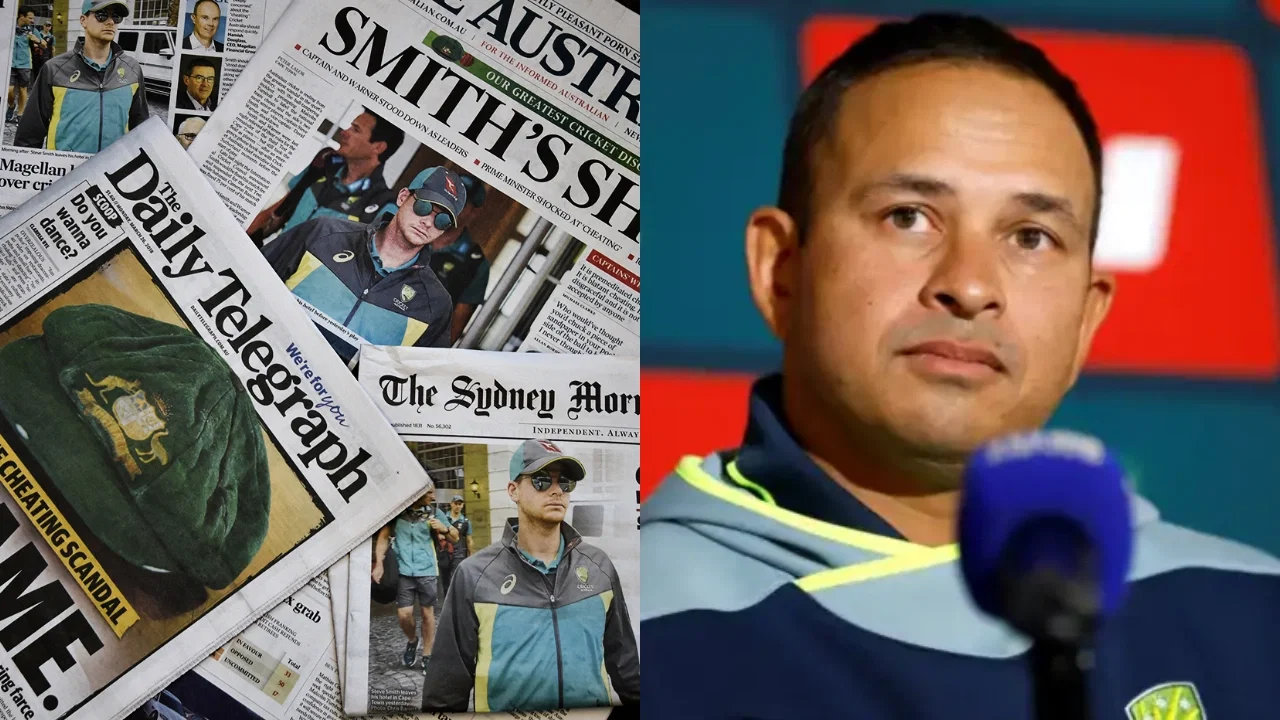
Marketing strategy? Usman Khawaja explains why he took 8 years to address Sandpapergate

Rohit Sharma, Riyan Parag to captain MI, RR as Hardik Pandya-Arshdeep Singh switch teams

KL Rahul wins hearts with special gift for female stadium staff member after India’s win vs NZ

Watch: India-Pakistan no-handshake row continues as Lakshya Raichandani snubs Farhan Yousaf
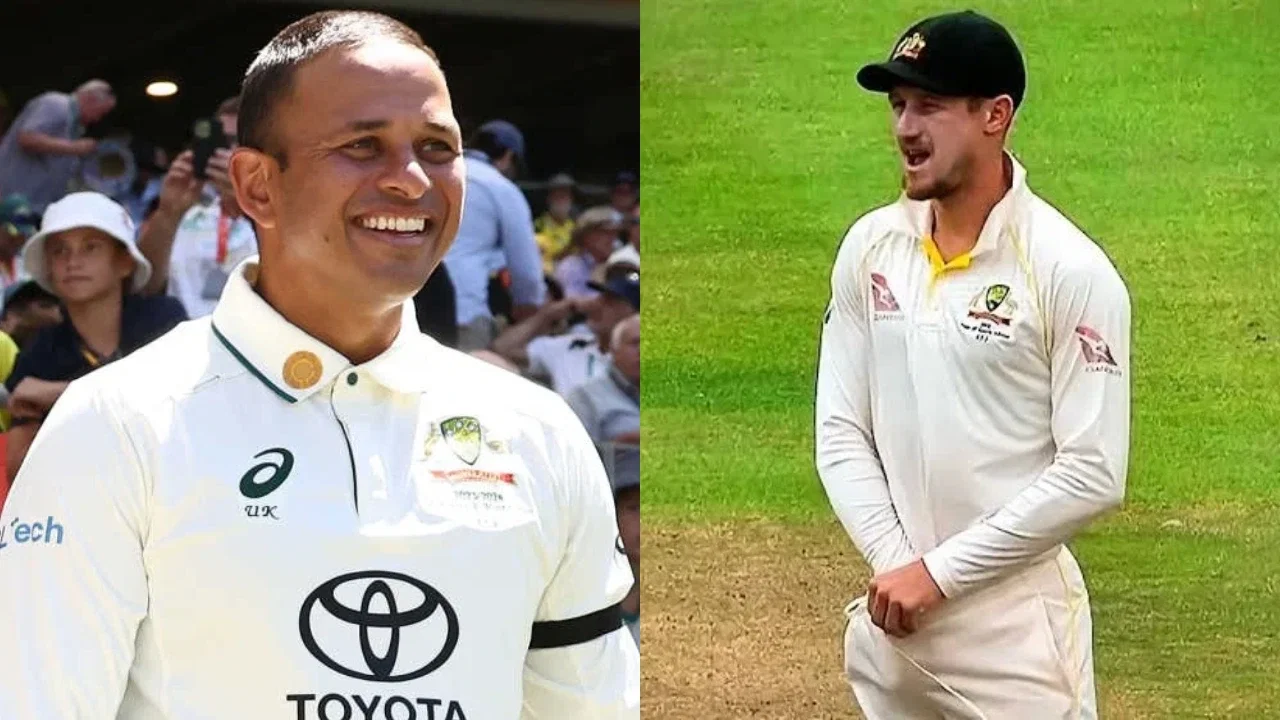
Cameron Bancroft refuses to look back as Usman Khawaja reignites Sandpapergate

Shadman Islam ruled out of South Africa tour in major blow for Bangladesh

Rajat Patidar tells BCCI to remove him from Asia Cup squad, Ayush Badoni comes in
PAK vs SL Playing 11 Today, Live Streaming, Pitch & Weather: Sri Lanka tour of Pakistan 2026, 1st Test

Geoffrey Boycott hits back at Usman Khawaja over Sandpapergate claims

Aaryavir Sehwag, Anvay Dravid flop hard in India vs Pakistan U19 Asia Cup clash
Babar Azam breaks silence on Mohammad Yousuf offering help on social media
Usman Khawaja’s Sandpapergate claims backed by Australia pacer part of tour

Ambati Rayudu takes a dig at New Zealand over bowling-friendly pitches after India’s 2nd ODI win