Babar Azam breaks silence on Mohammad Yousuf offering help on social media
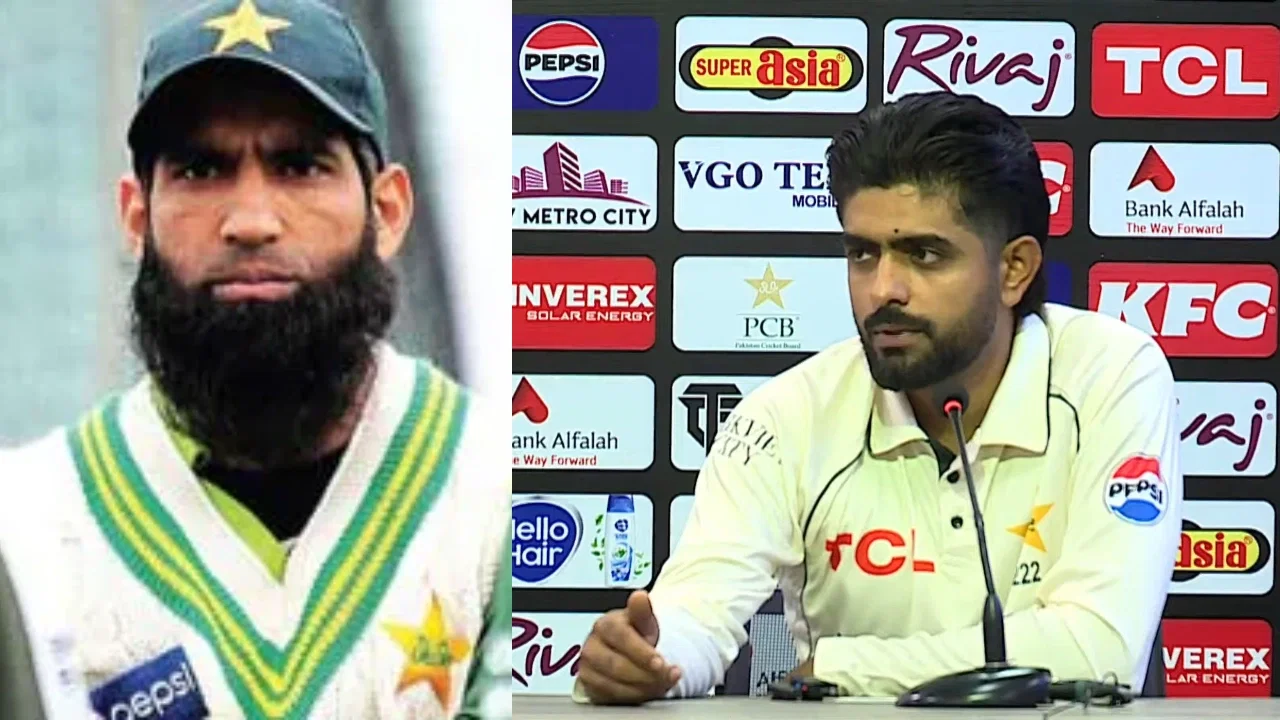
Babar Azam Responds to Mohammad Yousuf’s Advice Ahead of Pakistan–Sri Lanka Test Series
Pakistan Test captain Babar Azam has responded to former national skipper Mohammad Yousuf’s public recommendation that he seek specialist batting coaching overseas. Speaking to reporters before the opening Test against Sri Lanka in Rawalpindi, Babar said the two had not been in contact directly, but added that he would be willing to learn from Yousuf if the former batter approached him.
The exchange comes as Babar works to regain his best form and faces renewed scrutiny over his technique. Yousuf has argued that the Pakistan Cricket Board (PCB) should consider arranging focused coaching for the star batter, potentially at an academy in England or Australia. His comments followed a difficult run of performances, including Babar’s dismissal for a duck in the final of a recent tri-nation ODI series hosted by Pakistan.
Babar Says He Is Open to Advice
Asked about Yousuf’s remarks, Babar did not dismiss the suggestion. Instead, he noted that the former Pakistan captain had shared his views publicly but had not contacted him personally.
“We haven’t been in contact. He has reached out to people on social media, but not to me. If he does get in touch with me, I would certainly take the opportunity to learn from him,” Babar told reporters ahead of the first match of the two-Test series.
Babar’s response was measured, leaving the door open to a conversation while making clear that no direct discussion had taken place. The comments also highlight a broader issue in elite sport: public analysis can attract attention, but technical changes are usually most effective when a player works closely with coaches who understand their game, preparation and confidence.
What Mohammad Yousuf Recommended
Yousuf’s advice was prompted by concern about Babar’s recent form and what he believes are technical problems in the batter’s setup. In a post on X on November 1, the former Pakistan captain said he did not think Babar should immediately be pushed into first-class cricket if he was still struggling with fundamental aspects of his batting.
Yousuf suggested that specialised coaching could help Babar address those issues before a return to domestic competition. He also cautioned that a prolonged run of low scores in first-class cricket might put additional pressure on the batter and affect his confidence. At the same time, Yousuf stressed that he still considers Babar Pakistan’s leading player and believes he can return to his previous level with suitable guidance and focused work.
The recommendation reflects a familiar debate in cricket: whether a player out of form should rebuild through match practice or step away temporarily to work on technique. Domestic cricket offers competitive time in the middle, while specialist coaching can provide space to examine footwork, balance, shot selection and responses to particular types of bowling. The right approach depends on the player, the cause of the slump and the demands of the upcoming schedule.
Yousuf’s Technical Explanation of Babar’s Dismissal
Yousuf had also discussed Babar’s batting mechanics after the right-hander was dismissed against England in Lahore on October 25. In a separate social media post, he focused on Babar’s shoulder alignment when facing the ball.
According to Yousuf, Babar’s right shoulder was opening too early, rather than keeping his left shoulder aligned with the line of the delivery. He argued that this position could make it harder to judge the ball’s line and movement, particularly when facing deliveries that swing or move away. Yousuf contrasted the issue with the fluent extra-cover shots that had become a hallmark of Babar’s batting at his peak.
Such technical assessments are difficult to confirm from a single dismissal, and a batter’s performance can be affected by many factors, including form, timing, conditions and the quality of the bowling. Still, Yousuf’s comments have added to discussion about whether Babar needs a targeted adjustment or simply a period of consistent cricket to rediscover rhythm.
Form, Confidence and the Pressure on a Pakistan Star
Babar’s standing in Pakistan cricket means that every lean spell attracts intense attention. His past success across formats has raised expectations, while recent failures have prompted questions about his technique and role in the side. A duck in a high-profile final can become a major talking point, but one innings alone does not define a player’s ability or determine the best route back to form.
For a batter of Babar’s experience, the challenge is often to identify whether a technical flaw is genuinely recurring or whether the issue is temporary. Coaches may use video analysis, training drills and match footage to assess patterns, but any changes must also hold up under the pressure of international cricket. Too many adjustments at once can disrupt a player’s natural instincts; a clear, limited plan may be more useful.
The upcoming Test series against Sri Lanka therefore offers an important opportunity. Test cricket demands patience, concentration and the ability to adapt over long periods—qualities that can help a batter rebuild confidence. At the same time, the format exposes technical weaknesses because bowlers have more time to create pressure and target specific areas.
Pakistan–Sri Lanka Test Series: What to Watch
As Pakistan prepare for the Rawalpindi Test, attention will be on how Babar approaches the crease and whether he can convert time at the wicket into a substantial score. Observers will also be watching for signs of composure and decision-making, rather than judging his progress solely by one innings or a single shot.
Any prediction about Babar’s return to form remains uncertain. His record shows that he has the class to produce match-defining performances, but the timing of a recovery depends on several factors: his preparation, the conditions, Sri Lanka’s bowling plans and how effectively Pakistan’s coaching staff support him. The series could provide a useful measure of where he stands, though it is unlikely to settle every debate about his technique.
For now, Babar has indicated that he is open to learning from Yousuf, while Yousuf has made clear that his criticism is rooted in a belief that the batter can return to his best. Whether that advice leads to direct contact, specialist coaching or a focus on match practice remains to be seen. The immediate test will be on the field, where Babar will have the chance to answer the discussion with his performances.
Latest News
Usman Khawaja alleges Pakistani descent cost him Australia captaincy after Sandpapergate

Marketing strategy? Usman Khawaja explains why he took 8 years to address Sandpapergate

Rohit Sharma, Riyan Parag to captain MI, RR as Hardik Pandya-Arshdeep Singh switch teams

KL Rahul wins hearts with special gift for female stadium staff member after India’s win vs NZ

Watch: India-Pakistan no-handshake row continues as Lakshya Raichandani snubs Farhan Yousaf

Cameron Bancroft refuses to look back as Usman Khawaja reignites Sandpapergate

Shadman Islam ruled out of South Africa tour in major blow for Bangladesh

Rajat Patidar tells BCCI to remove him from Asia Cup squad, Ayush Badoni comes in
PAK vs SL Playing 11 Today, Live Streaming, Pitch & Weather: Sri Lanka tour of Pakistan 2026, 1st Test

Geoffrey Boycott hits back at Usman Khawaja over Sandpapergate claims
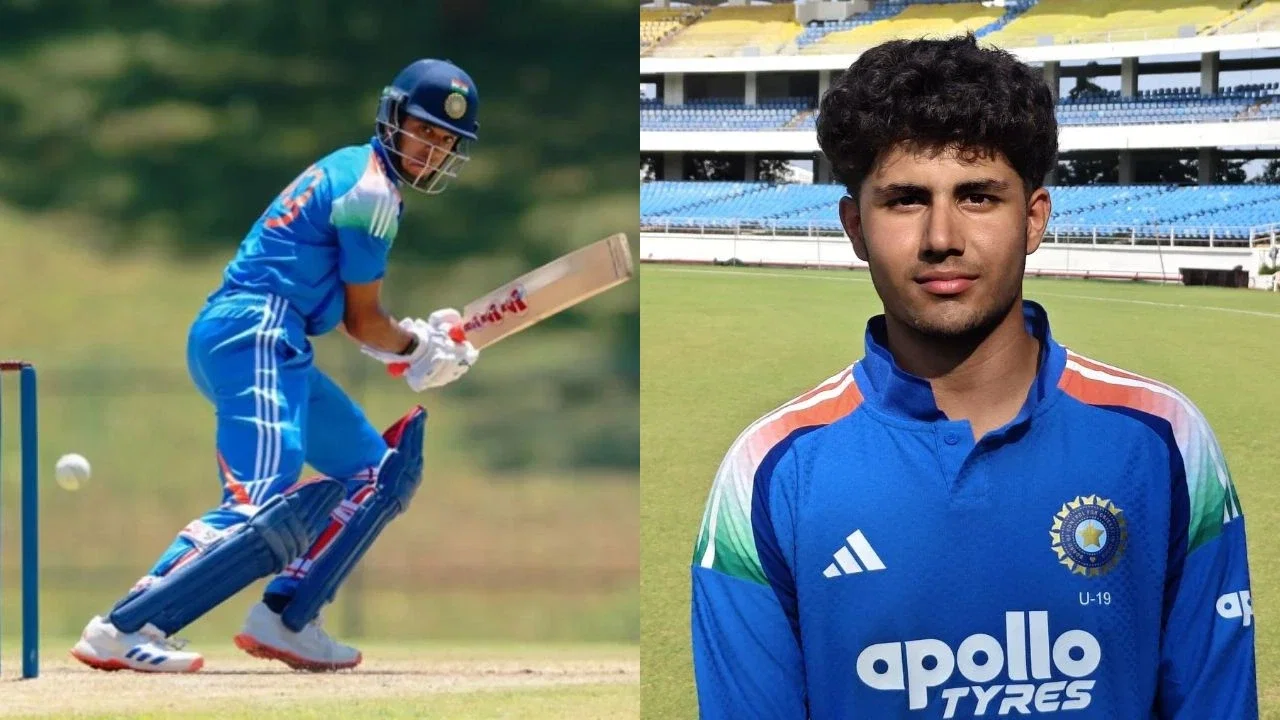
Aaryavir Sehwag, Anvay Dravid flop hard in India vs Pakistan U19 Asia Cup clash
Babar Azam breaks silence on Mohammad Yousuf offering help on social media
Usman Khawaja’s Sandpapergate claims backed by Australia pacer part of tour

Ambati Rayudu takes a dig at New Zealand over bowling-friendly pitches after India’s 2nd ODI win