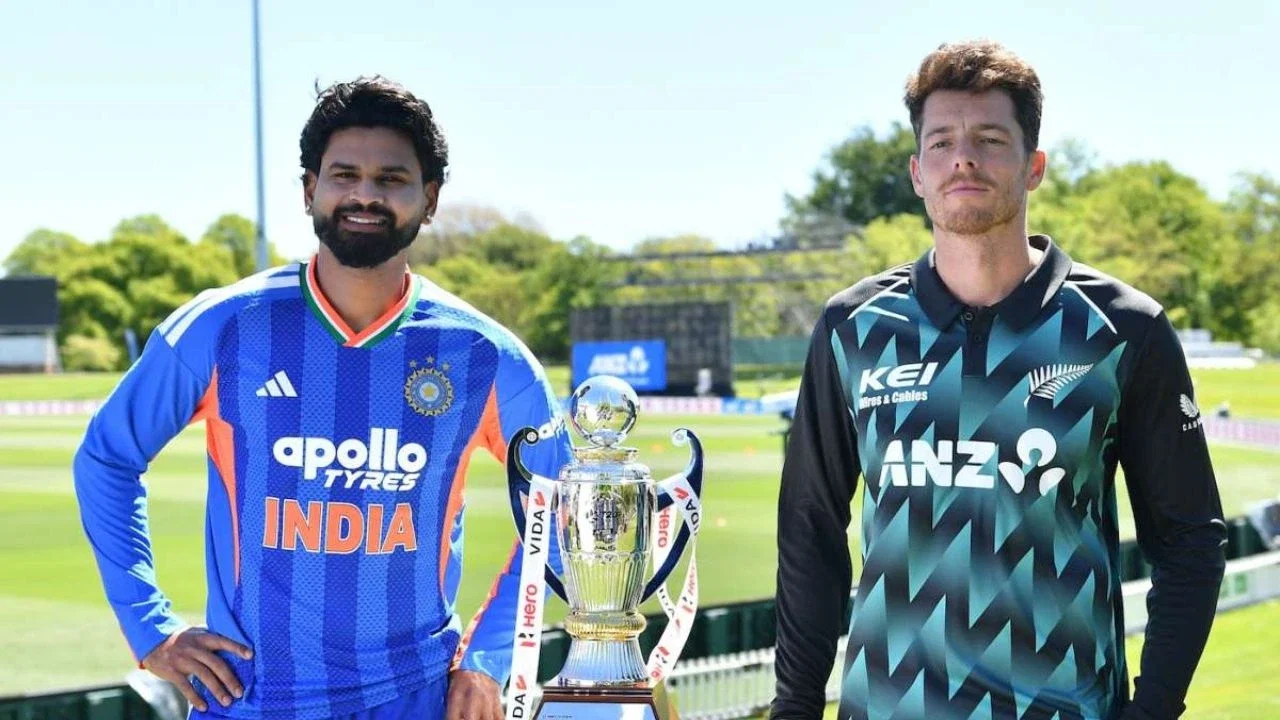
Bhuvneshwar Kumar breaks 89-match streak with first T20I no-ball against New Zealand
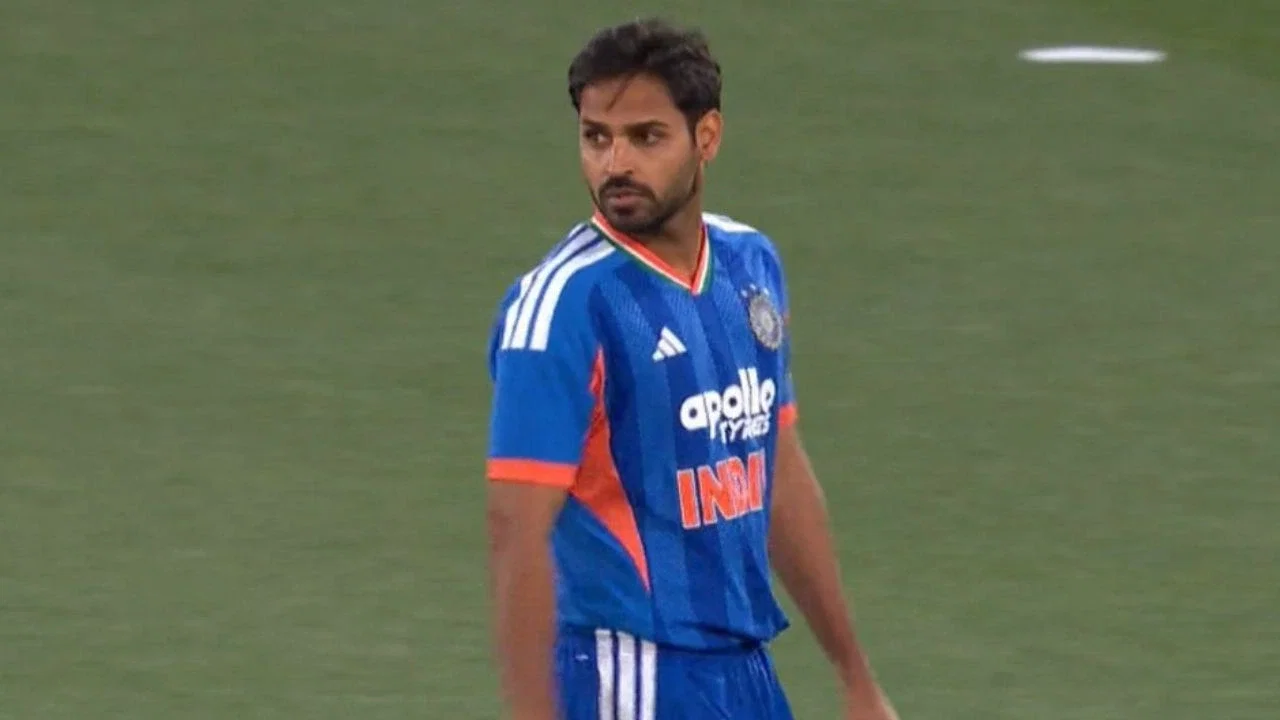
Bhuvneshwar Kumar’s Rare T20I No-Ball Ends 89-Match Streak
India fast bowler Bhuvneshwar Kumar conceded his first front-foot no-ball in T20 international cricket after 89 matches during the opening game of the five-match series against New Zealand. The unusual moment came at Hagley Oval in Christchurch on Thursday, October 22, when an overstep handed opener Tim Seifert a free hit and briefly shifted the momentum in the hosts’ favour.
The incident stood out because Bhuvneshwar is known for his control, movement and ability to deliver accurately under pressure. Though one no-ball does not change the broader picture of his career, it marked a rare lapse from a bowler who had gone through a remarkable run of T20Is without a front-foot infringement.
Early control followed by an expensive over
India captain Shreyas Iyer won the toss and chose to bowl, saying the team wanted to assess the pitch and understand how much bounce it would offer. India made two changes to the playing XI, bringing in Nitish Kumar Reddy and Mayank Yadav in place of Shivam Dube and Prince Yadav.
Bhuvneshwar opened his spell with an economical over, conceding only four runs. Three deliveries produced no runs, and those dot balls also helped him move past Tim Southee’s previous tally of 679 powerplay dot balls in T20Is among Full Member nations. It was a notable milestone for the Indian seamer, whose effectiveness has often come from building pressure rather than relying solely on pace.
His second over began less smoothly. Bowling to Seifert, Bhuvneshwar delivered a back-of-a-length ball that angled back towards the batter. Seifert attempted a pull but could not make contact. The umpire, however, called a front-foot no-ball, giving New Zealand a free hit and adding an extra delivery to the over.
Seifert took advantage on the next ball. Bhuvneshwar tried a yorker outside off stump, but the opener got a bottom edge that ran between short third man and backward point for four. The boundary added to the cost of the over, which yielded 17 runs after Bhuvneshwar’s tidy start.
Seifert reaches another T20I milestone
The four also carried significance for Seifert’s place in New Zealand’s T20I record books. During the innings, he moved beyond Glenn Phillips’ 2,286 runs to become New Zealand’s third-highest run-scorer in men’s T20 internationals. Phillips was also included in the playing XI and had the opportunity to add to his own total later in the match.
For New Zealand, Seifert’s milestone offered an early talking point in a series expected to test both teams’ batting depth and bowling plans. For India, the sequence was a reminder of how quickly a T20 over can change: a single no-ball not only gives the batting side a free hit but can also disrupt a bowler’s rhythm and alter fielding plans.
Why the no-ball attracted attention
Front-foot no-balls are an accepted part of cricket, but they are especially notable when they come from a bowler celebrated for precision. Bhuvneshwar’s long stretch without one in T20Is underlined the discipline that has supported his career across formats. The rare call does not erase that record; rather, it highlights how demanding fast bowling can be, particularly when a bowler is adjusting length and line to suit unfamiliar conditions.
Christchurch can offer movement and bounce, while the match was also part of a quick international turnaround for India. Bowlers must balance attacking lengths with the need to keep their front foot behind the crease, and a marginal overstep can have an immediate effect. In this case, the free hit gave Seifert a low-risk chance to score, even though the delivery that followed was aimed at the base of the stumps.
Iyer explains India’s decision to bowl
Speaking at the toss, Iyer said India wanted a clearer read on the surface before setting a target. The captain also referred to the short turnaround and the challenge of adapting to New Zealand’s weather and time difference.
“Obviously, a quick turnaround. We want to have a fair idea about how the wicket will play and how much bounce it is going to offer, and based on that we took this decision,” Iyer said.
Iyer also pointed to the positives from India’s recent series against the West Indies, particularly the team’s ability to post substantial totals. He noted that the bowlers had faced difficult conditions on smaller grounds and flat pitches, but said their resilience was an attitude India wanted to carry into the New Zealand tour.
“A lot of positives, honestly, especially in our batting. Scoring 230, 250 in almost every alternate game was a plus for us. Bowling-wise, it wasn’t easy on smaller grounds and flat wickets, but the boys showed a lot of character,” he said.
India’s playing XI and series outlook
India selected Sanju Samson as wicketkeeper, with Abhishek Sharma and Ishan Kishan joining Iyer in the top and middle order. Tilak Varma, Nitish Kumar Reddy and Naman Dhir provided further batting options, while Axar Patel, Bhuvneshwar Kumar, Arshdeep Singh and Mayank Yadav formed the bowling group.
The opening match offered an early test of India’s combination and their ability to adapt to New Zealand conditions. Bhuvneshwar’s no-ball and Seifert’s response were only one passage of play, but they captured the fine margins that often shape T20 cricket. As the series continues, India will look to turn its powerplay control into sustained pressure, while New Zealand will aim to make the most of scoring opportunities at home.
For fans following the series prediction and match outlook, the key questions will be how India’s pace attack handles Christchurch’s conditions and whether the batting unit can maintain the high-scoring form Iyer described. Bhuvneshwar’s rare overstep may be a footnote in his career, but the moment also showed why discipline, adaptability and execution remain central to the contest.
Latest News
Bhuvneshwar Kumar breaks 89-match streak with first T20I no-ball against New Zealand
Bhuvneshwar Kumar sets world record on India comeback, surpasses Tim Southee
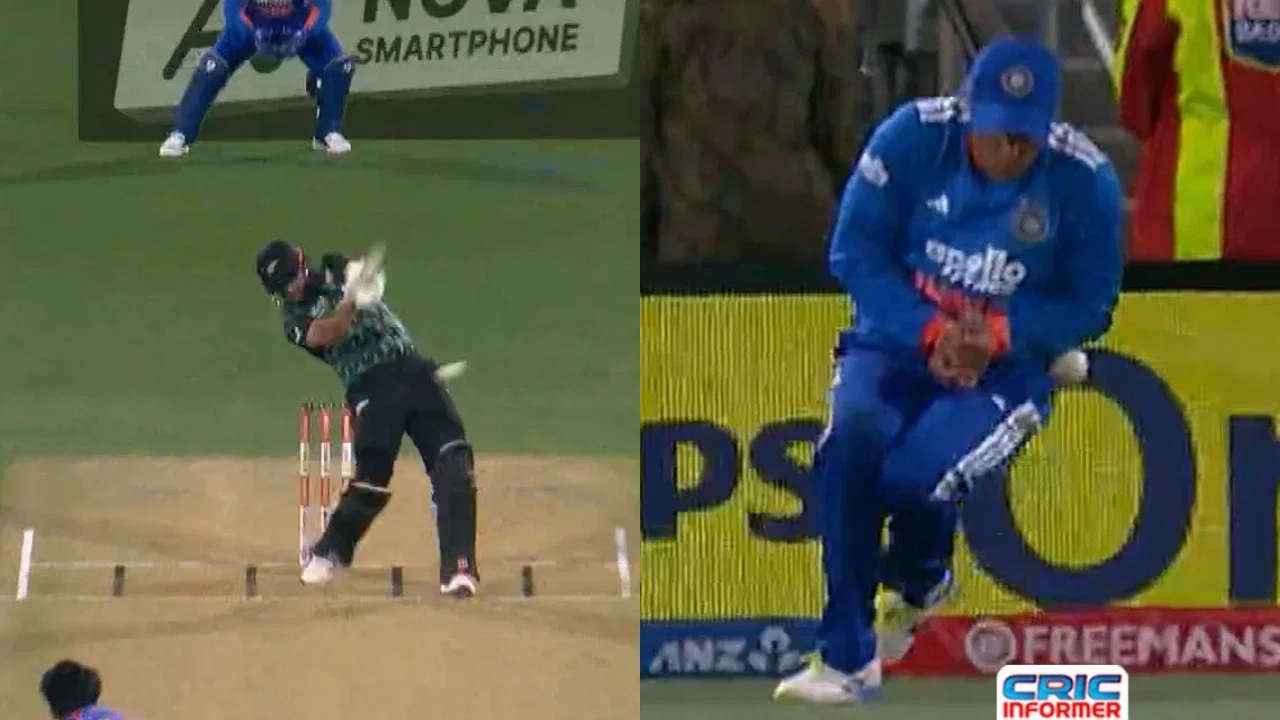
Watch: Abhishek Sharma turns Babar Azam, drops a dolly in 1st T20I vs New Zealand
Full list of Indian cricketers with 100 T20I matches, ft Arshdeep Singh, Virat Kohli
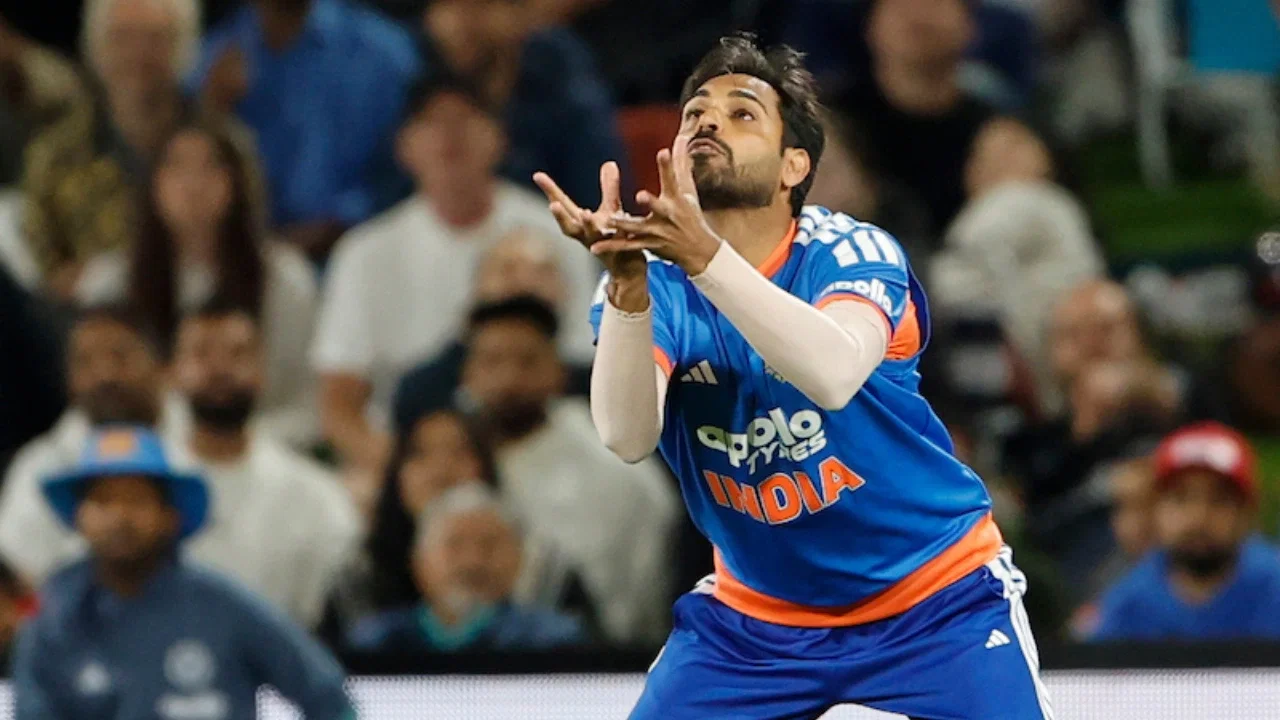
Bhuvneshwar Kumar fares worse on comeback than in last T20I 4 years ago
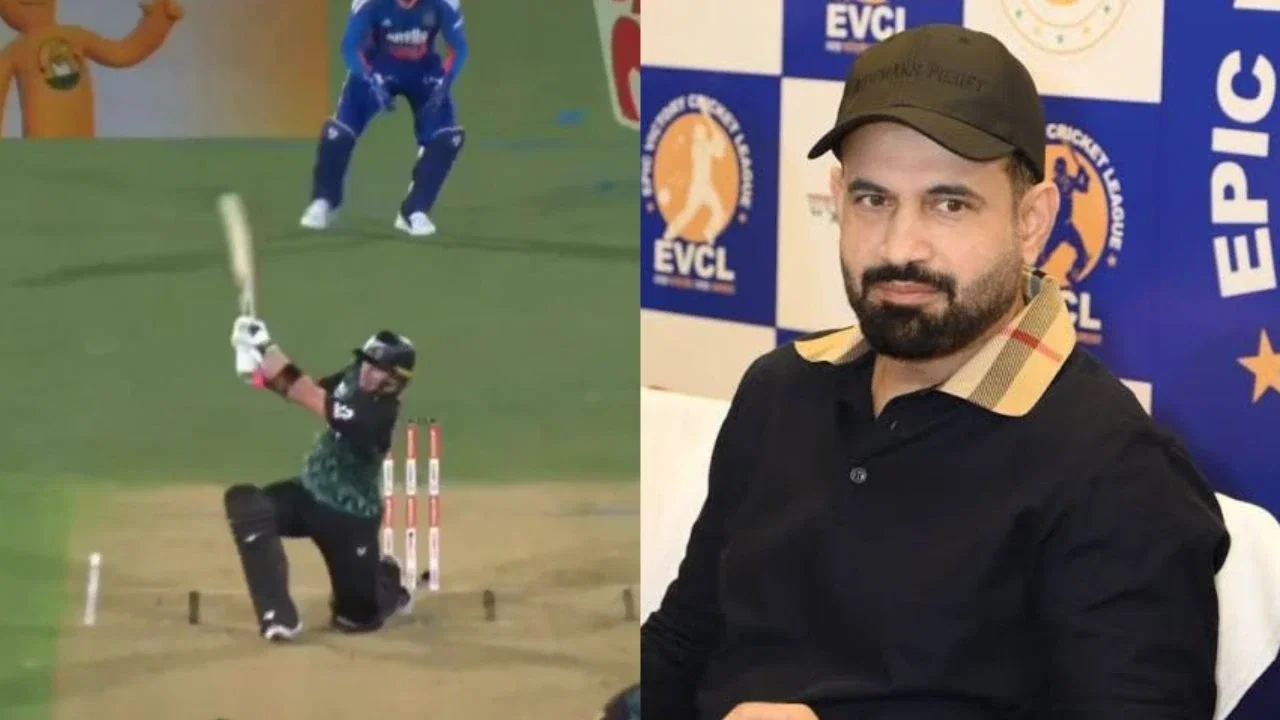
Watch: Glenn Phillips’ ‘most atrocious shot ever’ off Bhuvneshwar Kumar amazes Irfan Pathan
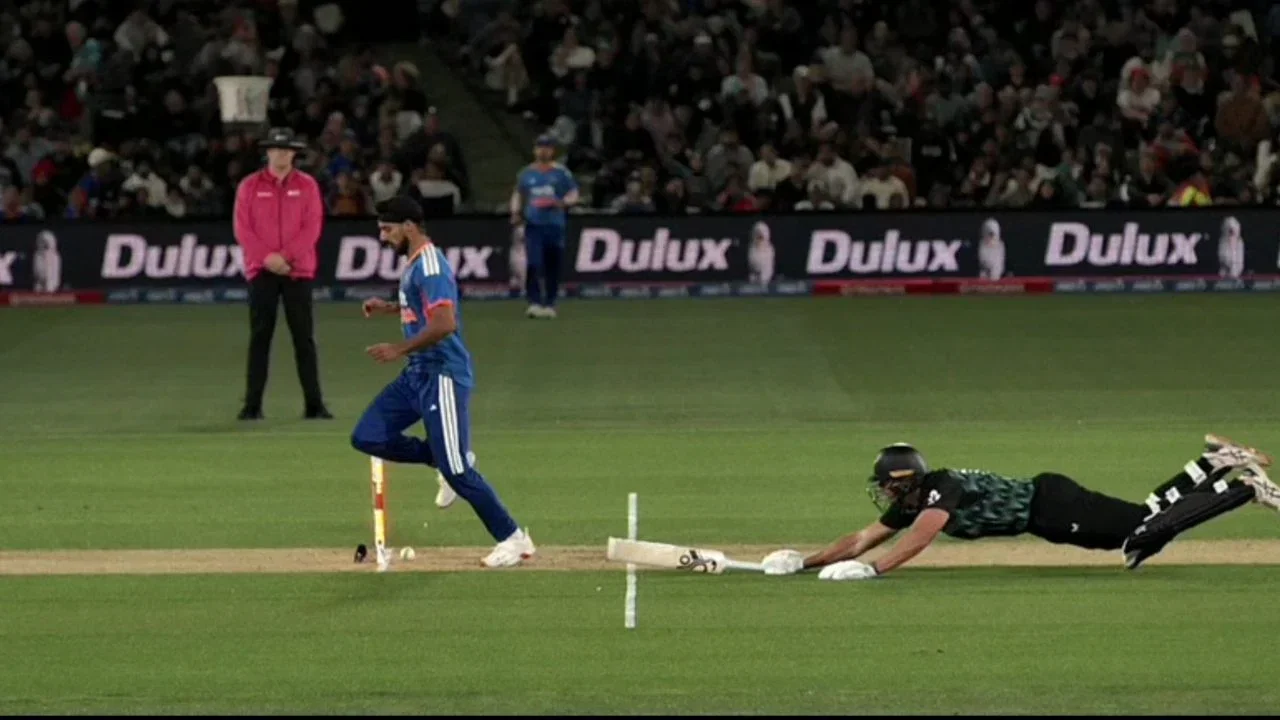
Watch: Arshdeep Singh uses football skills to run out Bevon Jacobs in 1st T20I
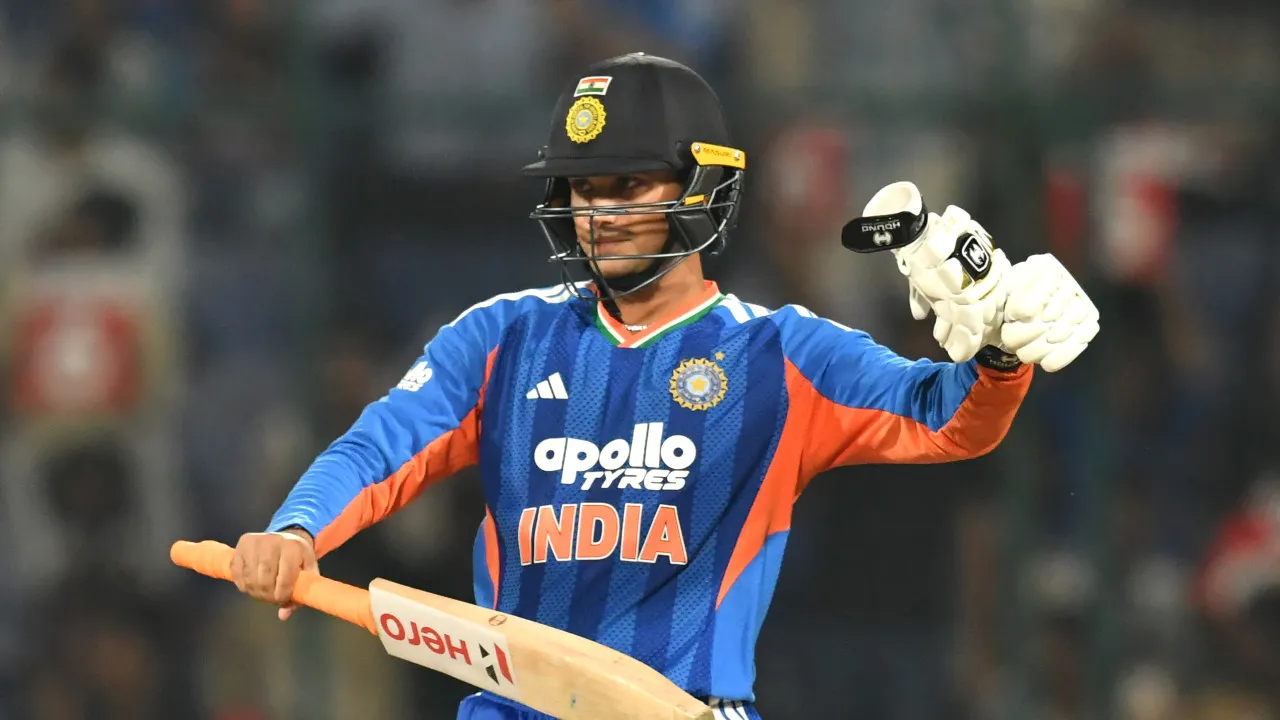
World record alert: Abhishek Sharma creates history with first-ball six vs New Zealand
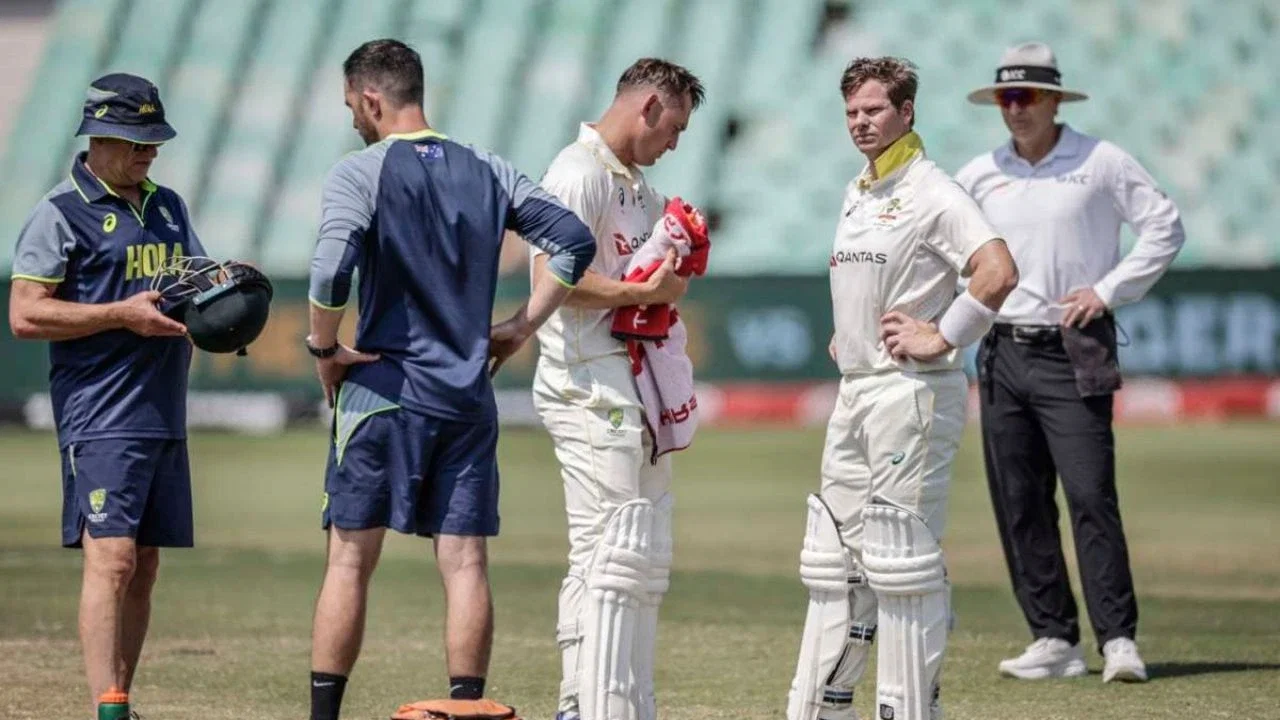
Steve Smith injury update: Will he bat on final day of 2nd Test vs South Africa?
Hardik Pandya rejects India comeback until one condition is met
Ben Stokes eyeing Ashes 2027 comeback after snubbing IPL, PSL? England great breaks silence
Why Megan Schutt has been banned for two matches?
Not Ben Stokes! Jamie Overton open to Ashes 2027 comeback
Mumbai Indians announce multi-year kit partnership with Nike ahead of IPL 2027