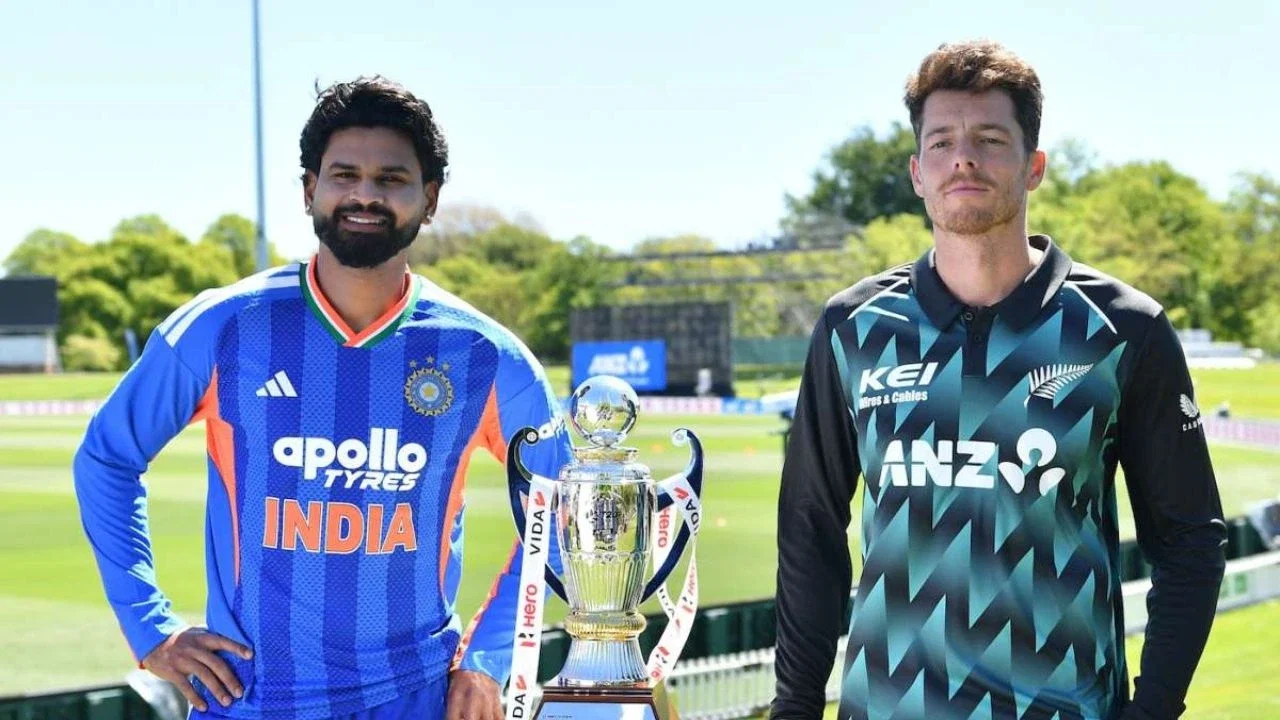
Bhuvneshwar Kumar sets world record on India comeback, surpasses Tim Southee
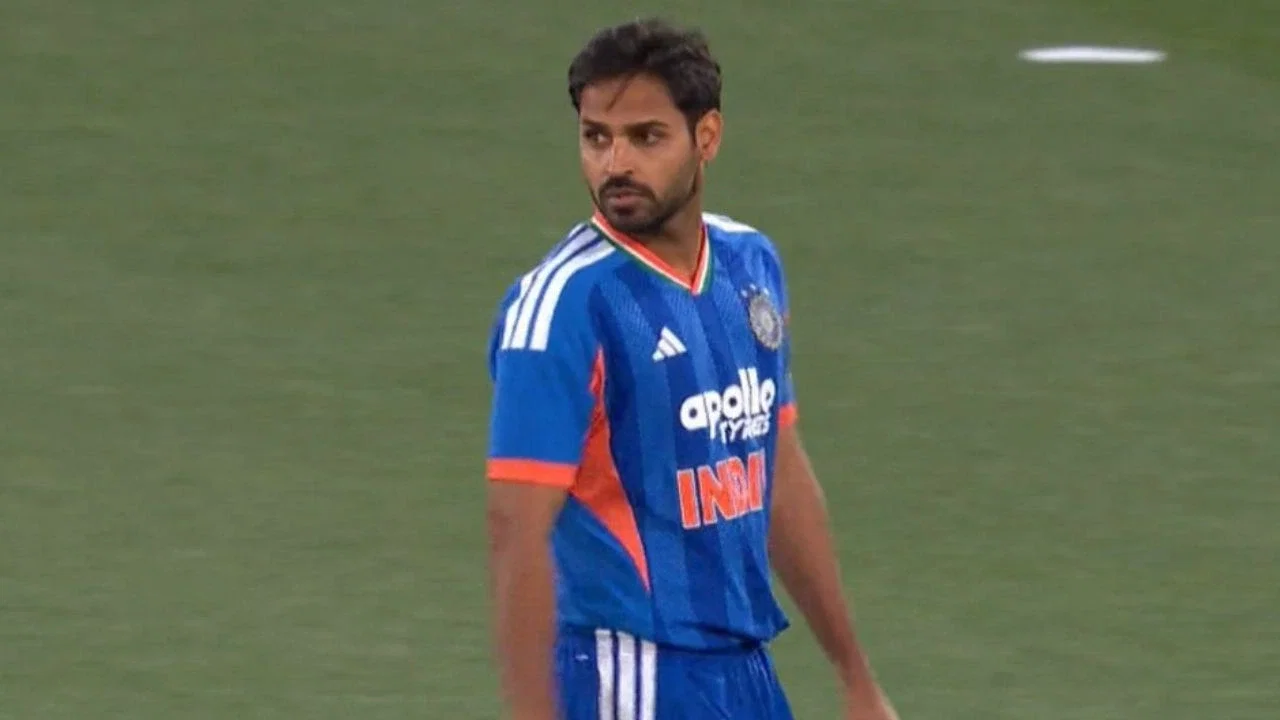
Bhuvneshwar Kumar Makes T20I History on India’s New Zealand Tour
Bhuvneshwar Kumar marked his return to India’s T20I squad with a milestone that underlined his enduring strength in the powerplay. In the opening match of India’s five-game series against New Zealand at Hagley Oval in Christchurch, the experienced seamer moved to the top of the list for most dot balls bowled during the powerplay in T20Is between Full Member nations.
The record was a notable moment in a high-pressure comeback. Bhuvneshwar had not featured in a T20I for four years, and his inclusion gave India an experienced option with the new ball. His first over was controlled and economical, conceding just four runs while adding to his remarkable tally of deliveries that batters could not score from.
Powerplay dot-ball record puts Bhuvneshwar ahead
With the achievement, Bhuvneshwar reached 680 powerplay dot balls in T20Is involving Full Member teams, edging past New Zealand veteran Tim Southee, who had recorded 679. Zimbabwe’s Richard Ngarava was next on 674, followed by Pakistan’s Shaheen Afridi on 625.
Most powerplay dot balls in T20Is between Full Member teams:
680 — Bhuvneshwar Kumar
679 — Tim Southee
674 — Richard Ngarava
625 — Shaheen Afridi
614 — Blessing Muzarabani
576 — Arshdeep Singh
569 — Jasprit Bumrah
The figures reflect more than longevity. A dot ball can disrupt a batter’s rhythm, build pressure and force risk-taking later in an over. In the powerplay, when fielding restrictions encourage aggressive batting, consistently limiting scoring opportunities is particularly valuable. Bhuvneshwar’s record speaks to his ability to use swing, accuracy and subtle changes of pace to make even a short spell difficult to attack.
A mixed start, but plenty of time to respond
Bhuvneshwar’s opening over provided the ideal start to his comeback, but his second brought a tougher passage. He began with a no-ball, giving New Zealand a free hit, and the next delivery was edged away for four. The hosts then attacked the remainder of the over, taking 17 runs from it.
The no-ball was an unusual blemish for a bowler known for control. It was reportedly his first in 89 T20I appearances, after bowling 299.3 overs without one. That statistic makes the lapse all the more striking, though a single expensive over does not diminish the significance of his return or his powerplay record. With more overs to come, Bhuvneshwar had the opportunity to adjust his lengths and contribute later in the innings.
His selection followed a frustrating wait for another international appearance. He had been added to India’s squad for the final T20I against West Indies, but rain washed out the match, leaving that series tied 2-2. The New Zealand tour therefore offered his first chance in several years to make a fresh case for a regular place in India’s T20 plans.
India seek a strong start under Shreyas Iyer
The series also carries importance for India as they look to build momentum away from home under captain Shreyas Iyer. A successful tour would offer the team an opportunity to test its combinations in New Zealand conditions and establish confidence early in the campaign.
Iyer won the toss in Christchurch and chose to field, backing India’s bowlers to make use of the conditions and restrict the home side. India made two changes from their previous T20I against West Indies, bringing in Nitish Kumar Reddy and Mayank Yadav in place of Shivam Dube and Prince Yadav. The selections added different options to the side, with India balancing batting depth and pace resources.
New Zealand openers launch an aggressive innings
New Zealand’s opening pair responded with an attacking start. Tim Seifert scored 24 from 17 balls, striking three fours and a six, while Finn Allen took the lead in the assault. Allen made 45 from 24 deliveries, hitting five fours and two sixes as the home side looked to take advantage of the powerplay.
The brisk scoring rate put India’s bowlers under early pressure and gave New Zealand a platform to target a total in the region of 200 or more. Glenn Phillips continued the momentum in the middle overs, appearing settled at the crease alongside Bevon Jacobs. At that stage of the innings, Phillips had reached 30 not out from 18 balls, keeping the hosts’ scoring ambitions firmly in view.
For India, the challenge was to slow the run rate without allowing New Zealand’s aggressive batters to dictate the tempo. Bhuvneshwar’s experience could be especially useful in that task: his record in the powerplay shows how effectively he can build pressure, while his ability to vary pace offers a potential answer when batters look to accelerate.
What Bhuvneshwar’s return could mean for India
Bhuvneshwar’s comeback arrives at a time when India are assessing their bowling options for the shortest format. His skill set is distinct: he can swing the new ball, target the stumps and use slower deliveries to disrupt timing. Those qualities can be valuable in a five-match series, where teams must adapt quickly to changing pitch conditions and opposition tactics.
His recent Indian Premier League performances have also helped keep him in the conversation. After strong campaigns in the last two seasons, including a role in Royal Challengers Bengaluru’s consecutive title-winning runs, the veteran has shown that experience can still translate into impact at the highest level. The international stage, however, presents a different test, and this series offers a chance to demonstrate that his control and variations remain effective against top-level opposition.
Any prediction about India’s series prospects will depend on more than one player’s return. The team will need consistent contributions from its top order, disciplined bowling through the middle overs and sharper execution at the death. Still, Bhuvneshwar’s milestone provides an encouraging reminder of what he can offer: a proven ability to create pressure, even when the scoreboard is moving quickly.
His first match back included both a historic achievement and a difficult over, capturing the unpredictable nature of T20 cricket. The powerplay record is a landmark in its own right, while the remaining matches will show whether Bhuvneshwar can turn that experience into a sustained role for India on their New Zealand tour.
Latest News
Bhuvneshwar Kumar breaks 89-match streak with first T20I no-ball against New Zealand
Bhuvneshwar Kumar sets world record on India comeback, surpasses Tim Southee

Watch: Abhishek Sharma turns Babar Azam, drops a dolly in 1st T20I vs New Zealand
Full list of Indian cricketers with 100 T20I matches, ft Arshdeep Singh, Virat Kohli
Bhuvneshwar Kumar fares worse on comeback than in last T20I 4 years ago
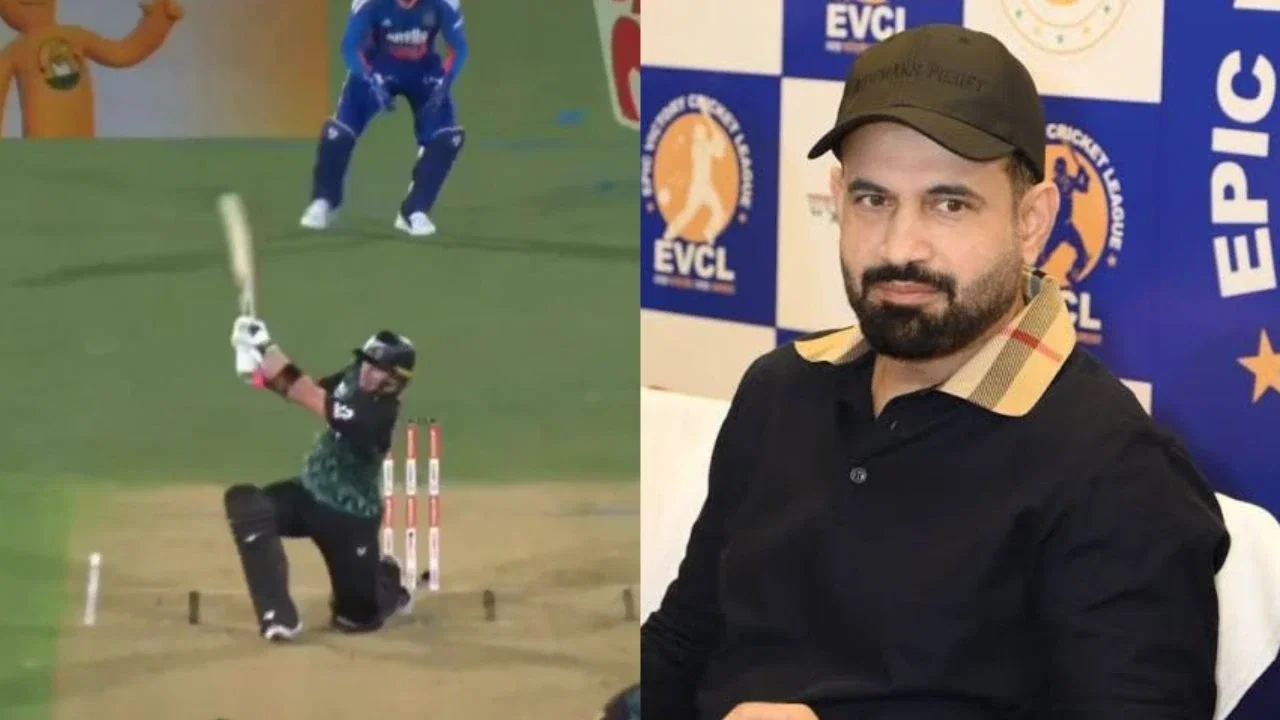
Watch: Glenn Phillips’ ‘most atrocious shot ever’ off Bhuvneshwar Kumar amazes Irfan Pathan
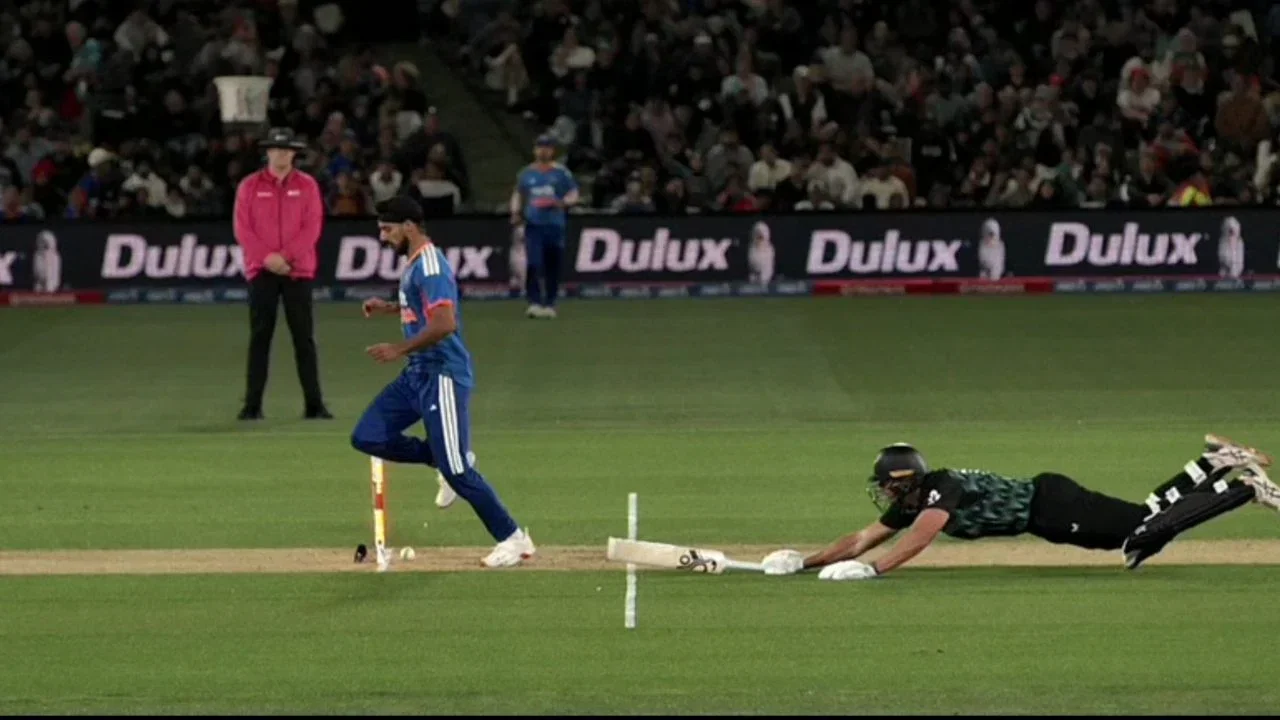
Watch: Arshdeep Singh uses football skills to run out Bevon Jacobs in 1st T20I
World record alert: Abhishek Sharma creates history with first-ball six vs New Zealand
Steve Smith injury update: Will he bat on final day of 2nd Test vs South Africa?
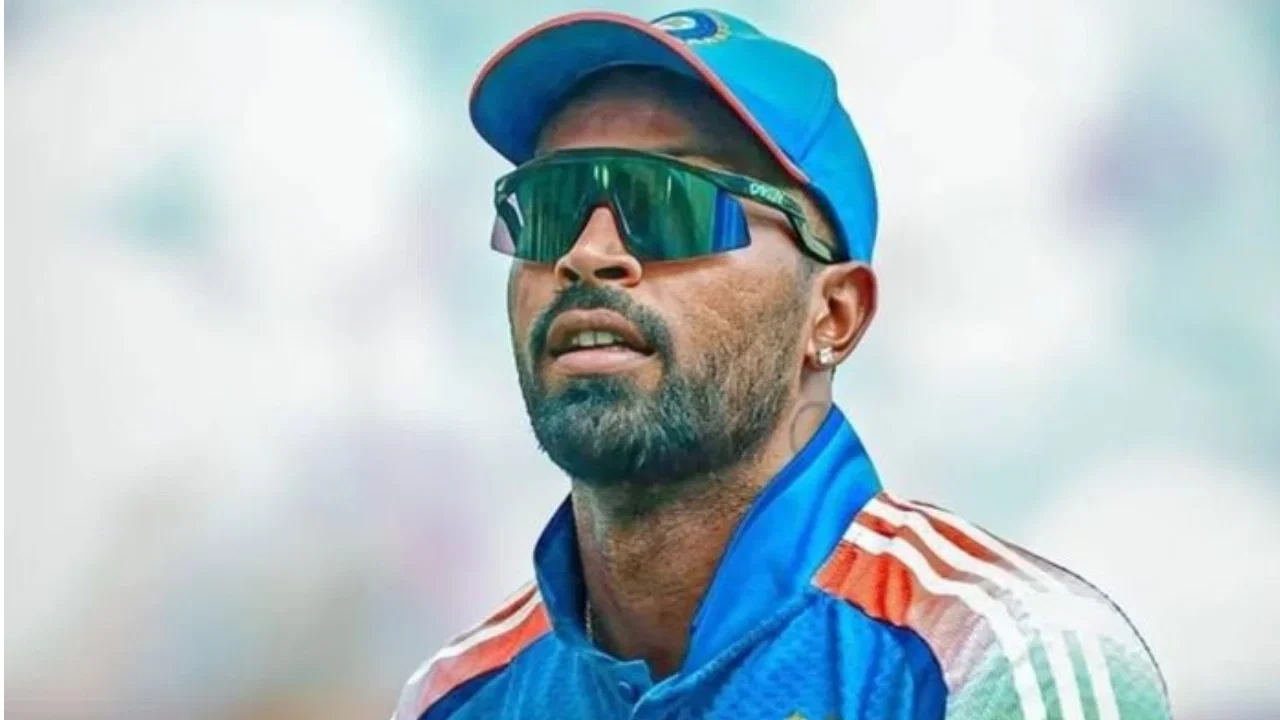
Hardik Pandya rejects India comeback until one condition is met
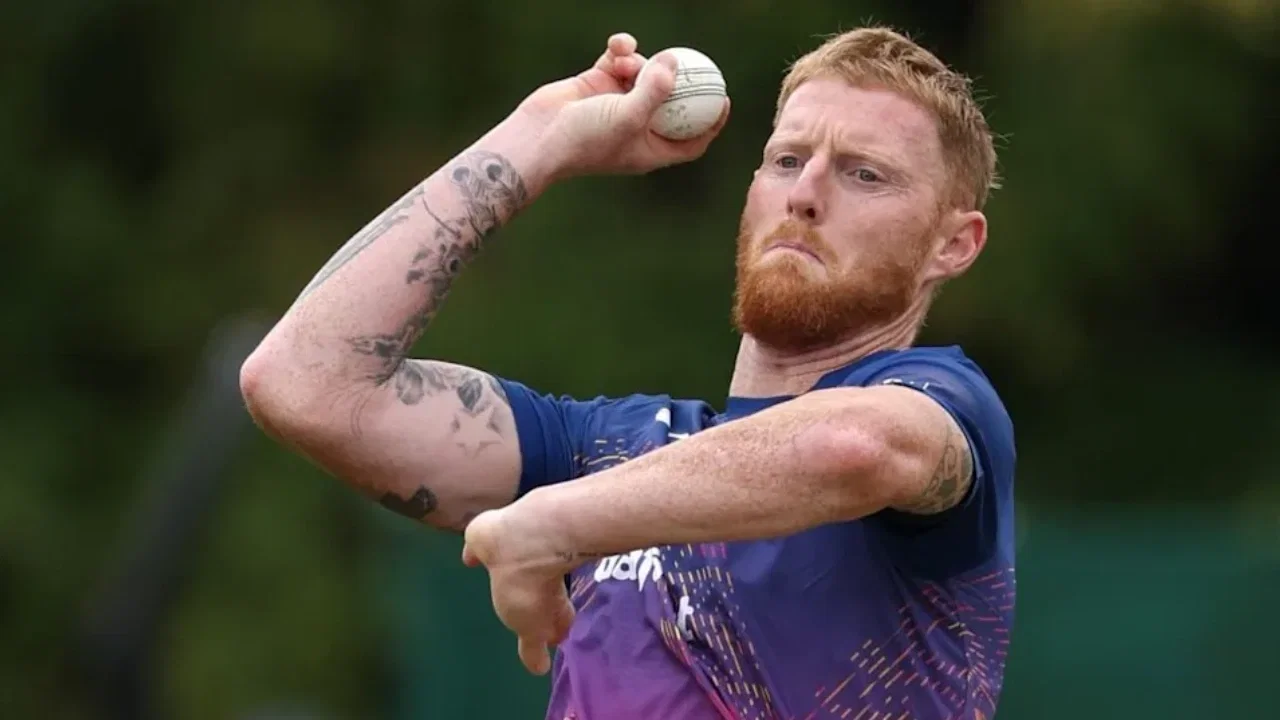
Ben Stokes eyeing Ashes 2027 comeback after snubbing IPL, PSL? England great breaks silence
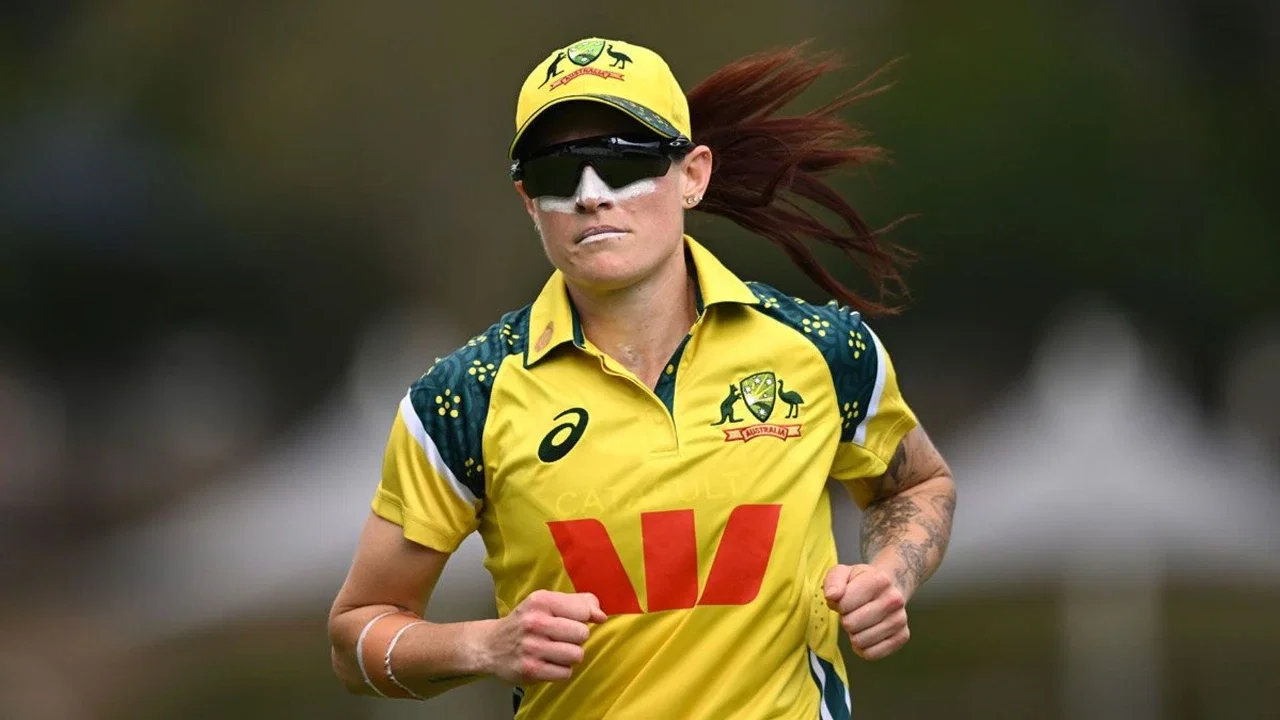
Why Megan Schutt has been banned for two matches?
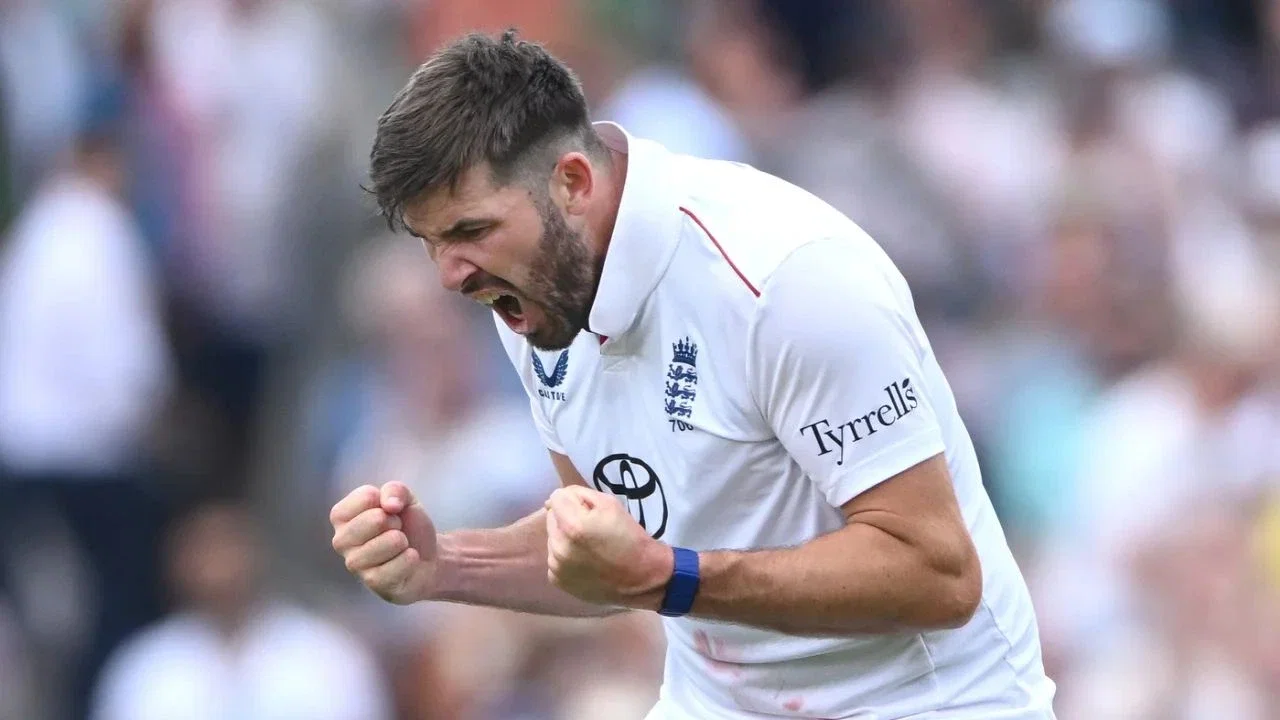
Not Ben Stokes! Jamie Overton open to Ashes 2027 comeback
Mumbai Indians announce multi-year kit partnership with Nike ahead of IPL 2027