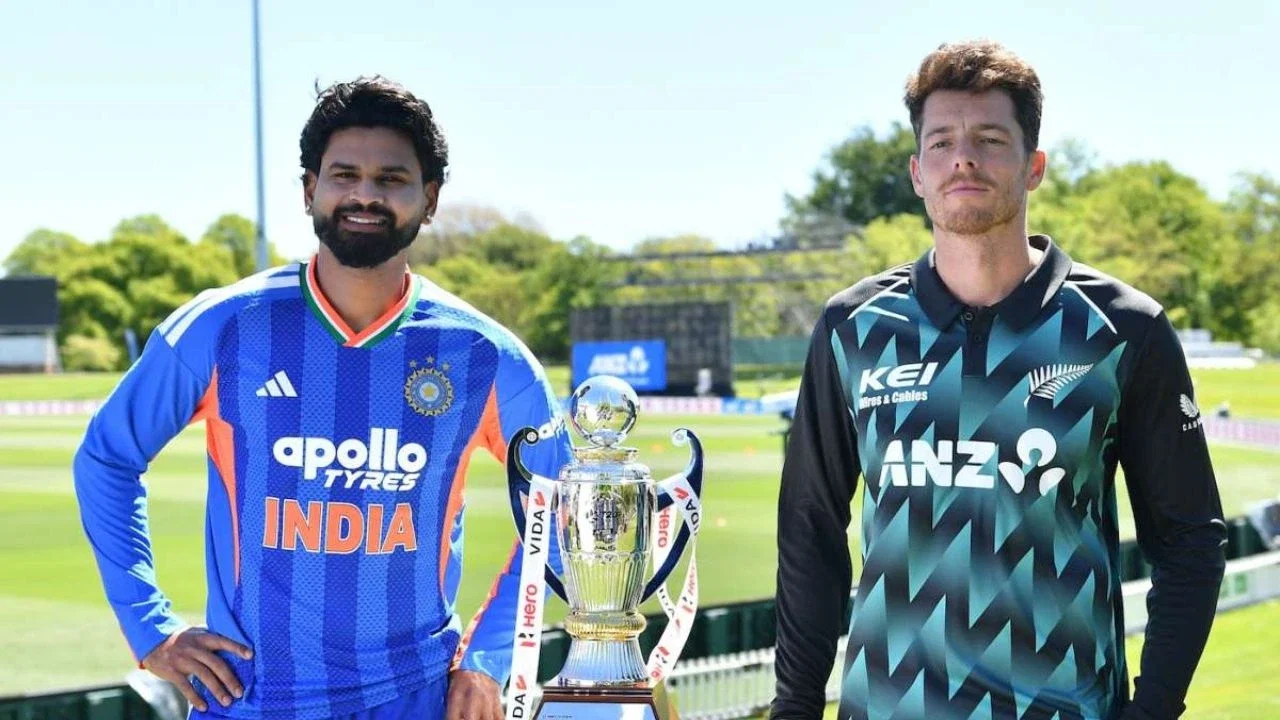
Bhuvneshwar Kumar fares worse on comeback than in last T20I 4 years ago
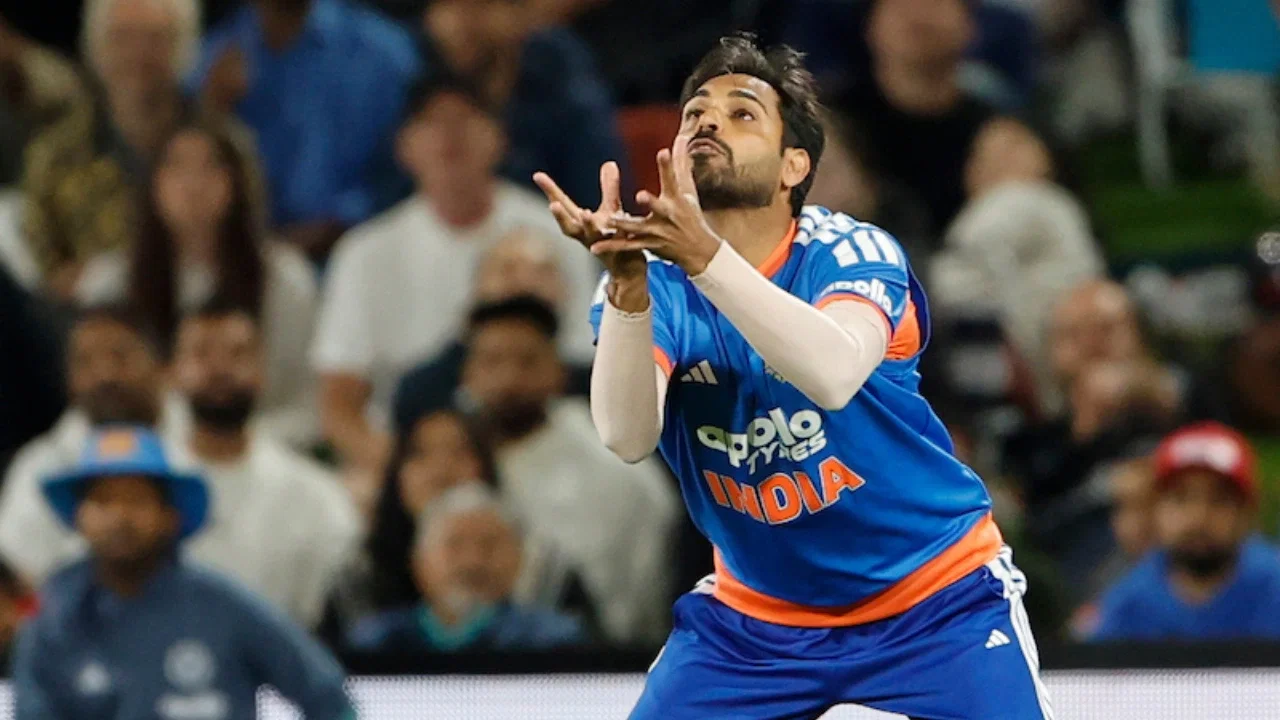
Bhuvneshwar Kumar’s India Comeback Falls Flat as New Zealand Post 225 in Christchurch
Bhuvneshwar Kumar’s return to India’s T20I side proved difficult, with the experienced seamer unable to contain New Zealand’s aggressive batting in the opening match of the five-game series at Hagley Oval in Christchurch. Playing his first T20I in almost four years, he conceded 49 runs from four overs and finished without a wicket as the hosts surged to 225.
The performance was a frustrating start to a much-anticipated comeback. Bhuvneshwar has long been valued for his swing, accuracy and ability to bowl in the powerplay and at the death. But on a ground where New Zealand’s batters attacked from the outset, he struggled to find consistent control. His economy rate of 12.20 was the second-highest of his T20I career, according to the figures provided.
A tough first outing after nearly four years away
Bhuvneshwar’s previous T20I appearance came against New Zealand in Napier on November 22, 2022. He went wicketless in that match as well, conceding 35 runs in four overs at an economy rate of 8.75. The game ended in a draw, but his Christchurch return was considerably more expensive.
The right-arm bowler also delivered a no-ball for the first time in his T20I career during the comeback match, adding to an outing in which small errors proved costly. New Zealand’s batters punished loose deliveries: Tim Seifert struck him for two boundaries and a six, while Bevon Jacobs also cleared the rope. Glenn Phillips added another boundary during Bhuvneshwar’s spell.
One difficult performance does not erase the experience Bhuvneshwar brings to the attack. However, it will give India’s team management plenty to assess as the series continues. The key question is whether he can quickly adjust his lengths and variations to New Zealand’s conditions, particularly if the hosts continue to target the seamers early.
Why India brought Bhuvneshwar back
The recall followed strong performances in the IPL and domestic white-ball cricket. Bhuvneshwar was reported to have played an important role in Royal Challengers Bengaluru’s successive IPL title wins in 2025 and 2026, strengthening the case for his return to the national setup.
His comeback had already been delayed once. He was selected for India’s fifth T20I against the West Indies after Arshdeep Singh suffered a shoulder injury, but rain washed out the match in Bengaluru after India had batted. That meant Bhuvneshwar had to wait until the New Zealand series to take the field again in international cricket.
His career record explains why India were willing to bring him back. In 88 T20I appearances, he has taken 90 wickets at an economy rate of 7.01. He has also recorded two five-wicket hauls in T20 cricket, with best figures of 5/4. Those numbers reflect a bowler capable of changing a match when he finds rhythm—though the Christchurch conditions offered little room for a slow start.
New Zealand’s batters put India under pressure
Bhuvneshwar was not the only Indian bowler to have a difficult evening. New Zealand’s batters attacked across the innings, finishing on 225—a joint-highest T20I total for the Black Caps against India. Every Indian bowler conceded at least 10 runs per over, underlining how effectively the hosts controlled the tempo.
Glenn Phillips was the standout performer, smashing an unbeaten 82 from just 40 deliveries. His innings combined power with clean placement, keeping the scoreboard moving and ensuring New Zealand finished strongly. Earlier, Tim Seifert and Finn Allen provided a brisk opening stand, with Allen making 45 and Seifert contributing 24.
Daryl Mitchell and Bevon Jacobs then added quick cameos, scoring 28 and 31 respectively. Their contributions prevented India from building sustained pressure after the opening partnership and gave Phillips the platform to attack through the middle and closing stages.
Axar Patel was India’s most expensive bowler, conceding 51 runs in four overs while taking one wicket. Arshdeep Singh gave up 45 runs and Mayank Yadav 40, with each claiming a wicket. The figures point to a broader challenge for India: New Zealand were able to score freely against different bowling styles rather than relying on one favourable matchup.
What the first T20I means for the series
The opening match offers an early lesson for India’s bowling unit. At Hagley Oval, disciplined lines and well-planned changes of pace will be essential if the visitors are to restrict New Zealand’s power hitters. The Indian attack may also need to vary its approach in the powerplay, where Seifert and Allen showed how quickly the hosts can seize control.
For Bhuvneshwar, the immediate prediction is not that one expensive spell will define his return, but that his response in the next match will matter. His experience and past record give him the tools to recover, yet he will need sharper execution to prevent New Zealand’s batters from settling into another high-scoring rhythm.
India’s task now is to regroup, review the lengths that were punished and find a way to slow the scoring without sacrificing wicket-taking intent. New Zealand have made a powerful statement in the series opener. Whether Bhuvneshwar and the rest of India’s attack can adapt quickly could be one of the defining storylines of the matches ahead.
Latest News
Bhuvneshwar Kumar breaks 89-match streak with first T20I no-ball against New Zealand
Bhuvneshwar Kumar sets world record on India comeback, surpasses Tim Southee
Watch: Abhishek Sharma turns Babar Azam, drops a dolly in 1st T20I vs New Zealand
Full list of Indian cricketers with 100 T20I matches, ft Arshdeep Singh, Virat Kohli
Bhuvneshwar Kumar fares worse on comeback than in last T20I 4 years ago
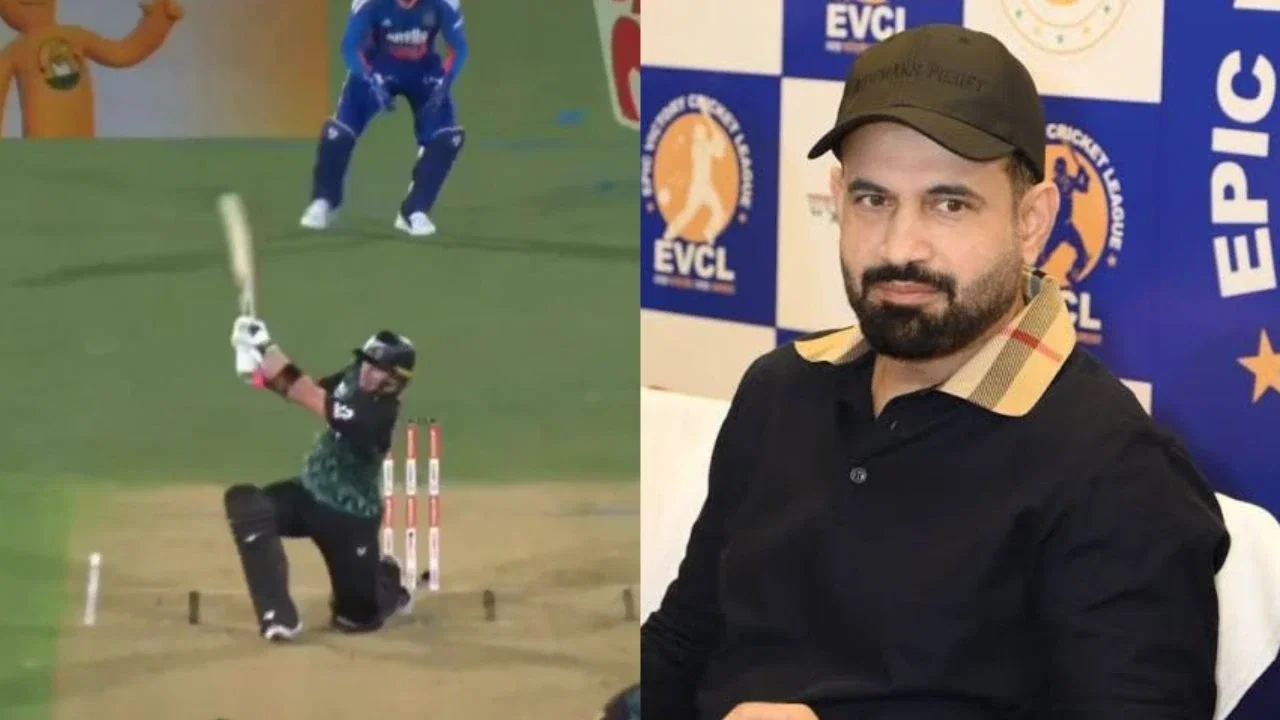
Watch: Glenn Phillips’ ‘most atrocious shot ever’ off Bhuvneshwar Kumar amazes Irfan Pathan
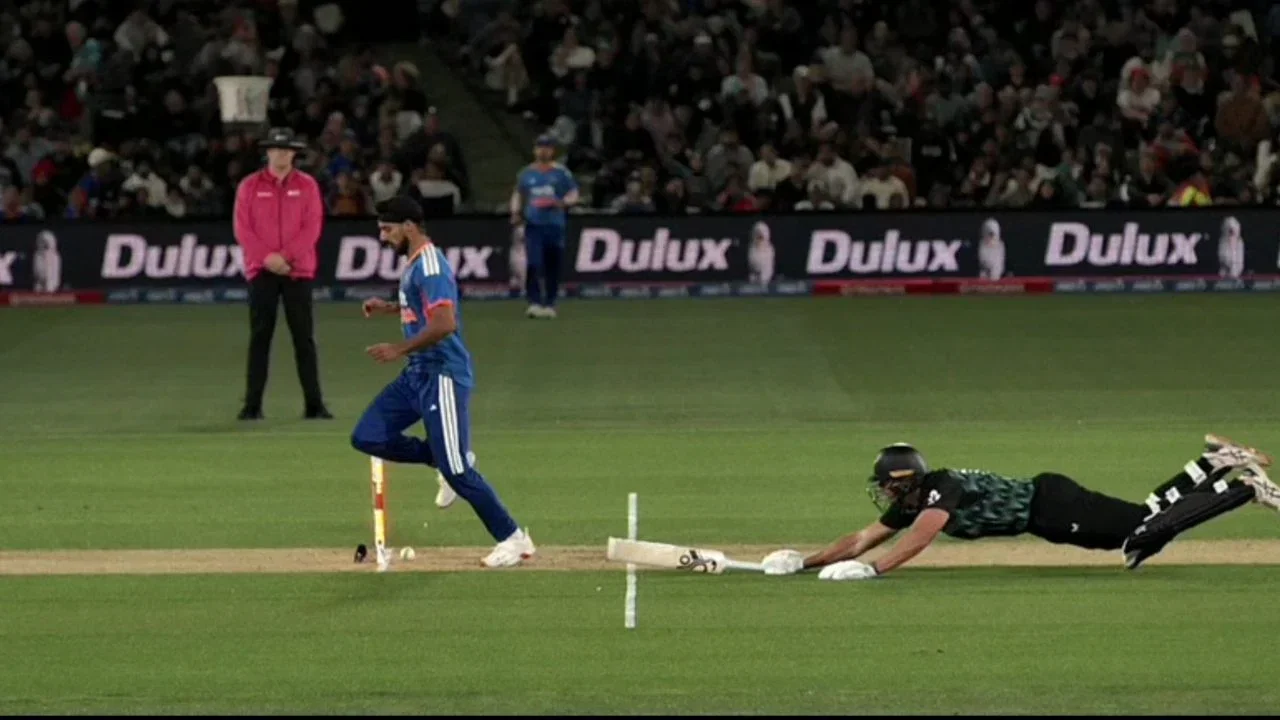
Watch: Arshdeep Singh uses football skills to run out Bevon Jacobs in 1st T20I
World record alert: Abhishek Sharma creates history with first-ball six vs New Zealand
Steve Smith injury update: Will he bat on final day of 2nd Test vs South Africa?
Hardik Pandya rejects India comeback until one condition is met
Ben Stokes eyeing Ashes 2027 comeback after snubbing IPL, PSL? England great breaks silence
Why Megan Schutt has been banned for two matches?
Not Ben Stokes! Jamie Overton open to Ashes 2027 comeback
Mumbai Indians announce multi-year kit partnership with Nike ahead of IPL 2027