Watch: Arshdeep Singh uses football skills to run out Bevon Jacobs in 1st T20I
Arshdeep Singh’s Quick Thinking Runs Out Bevon Jacobs as New Zealand Post 225
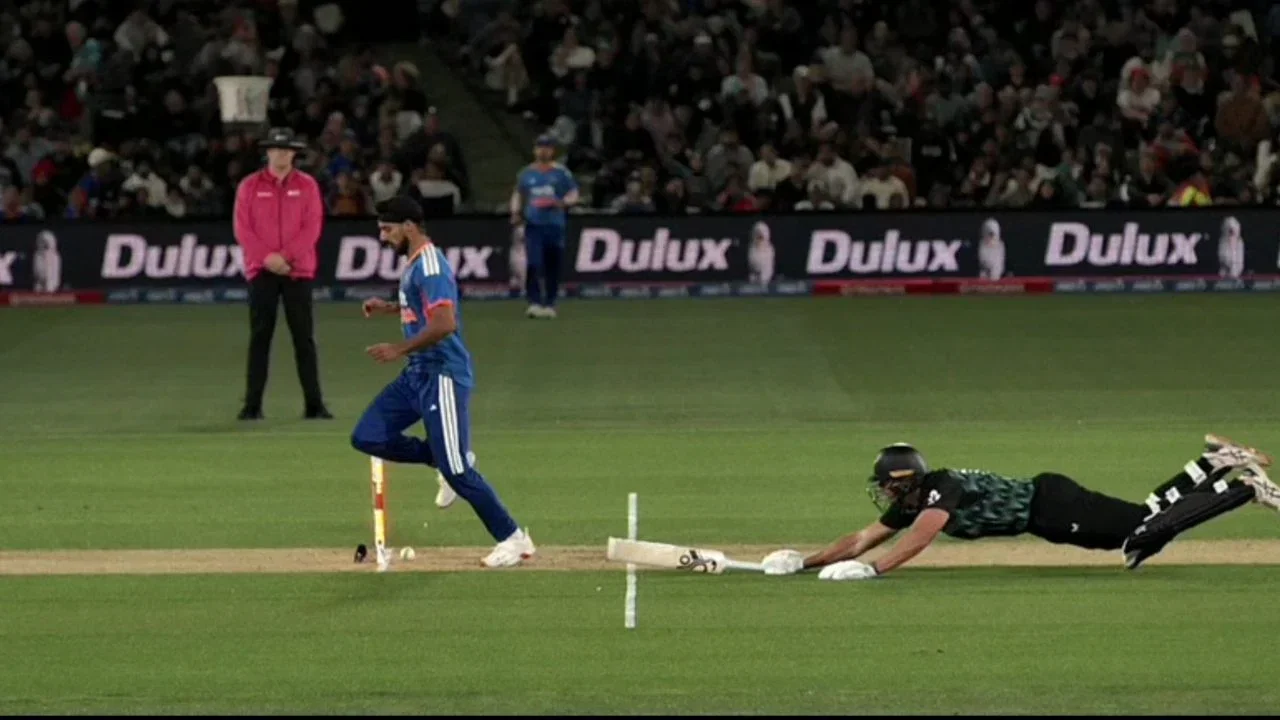
India’s opening T20I against New Zealand delivered a high-scoring contest, a brisk start to the chase and a sharp piece of fielding from Arshdeep Singh. The left-arm quick used quick reflexes—and an unexpected football-style touch—to run out Bevon Jacobs, ending the New Zealand batter’s explosive innings at a crucial stage.
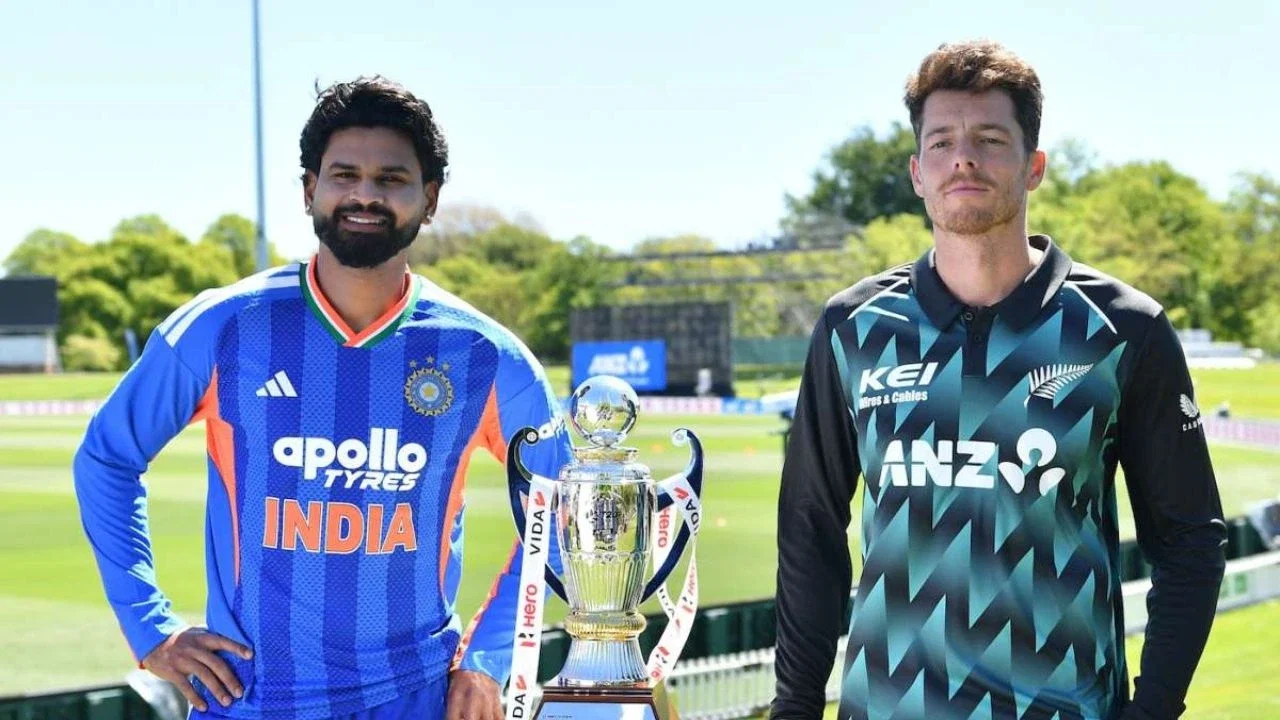
New Zealand finished on 225 for four at Hagley Oval in Christchurch, powered by Glenn Phillips’ unbeaten 82 from 40 balls. India began their reply aggressively, with Sanju Samson and Abhishek Sharma taking the attack to the home side during the powerplay. The opening match set up an intriguing contest in a five-game series that carries significant importance for both teams.
Arshdeep’s football-style run-out ends Jacobs’ cameo
The dismissal came in the 18th over, at 17.3, when Arshdeep bowled a yorker to Phillips. The New Zealand batter squeezed the ball onto his feet, prompting Jacobs to call for a quick single. As the pair hurried through, Arshdeep reacted immediately and broke the stumps before Jacobs could make his ground.
Jacobs attempted a full-length dive, but his bat was briefly off the ground as the wicket was broken. The third umpire’s decision confirmed the run-out, cutting short a dangerous innings and drawing attention to Arshdeep’s alertness in the field. The moment stood out not only for its timing but for the speed with which the bowler turned a routine defensive delivery into a wicket-taking opportunity.
Jacobs departed for 31 from just 16 deliveries, striking three sixes. He had looked composed and powerful, and his contribution was central to New Zealand’s recovery in the middle overs. His dismissal was a setback for the hosts, although Phillips stayed at the crease to guide the innings through to a formidable total.
Phillips leads New Zealand’s surge
India captain Shreyas Iyer won the toss and chose to field, hoping to make use of the conditions with the new ball. Arshdeep Singh and Bhuvneshwar Kumar began steadily, but New Zealand’s openers soon shifted the momentum. Tim Seifert made 24 from 17 balls, while Finn Allen attacked from the other end with 45 off 24, including five fours and two sixes.
The opening partnership gave New Zealand a fast start, though India briefly slowed the scoring after both openers were dismissed. Phillips then took responsibility for rebuilding and accelerating. He added 42 runs with Daryl Mitchell, who contributed 28 from 19 balls, before forming a more explosive stand with Jacobs.
The 73-run partnership between Phillips and Jacobs came from only 32 deliveries, helping the Black Caps regain momentum and put pressure back on India’s bowlers. Phillips mixed clean hitting with calculated placement, finding gaps when the field spread and clearing the boundary when the bowlers missed their lengths.
Michael Bracewell joined Phillips late in the innings, and the pair added 30 runs from 15 balls. Phillips finished unbeaten on 82 from 40 deliveries, ensuring New Zealand made full use of the final overs. Arshdeep, Mayank Yadav and Axar Patel took one wicket apiece for India, but the visitors were left with a demanding target of 226.
India respond with an aggressive opening stand
India’s chase began at a rapid pace. Samson and Abhishek Sharma attacked early, taking advantage of the fielding restrictions and keeping the required rate within reach. India had raced to 68 without loss with two overs of the powerplay still remaining, giving the chase an energetic start.
That early scoring offered a reminder that a total of 225, while imposing, is not automatically beyond reach in modern T20 cricket. A strong powerplay can change the shape of a chase, but India still needed to balance attacking intent with the challenge of preserving wickets for the middle and closing overs. New Zealand, meanwhile, would be looking for a breakthrough to interrupt the opening pair’s momentum.
A significant test for both sides
The five-match series is an important opportunity for India to build confidence on the road. The team has faced mixed results across recent overseas tours, increasing the focus on its ability to adapt to unfamiliar conditions and deliver consistently away from home. As reigning T20 World Cup champions, India will also be expected to handle the pressure that comes with high expectations.
New Zealand will be aiming to make home advantage count and carry their strong start into the rest of the series. Their total in Christchurch reflected the depth of their batting: the openers supplied early momentum, Phillips anchored the innings, and Jacobs provided a rapid middle-order boost before Arshdeep’s run-out ended his stay.
What the first T20I could mean for the series
The opening match offered several early clues for the games ahead. New Zealand showed how quickly Phillips and the middle order can lift the scoring rate, while India demonstrated that their top order is capable of responding with immediate aggression. The fielding moment involving Arshdeep and Jacobs also underlined how a single lapse—or a split-second piece of awareness—can influence a high-scoring T20 contest.
Any prediction about the series will depend on which side can control the middle overs and execute under pressure at the death. India will want its bowlers to limit partnerships and its batters to turn fast starts into match-winning contributions. New Zealand will look to maintain their attacking approach while tightening their response to India’s top order. With five matches scheduled, the first encounter has already suggested that the contest could be decided by small moments as much as by big scores.
Latest News
Bhuvneshwar Kumar breaks 89-match streak with first T20I no-ball against New Zealand
Bhuvneshwar Kumar sets world record on India comeback, surpasses Tim Southee
Watch: Abhishek Sharma turns Babar Azam, drops a dolly in 1st T20I vs New Zealand
Full list of Indian cricketers with 100 T20I matches, ft Arshdeep Singh, Virat Kohli
Bhuvneshwar Kumar fares worse on comeback than in last T20I 4 years ago
Watch: Glenn Phillips’ ‘most atrocious shot ever’ off Bhuvneshwar Kumar amazes Irfan Pathan
Watch: Arshdeep Singh uses football skills to run out Bevon Jacobs in 1st T20I
World record alert: Abhishek Sharma creates history with first-ball six vs New Zealand
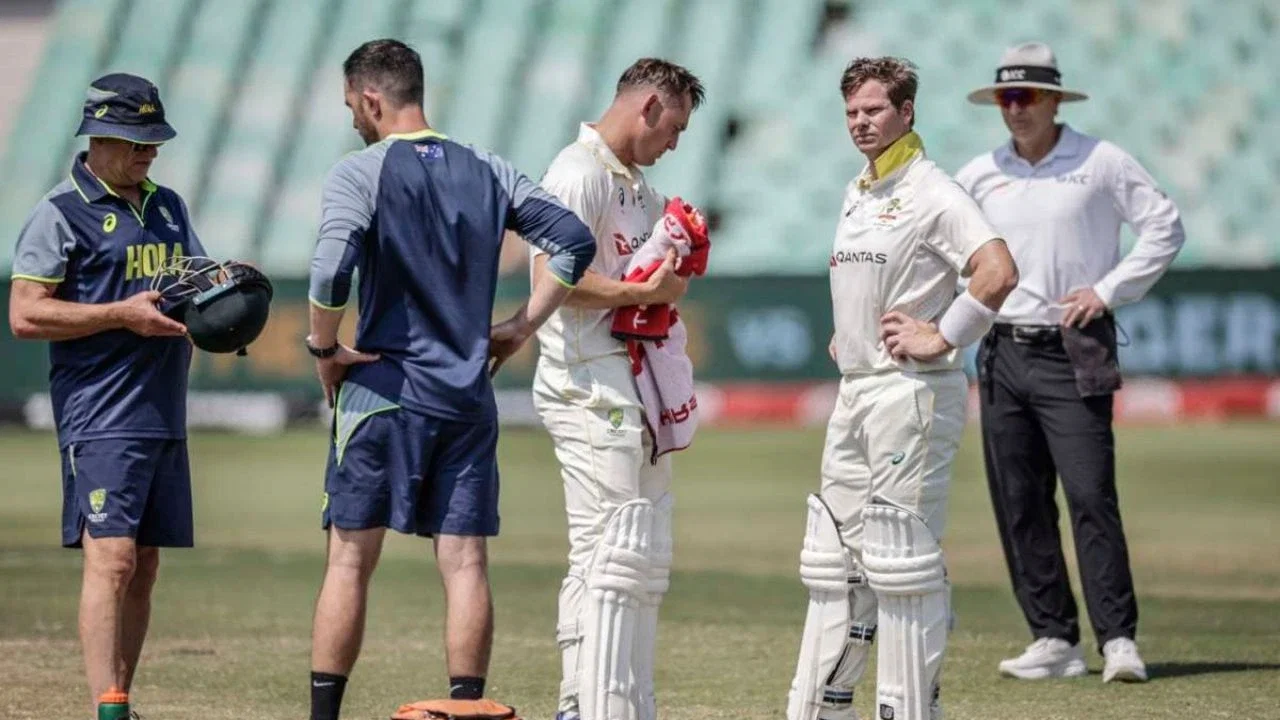
Steve Smith injury update: Will he bat on final day of 2nd Test vs South Africa?
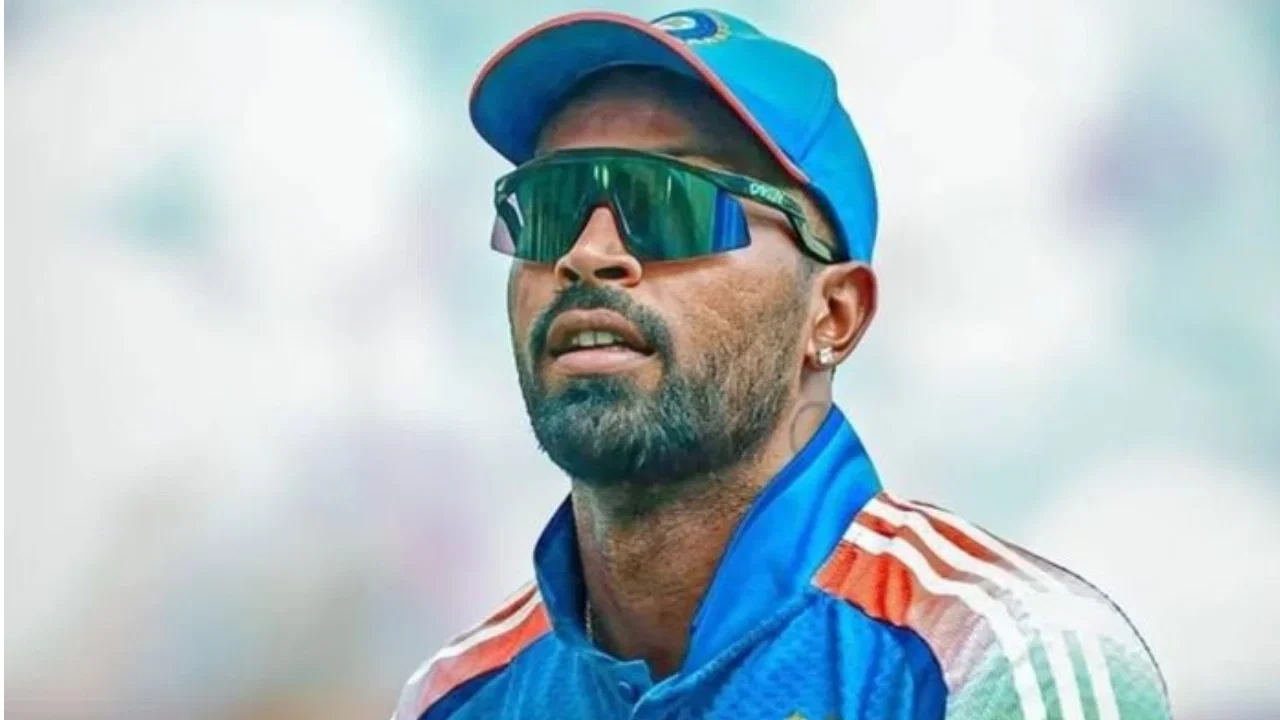
Hardik Pandya rejects India comeback until one condition is met
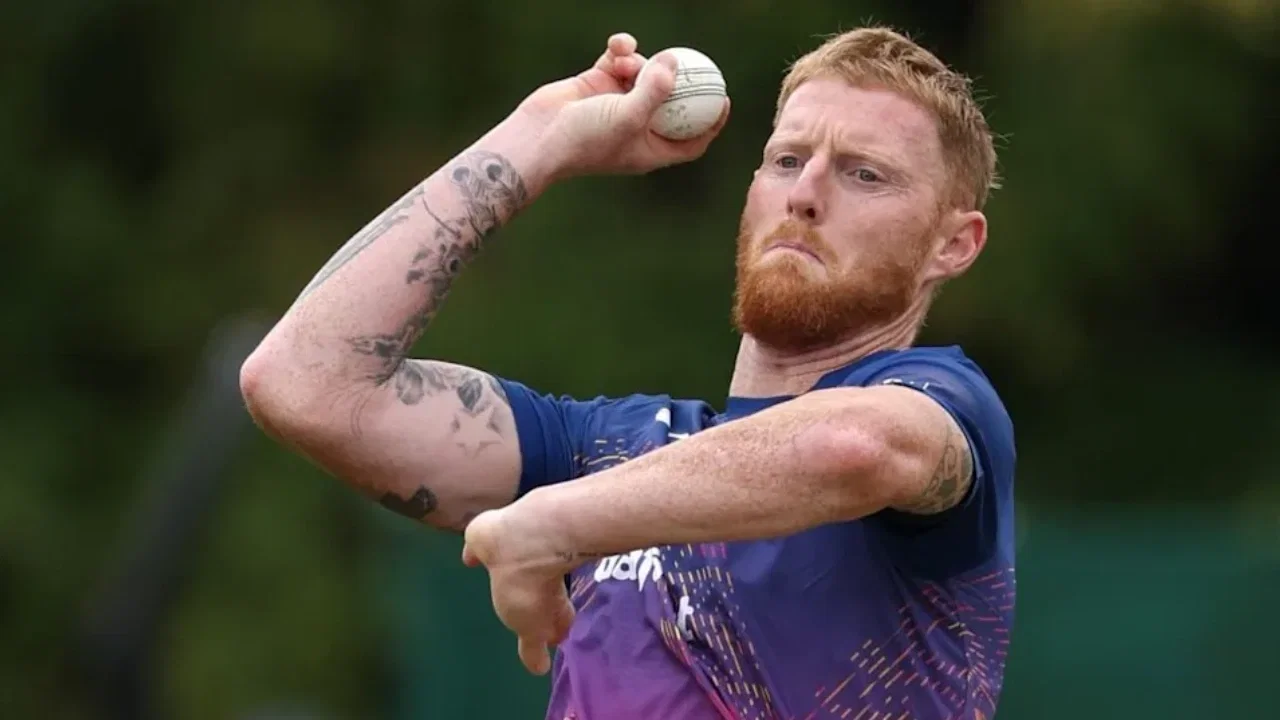
Ben Stokes eyeing Ashes 2027 comeback after snubbing IPL, PSL? England great breaks silence
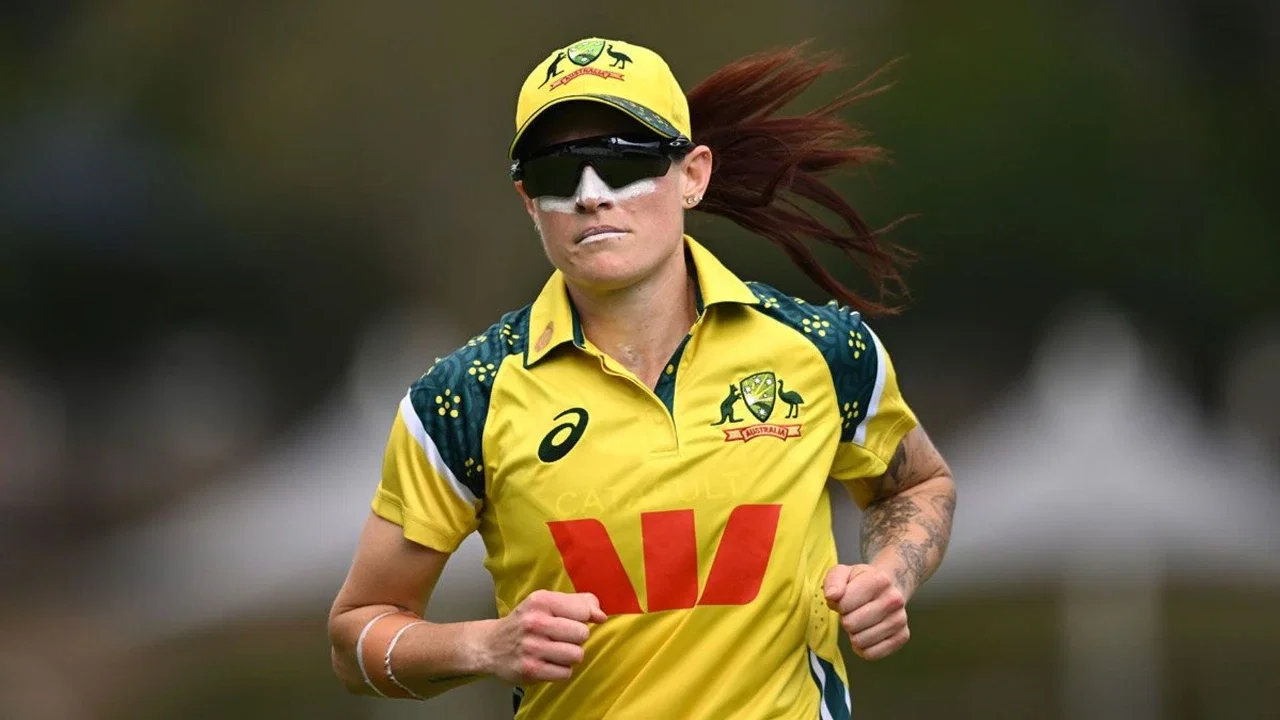
Why Megan Schutt has been banned for two matches?
Not Ben Stokes! Jamie Overton open to Ashes 2027 comeback
Mumbai Indians announce multi-year kit partnership with Nike ahead of IPL 2027