Watch: Abhishek Sharma turns Babar Azam, drops a dolly in 1st T20I vs New Zealand
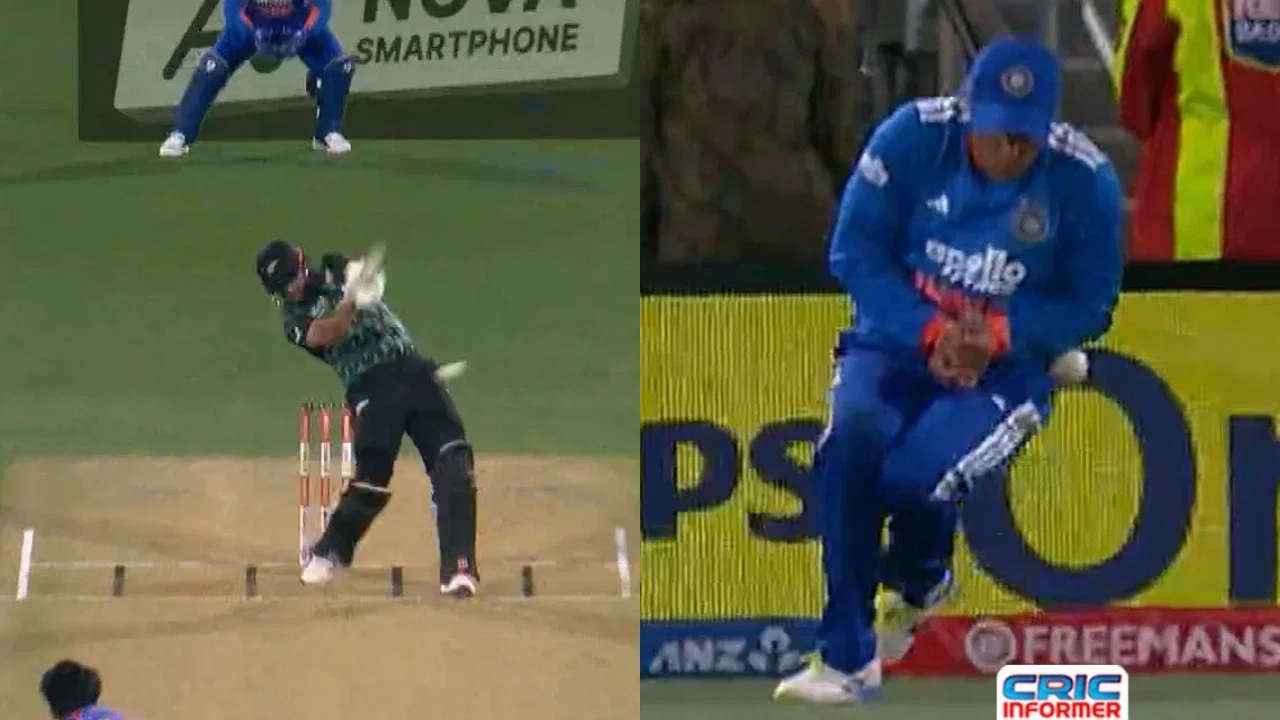
Abhishek Sharma’s dropped catch gives Daryl Mitchell a lifeline in India–New Zealand T20I
India opener Abhishek Sharma endured a difficult moment in the field during the first T20I of the five-match series against New Zealand at Hagley Oval in Christchurch on Thursday, October 22. A straightforward chance to dismiss Daryl Mitchell slipped through his hands, denying fast bowler Mayank Yadav a potential second wicket and quickly drawing attention from fans.
The error came during the 11th over, with Mitchell on 16. Yadav delivered a full ball at around 142 kmph, and Mitchell attempted to send it over the leg side. He did not connect cleanly, however, and the ball travelled towards long-on, where Sharma was positioned. The Indian batter had time to get underneath it but could not hold on.
Yadav was visibly disappointed as the opportunity went begging. In T20 cricket, a missed catch can change the course of an innings: a batter who survives may settle, take greater risks and add valuable runs. Mitchell was given that chance, although he was unable to turn it into a major contribution. Arshdeep Singh later dismissed him for 28.
A costly-looking mistake, but not a match-defining innings
Mitchell’s reprieve immediately raised the possibility that India might pay heavily for the miss. He is an experienced New Zealand batter known for his ability to accelerate, particularly when he finds rhythm in the middle overs. But the lifeline did not lead to a long stay at the crease. His dismissal for 28 limited the damage and allowed India to move on from the missed chance.
That outcome does not make the drop insignificant. A catch can be important even when the batter scores only a few more runs, because it interrupts a bowler’s momentum and can force a captain to adjust plans. Yadav had created the opportunity with a sharp delivery; completing the catch would have rewarded that effort and strengthened India’s position in the innings.
Fans react to Abhishek Sharma’s fielding error
Clips of the dropped catch circulated on social media shortly after the incident, prompting a wave of criticism. Some supporters described the chance as a “sitter” and questioned Sharma’s consistency in the field. Others argued that, with competition for places in India’s T20 squad so intense, fielding mistakes should be taken seriously alongside batting performances.
The reaction also included comparisons with other high-profile players who have been criticised for dropped catches. While online commentary can be sharp and sometimes personal, the broader concern raised by fans is familiar: India’s modern T20 sides rely on athletic fielding to save runs, create pressure and convert half-chances into wickets. A missed opportunity can therefore attract as much attention as a brief batting failure.
Sharma’s explosive batting often dominates discussion, but fielding is an essential part of his contribution to the team. In a format where matches can be decided by a handful of deliveries, reliable catching is not an optional extra. It is one of the skills that helps separate a strong all-round team performance from a merely competitive one.
Fielding concerns have followed the India opener
The Christchurch incident has renewed scrutiny of Sharma’s catching record. He has faced criticism after previous missed chances, including during major international tournaments. Reports have noted dropped opportunities against West Indies at the 2026 T20 World Cup and errors in the 2025 Asia Cup match against Pakistan. Those moments have contributed to a perception among some supporters that his fielding needs greater consistency.
India’s former fielding coach T. Dilip has reportedly worked with Sharma on his catching technique, including hand position, concentration and additional practice. Such work is common at international level: even talented athletes need repetition to improve their judgement under lights, manage the ball’s flight and stay balanced while moving into position.
Catching is also affected by conditions. Hagley Oval can present its own challenges, with New Zealand’s evening light, wind and the pace of the ball influencing a fielder’s judgement. Those factors may help explain why a chance is harder than it appears on a replay, but they do not remove the expectation that an international fielder should take a routine opportunity.
Abhishek Sharma’s batting remains a major asset
The scrutiny comes against the backdrop of Sharma’s reputation as one of India’s most aggressive T20 batters. He had a quieter home series against West Indies, scoring one half-century across five matches, but his wider record in 2026 has been far more impressive. He has scored more than 900 runs during the year at a strike rate of around 202, underlining the destructive potential that makes him such a valuable option at the top of the order.
That contrast is central to the debate surrounding his place in the side. Sharma’s ability to make a fast start can put opposition bowlers under pressure and give India a strong platform. At the same time, the team will expect him to contribute in the field, where one sharp catch or saved boundary can have a measurable impact on the result.
The dropped chance should be viewed as one moment in a long series rather than a complete verdict on the player. But repeated fielding errors can become a genuine selection discussion, especially in a deep squad where several players are competing for limited places. The most effective response will be improvement on the field, not engagement with every social-media criticism.
What to watch in the rest of the New Zealand series
Sharma will have several opportunities to respond during the remaining matches of the five-game T20I series. His batting form will naturally remain a key focus, but his work in the field is likely to receive extra attention after the Christchurch miss. Supporters will be watching to see whether he looks more assured under high balls and whether he can turn future chances into dismissals.
For India, the wider lesson is straightforward: strong T20 performances depend on more than power-hitting and pace. Bowlers create chances, fielders must finish them, and a single lapse can give an opponent room to recover. The first T20I offered a reminder of that pressure, even though Mitchell’s eventual dismissal prevented the mistake from becoming a major setback.
Prediction: If Sharma can pair his attacking batting with more dependable fielding in the coming games, he can quickly shift the conversation back to his value at the top of the order. The dropped catch was a visible setback, but the rest of the series gives him a timely chance to respond—and gives India an opportunity to sharpen its fielding as the contest develops.
Latest News
Bhuvneshwar Kumar breaks 89-match streak with first T20I no-ball against New Zealand
Bhuvneshwar Kumar sets world record on India comeback, surpasses Tim Southee
Watch: Abhishek Sharma turns Babar Azam, drops a dolly in 1st T20I vs New Zealand
Full list of Indian cricketers with 100 T20I matches, ft Arshdeep Singh, Virat Kohli
Bhuvneshwar Kumar fares worse on comeback than in last T20I 4 years ago
Watch: Glenn Phillips’ ‘most atrocious shot ever’ off Bhuvneshwar Kumar amazes Irfan Pathan
Watch: Arshdeep Singh uses football skills to run out Bevon Jacobs in 1st T20I
World record alert: Abhishek Sharma creates history with first-ball six vs New Zealand
Steve Smith injury update: Will he bat on final day of 2nd Test vs South Africa?
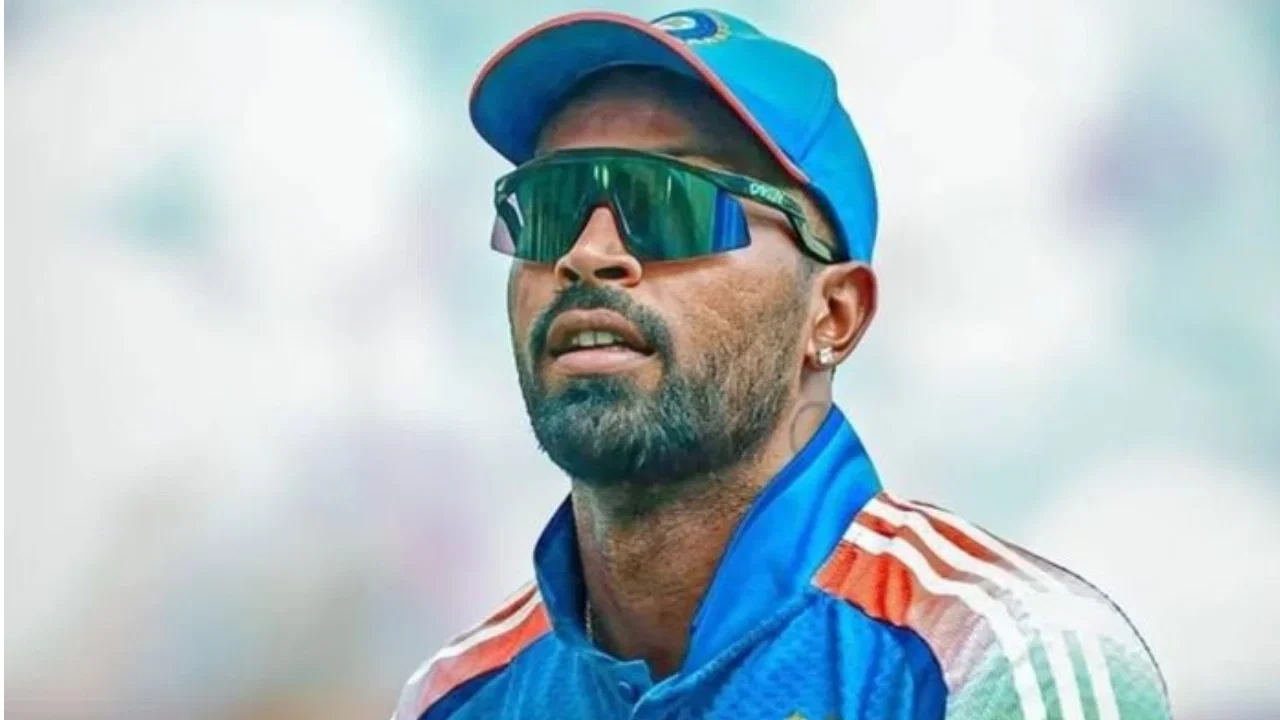
Hardik Pandya rejects India comeback until one condition is met
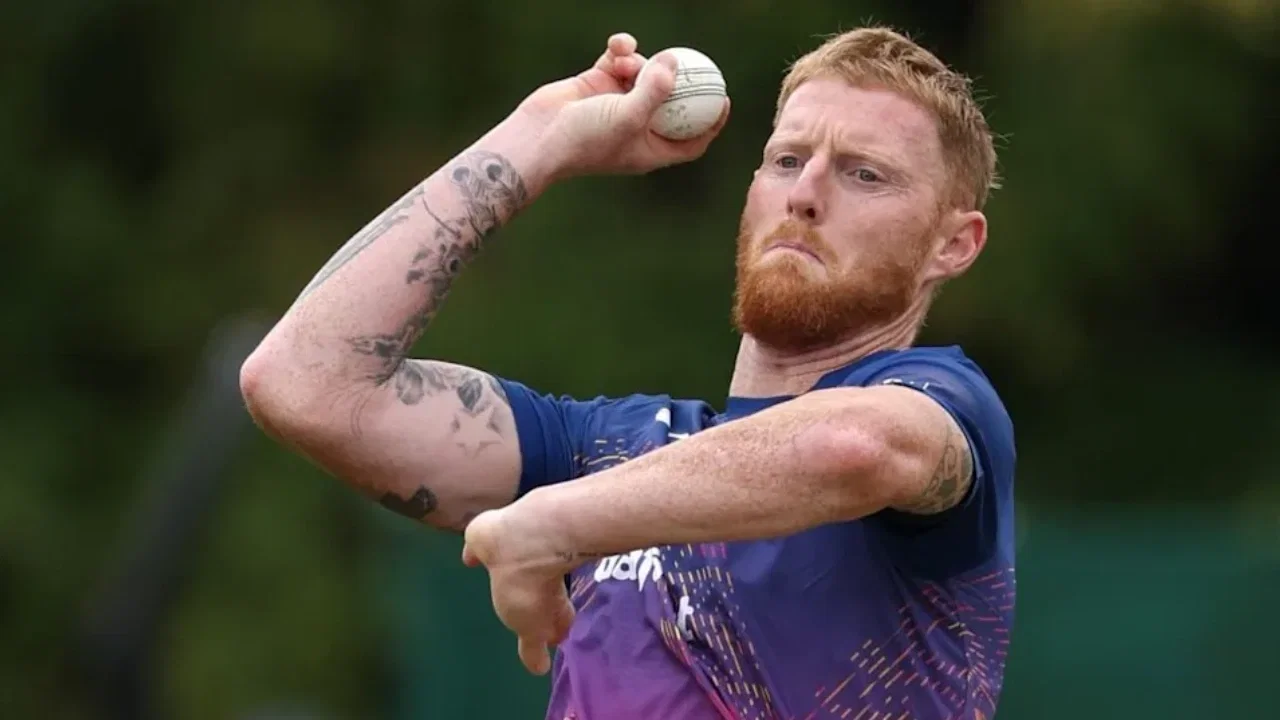
Ben Stokes eyeing Ashes 2027 comeback after snubbing IPL, PSL? England great breaks silence
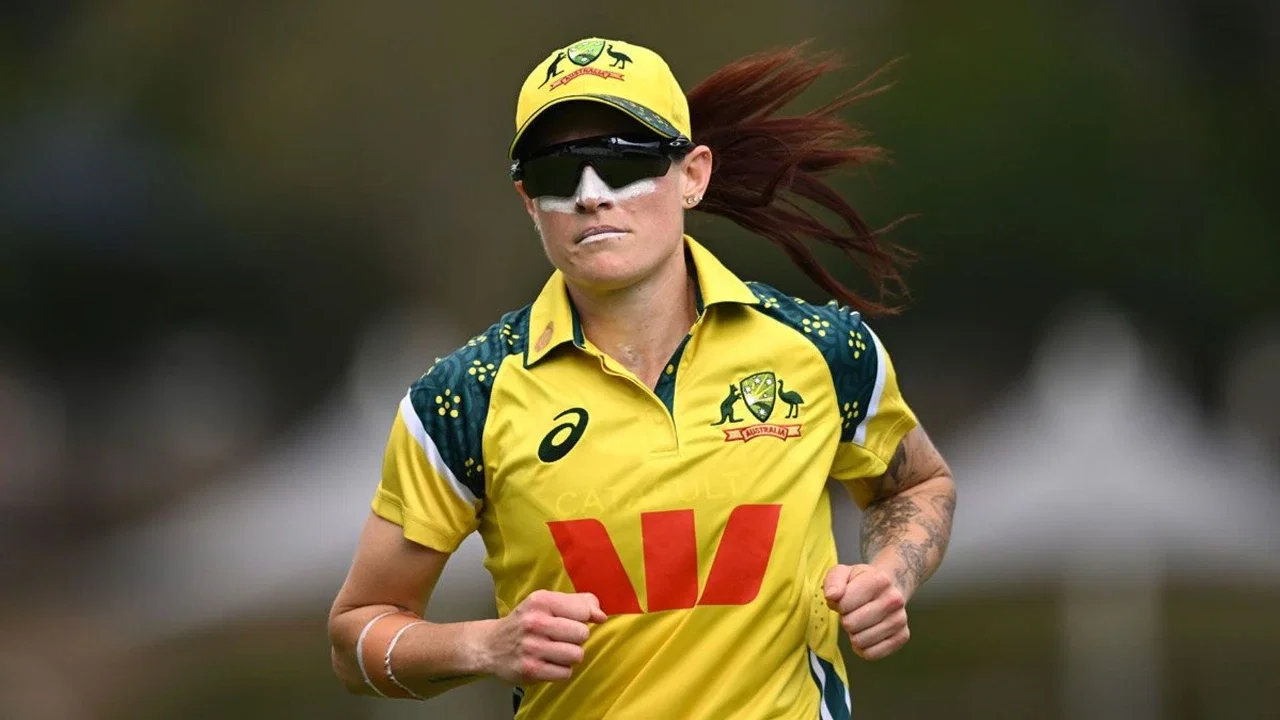
Why Megan Schutt has been banned for two matches?
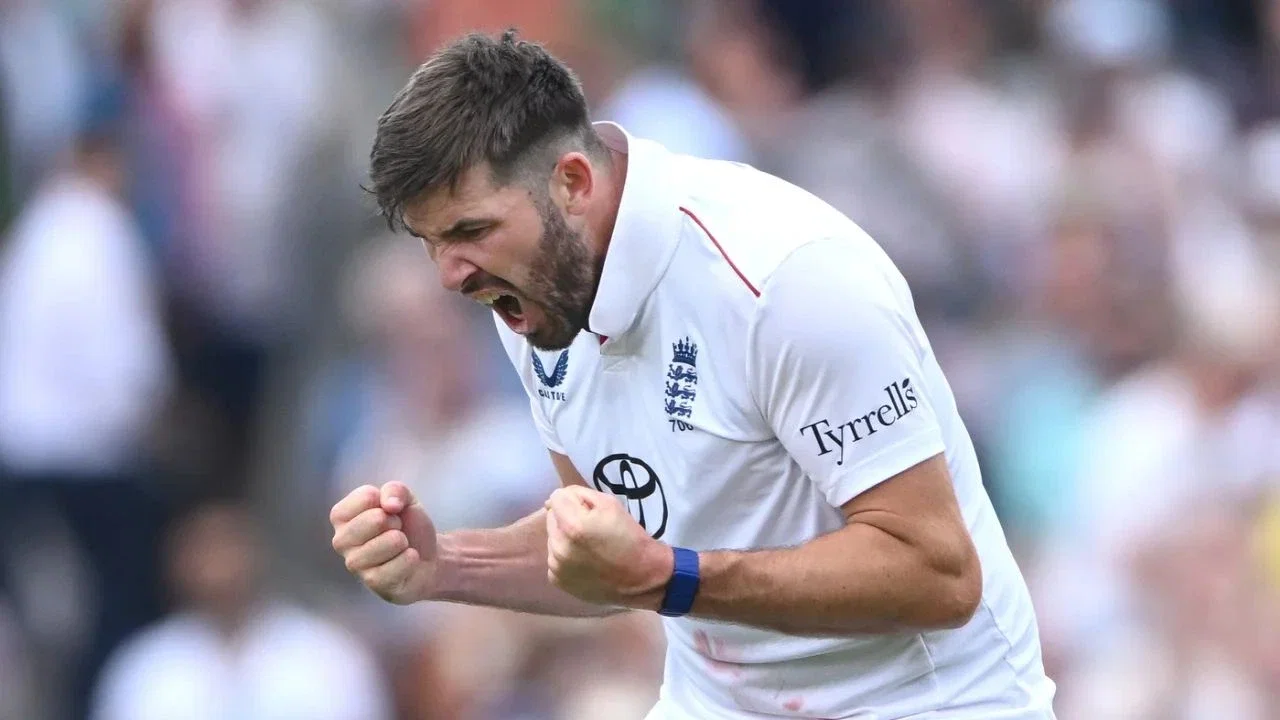
Not Ben Stokes! Jamie Overton open to Ashes 2027 comeback
Mumbai Indians announce multi-year kit partnership with Nike ahead of IPL 2027