“Didn’t get the credit he deserved”: Harbhajan Singh slams BCCI over Mohammed Shami’s Test career
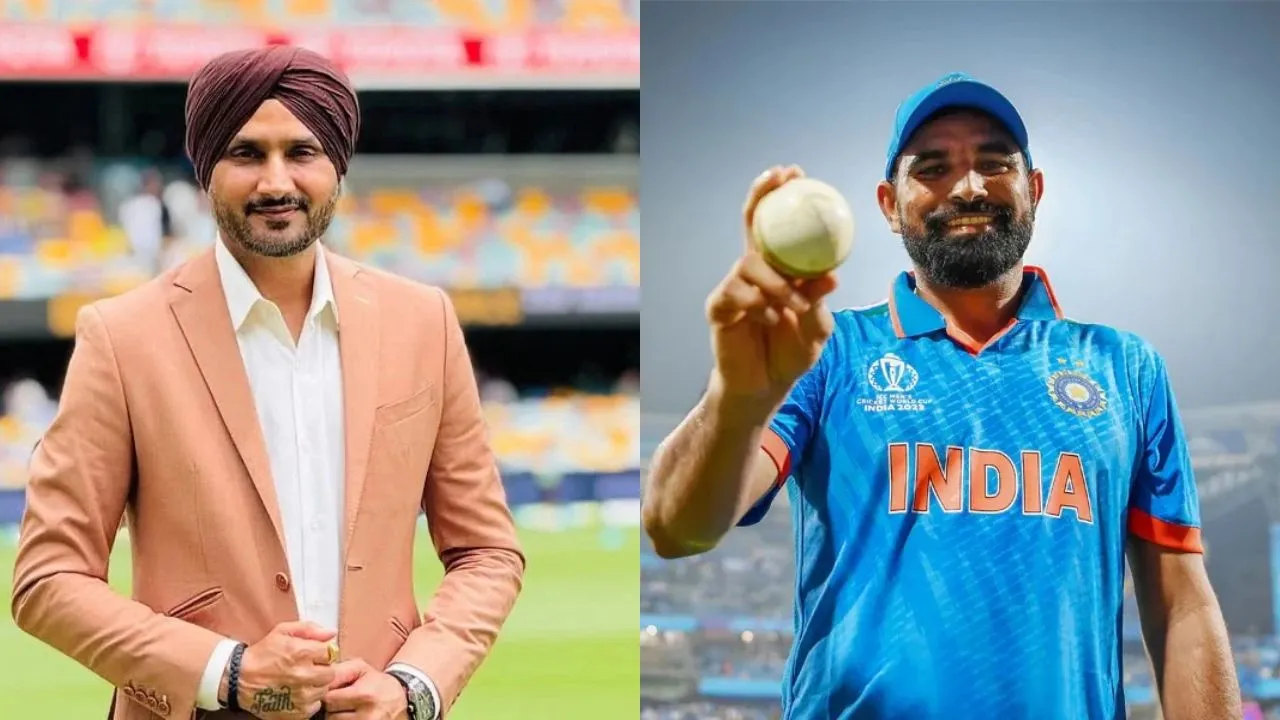
Harbhajan Singh Says Mohammed Shami Deserved More Recognition After Test Retirement
Mohammed Shami’s decision to retire from Test cricket has prompted fresh debate about the India fast bowler’s place in the national team and whether his contributions received the recognition they merited. Former India spinner Harbhajan Singh has added his voice to the discussion, describing Shami as a world-class red-ball bowler who was not given enough credit by the team management and selectors.
Shami announced his Test retirement on Friday night, surprising many supporters and former players. The decision comes after the experienced quick was repeatedly absent from India’s Test plans, even as he continued to produce strong performances in domestic cricket for Bengal. Harbhajan’s comments have renewed questions about the circumstances surrounding Shami’s exit and the possibility of whether the pacer could have made a successful return to the format.
Harbhajan: Shami Was Overlooked Despite His Test-Bowling Quality
Speaking to Mumbai Mirror, Harbhajan said Shami did not receive the recognition he deserved for his work in Test cricket. He praised the bowler’s control, uncomplicated action and ability to adapt to different conditions—qualities that made him valuable with both the new and older ball.
“Mohammed Shami was one of those bowlers who, I don’t think, got the credit he deserved,” Harbhajan said. He described Shami as a phenomenal Test bowler who could swing and seam the ball, maintain pace and deliver when India needed a breakthrough.
Harbhajan also highlighted Shami’s understanding of his own strengths. Rather than relying on dramatic changes or complicated variations, the Bengal fast bowler built pressure through a repeatable action, accurate lines and the ability to make the ball move late. Those skills are especially important in Test cricket, where a bowler may need to work patiently for long spells before creating a decisive opportunity.
According to Harbhajan, Shami’s skill set would appeal to teams around the world. He noted that the pacer could be effective on a range of surfaces, swing the new ball and generate reverse swing as it aged. Harbhajan said it was unfortunate that Shami did not receive what he considered a deserved opportunity to return to India’s Test side.
Why Shami’s Reverse Swing Remains a Major Strength
Reverse swing is one of the most demanding skills in fast bowling. It depends on pace, control, the condition of the ball and a bowler’s ability to disguise movement. Shami has long been admired for producing late movement with the older ball, particularly when conditions are dry and the ball has begun to wear.
That ability helped make him a threat beyond the early overs. A fast bowler who can move the new ball and later find reverse swing gives a captain more options across an innings. Shami’s strength was not limited to one type of pitch or one phase of a match; he could attack with a fresh ball, return for demanding spells and look for breakthroughs as the contest developed.
Harbhajan’s remarks also point to a wider selection debate in Indian cricket: how should selectors balance current form, fitness, workload and long-term planning when assessing an experienced player? Shami’s domestic performances for Bengal kept his red-ball credentials in view, but opportunities at international level remained limited. His retirement has therefore led fans to reflect on what might have happened if he had been given another sustained run in the Test side.
Harbhajan Places Shami Among India’s Greatest Fast Bowlers
Harbhajan went further than praising Shami’s technical ability. He called the pacer a match-winner for India and said that, at his best, few bowlers could match his impact. He also placed Shami among the leading Indian fast bowlers in Test history, alongside Kapil Dev, Javagal Srinath and Zaheer Khan.
That is a significant comparison, given the different eras and conditions in which those players competed. Kapil Dev was India’s first great pace-bowling all-rounder, while Srinath and Zaheer helped establish India as a more formidable fast-bowling side overseas. Harbhajan’s assessment suggests that Shami’s record and influence deserve to be considered within that same conversation.
Shami’s career has often unfolded alongside other high-profile Indian bowlers, which may have shaped public discussion of his achievements. Harbhajan argued that attention can become concentrated on one or two players, leaving the contributions of others less visible. In Shami’s case, his ability to deliver important spells across formats sometimes competed for attention with the achievements of his teammates.
Shami’s 2023 ODI World Cup: A Defining Performance
One of the clearest examples of Shami’s match-winning ability came at the 2023 ODI World Cup. He was initially not part of India’s starting XI, but Hardik Pandya’s injury opened a place in the team. Shami seized the opportunity, claiming 24 wickets in seven matches at an average of 10.70, with an economy rate below six runs per over.
His tournament performance was remarkable not only for its wicket tally but also for its timing. Shami repeatedly broke partnerships and gave India momentum during the middle and later stages of innings. His sharp seam movement, accuracy and ability to attack the stumps made him one of the tournament’s most effective bowlers.
Shami is also India’s leading wicket-taker in ODI World Cup history, with 55 wickets in 18 matches, according to the figures cited in the original report. The 2023 campaign reinforced his reputation as a bowler capable of rising to the occasion on a major stage—even after beginning the tournament outside the first-choice lineup.
What Shami’s Retirement Means for Indian Cricket
Shami’s Test retirement closes a chapter in a career defined by pace, persistence and high-impact spells. It also leaves supporters considering how his red-ball experience might have helped India in future overseas tours and demanding home series. While his retirement announcement does not erase his achievements, it has intensified scrutiny of the decisions that kept him away from the Test side.
For fans, the prediction of how Shami might have performed in a final Test comeback will remain a matter of debate. Harbhajan’s comments make clear that he believes the fast bowler still had qualities any international team would value. Whether or not Shami could have returned to India’s plans, his record in Tests, domestic cricket and the 2023 World Cup ensures that his contribution to Indian cricket will be remembered as far more than a supporting role.
As tributes continue, the central question is not simply how many wickets Shami took, but how consistently he changed the course of matches. Harbhajan’s assessment offers a strong reminder: Shami’s combination of pace, control, swing and reverse swing made him one of India’s most complete fast bowlers of his generation.
Latest News
Arshdeep Singh’s record under Rohit Sharma makes Mumbai Indians trade intriguing
Mohammed Shami forced into retirement? BCCI issues official statement
Sunil Gavaskar defends Gautam Gambhir’s decision to promote Axar Patel over KL Rahul
“Didn’t get the credit he deserved”: Harbhajan Singh slams BCCI over Mohammed Shami’s Test career
Who is Arjun Rajput? India star who smashed brilliant century against Pakistan in U19 Asia Cup
Usman Khawaja alleges Pakistani descent cost him Australia captaincy after Sandpapergate
Marketing strategy? Usman Khawaja explains why he took 8 years to address Sandpapergate
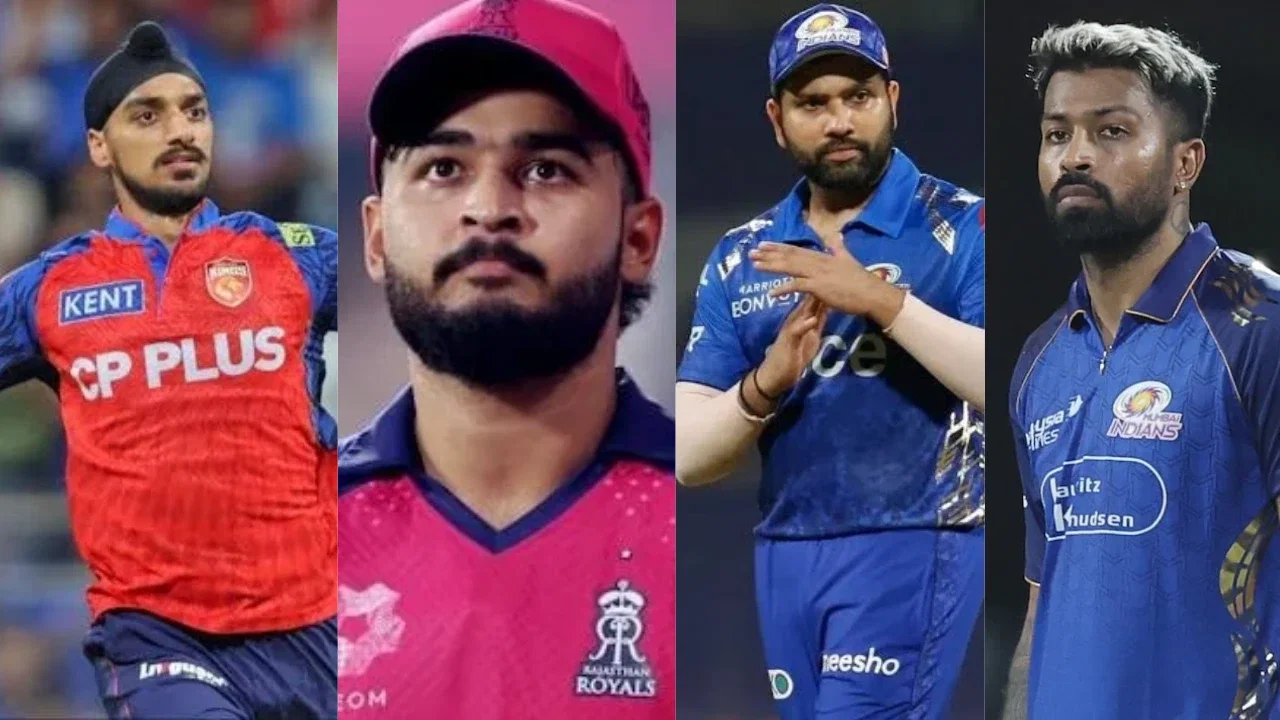
Rohit Sharma, Riyan Parag to captain MI, RR as Hardik Pandya-Arshdeep Singh switch teams
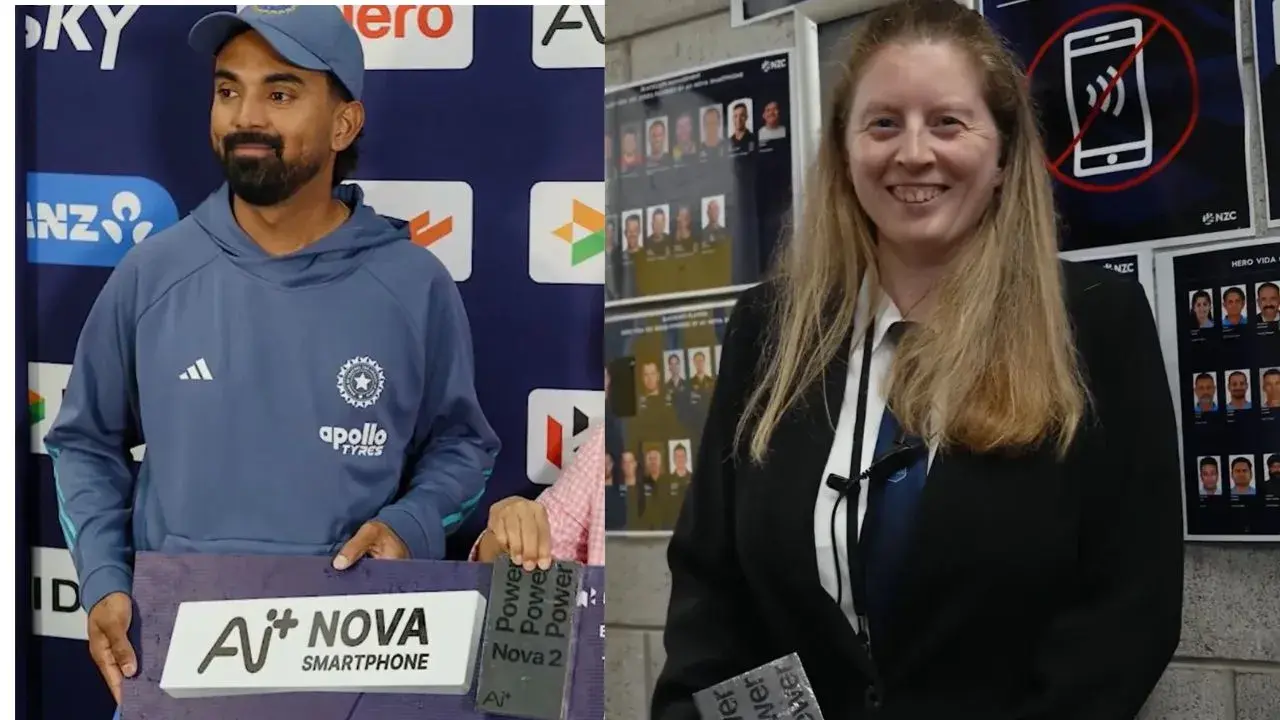
KL Rahul wins hearts with special gift for female stadium staff member after India’s win vs NZ
Watch: India-Pakistan no-handshake row continues as Lakshya Raichandani snubs Farhan Yousaf
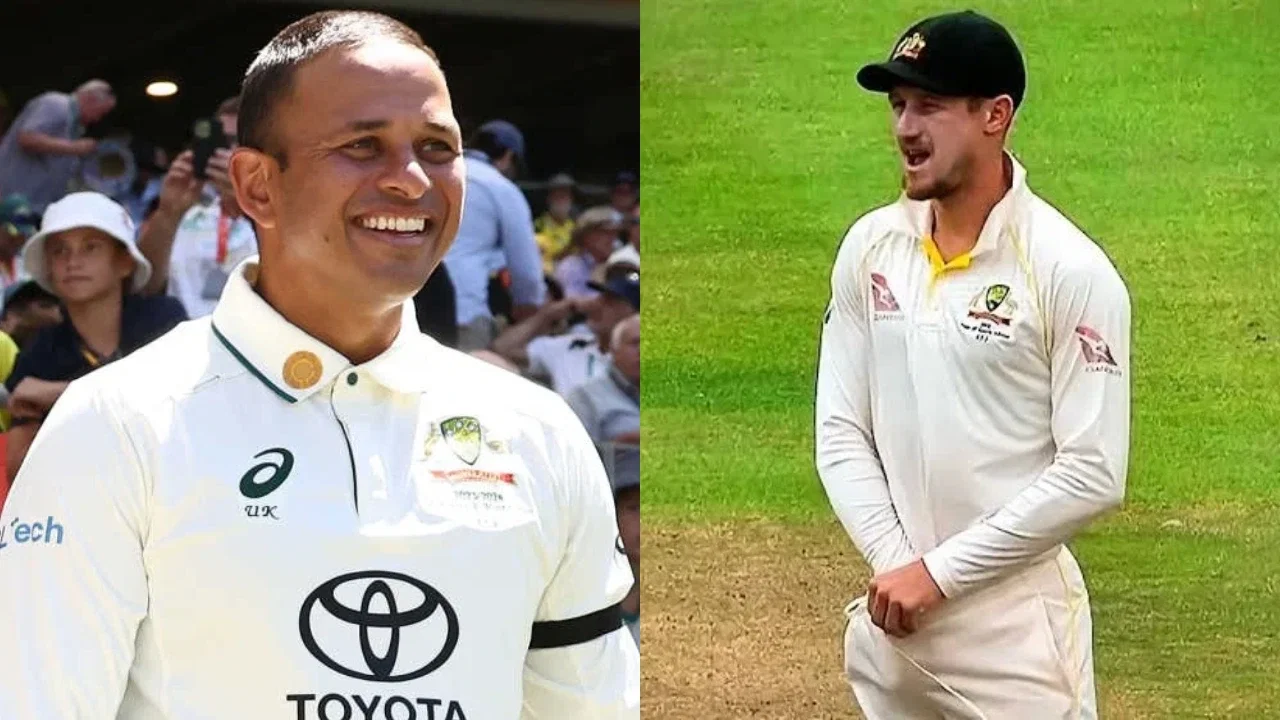
Cameron Bancroft refuses to look back as Usman Khawaja reignites Sandpapergate
Shadman Islam ruled out of South Africa tour in major blow for Bangladesh
Rajat Patidar tells BCCI to remove him from Asia Cup squad, Ayush Badoni comes in
PAK vs SL Playing 11 Today, Live Streaming, Pitch & Weather: Sri Lanka tour of Pakistan 2026, 1st Test