Who is Arjun Rajput? India star who smashed brilliant century against Pakistan in U19 Asia Cup
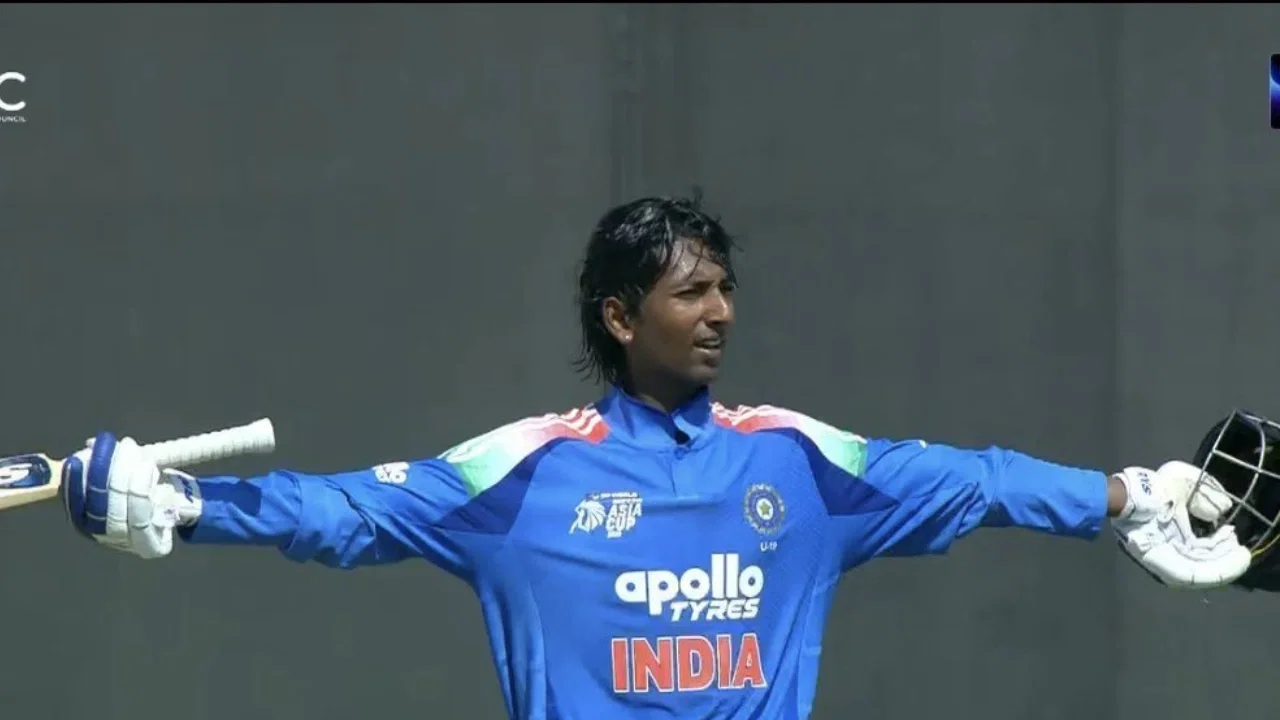
Who Is Arjun Rajput? India U-19 Batter’s Stunning Century Turns the Tide Against Pakistan
India’s Under-19 team appeared to be in serious trouble against Pakistan in their Asia Cup match in Doha on November 8. Four quick wickets had left the side at 42 for 4, handing Pakistan early control and putting India’s batting lineup under pressure. Then Arjun Rajput walked in and changed the mood of the contest.
The Punjab-born left-hander produced a remarkable century from just 80 balls, combining composure with attacking intent to revive India’s innings. His performance was more than a personal milestone: it was a statement of temperament in one of youth cricket’s most closely watched rivalries. Rajput’s innings also prompted fans to ask a natural question: who is Arjun Rajput, the young batter who stood firm when India needed him most?
Arjun Rajput’s Background and Batting Style
Rajput hails from Jalandhar, Punjab, and built his reputation through age-group cricket, domestic competitions and local leagues before earning opportunities with India’s junior side. He is a left-handed batter known for playing with positive intent, but his innings against Pakistan showed that he can also adapt when the situation calls for patience.
His aggressive approach has led some observers to compare his style with Indian great Yuvraj Singh, another left-hander celebrated for combining clean striking with confidence under pressure. Such comparisons are inevitably premature for a developing player, but Rajput’s ability to attack across the ground—and to keep scoring after early wickets—helps explain why his game has attracted attention.
Against Pakistan, he used his feet to disrupt the bowlers’ lengths and showed a broad range of strokes. Rather than relying on one scoring area, Rajput looked to find gaps around the field, making it harder for Pakistan to settle into a defensive plan. His rapid hundred was a reminder that a young batter’s impact is measured not only by the number of runs, but by the timing and circumstances in which they arrive.
Early Success as Punjab U-16 Captain
Rajput’s rise began in Punjab’s age-group system. During the 2022–23 Vijay Merchant Trophy, he made a significant contribution to Punjab Under-16’s title-winning campaign. He also captained the side, taking on leadership responsibilities while establishing himself as a dependable top-order batter.
In the final against Madhya Pradesh Under-16, Rajput came in at No. 3 and scored 52 from 104 deliveries, including eight boundaries. The innings was measured rather than explosive, reflecting the demands of a longer-format final. Punjab went on to win the summit clash by 10 wickets and lift the trophy, giving Rajput an early achievement that combined individual contribution with team success.
That experience may have helped shape the patience he displayed in Doha. A batter who has learned to build an innings in a multi-day age-group competition can draw on those foundations when a limited-overs match begins to unravel. His century against Pakistan was fast, but the situation required more than power: it called for judgement about when to defend, rotate the strike and accelerate.
Performances Across India’s Junior Cricket Circuit
As he progressed into the Under-19 level, Rajput continued to gain experience in prominent competitions, including the Cooch Behar Trophy and Vinoo Mankad Trophy. These tournaments provide young players with opportunities to face stronger opposition and demonstrate consistency over the course of a season.
Rajput is also recognised as a right-arm off-spinner, giving him an additional role in the team. His value is therefore not limited to batting. In modern youth cricket, players who can contribute in more than one discipline often provide selectors with useful flexibility, particularly when teams are balancing specialist batters, bowlers and all-rounders.
His attacking potential was evident in the Sher-E-Punjab T20 Cup, where he represented Ludhiana Lions. One of his standout performances was a 46-ball 78 against Mohali. The innings showcased the quicker scoring gear that later came to the fore against Pakistan, while also giving him experience in the demands of short-format cricket.
International Youth Performances Before the Pakistan Match
Rajput had already delivered encouraging performances against international youth opposition before his headline-making century. Against Sri Lanka Under-19 in Hambantota on July 6, he scored 76 from 81 balls, hitting nine fours and a six. He was India’s second-highest run-scorer in the match, behind Anvay Dravid.
He has also contributed with the ball. Rajput claimed a wicket against Australia Under-19 in Rajkot on September 18, then produced a more eye-catching return against Nepal in the ongoing Under-19 Asia Cup in Doha, taking three wickets for eight runs. Those figures underlined his potential as a genuine all-round option rather than a batter who bowls only occasionally.
That combination of recent batting and bowling contributions offers important context for his performance against Pakistan. The century was a breakthrough moment, but it came after a period of steady exposure to different formats and opponents. Each step—from Punjab age-group cricket to domestic T20 competition and international youth fixtures—has helped prepare him for higher-pressure situations.
What Rajput’s Century Could Mean for India
India’s early collapse made the match a demanding test of character. Rajput’s response gave the innings a new direction and demonstrated the value of a player who can remain composed while still putting pressure back on the opposition. For India’s team management, his performance may strengthen the case for giving him a regular role in the batting order and continuing to develop his off-spin.
Any prediction about Rajput’s long-term future should be made cautiously. One exceptional innings does not guarantee a senior international career, and youth cricket can be unpredictable. Consistency, fitness, adaptability and performances against varied bowling attacks will matter as his career progresses. Still, a century off 80 balls against Pakistan, following strong contributions in domestic and youth cricket, provides a compelling foundation for optimism.
For supporters searching for the next generation of Indian cricket talent, Rajput’s story is one to follow. He has already shown that he can lead an age-group side, score at different tempos, contribute with the ball and respond to pressure on a major stage. His innings in Doha may prove to be a defining early chapter—but the more significant test will be whether he can build on it in the matches ahead.
Latest News
Arshdeep Singh’s record under Rohit Sharma makes Mumbai Indians trade intriguing
Mohammed Shami forced into retirement? BCCI issues official statement
Sunil Gavaskar defends Gautam Gambhir’s decision to promote Axar Patel over KL Rahul
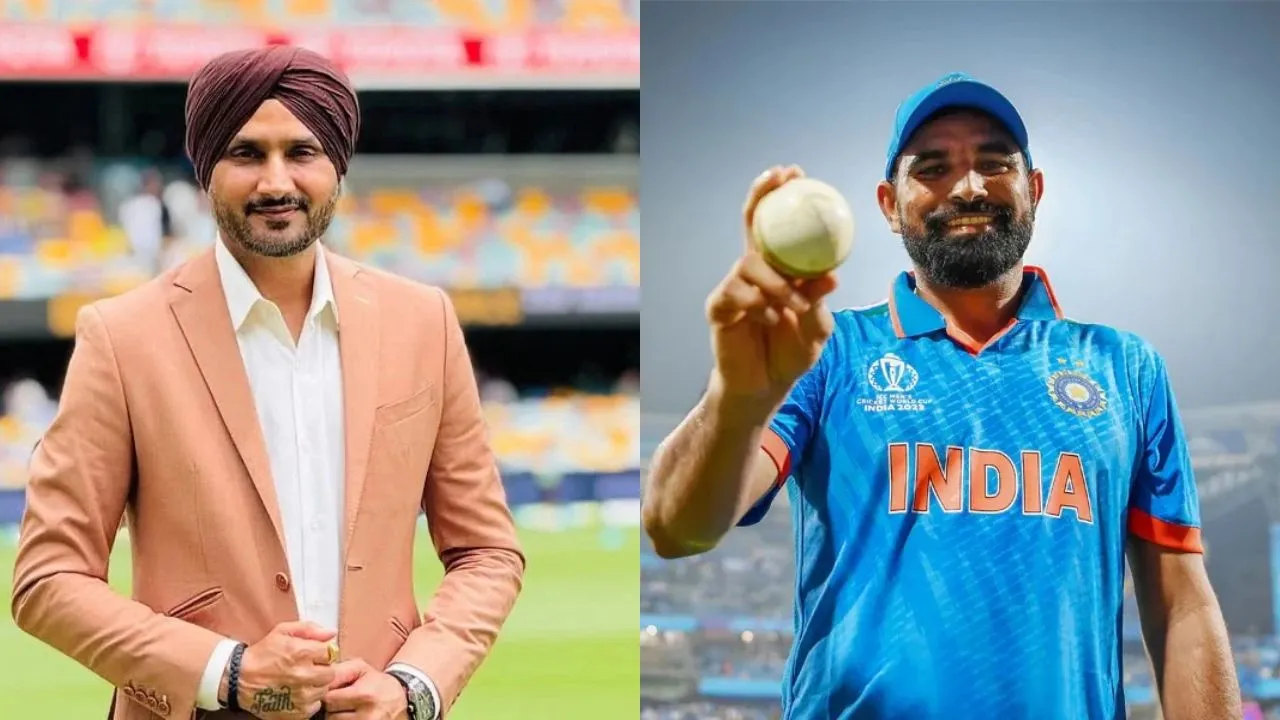
“Didn’t get the credit he deserved”: Harbhajan Singh slams BCCI over Mohammed Shami’s Test career
Who is Arjun Rajput? India star who smashed brilliant century against Pakistan in U19 Asia Cup
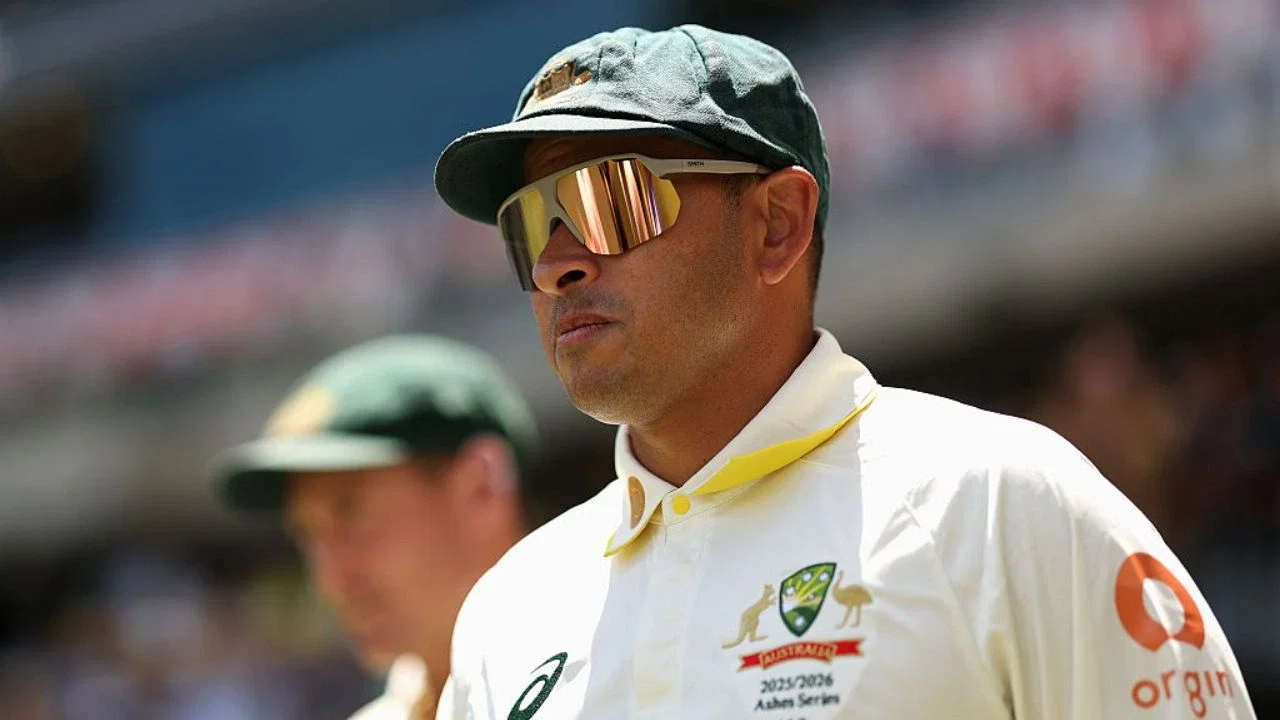
Usman Khawaja alleges Pakistani descent cost him Australia captaincy after Sandpapergate

Marketing strategy? Usman Khawaja explains why he took 8 years to address Sandpapergate
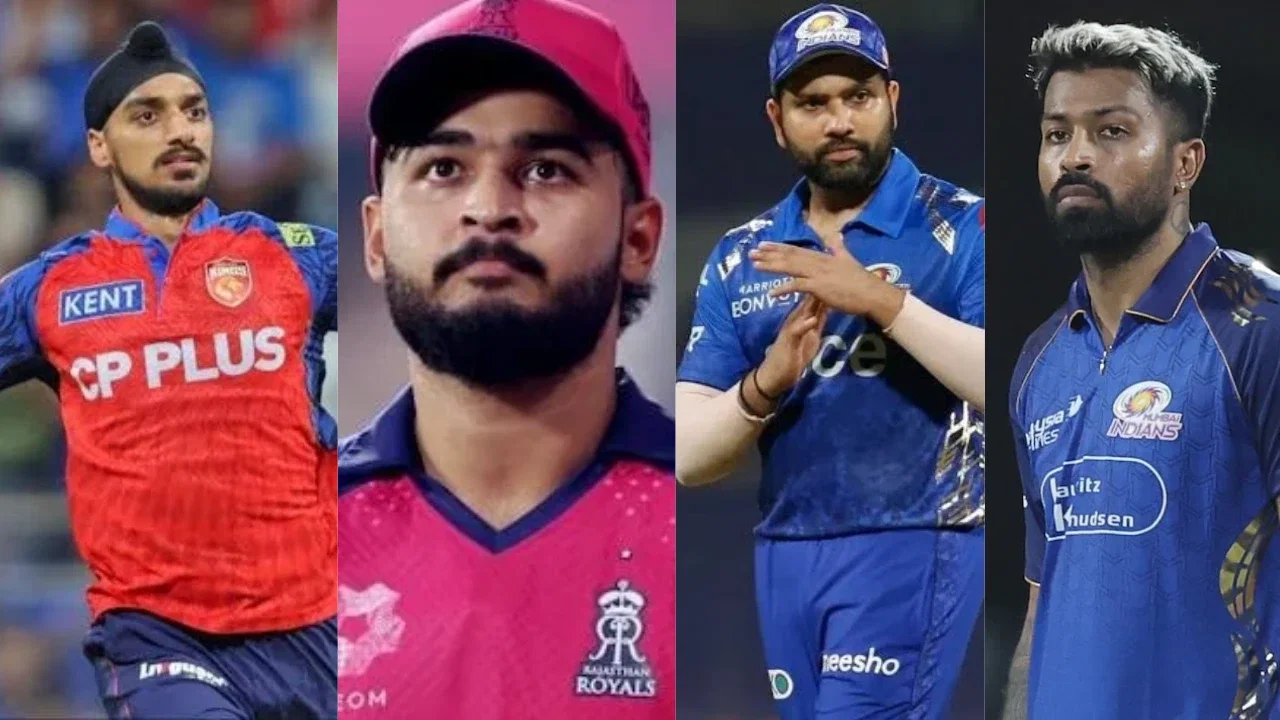
Rohit Sharma, Riyan Parag to captain MI, RR as Hardik Pandya-Arshdeep Singh switch teams
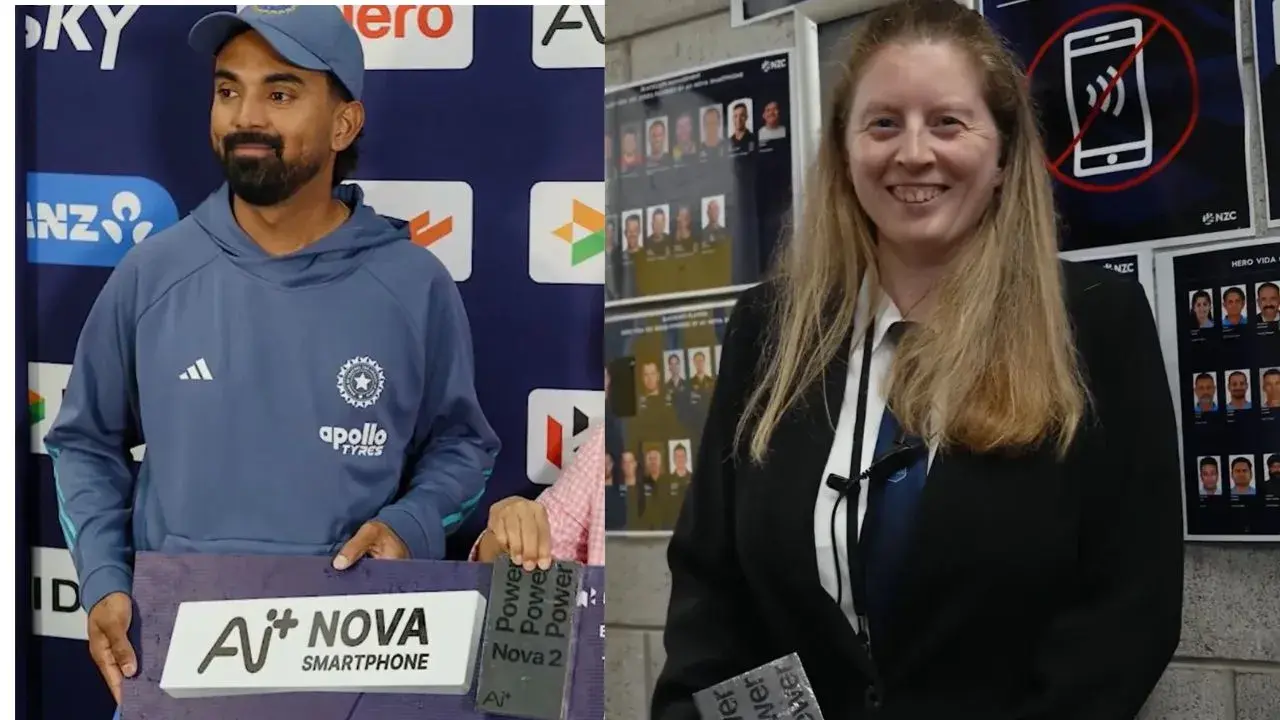
KL Rahul wins hearts with special gift for female stadium staff member after India’s win vs NZ
Watch: India-Pakistan no-handshake row continues as Lakshya Raichandani snubs Farhan Yousaf
Cameron Bancroft refuses to look back as Usman Khawaja reignites Sandpapergate

Shadman Islam ruled out of South Africa tour in major blow for Bangladesh
Rajat Patidar tells BCCI to remove him from Asia Cup squad, Ayush Badoni comes in
PAK vs SL Playing 11 Today, Live Streaming, Pitch & Weather: Sri Lanka tour of Pakistan 2026, 1st Test