Mohammed Shami forced into retirement? BCCI issues official statement
Mohammed Shami’s Test Retirement: BCCI Says the Decision Was His Own
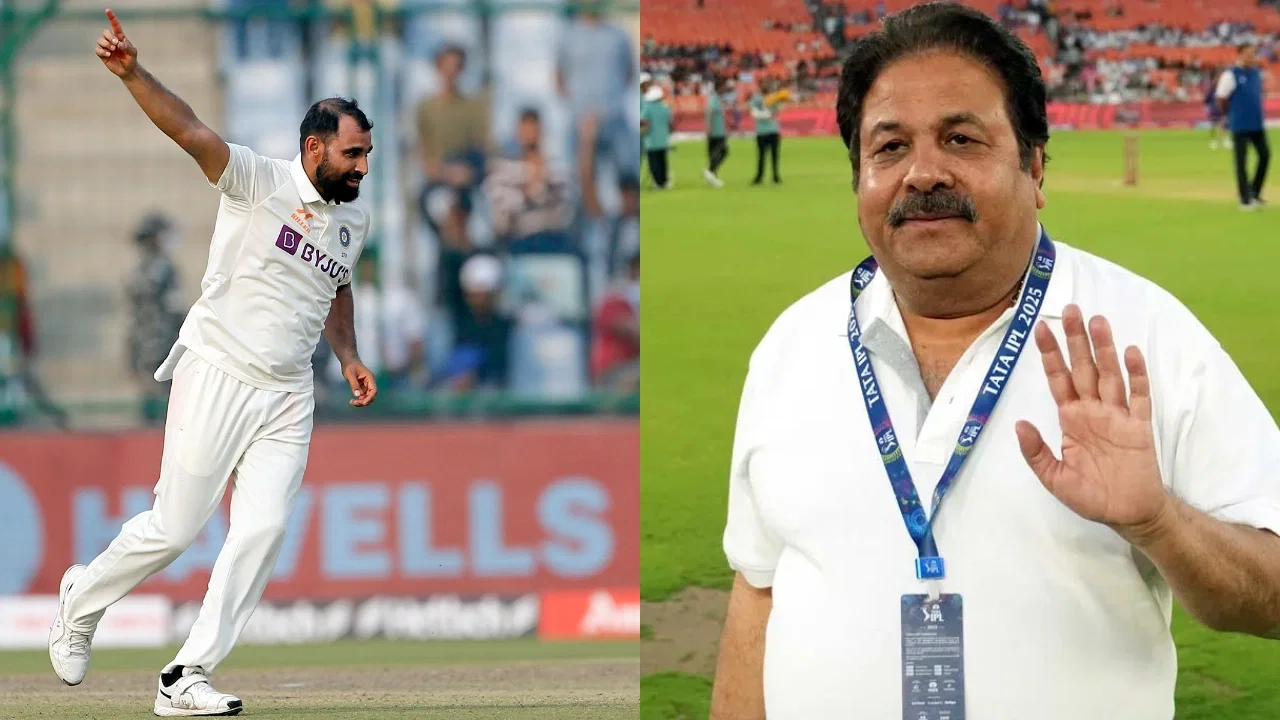
Mohammed Shami’s decision to retire from Test cricket has prompted questions about whether the veteran fast bowler was pushed toward the exit after being left out of India’s plans. But BCCI vice-president Rajeev Shukla has rejected that suggestion, saying Shami made the choice himself and that the board did not pressure him to retire.
Shami announced his retirement on November 6, 2026—exactly 13 years after making his Test debut. The timing gave the announcement added significance, while his recent performances in domestic cricket made the news especially striking. For many fans, the central question was not only why Shami chose to step away, but whether he still had a route back into the national Test side.
Rajeev Shukla Says Retirement Was Shami’s Personal Decision
Speaking to ANI, Shukla described Shami’s retirement as an individual decision rather than one influenced by the Board of Control for Cricket in India. He praised the fast bowler’s contribution across formats and wished him well for the next stage of his career.
Shukla’s comments addressed speculation that Shami’s absence from recent Test squads may have played a role in his decision. He said the BCCI does not pressure players to retire, adding that the board supported Shami after he chose to end his red-ball career.
“It is his own decision,” Shukla said, reflecting on Shami’s service to Indian cricket. He also highlighted the bowler’s ability in Test cricket and noted that Shami had performed strongly in both red-ball and white-ball formats.
Test Selection Questions Followed Shami’s Omission
Discussion about Shami’s future intensified after selectors left him out of India’s squad for a Test series against the West Indies. The omission came despite the pacer producing impressive performances for Bengal in domestic competitions, including the Ranji Trophy.
Fitness concerns were cited as a key consideration. When chief selector Ajit Agarkar was asked about Shami’s prospects, he said he did not have enough information about the bowler’s current fitness to offer a definitive assessment. That uncertainty left fans wondering whether the 35-year-old could return to the Test setup.
Selection decisions are shaped by more than a player’s recent wicket tally. For a fast bowler returning from major injuries, selectors and team management must also consider workload, recovery, match readiness and the demands of a long international season. Shami’s omission therefore did not, by itself, confirm that his Test career was over—but it did underline the challenges he faced in making a comeback.
Injuries Interrupted a Distinguished Career
Shami’s retirement followed a difficult period marked by repeated fitness setbacks. After India’s 2023 ODI World Cup campaign, he underwent major surgery in the United Kingdom in February 2024 to address problems involving his heel and Achilles tendon. The procedure kept him away from competitive cricket for an extended period.
He also dealt with knee issues during his recovery, complicating his return to the field. For a fast bowler, injuries affecting the lower body can be particularly demanding: pace, balance and the ability to repeat a high-intensity bowling action all depend on sustained physical conditioning. A gradual comeback is often essential, even for an experienced international player.
Those setbacks interrupted the momentum of a career built on pace, seam movement and an ability to trouble batters in different conditions. Shami became one of India’s most effective fast bowlers, contributing in Tests as well as limited-overs cricket. His record in the longest format helped establish him as a reliable wicket-taking option, particularly when India needed breakthroughs with the ball.
Strong Domestic Form Kept the Comeback Prediction Alive
Despite his injury history, Shami returned to domestic cricket and delivered a series of notable performances for Bengal. His 2025–26 Ranji Trophy campaign was particularly impressive: he claimed 37 wickets in seven matches, including a nine-wicket haul against Jammu and Kashmir in the semifinal.
He also played a significant role in East Zone’s success in the Duleep Trophy. Those performances offered a reminder of his enduring skill and fueled prediction and debate among supporters about whether he could still return to international red-ball cricket.
However, strong domestic numbers do not automatically guarantee a place in the national side. A Test comeback would also depend on Shami’s ability to maintain fitness, handle the workload of a multi-day match and satisfy selectors that he could contribute consistently over a full series. His performances suggested that his bowling ability remained intact, while the question of long-term physical readiness was harder to answer from the outside.
What Shami’s Retirement Means for Indian Cricket
By stepping away from Tests, Shami brings an end to one chapter of his international career while leaving open the possibility of continuing in other formats. Shukla’s remarks indicate that the BCCI views the decision as Shami’s choice, not as a forced response to selection or injury concerns.
The announcement also highlights the difficult decisions elite fast bowlers face late in their careers. Test cricket demands sustained effort over several days, and recovery can become more challenging after major surgery. Choosing to retire from the format may allow Shami to manage his workload and focus on the forms of cricket that remain available to him.
For Indian fans, Shami’s Test career will be remembered for his ability to deliver incisive spells and produce wickets when momentum mattered. His domestic resurgence made a return a compelling possibility, but the prediction of a comeback ultimately gave way to his own decision to move on from Test cricket.
As Shukla’s statement makes clear, the BCCI says it did not force Shami’s hand. The fast bowler’s retirement closes a significant chapter in Indian cricket, while his future in white-ball cricket remains a separate story to follow.
Latest News
Arshdeep Singh’s record under Rohit Sharma makes Mumbai Indians trade intriguing
Mohammed Shami forced into retirement? BCCI issues official statement
Sunil Gavaskar defends Gautam Gambhir’s decision to promote Axar Patel over KL Rahul
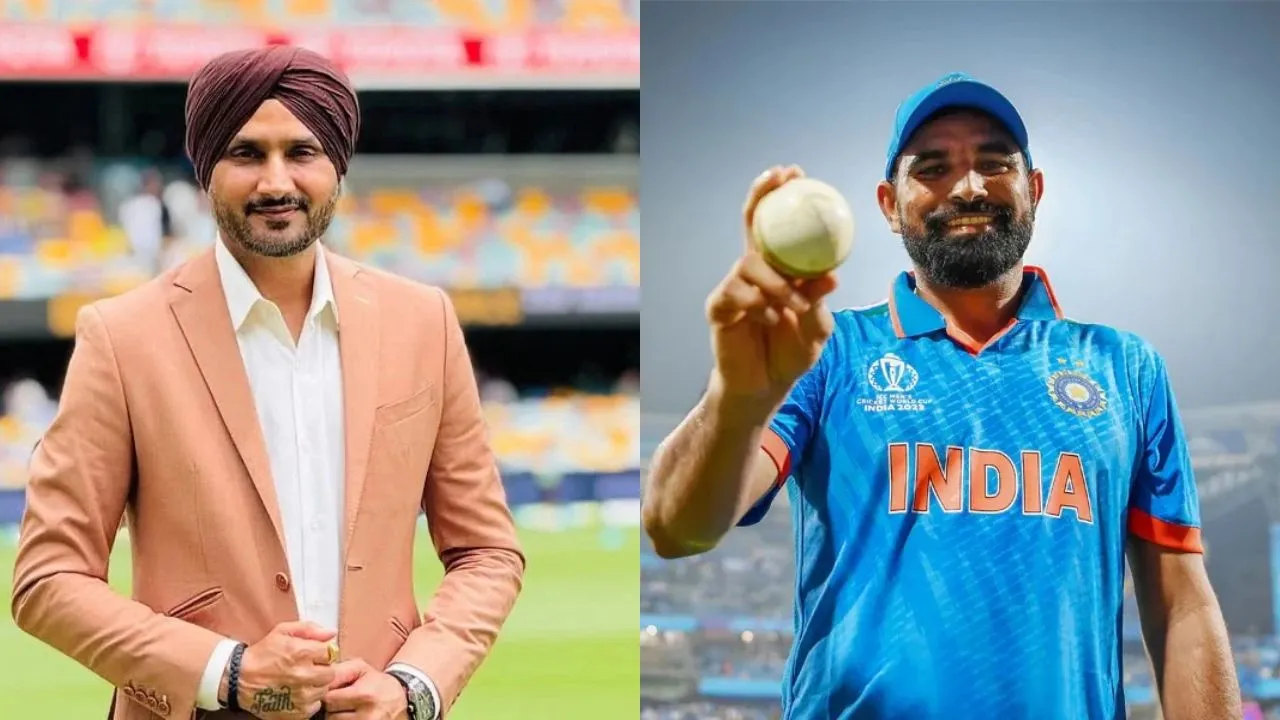
“Didn’t get the credit he deserved”: Harbhajan Singh slams BCCI over Mohammed Shami’s Test career
Who is Arjun Rajput? India star who smashed brilliant century against Pakistan in U19 Asia Cup
Usman Khawaja alleges Pakistani descent cost him Australia captaincy after Sandpapergate
Marketing strategy? Usman Khawaja explains why he took 8 years to address Sandpapergate
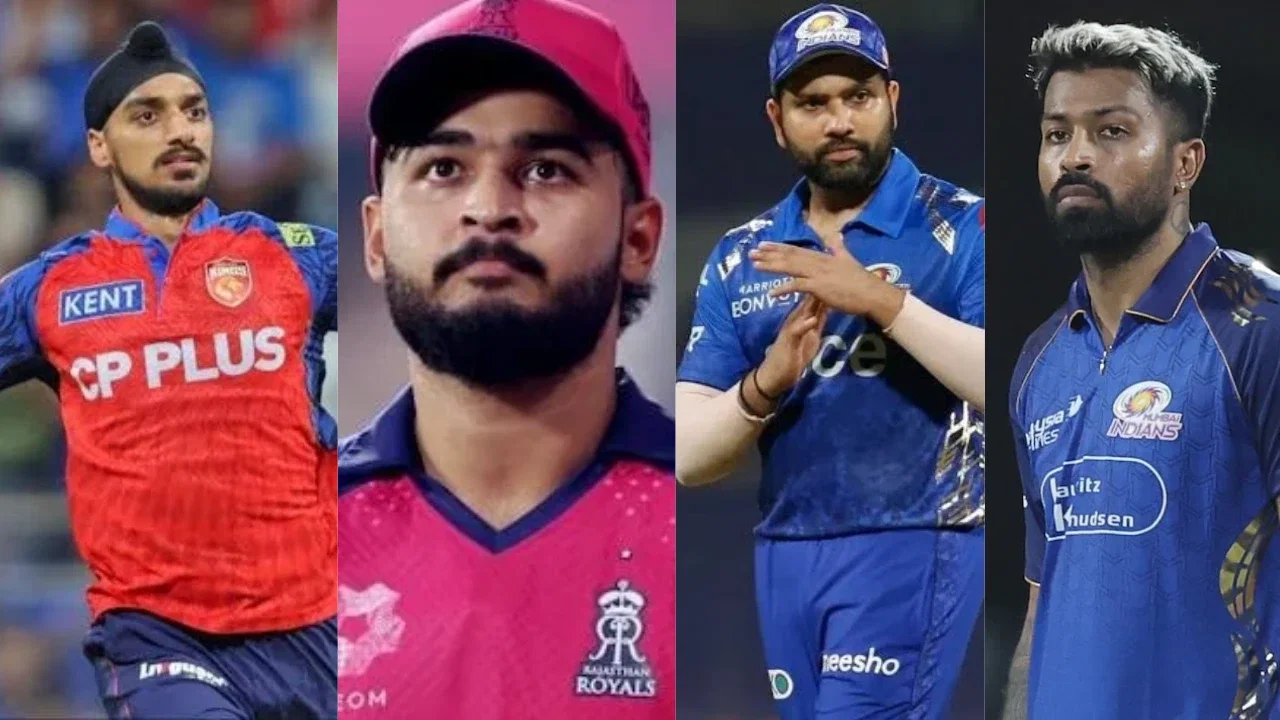
Rohit Sharma, Riyan Parag to captain MI, RR as Hardik Pandya-Arshdeep Singh switch teams
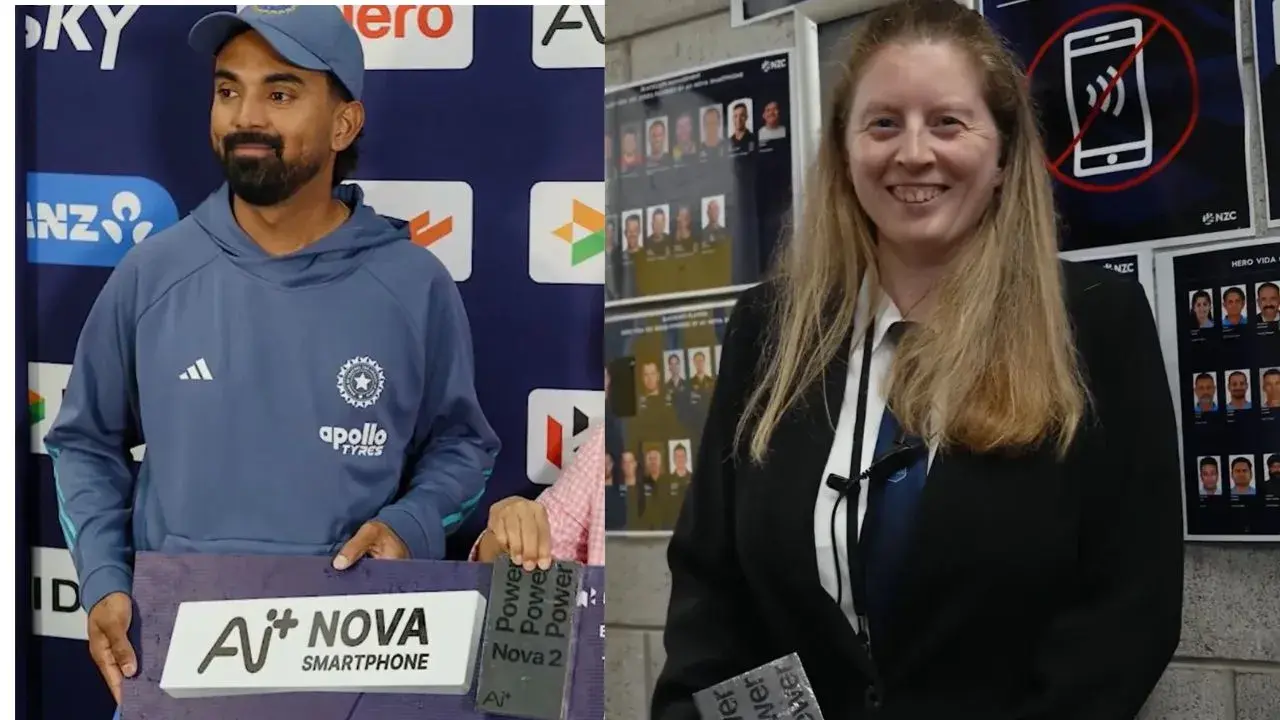
KL Rahul wins hearts with special gift for female stadium staff member after India’s win vs NZ
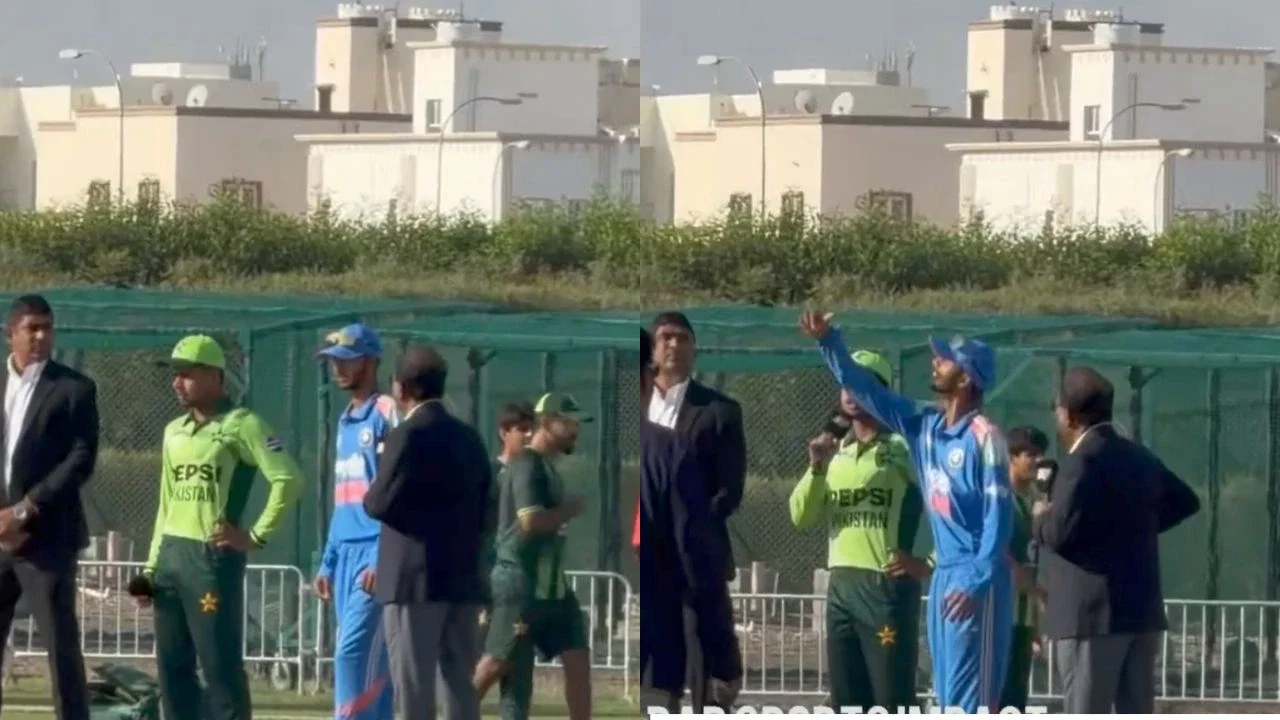
Watch: India-Pakistan no-handshake row continues as Lakshya Raichandani snubs Farhan Yousaf
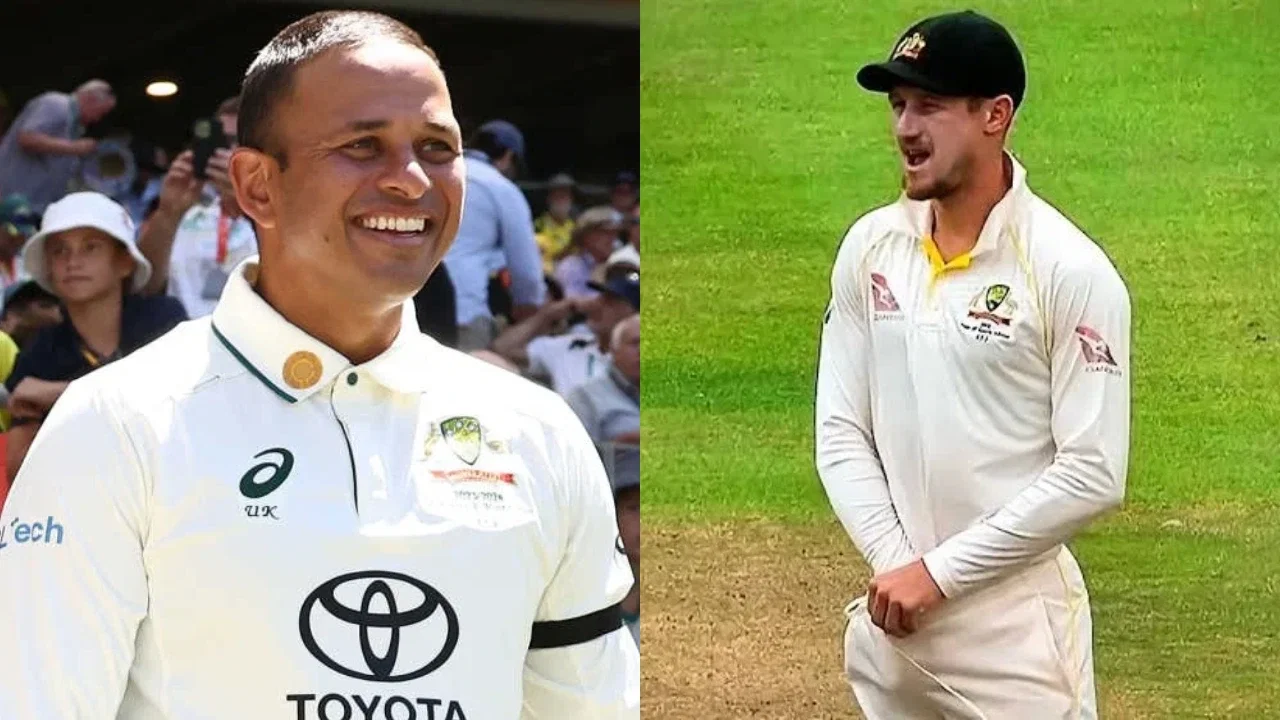
Cameron Bancroft refuses to look back as Usman Khawaja reignites Sandpapergate
Shadman Islam ruled out of South Africa tour in major blow for Bangladesh
Rajat Patidar tells BCCI to remove him from Asia Cup squad, Ayush Badoni comes in
PAK vs SL Playing 11 Today, Live Streaming, Pitch & Weather: Sri Lanka tour of Pakistan 2026, 1st Test