Sunil Gavaskar defends Gautam Gambhir’s decision to promote Axar Patel over KL Rahul
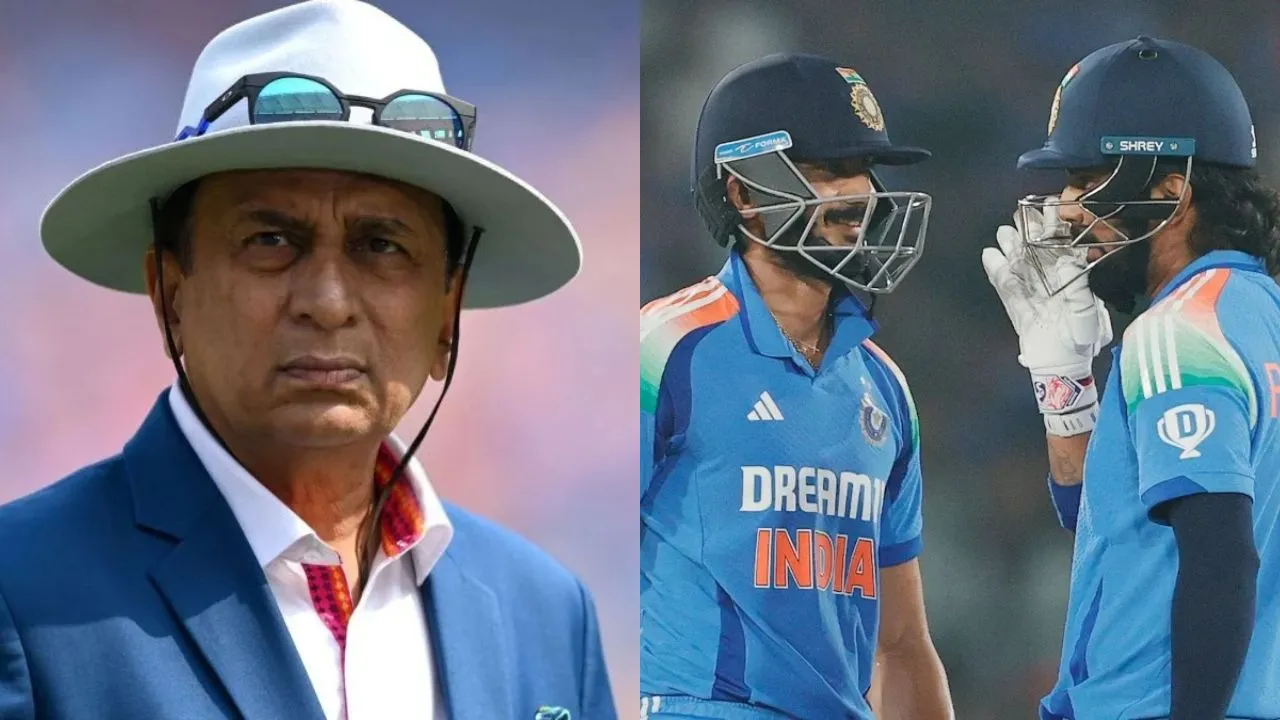
Sunil Gavaskar Backs Gautam Gambhir’s Axar Patel Promotion in India’s DLS Win
India edged New Zealand by four runs under the Duckworth-Lewis-Stern (DLS) method in a rain-affected second ODI, taking a 2-0 lead in the series. The result came after a difficult, low-scoring contest in which India’s bowlers again made the most of challenging conditions. Yet one tactical decision drew attention: Axar Patel was promoted to No. 5, ahead of KL Rahul.
India head coach Gautam Gambhir faced criticism from some observers over the batting order change. Former India captain Sunil Gavaskar, however, defended the move, arguing that it had a clear strategic purpose—even though Axar made only seven runs. Gavaskar’s comments have renewed discussion about batting match-ups, left-right combinations and the role of experimentation in ODI cricket.
Why India Promoted Axar Patel Ahead of KL Rahul
Speaking on Sony Sports Network after the match, Gavaskar explained that sending a left-handed batter into the middle can disrupt a bowling side’s rhythm. When a left-hander and a right-hander bat together, bowlers may need to adjust their line and length more frequently. Those changes can create opportunities for both batters, not just the newcomer.
“The bowlers have slight difficulty if a left-handed batter comes because you have to change the line and length you would have for a right-hander,” Gavaskar said, as quoted by The Times of India. He added that the adjustment may also affect a bowler’s accuracy against the right-handed batter at the other end, potentially opening up scoring areas.
The logic behind the promotion, then, was not simply to give Axar a higher position in the order. It was also an attempt to alter New Zealand’s bowling plans and create a different batting combination. In a tense chase, even a small tactical shift can influence how a bowling attack sets fields, chooses its lengths and manages its overs.
Gavaskar: The Strategy Was Reasonable, Even If It Did Not Work
Gavaskar also pushed back against criticism based solely on Axar’s modest score. He noted that tactical decisions are often judged by their outcome: when a promotion succeeds, it is praised as smart captaincy; when it fails, the same call can be questioned. In his view, the decision itself was not flawed simply because Axar did not make a substantial contribution.
“There was nothing wrong with that thought process. If Axar had scored runs, you would have said how good the captaincy was,” Gavaskar said. He acknowledged that such experiments sometimes work and sometimes do not, while pointing out that India still had a reliable batter in Rahul to follow Axar.
That depth is an important part of India’s batting strategy. A flexible order gives the team the option to respond to match conditions, bowling combinations and the handedness of batters at the crease. Axar’s promotion may not have produced the desired runs on this occasion, but it offered India a chance to disrupt New Zealand’s plans before Rahul came in.
India’s Bowlers Set the Tone in a Low-Scoring ODI
The match was shaped first by India’s bowling. After winning the toss, India chose to field, and New Zealand struggled to cope with a surface offering pronounced bounce. The visitors lost wickets regularly and were reduced to 55 for five, leaving their innings in danger of ending well below a competitive total.
Daryl Mitchell provided the most substantial resistance with 55 runs, while Mitchell Santner added 31. Their contributions helped New Zealand move beyond 100, but India’s bowlers kept applying pressure and eventually dismissed the side for 134.
The performance was particularly encouraging for India’s relatively inexperienced bowling group. Gurnoor Brar, Anshul Kamboj, Auqib Nabi and Arshdeep Singh have been tasked with delivering in conditions that can be demanding for visiting teams. Restricting New Zealand to fewer than 200 runs in each of the first two matches underlines how effectively India’s attack has adapted to the bounce and movement on offer.
For a young group, success in SENA conditions—South Africa, England, New Zealand and Australia—can provide valuable experience. These environments often require bowlers to make quick adjustments to length, use the pitch’s extra pace and remain disciplined when batters try to counterattack. India’s early results suggest the attack is learning those lessons quickly.
India’s Chase Brings More Pressure Than Expected
Although New Zealand’s total was modest, the chase was far from comfortable. Shubman Gill was dismissed for a golden duck, and Virat Kohli followed after scoring seven. Rohit Sharma tried to steady the innings but was out for 23 after an aggressive shot ended his stay.
Axar’s promotion did not yield a major score, as he made seven, while Shreyas Iyer contributed a fighting 30. Rahul remained unbeaten on 26, providing composure during a tense finish. With the weather interrupting play, the DLS method ultimately determined the result, and India held on for a four-run victory.
The narrow margin highlighted how quickly a low-scoring ODI can become unpredictable. A target that appears manageable can turn into a test of patience when early wickets fall, the pitch remains difficult and rain interrupts the rhythm of the chase. India’s ability to secure the win despite those setbacks will be a positive for the team, even as the batting order remains a topic of debate.
What the Result Means for India’s Series Prediction
India’s 2-0 advantage gives the Men in Blue a strong position in the series, but the second ODI also offers useful lessons. The bowling unit has shown it can control a match in challenging conditions, while the batting group will want to convert starts and avoid losing key players early.
Gambhir’s decision to promote Axar is likely to remain part of the wider conversation around India’s tactical approach. Gavaskar’s defence serves as a reminder that a selection or batting-order call should be assessed by its reasoning as well as its immediate result. With Rahul available lower down and a left-right combination potentially capable of unsettling bowlers, the move had a strategic basis—even if it did not deliver on this occasion.
As the series continues, India’s prediction will depend on whether its bowlers can maintain their discipline and the top order can provide a steadier platform. The second ODI showed that India can win a close contest through collective effort, but it also demonstrated how fine the margins can be when conditions, weather and tactical choices all shape the game.
Latest News
Arshdeep Singh’s record under Rohit Sharma makes Mumbai Indians trade intriguing
Mohammed Shami forced into retirement? BCCI issues official statement
Sunil Gavaskar defends Gautam Gambhir’s decision to promote Axar Patel over KL Rahul
“Didn’t get the credit he deserved”: Harbhajan Singh slams BCCI over Mohammed Shami’s Test career
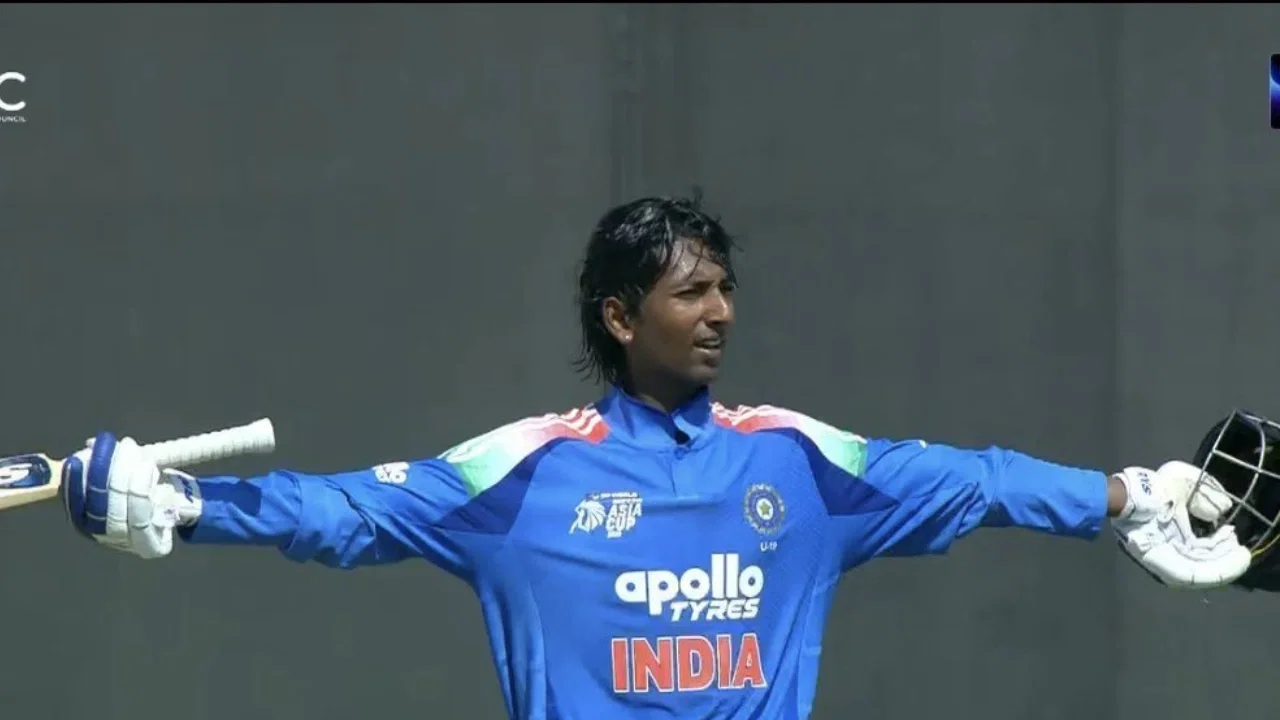
Who is Arjun Rajput? India star who smashed brilliant century against Pakistan in U19 Asia Cup
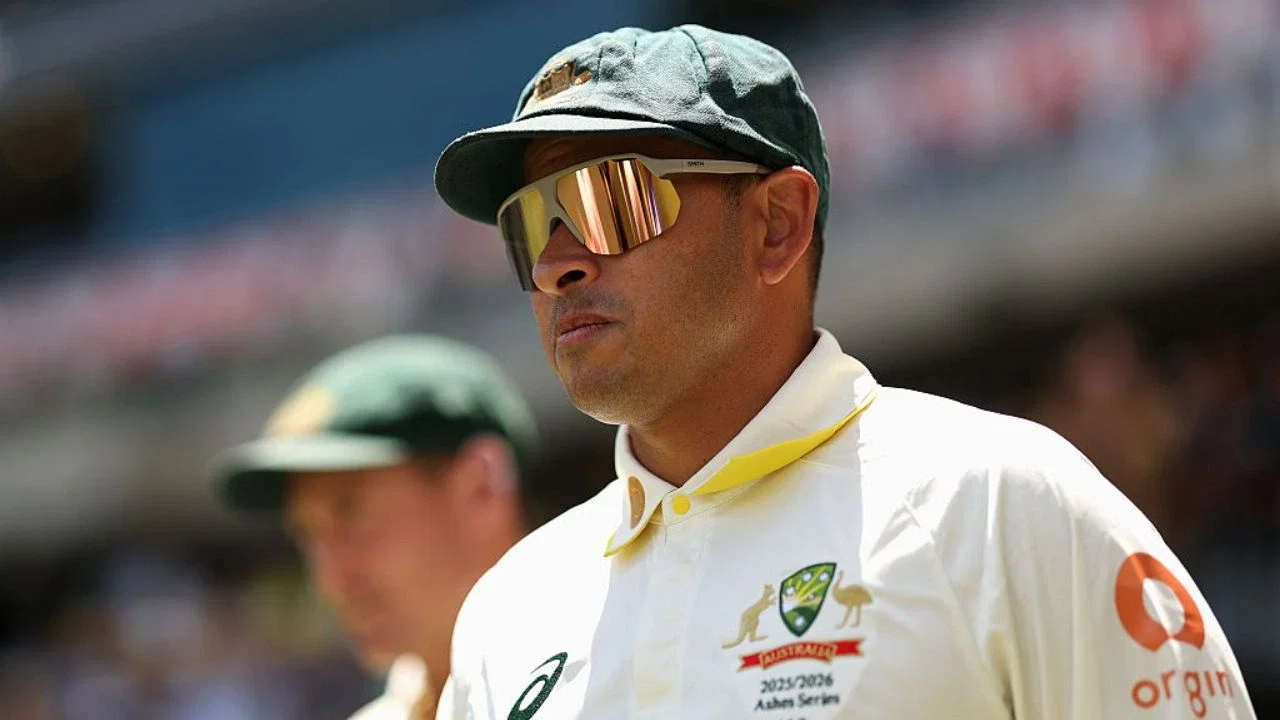
Usman Khawaja alleges Pakistani descent cost him Australia captaincy after Sandpapergate

Marketing strategy? Usman Khawaja explains why he took 8 years to address Sandpapergate
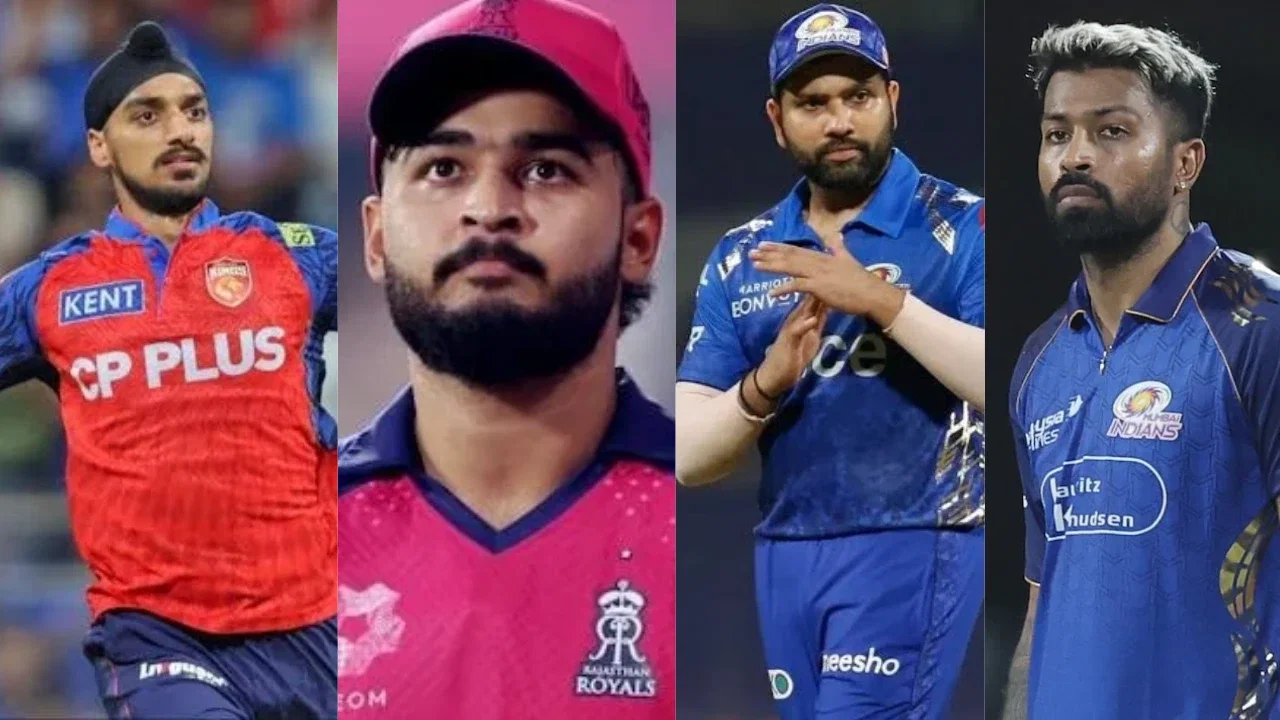
Rohit Sharma, Riyan Parag to captain MI, RR as Hardik Pandya-Arshdeep Singh switch teams

KL Rahul wins hearts with special gift for female stadium staff member after India’s win vs NZ

Watch: India-Pakistan no-handshake row continues as Lakshya Raichandani snubs Farhan Yousaf

Cameron Bancroft refuses to look back as Usman Khawaja reignites Sandpapergate

Shadman Islam ruled out of South Africa tour in major blow for Bangladesh

Rajat Patidar tells BCCI to remove him from Asia Cup squad, Ayush Badoni comes in
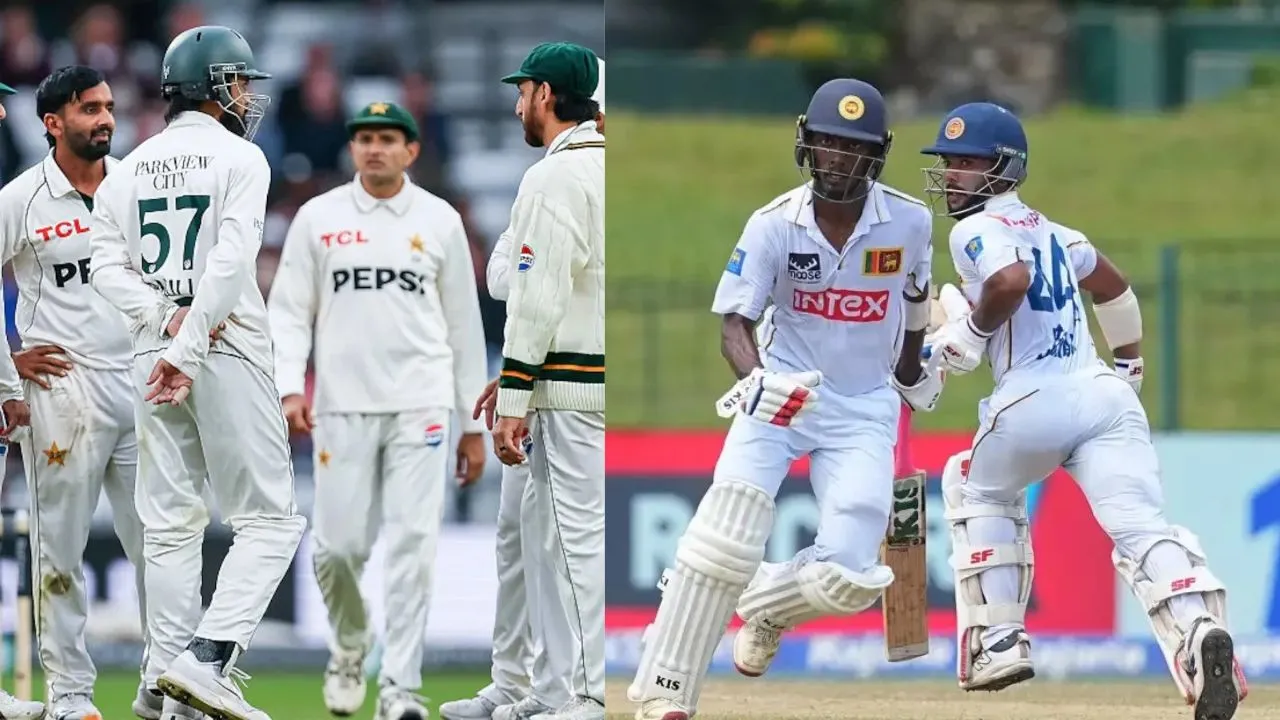
PAK vs SL Playing 11 Today, Live Streaming, Pitch & Weather: Sri Lanka tour of Pakistan 2026, 1st Test