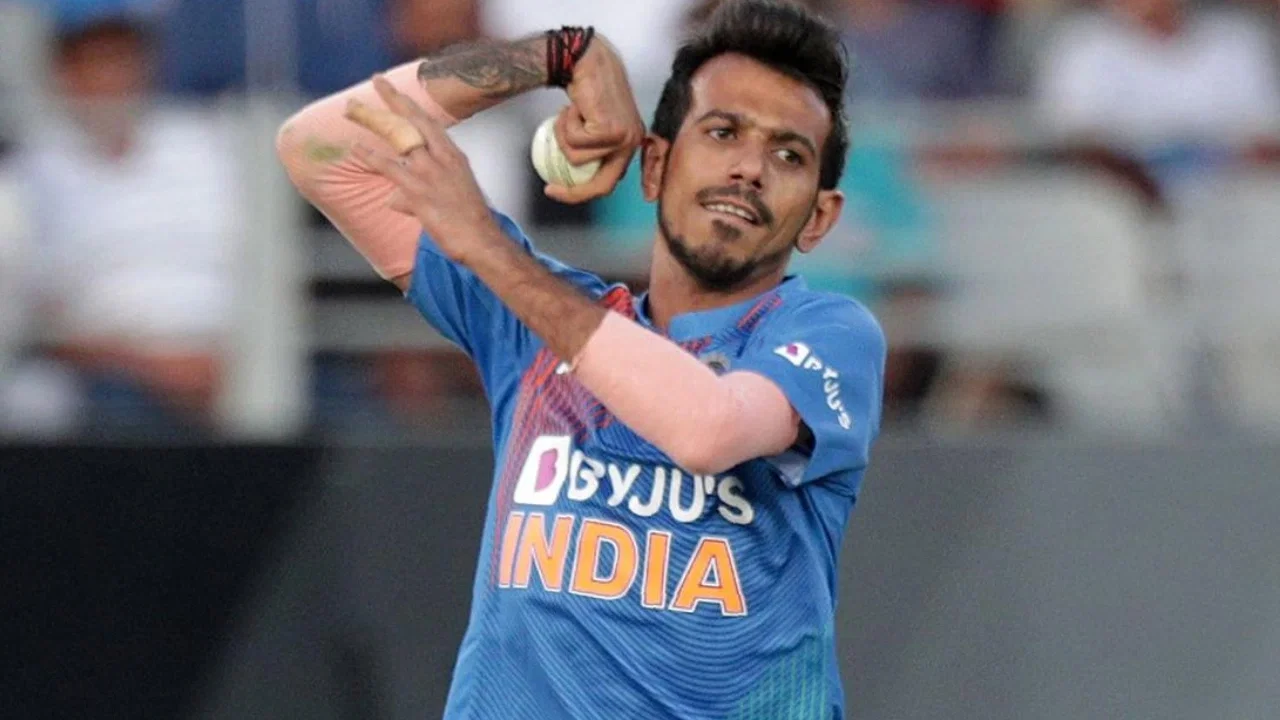
“Hopefully there’s a bit more help”: Shubman Gill wants better bowling conditions in 2nd Test at Christchurch
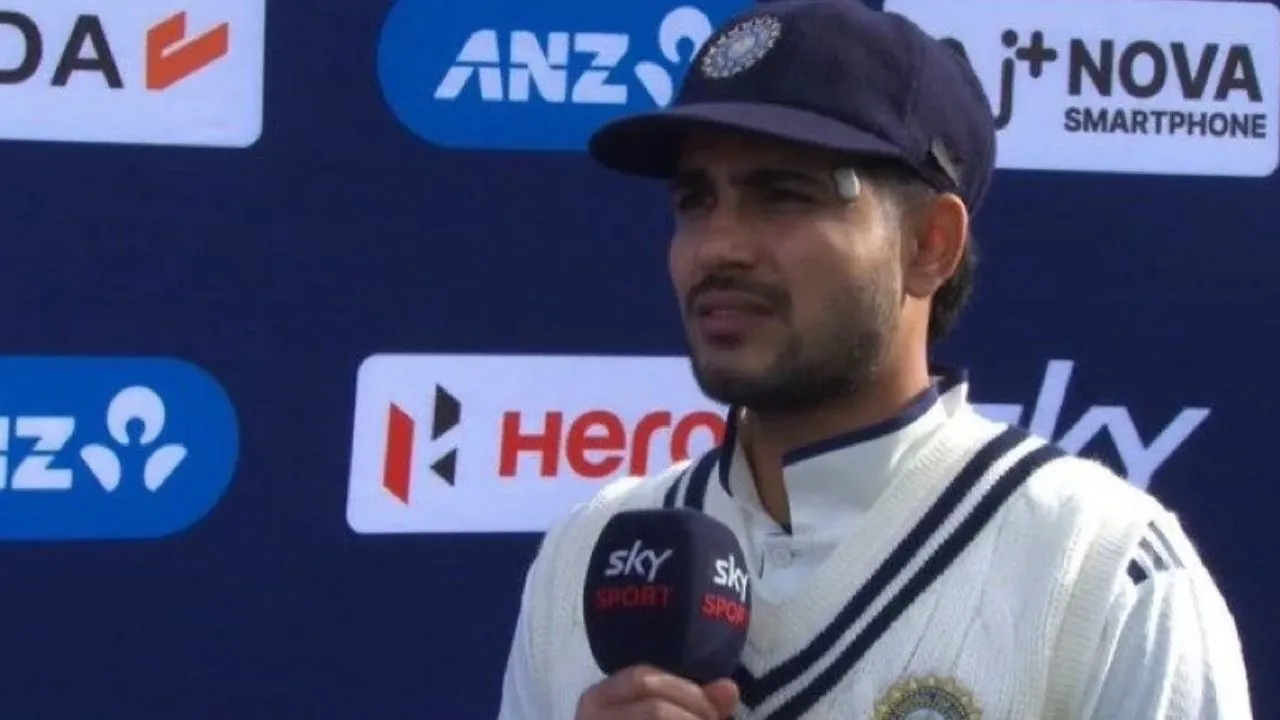
India vs New Zealand Test Ends in Draw as Gill Praises Batting Effort
India and New Zealand played out a high-scoring draw in the first Test at Wellington’s Basin Reserve, where a difficult opening spell for the hosts gave way to a remarkable batting recovery. India built a commanding first-innings total, but New Zealand’s batters showed patience in the second innings to protect their wickets and secure the result.
For India captain Shubman Gill, the match offered plenty to take encouragement from, particularly the team’s batting performance away from home. But he also acknowledged that the pitch became increasingly favourable for batting, making it hard for India to claim the final ten wickets. With the series still alive, attention now turns to Christchurch, where India will hope for conditions that offer the bowlers more assistance.
New Zealand Recover After Early Trouble
India won the toss and chose to field, a decision that appeared well judged when New Zealand’s top order struggled on a green-looking surface. Jasprit Bumrah, back in the Test side, made an immediate impact by dismissing captain Tom Latham for a duck. New Zealand soon found themselves under pressure at 70 for five.
Henry Nicholls and Glenn Phillips then transformed the innings. Rather than allowing the early wickets to dictate the game, the pair absorbed pressure, trusted their defence and punished loose deliveries. Their sixth-wicket stand of 216 runs gave New Zealand a strong platform and shifted momentum back towards the home side.
Nicholls produced a commanding 175, while Phillips contributed 118. New Zealand eventually reached 368, a substantial recovery after their top-order collapse. Bumrah was India’s most effective bowler, finishing with four wickets for 92 runs on his return to Test cricket.
India’s Batters Take Control
India responded with an imposing innings of their own, showing depth and composure throughout the batting order. Yashasvi Jaiswal set the tone with an attacking 85, helping India make a strong start. KL Rahul then anchored the innings with a patient 136, while Devdutt Padikkal added 80 in a valuable contribution.
Gill came close to a century but was dismissed for 98, a frustrating end to an otherwise assured innings. Rishabh Pant, meanwhile, made an emphatic return with 128, combining his trademark aggression with an ability to keep the scoreboard moving. Dhruv Jurel added further pressure on New Zealand’s bowlers with a quick 78.
India declared at 720 for nine, placing the visitors in a powerful position and giving their bowlers a substantial total to defend. New Zealand’s Jacob Duffy endured a challenging outing, conceding 200 runs as India’s batters capitalised on the increasingly settled conditions.
New Zealand Bat for Survival
Despite India’s huge first-innings score, the final innings proved difficult to control. New Zealand approached their second turn at the crease with survival in mind, aware that the surface was offering little assistance and that time was limited.
Rachin Ravindra and Devon Conway began the resistance with a 72-run partnership from 202 deliveries. Their method was simple but effective: defend carefully, leave well and avoid giving India easy opportunities. Later, Phillips and Daryl Mitchell continued the effort, adding 63 runs from 258 balls to help New Zealand reach the close without being bowled out.
The innings underlined how dramatically the pitch had changed from the opening day. What initially appeared helpful to the seamers became a more reliable batting surface, making it harder for India to maintain pressure over long periods.
Gill’s Assessment: A Tough Pitch for Ten Wickets
Speaking after the match, Gill said India had expected the final day to be challenging. He felt the team had performed reasonably well in the field but recognised that taking all ten wickets on a batter-friendly pitch was a demanding task.
“We knew it was going to be a challenge to get ten wickets on that wicket,” Gill said, according to Cricbuzz. He added that India had created a few opportunities, although finishing the job was difficult, particularly as the lower order continued to resist.
Gill was more emphatic in his praise for India’s overall performance. He highlighted the team’s ability to compete away from home and pointed to the scale of the first-innings total as evidence of contributions across the batting lineup. Although only two Indian batters made hundreds, the team still passed 700 runs—a major achievement in any Test match, especially overseas.
Christchurch Conditions Could Shape the Series
Looking ahead to the next Test in Christchurch, Gill said he hoped the pitch would provide a little more help for the bowlers. India’s fast bowlers had worked hard in Wellington, and the captain noted that the workload had become significant as the match progressed.
Gill suggested that India would be in a strong position if they could repeat their all-round performance while executing their plans with the same consistency. A surface offering more movement or bounce could give the bowlers a better chance to turn pressure into wickets, while India’s batting depth would remain a key advantage.
For New Zealand, the draw will feel like a hard-earned result after their early collapse. Their lower-order recovery in the first innings and disciplined batting in the second demonstrated resilience—qualities that could prove decisive in the remaining match.
What the Draw Means for India
The result leaves India needing a strong response in Christchurch if they are to take control of the series. The first Test provided plenty of positives: Bumrah’s return, substantial runs from the middle order and a total that put New Zealand under considerable pressure. The main concern, however, is converting a dominant position into a victory when conditions become less favourable for the bowlers.
Any prediction for the next Test will depend heavily on the pitch and the early exchanges. If Christchurch offers more assistance to the seamers, India may have a better opportunity to make their first-innings advantage count. If it remains another surface suited to batting, New Zealand’s patience and resilience could again make the contest difficult to close out. Either way, the Wellington draw has set up an intriguing next chapter in the India–New Zealand Test series.
Latest News
“We picked on current form”: Shubman Gill justifies Mohammed Siraj’s exclusion after Wellington draw

“A pleasing result”: Henry Nicholls reflects on New Zealand’s fightback after 70/5 in 1st Test vs India
“Hopefully there’s a bit more help”: Shubman Gill wants better bowling conditions in 2nd Test at Christchurch
Sanjay Bangar accuses Tilak Varma’s slow batting after 48-run defeat against Pakistan
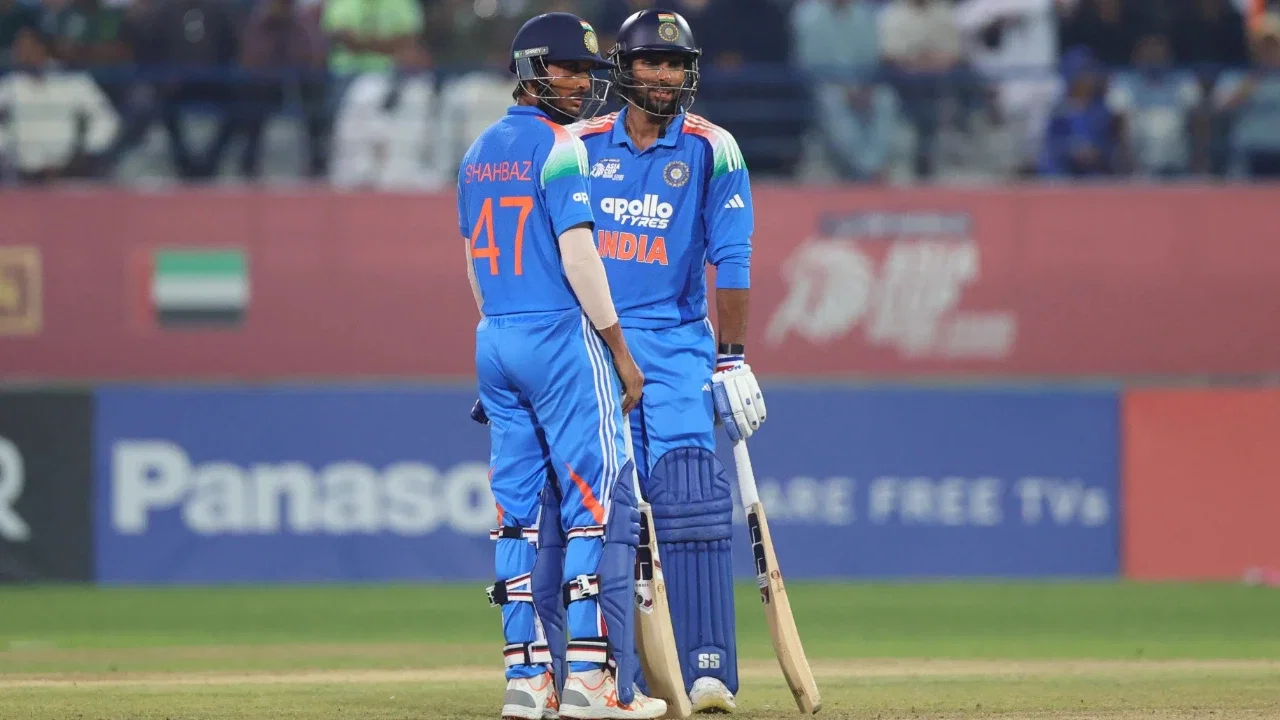
“If he could have stayed…”: Tilak Varma blames Shahbaz Ahmed after India’s 48-run loss to Pakistan

Steve Smith fails on comeback, gets out for just 12 runs

“Where is Kuldeep or Manav Suthar?”: Sourav Ganguly questions Gautam Gambhir over India’s spin options

Usman Khawaja booed by fans on cricket return amid Sandpapergate controversy

Kyle Mills calls KKR’s decision to release Shubman Gill “a shame”
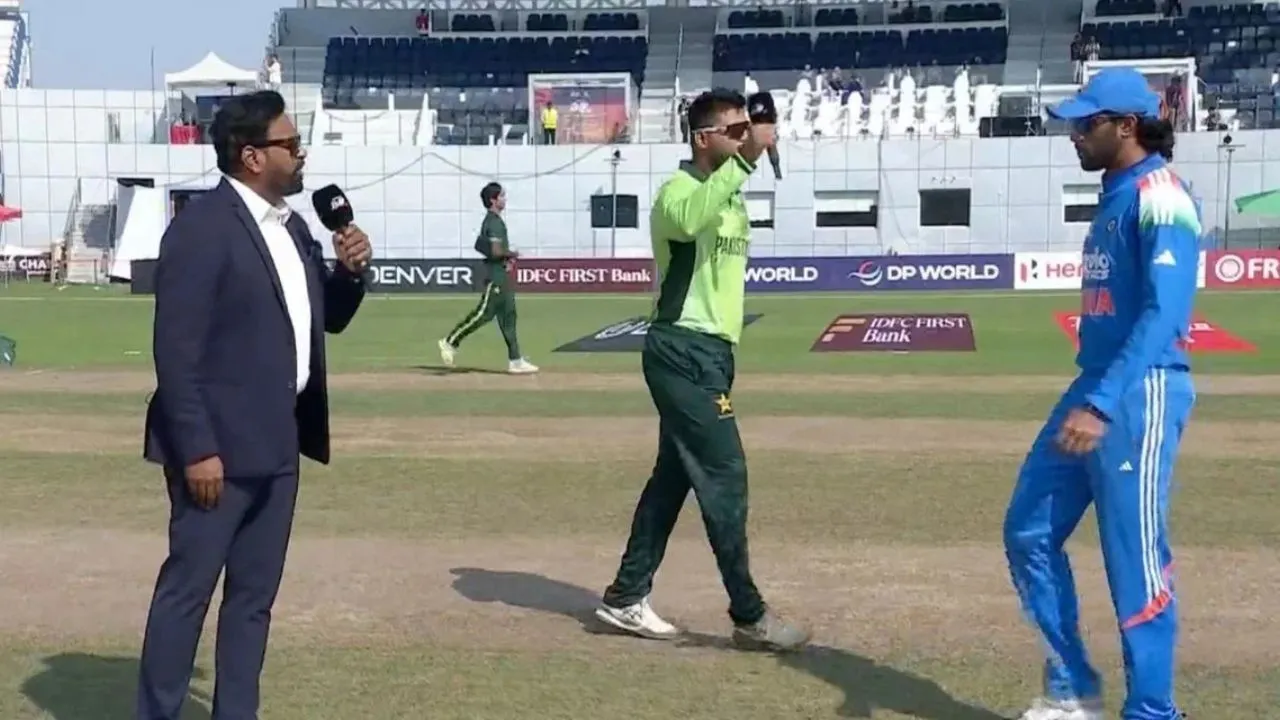
“Bigger issues at play”: MCC reacts to ongoing India-Pakistan handshake controversy

Will Jacks ruled out of Australia vs England T20I series with broken hand

Harshit Rana involved in heated on-field exchanges with Pakistan batters in Doha
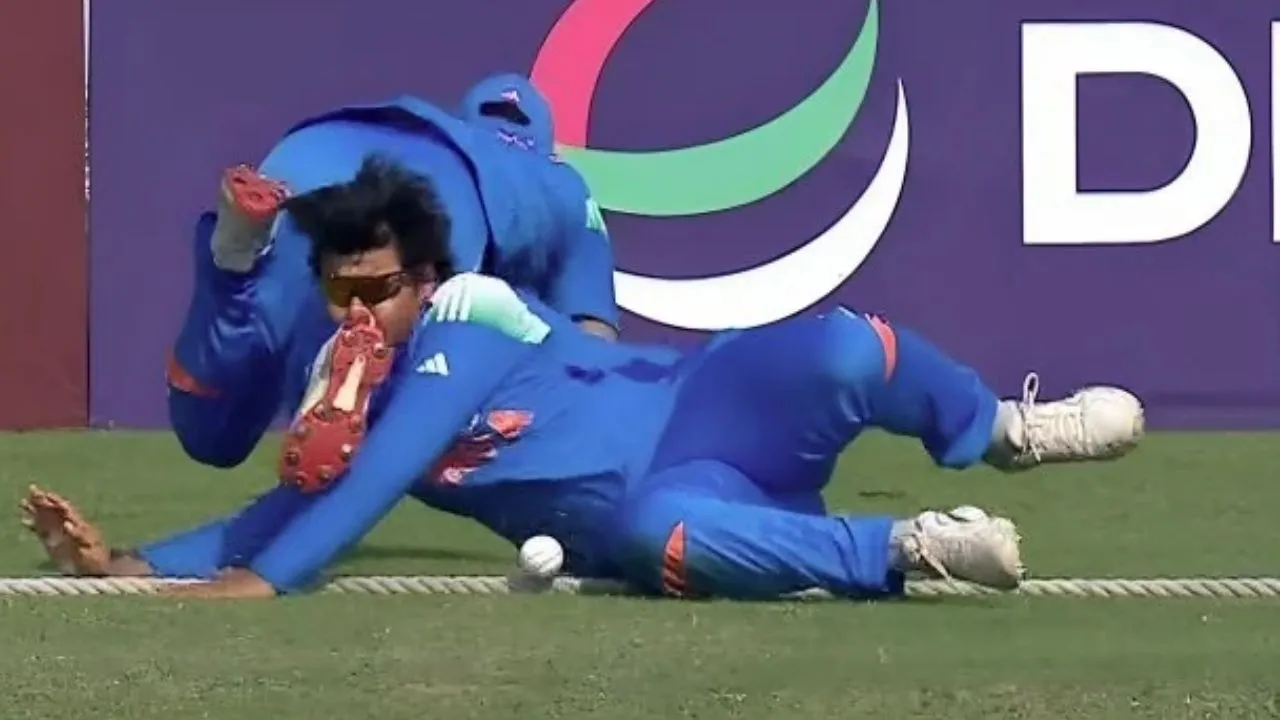
Vaibhav Sooryavanshi leaves field after collision with Vipraj Nigam in IND vs PAK game
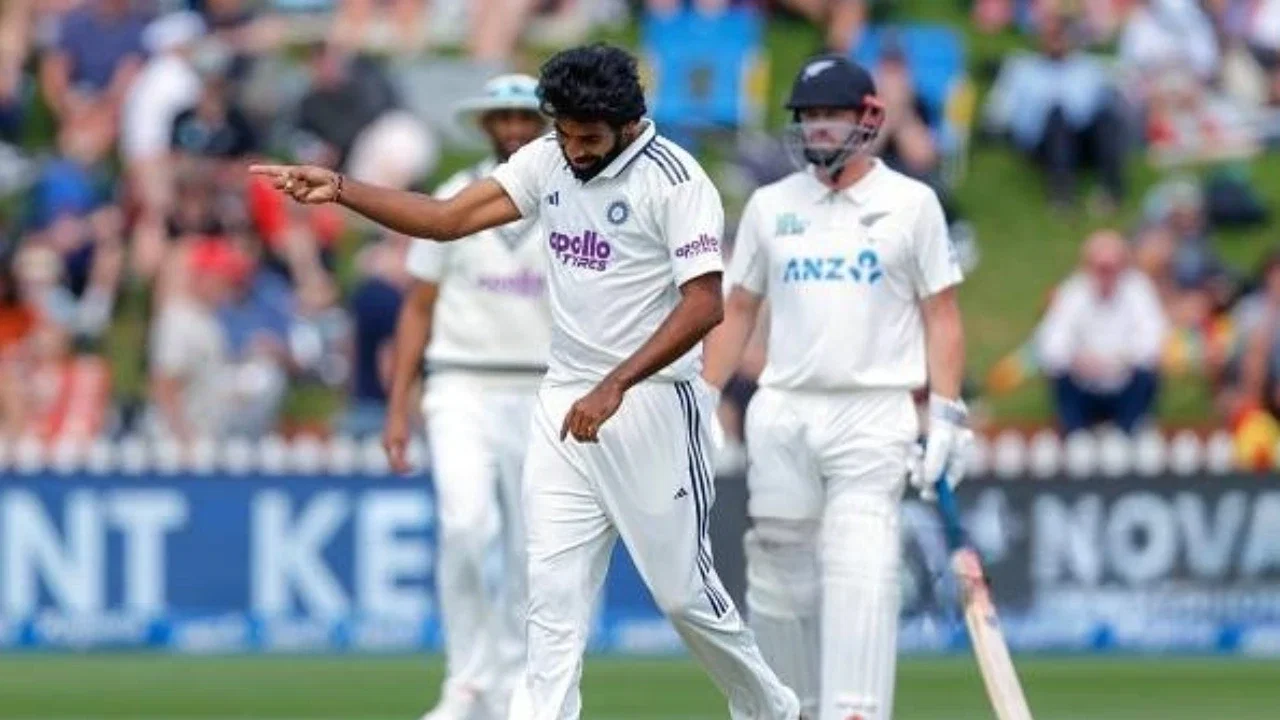
Jasprit Bumrah scripts special Test record after dismissing Tom Latham in 1st Test vs New Zealand