“A pleasing result”: Henry Nicholls reflects on New Zealand’s fightback after 70/5 in 1st Test vs India

Henry Nicholls’ Record 175 Helps New Zealand Secure Draw Against India
Henry Nicholls produced a standout performance at Wellington’s Basin Reserve, scoring 206 runs across both innings to earn Player of the Match in the drawn first Test between New Zealand and India. His composed batting helped New Zealand recover from a precarious position and withstand India’s push for victory during five demanding days of cricket.
The match swung dramatically after India declared their first innings at 720 for nine, placing New Zealand under enormous pressure. With the hosts struggling at 70 for five, Nicholls steadied the innings with an unbeaten 175. His contribution, followed by a determined effort from New Zealand’s lower order, transformed a potential collapse into a resilient response.
Nicholls Sets a New New Zealand Record Against India
Nicholls faced 335 deliveries in his first-innings knock, striking 21 boundaries as he anchored New Zealand’s recovery. He found a crucial partner in Glenn Phillips, who made 118, and together they added 216 runs. Their stand gave the home side a platform to reach 368 and significantly altered the match’s direction.
The innings also placed Nicholls in the New Zealand record books. His 175 not out became the highest Test score by a New Zealand No. 3 batter against India, surpassing Andrew Jones’ unbeaten 170 from 1990. The century was the 12th of Nicholls’ Test career and his fifth at the Basin Reserve, a venue where he has repeatedly delivered important performances.
His achievement was especially notable given the situation in which he came to the crease. Rather than chasing a quick scoring rate, Nicholls focused on occupying the crease, trusting his defence and choosing his scoring opportunities carefully. That approach helped blunt India’s attack and gave Phillips the freedom to build his own innings alongside him.
New Zealand Hold Firm on the Final Day
Nicholls added 31 runs from 59 balls in New Zealand’s second innings before being dismissed by Prasidh Krishna. Although it was a smaller contribution than his first-innings effort, his time at the crease formed part of a broader team effort to protect the draw. New Zealand batted for nearly 22 overs in the final innings, negotiating India’s new-ball threat and denying the visitors the breakthrough they needed.
The result was a significant escape for the hosts, who had been placed under pressure by India’s imposing first-innings total. A draw does not carry the same reward as a win, but New Zealand’s recovery showed the value of patience, partnerships and disciplined decision-making in Test cricket. For India, the match offered a reminder that even a commanding position can be difficult to convert when opponents are willing to bat for time.
Nicholls Reflects on an “Attritional” Test
Speaking after receiving the Player of the Match award, Nicholls described the result as pleasing, particularly given New Zealand’s position earlier in the contest. He praised his teammates for their work on a surface that offered batting opportunities but still presented challenges as the match progressed.
“Both teams gave it everything,” Nicholls said, according to Cricbuzz. He also credited the players who batted on the final day, noting that the draw was earned through sustained effort rather than easy conditions. The pitch may have appeared favourable at times, he suggested, but the demands of a five-day Test remained clear.
Nicholls also spoke about the physical toll of the match. He spent long stretches on the field during the first four days, making the contest especially draining. While he joked that it would have been nice to remain in the middle for longer, he acknowledged that the match had been an attritional one and that players from both sides would feel the effects of five intense days.
Why the Basin Reserve Continues to Suit Nicholls
The Basin Reserve has become a particularly productive venue for Nicholls, who now has five Test hundreds there. He said that returning to a ground where he has previously succeeded can be encouraging, but he was careful not to suggest that past performances make the challenge straightforward.
Conditions at Wellington can evolve over the course of a match. A surface that initially offers reliable batting may later demand adjustments in shot selection, footwork and concentration. Nicholls said New Zealand’s ability to respond to those changing conditions was among the most satisfying aspects of the team’s performance.
His success also reflects a broader strength in his game: the ability to adapt rather than rely on one fixed method. In this Test, he combined patience with controlled aggression, allowing him to build a long innings without losing sight of opportunities to score. That balance proved essential when New Zealand needed both survival and a route back into the contest.
What the Draw Means for the Series and WTC Prediction
The Wellington result leaves the series finely poised and gives both teams plenty to consider before the next Test. India will look for ways to turn a dominant first-innings position into a win, while New Zealand can take confidence from a recovery built on resilience and a substantial partnership between Nicholls and Phillips.
For supporters following the World Test Championship, the draw also adds another factor to the qualification prediction. A shared result provides neither side with the full points available for a victory, so the remaining matches become increasingly important. The precise impact on the standings depends on each team’s wider results and the championship points system, but the outcome underlines how quickly the race can shift across a series.
Nicholls’ 175 will remain the defining individual performance of the Wellington Test. More than a record-breaking score, it was an innings shaped by pressure and responsibility. By helping New Zealand move from 70 for five to a position from which they could compete, he changed the tone of the match—and played a central role in ensuring India left the Basin Reserve without a victory.
Latest News
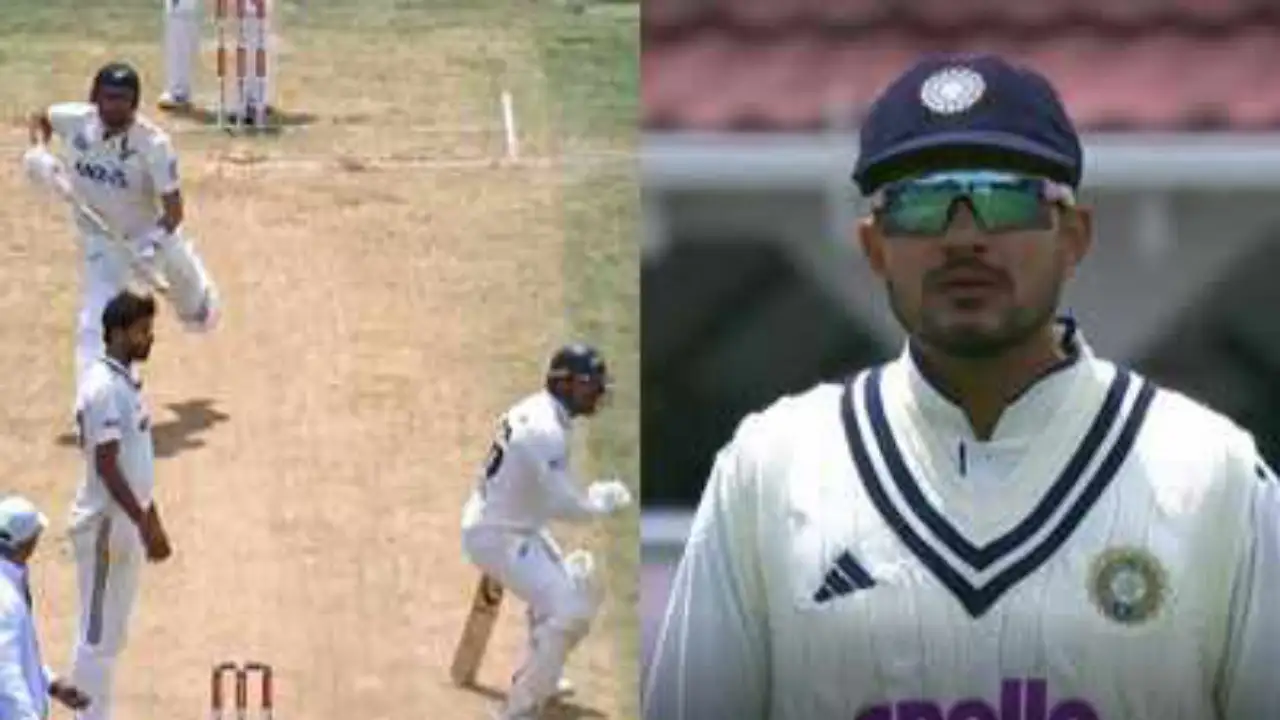
Watch: Shubman Gill’s angry reaction goes viral after Akash Deep’s run-out miss
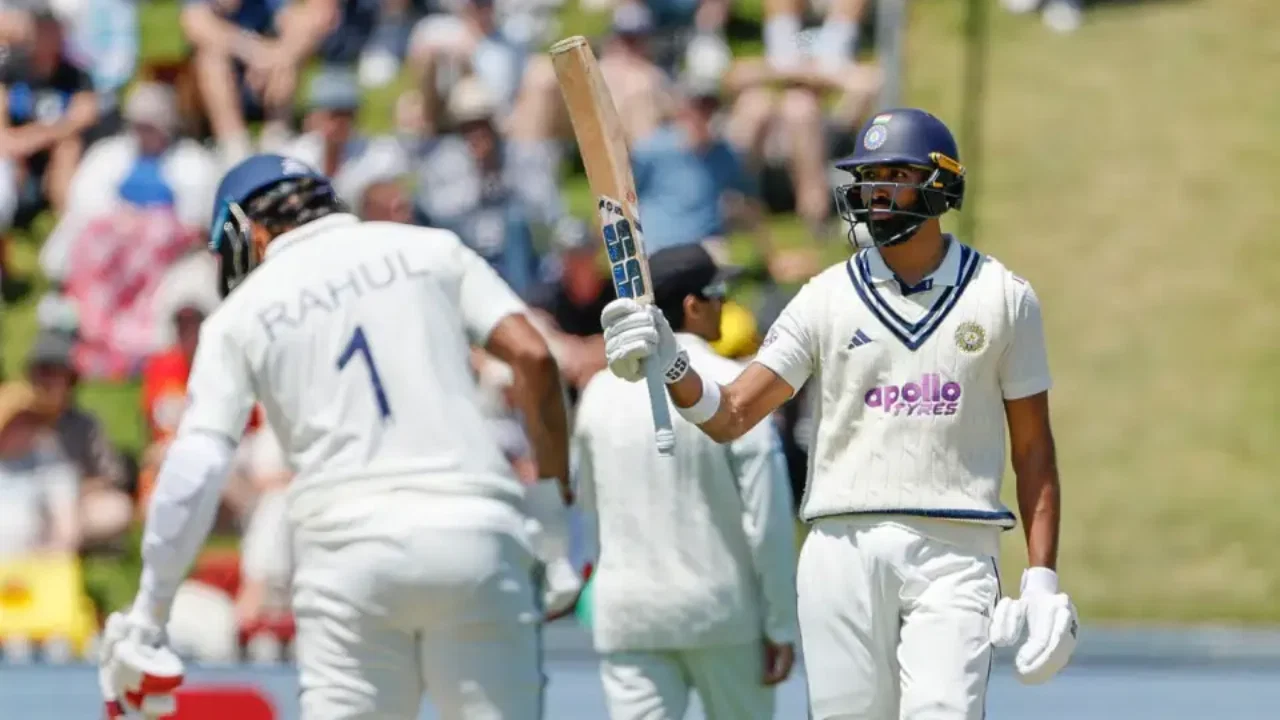
India’s WTC Final qualification scenario after 1st Test draw vs New Zealand

Shubman Gill takes dig at ball manufacturer, questions ICC’s saliva ban after Wellington draw

“We picked on current form”: Shubman Gill justifies Mohammed Siraj’s exclusion after Wellington draw
“A pleasing result”: Henry Nicholls reflects on New Zealand’s fightback after 70/5 in 1st Test vs India

“Hopefully there’s a bit more help”: Shubman Gill wants better bowling conditions in 2nd Test at Christchurch

Sanjay Bangar accuses Tilak Varma’s slow batting after 48-run defeat against Pakistan
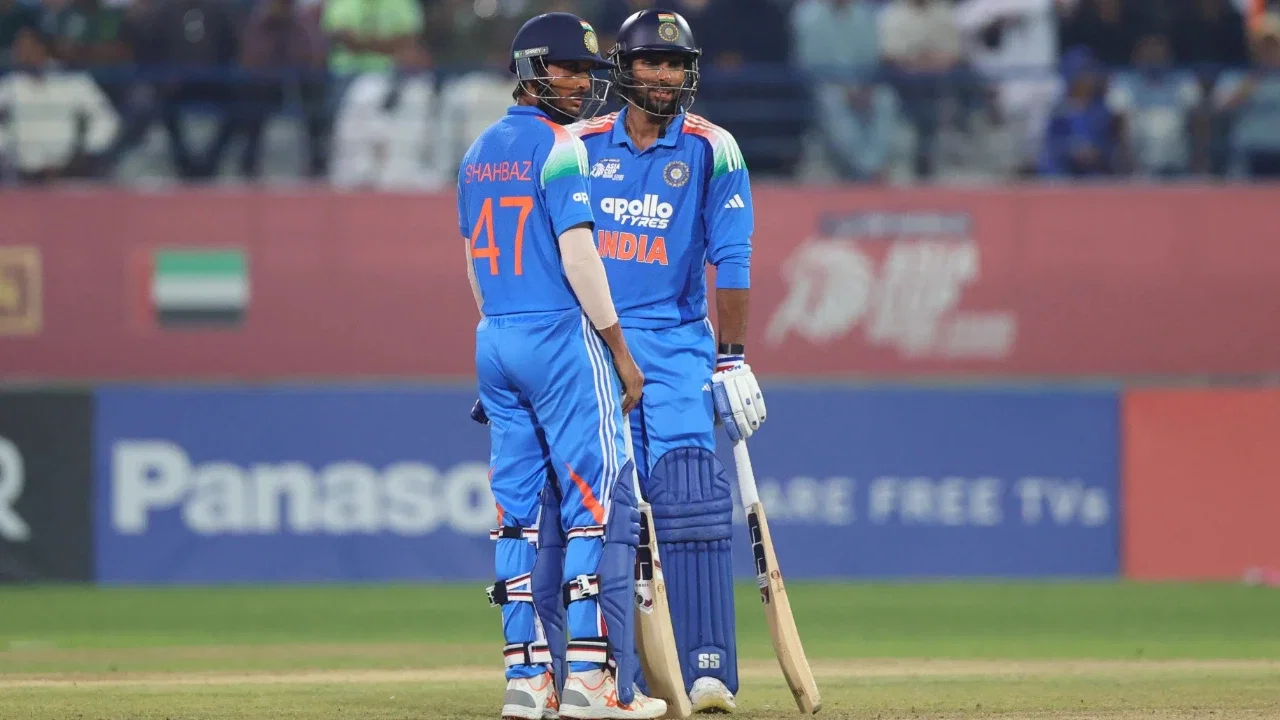
“If he could have stayed…”: Tilak Varma blames Shahbaz Ahmed after India’s 48-run loss to Pakistan

Steve Smith fails on comeback, gets out for just 12 runs

“Where is Kuldeep or Manav Suthar?”: Sourav Ganguly questions Gautam Gambhir over India’s spin options

Usman Khawaja booed by fans on cricket return amid Sandpapergate controversy

Kyle Mills calls KKR’s decision to release Shubman Gill “a shame”
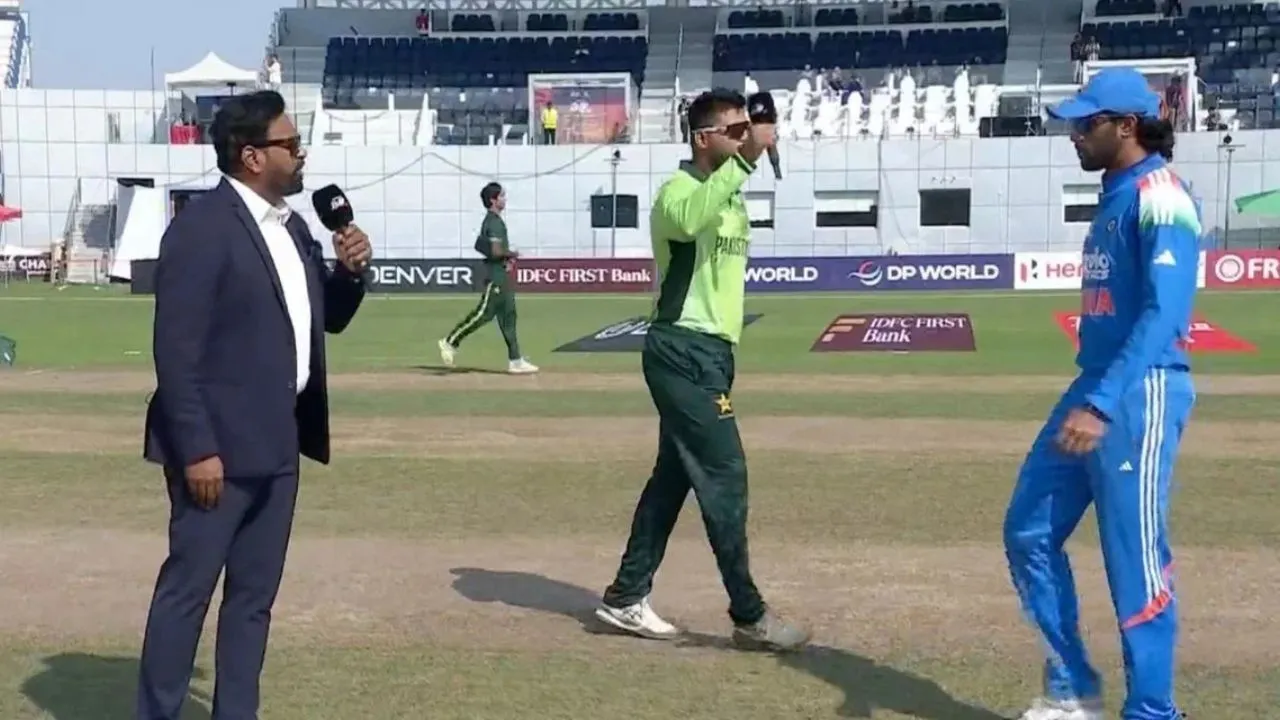
“Bigger issues at play”: MCC reacts to ongoing India-Pakistan handshake controversy

Will Jacks ruled out of Australia vs England T20I series with broken hand