“We picked on current form”: Shubman Gill justifies Mohammed Siraj’s exclusion after Wellington draw
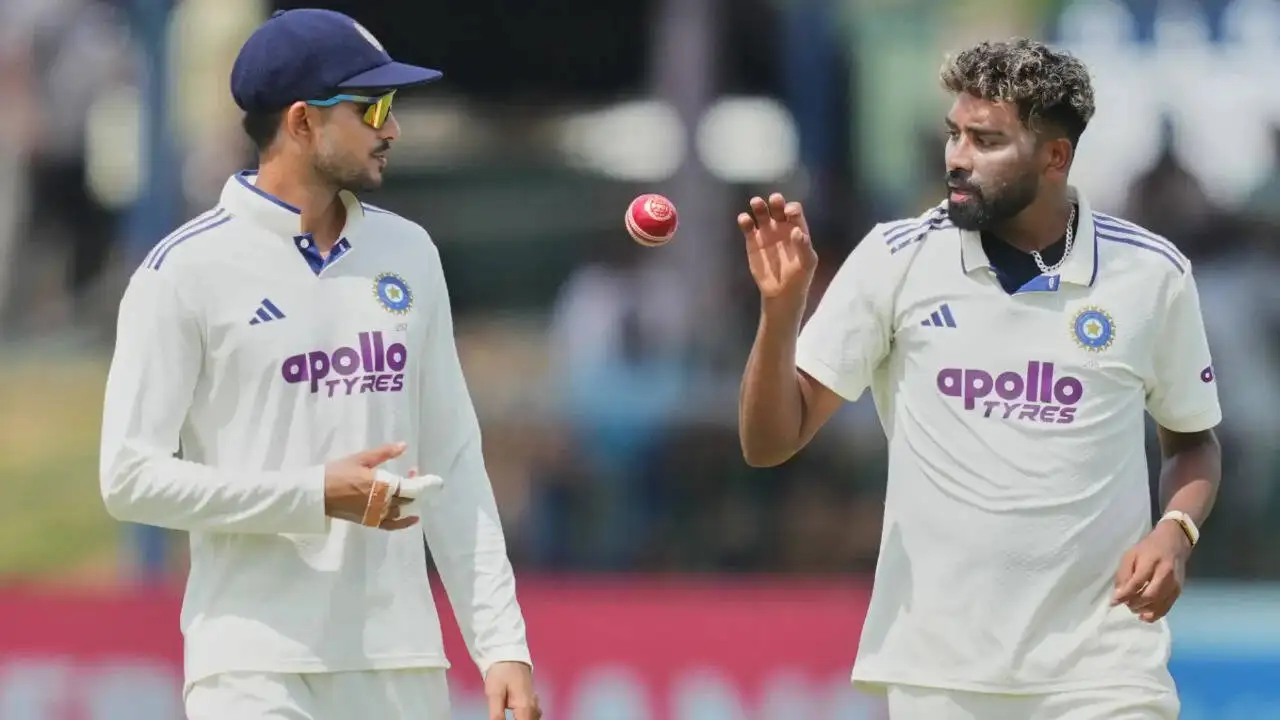
India’s Wellington Test Draw Raises Questions Over Mohammed Siraj’s Exclusion
India appeared to have the first Test against New Zealand within reach after building a commanding first-innings total of 720. Yet the match ended in a draw, with the hosts reaching the close of Day 5 with five wickets still in hand. The result prompted a familiar question among supporters and analysts: could India have made better use of its bowling options, particularly by including Mohammed Siraj?
India needed 10 wickets in New Zealand’s second innings to secure victory, and the final day offered a demanding test of patience, accuracy and tactical judgment. With the surface wearing and drying, the ability to extract movement from an older ball became especially important. Siraj’s absence therefore became a talking point, given his experience leading India’s pace attack when Jasprit Bumrah has been unavailable.
Shubman Gill Defends the Decision to Leave Siraj Out
After the match, India captain Shubman Gill was asked whether the team had made a mistake by leaving Siraj out of the Wellington Test. Gill stood by the selection call, explaining that the decision was based on the bowler’s form at the time rather than any lack of confidence in his ability.
“I did not think so,” Gill said, rejecting the suggestion that Siraj’s inclusion would necessarily have changed the result. The captain’s response reflected the difficult balance selectors face: weighing a player’s established record against recent performances and the specific demands of a match.
Gill also acknowledged that leaving Siraj out was not an easy choice. The two players have shared a long association in the Indian setup, and the captain said they spoke before the Test so that the reasoning behind the decision was clear.
A Personal Conversation Before the Test
Gill described Siraj as a close friend and said the fast bowler understood the team’s thinking. According to the captain, the discussion was direct and constructive, with the selection based on current form. Gill added that every player goes through periods when they are not at their best, and that selection decisions must account for those fluctuations.
The explanation offers useful context to a debate that can quickly become focused on a single omitted player. Siraj has often been a key figure in India’s pace attack, but team management must assess workload, conditions, recent rhythm and the roles required from the available bowlers. A decision to rest or omit an experienced player does not, by itself, suggest a loss of faith in his long-term value.
India’s Late Push Falls Short
Despite their imposing first-innings score, India could not finish the job with the ball. New Zealand’s resistance on the final day proved decisive, as the hosts managed to protect their remaining wickets and secure a draw. India had five wickets to claim when the match ended, but the required breakthroughs never arrived quickly enough.
Bumrah, who had taken four wickets in New Zealand’s first innings, added one more in the second. His impact remained important, but India needed support from the rest of the attack to maintain sustained pressure. Prasidh Krishna claimed two wickets, while Anshul Kamboj took one. Akash Deep went wicketless in the second innings.
The figures tell only part of the story. On a used surface, bowlers must combine control with variation, and even a small lapse can allow a set batter to settle. India created opportunities and had moments when the contest could have shifted, but the visitors were unable to turn enough of those openings into dismissals.
Daryl Mitchell’s Resistance Anchors New Zealand
Daryl Mitchell played a crucial role in New Zealand’s survival, finishing unbeaten on 49. He had a couple of close escapes, but he remained composed as the final session unfolded. His resistance helped frustrate India’s bowlers and kept the hosts on course for a draw.
Mitchell’s innings highlighted the value of discipline in a high-pressure Test finish. Rather than chasing quick runs, New Zealand’s batters focused on staying at the crease, judging the ball carefully and making India work for every chance. That approach proved effective as the clock became an increasingly important factor.
Could Siraj Have Changed the Outcome?
Whether Siraj would have made the difference is impossible to know. His skill with the old ball and experience in demanding Test situations could have offered India another option, particularly when the pitch stopped providing consistent assistance. However, it would be speculative to assume that his presence would have guaranteed the wickets India needed.
The broader lesson for India may be less about one selection and more about how the attack adapts when conditions become less helpful. On a dry, worn surface, bowlers need to vary their pace, target the stumps and build pressure through sustained accuracy. Captains also have to manage fields carefully, especially when batters are prioritising survival.
For Gill and the team management, the selection debate is likely to continue until India’s next Test assignment provides further evidence about the balance of the attack. Siraj’s record makes him a strong candidate for future matches, while the Wellington decision suggests that current form will remain a central factor in team selection.
What the Draw Means for India
The result will feel like a missed opportunity for India after such a substantial first-innings total. At the same time, New Zealand’s late resistance deserves recognition: staying in the match through the final day required concentration and resilience. The draw also gives India a clear area to review—how to convert a dominant position into a decisive result when the opposition digs in.
Any prediction about how the teams will approach the next Test should account for both sides’ lessons from Wellington. India will want sharper execution with the ball and more consistent pressure across long spells. New Zealand, meanwhile, can take confidence from its ability to withstand a major challenge. For fans, the unresolved question remains compelling: would Siraj have altered the ending, or was New Zealand’s determined defence simply too strong?
Latest News
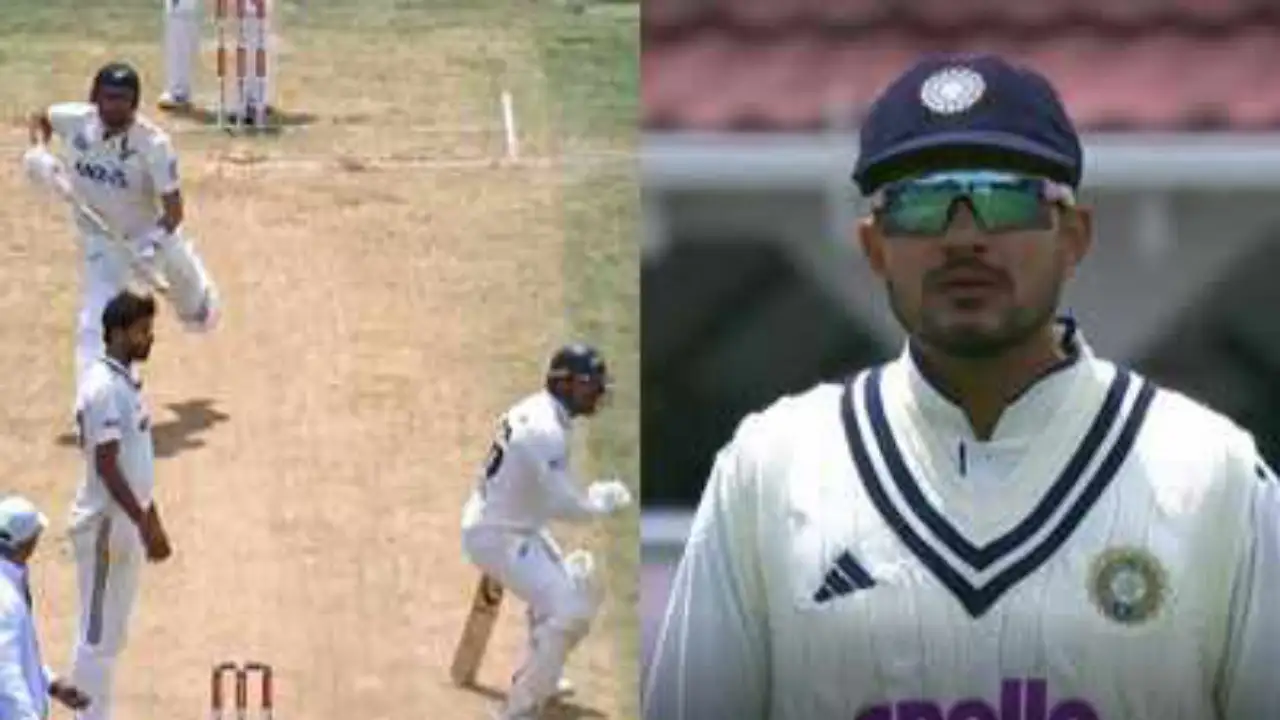
Watch: Shubman Gill’s angry reaction goes viral after Akash Deep’s run-out miss
India’s WTC Final qualification scenario after 1st Test draw vs New Zealand

Shubman Gill takes dig at ball manufacturer, questions ICC’s saliva ban after Wellington draw
“We picked on current form”: Shubman Gill justifies Mohammed Siraj’s exclusion after Wellington draw

“A pleasing result”: Henry Nicholls reflects on New Zealand’s fightback after 70/5 in 1st Test vs India
“Hopefully there’s a bit more help”: Shubman Gill wants better bowling conditions in 2nd Test at Christchurch
Sanjay Bangar accuses Tilak Varma’s slow batting after 48-run defeat against Pakistan
“If he could have stayed…”: Tilak Varma blames Shahbaz Ahmed after India’s 48-run loss to Pakistan
Steve Smith fails on comeback, gets out for just 12 runs

“Where is Kuldeep or Manav Suthar?”: Sourav Ganguly questions Gautam Gambhir over India’s spin options

Usman Khawaja booed by fans on cricket return amid Sandpapergate controversy

Kyle Mills calls KKR’s decision to release Shubman Gill “a shame”
“Bigger issues at play”: MCC reacts to ongoing India-Pakistan handshake controversy
Will Jacks ruled out of Australia vs England T20I series with broken hand