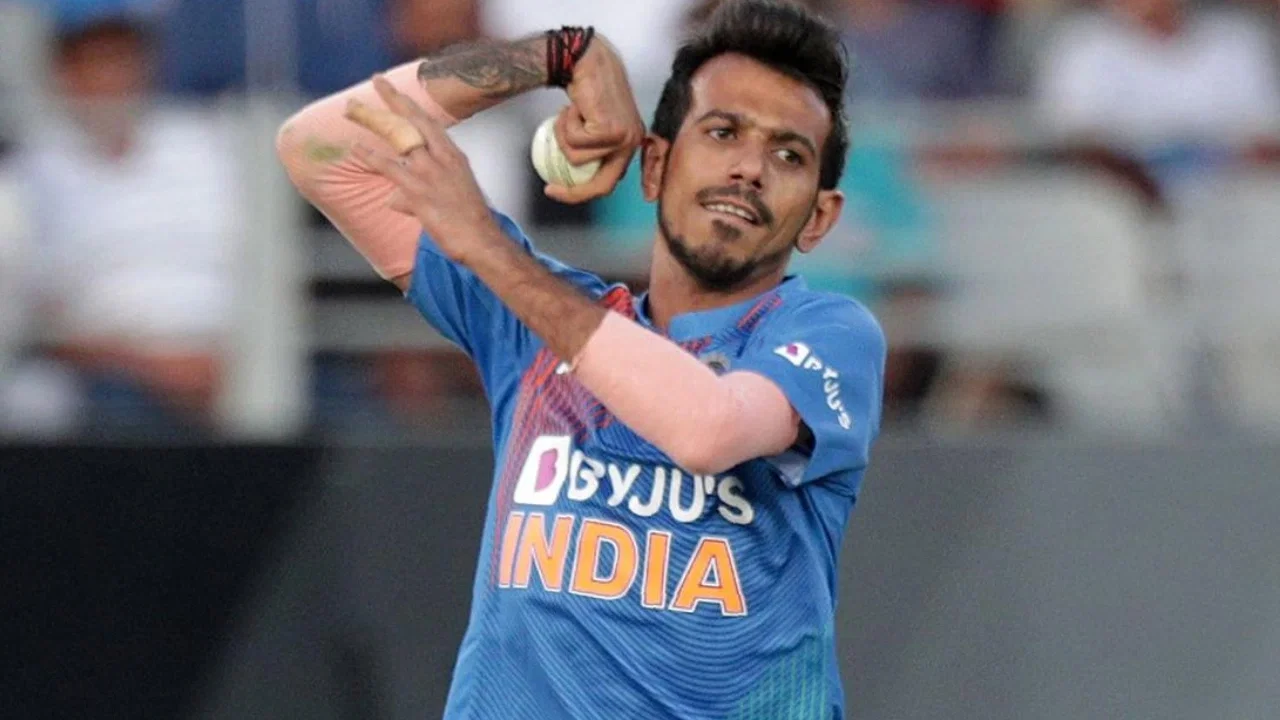
“Where is Kuldeep or Manav Suthar?”: Sourav Ganguly questions Gautam Gambhir over India’s spin options

India’s WTC Final Hopes Face a Test After Wellington Draw
India’s opening Test against New Zealand at Wellington’s Basin Reserve ended in a draw, leaving the team with little room for error in the race to reach the ICC World Test Championship (WTC) 2025–27 final. The result has sharpened the focus on India’s selection choices, particularly the decision not to field a specialist spinner, and prompted former captain Sourav Ganguly to publicly question the team’s approach.
India now have six Tests remaining in their campaign: the second match against New Zealand and a five-Test home series against Australia. With qualification scenarios growing more demanding, India will need to make the most of those opportunities. A win in every remaining match would put them in a strong position to qualify directly, while another draw or a defeat could leave their final hopes dependent on other teams’ results and the wider points table.
Ganguly Questions India’s Spin-Bowling Selection
In a post on X, formerly Twitter, Ganguly praised India’s batting but argued that a specialist spinner is essential in overseas Test conditions, especially when a pitch becomes less responsive as a match progresses. He also suggested that Washington Sundar could provide all-round value while India selected a frontline spin option.
“India has been brilliant this series … the batting application looked super,” Ganguly wrote, before adding that teams need “a genuine spinner” to win Test matches away from home. He tagged the Board of Control for Cricket in India (BCCI) and asked why Kuldeep Yadav or Manav Suthar had not been included in the playing combination.
The criticism reflects a familiar debate in Test cricket: whether teams should prioritise an additional fast bowler on a lively surface or select a specialist spinner who may become more influential as the game wears on. At Wellington, India’s decision to go without a frontline spinner gave the attack an extra pace option, but it also left the team without a specialist capable of exploiting any late-match turn or offering a different style of control.
India’s Batters Deliver a Record-Breaking First Innings
Ganguly’s concerns were not directed at the batting unit. India piled up 720 for nine declared in their first innings, with each member of the top seven reaching at least 50—a first in Test cricket history. The scale of that effort gave India a substantial platform and underlined the depth of the batting order.
KL Rahul scored 136, while Rishabh Pant made 128, helping India build a first-innings lead of 352 runs. Their contributions were central to the team’s commanding position and offered a strong response to questions about India’s application with the bat. The challenge, however, was to turn that advantage into a result. In a Test match, a large total is only one part of the equation; taking 20 wickets remains the decisive task.
That contrast will shape the post-match discussion. India showed they could score heavily, but the draw raised questions about whether the bowling combination was equipped to finish the job as conditions changed. For fans assessing the next match, the key prediction is likely to centre on selection: will India retain a pace-heavy attack, or bring in a specialist spinner to improve their options across five days?
Why Kuldeep Yadav and Manav Suthar Were Missing
Kuldeep Yadav was initially named in India’s 16-player Test squad, but he was later replaced by fast bowler Gurnoor Brar. The reported thinking was to keep an additional pace option available for the conditions. Kuldeep’s recent performances and the team’s assessment of the surface may also have influenced the decision, though his absence from the final combination became a major talking point after the match.
Manav Suthar, meanwhile, was not selected for the series. The left-arm spinner had built a reputation through strong performances in domestic cricket and previous opportunities, but the selectors and management appear to have favoured the balance of the squad and the conditions they expected. The choice drew criticism from some former players, particularly because specialist spinners can offer control and variation even when the pitch does not turn sharply from the opening day.
There is also a broader team-building question behind the debate. India have increasingly relied on spin-bowling all-rounders, who can contribute with both bat and ball, but such a balance is not always a substitute for a specialist. An all-rounder may strengthen the lower order, while a frontline spinner can provide a different attacking threat and help manage long spells when fast bowlers need rest.
White-Ball Success Offers Encouragement, but Test Cricket Is Different
Ganguly also pointed to India’s strong performances in the preceding white-ball matches. The team had enjoyed a successful limited-overs campaign, winning the T20I series 3–2 and the ODI series 3–1. Those results demonstrated India’s quality and depth, but Test cricket presents different demands, particularly when a match stretches into its later stages and the pitch changes character.
India captain Shubman Gill will now be focused on the second Test and the opportunity to secure a series win. India have not won a Test series in New Zealand since 2009, making the remaining match significant beyond the WTC standings. A victory would deliver a long-awaited result, restore momentum and provide valuable points in a campaign where every missed opportunity could matter.
What India Must Get Right in the Next Test
India’s next selection will be closely watched. The team must weigh the expected Christchurch conditions against the need for a balanced attack, while also considering how the Wellington draw unfolded. If the surface is expected to offer movement for seamers, an extra fast bowler may again appeal. If it is likely to flatten, a specialist spinner could provide a useful attacking and defensive option.
The WTC qualification picture remains open, but the draw has increased the pressure. India’s batting has shown it can dominate, and the team has the experience to respond. The pressing question is whether the bowling combination can convert strong positions into victories. Ganguly’s intervention has made that issue impossible to ignore—and the selection call for the next Test could prove crucial to India’s series ambitions and their prediction for a place in the 2027 WTC final.
Latest News
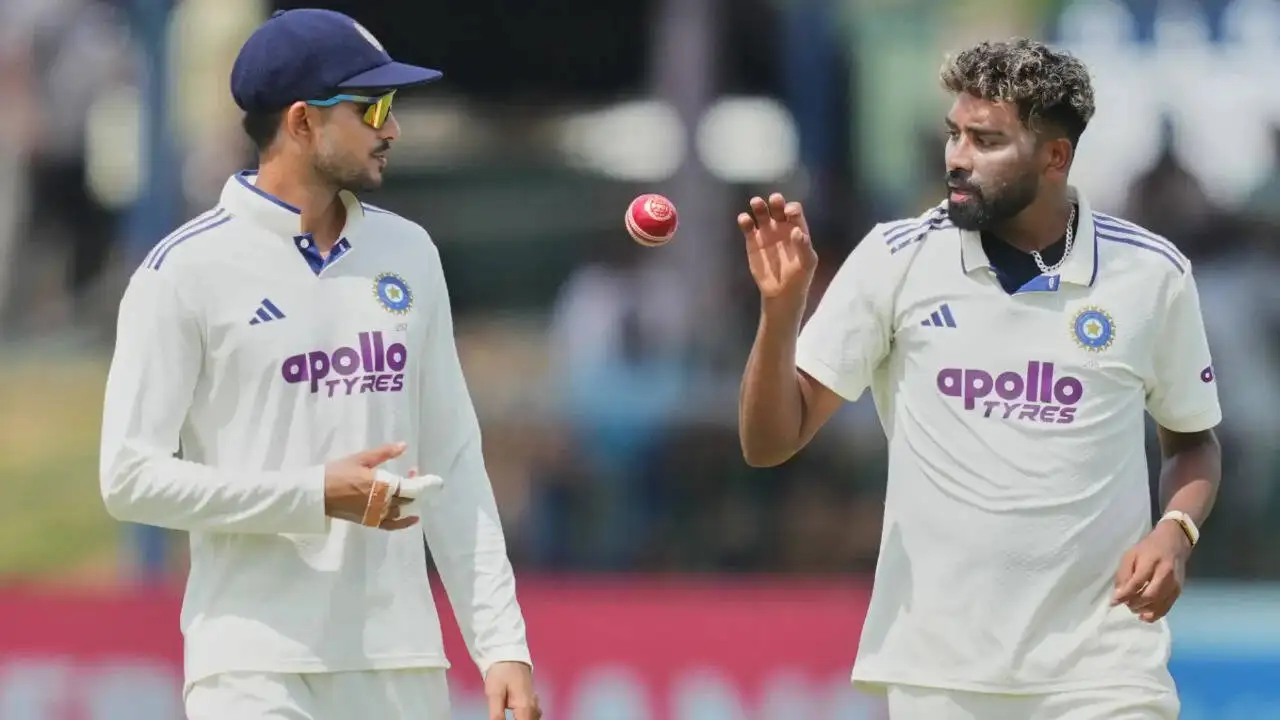
“We picked on current form”: Shubman Gill justifies Mohammed Siraj’s exclusion after Wellington draw

“A pleasing result”: Henry Nicholls reflects on New Zealand’s fightback after 70/5 in 1st Test vs India
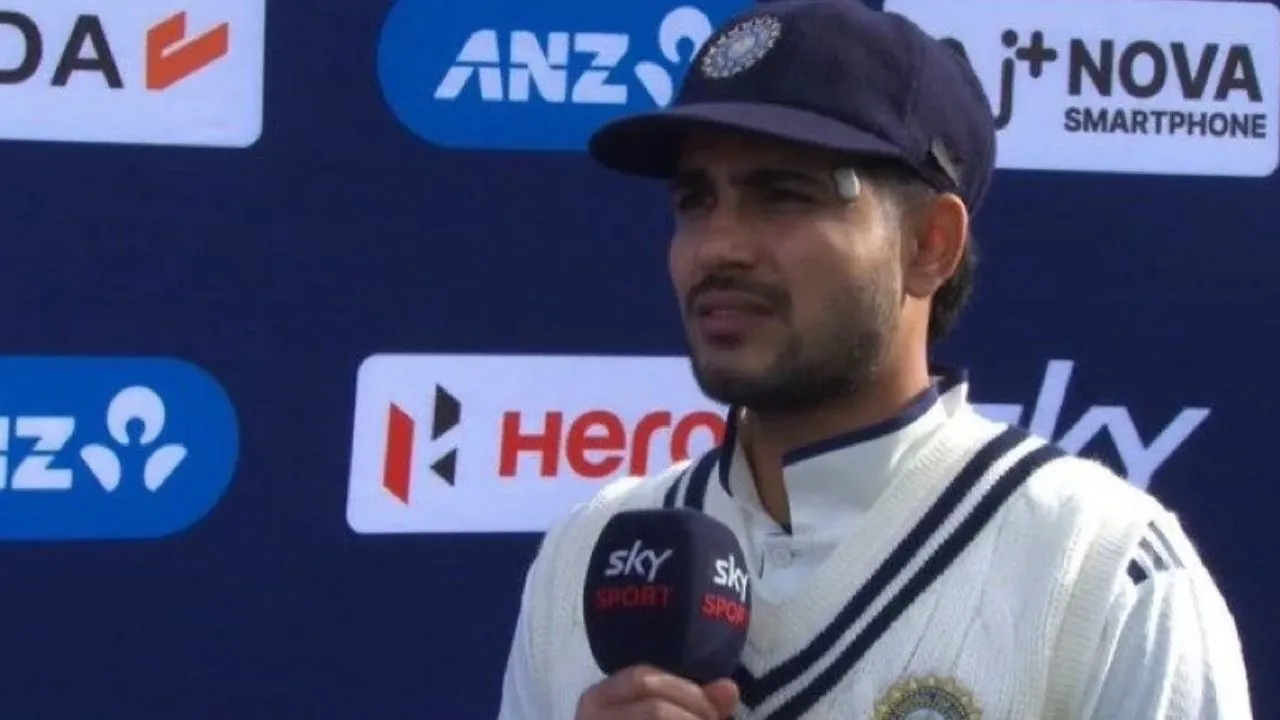
“Hopefully there’s a bit more help”: Shubman Gill wants better bowling conditions in 2nd Test at Christchurch
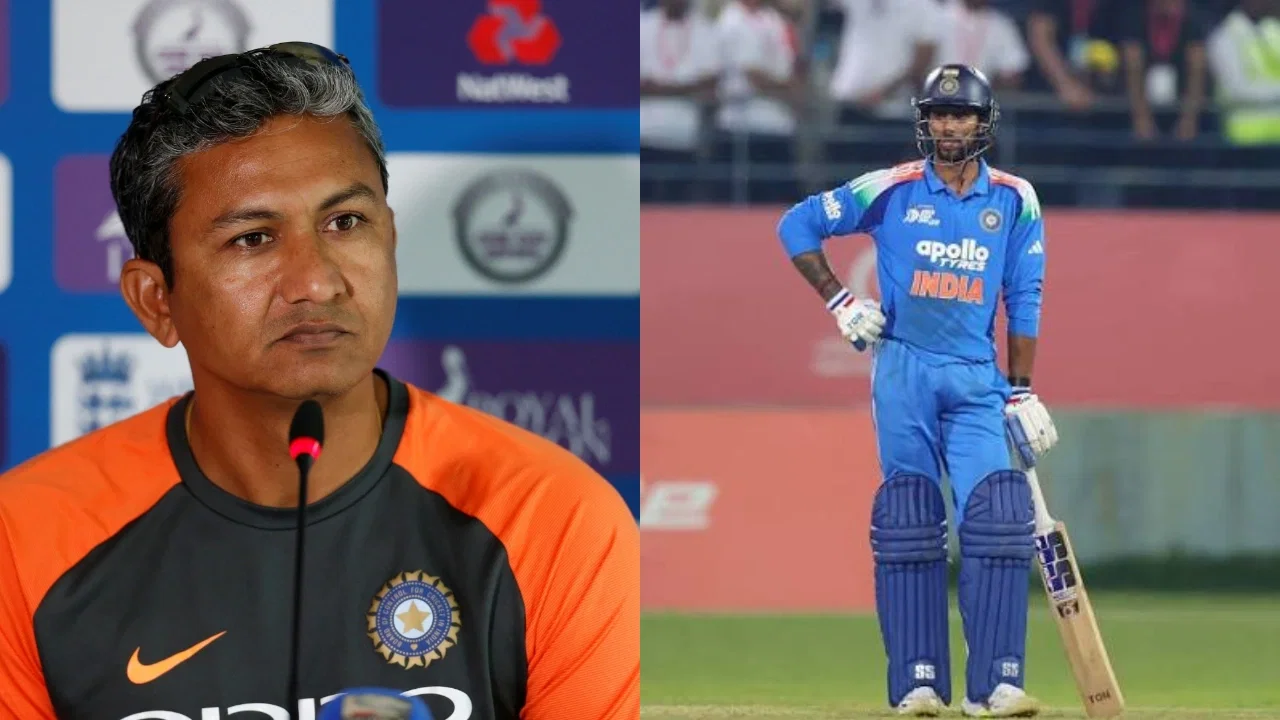
Sanjay Bangar accuses Tilak Varma’s slow batting after 48-run defeat against Pakistan
“If he could have stayed…”: Tilak Varma blames Shahbaz Ahmed after India’s 48-run loss to Pakistan

Steve Smith fails on comeback, gets out for just 12 runs
“Where is Kuldeep or Manav Suthar?”: Sourav Ganguly questions Gautam Gambhir over India’s spin options

Usman Khawaja booed by fans on cricket return amid Sandpapergate controversy

Kyle Mills calls KKR’s decision to release Shubman Gill “a shame”
“Bigger issues at play”: MCC reacts to ongoing India-Pakistan handshake controversy

Will Jacks ruled out of Australia vs England T20I series with broken hand

Harshit Rana involved in heated on-field exchanges with Pakistan batters in Doha
Vaibhav Sooryavanshi leaves field after collision with Vipraj Nigam in IND vs PAK game
Jasprit Bumrah scripts special Test record after dismissing Tom Latham in 1st Test vs New Zealand