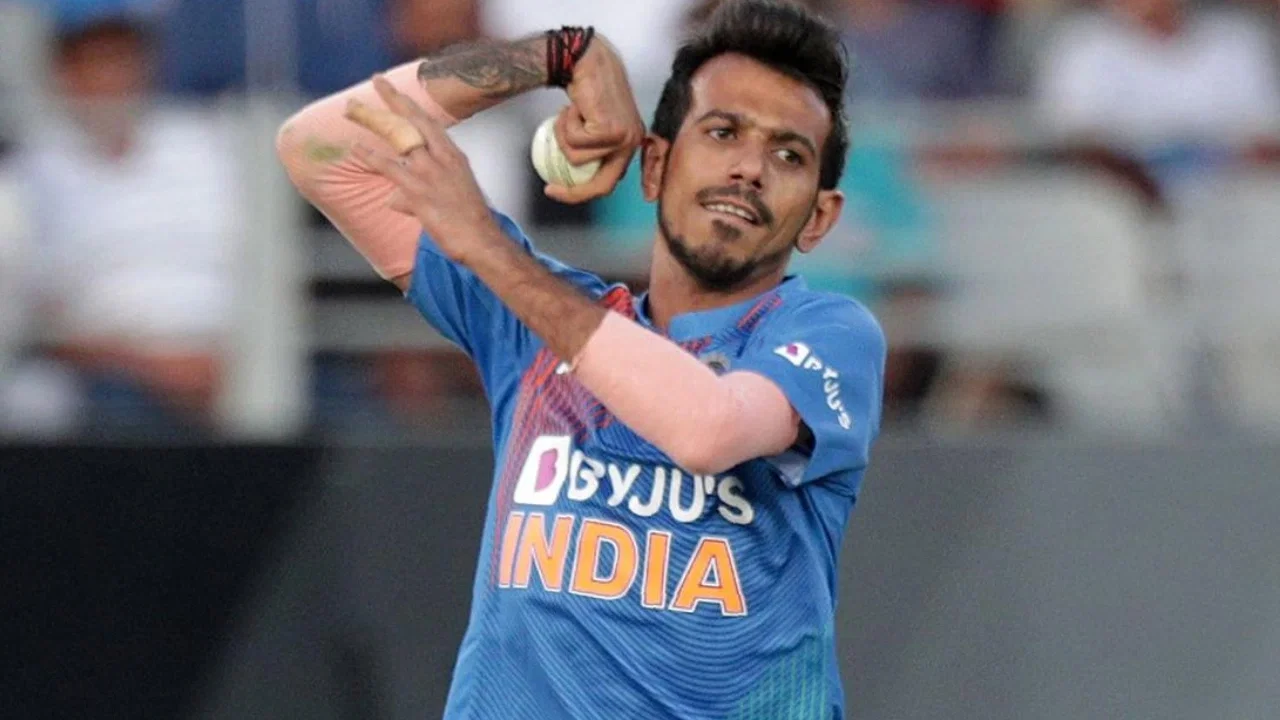
“If he could have stayed…”: Tilak Varma blames Shahbaz Ahmed after India’s 48-run loss to Pakistan
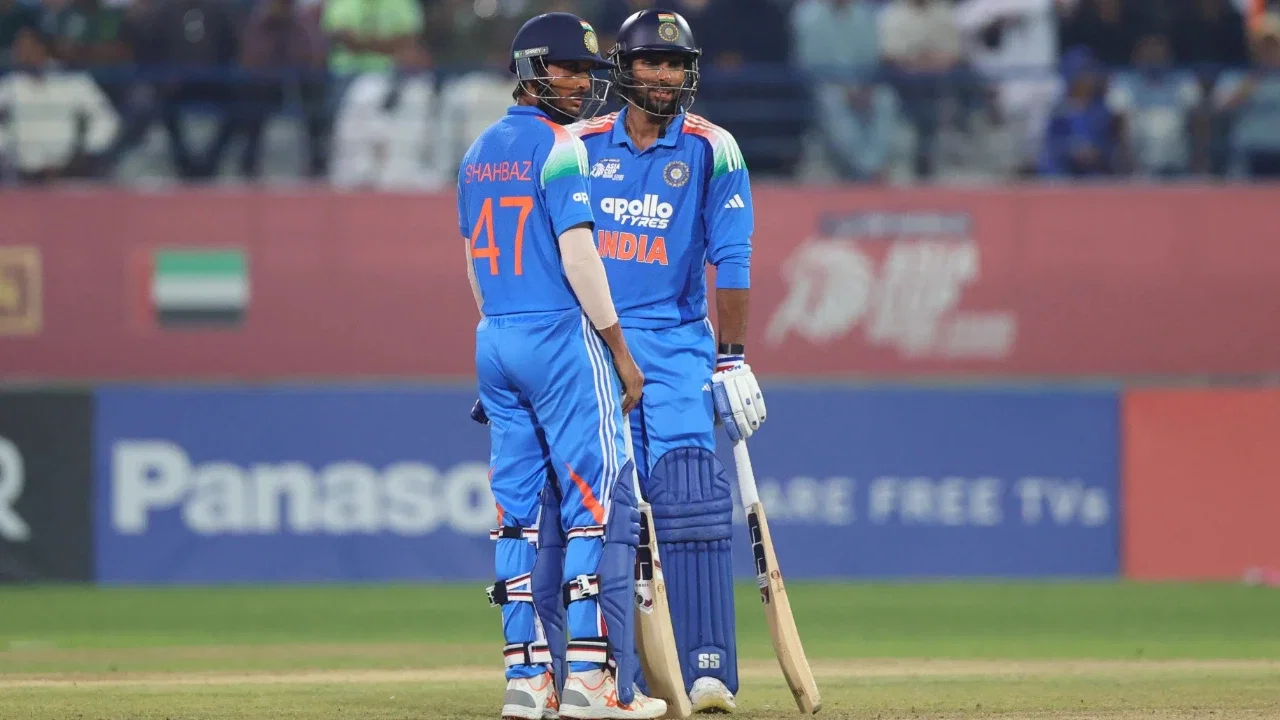
Tilak Varma Names Shahbaz Ahmed’s Dismissal as Turning Point in India A’s Loss to Pakistan Shaheens
India A’s chase looked alive deep into the innings, but a late collapse handed Pakistan Shaheens a 48-run victory in their Rising Stars Asia Cup 2026 Group B match in Doha. Captain Tilak Varma scored a determined century, while Abhishek Sharma provided an explosive start. Yet India were bowled out for 265 in 49.1 overs, falling short of Pakistan’s 314-run target at West End Park International Cricket Stadium on November 22.
After the match, Tilak pointed to Shahbaz Ahmed’s dismissal as a pivotal moment. The pair had built a substantial partnership and appeared capable of shifting the pressure onto Pakistan. Tilak suggested that a little more time at the crease for Shahbaz might have changed the outcome—though he also accepted the responsibility that comes with leading a side through a difficult chase.
India A’s Chase Slips After Promising Partnership
Chasing 315, India A needed both early momentum and a composed finish. Abhishek supplied the first part, striking 70 from just 42 balls and giving the innings an aggressive launch. His innings helped keep the required rate within reach and offered India a strong platform after Pakistan had posted a challenging total.
Tilak then anchored the chase, balancing patience with the need to keep the scoreboard moving. His 100 came from 149 deliveries, a long, disciplined effort that kept India in contention as wickets fell around him. Shahbaz provided valuable support, scoring 56 from 49 balls, and the two added 112 runs from 108 deliveries.
The stand brought India A to 241 for seven in 43.3 overs. With the partnership intact, the chase still had a route to the target. But Shahbaz’s departure broke the momentum at a crucial stage. India lost their remaining wickets before completing the 50 overs, finishing 49 runs short of the target and 48 runs behind Pakistan’s total under the match’s final margin.
Tilak’s Match Prediction: Shahbaz Could Have Finished the Chase
Speaking after the game, Tilak said Shahbaz’s wicket came just as India were preparing to accelerate. He felt that if the all-rounder had remained at the crease for another couple of overs, the pair might have been able to take the chase closer—or even complete it.
“The way Abhishek started and, in between, the way Shahbaz put together a partnership with me, that was crucial,” Tilak said, as quoted by NDTV. “But unfortunately, when we wanted to accelerate, Shahbaz got out. Otherwise, if he could have stayed for another two overs or something like that, then I could have finished the game.”
That assessment highlights the fine margins in a high-scoring one-day match. India had a significant partnership and a set batter at the crease, but the loss of a wicket during the acceleration phase forced the remaining batters to take greater risks. Against a target above 300, even a brief interruption can reshape the chase: the batting side must maintain the run rate while protecting wickets, and a late collapse can quickly erase the progress made over many overs.
Captain Takes Responsibility Despite Reaching a Century
Tilak’s comments also made clear that his personal milestone was secondary to the result. While his century was the standout individual performance for India A, the captain said a win—not reaching three figures—was what mattered most.
“For me, the best thing is winning the game. If we don’t win the game, then it’s not the best for me,” he said. Tilak added that his aim was to take the chase as deep as possible and finish the job, while acknowledging that he needed support from the other batters.
“If any other batsman could have given me support, then I could have finished the game. But that’s my thing. If you are the captain of the team, then you should take that load and responsibility,” he said. He also expressed gratitude for the runs he had scored, even as India left Doha without the points.
Tilak’s remarks reflected the challenge of balancing personal responsibility with the collective nature of a chase. A captain can guide an innings and remain present at the end, but the target still depends on partnerships and contributions throughout the batting order. India’s innings featured three major efforts—Abhishek’s rapid start, Tilak’s long stay and Shahbaz’s counterattacking support—but the team could not turn them into a complete chase.
What the Defeat Means for India A
The result gives Pakistan Shaheens an important Group B win, while India A will be left to review how the chase unfolded after the seventh wicket. Their batting showed that the target was not beyond reach: Abhishek’s early assault cut into the required rate, and the Tilak–Shahbaz partnership restored momentum. The key question is how India can preserve that pressure once a set partnership ends.
For the team, the match offers lessons in managing the final phase of a steep chase. Batters coming in late need to assess the equation quickly, while the established player must judge when to attack and when to retain the strike. India’s lower order was unable to provide the support Tilak needed, turning a competitive position into a defeat.
The match may also prompt discussion about the balance between anchoring and acceleration. Tilak’s 149-ball century kept him at the crease, but India still required a finishing surge. Abhishek’s strike rate showed the value of attacking intent, while Shahbaz’s 49-ball fifty demonstrated how a middle-order batter can rebuild and then push the scoring rate. The challenge is to combine those approaches through the closing overs.
Pakistan Shaheens Seize the Moment
Pakistan’s total of 314 put the pressure on India from the outset, and their bowlers eventually made the most of the opportunity created by Shahbaz’s dismissal. Once the partnership was broken, India’s remaining batters could not sustain the chase. The result underlined how important it is to keep taking wickets in the final stages of a high-scoring contest, particularly when the opposition’s captain is still at the crease.
For India A, the defeat will be disappointing because the chase was competitive for much of the innings. Tilak’s century and the contributions from Abhishek and Shahbaz offered a clear path to victory, but the decisive partnership ended before it could carry the team home. In a tournament where every group-stage result can shape qualification prospects, India will need to turn those promising passages into a more complete performance in their next match.
Latest News
“We picked on current form”: Shubman Gill justifies Mohammed Siraj’s exclusion after Wellington draw

“A pleasing result”: Henry Nicholls reflects on New Zealand’s fightback after 70/5 in 1st Test vs India
“Hopefully there’s a bit more help”: Shubman Gill wants better bowling conditions in 2nd Test at Christchurch
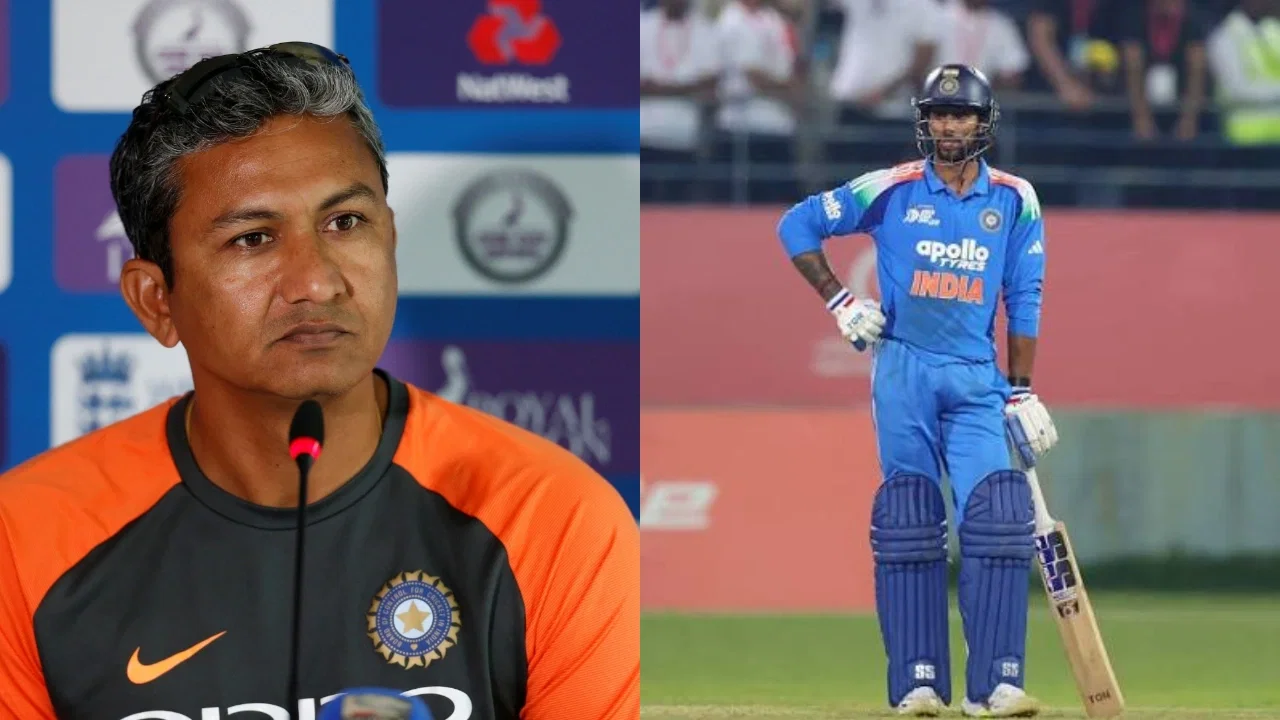
Sanjay Bangar accuses Tilak Varma’s slow batting after 48-run defeat against Pakistan
“If he could have stayed…”: Tilak Varma blames Shahbaz Ahmed after India’s 48-run loss to Pakistan

Steve Smith fails on comeback, gets out for just 12 runs

“Where is Kuldeep or Manav Suthar?”: Sourav Ganguly questions Gautam Gambhir over India’s spin options
Usman Khawaja booed by fans on cricket return amid Sandpapergate controversy
Kyle Mills calls KKR’s decision to release Shubman Gill “a shame”
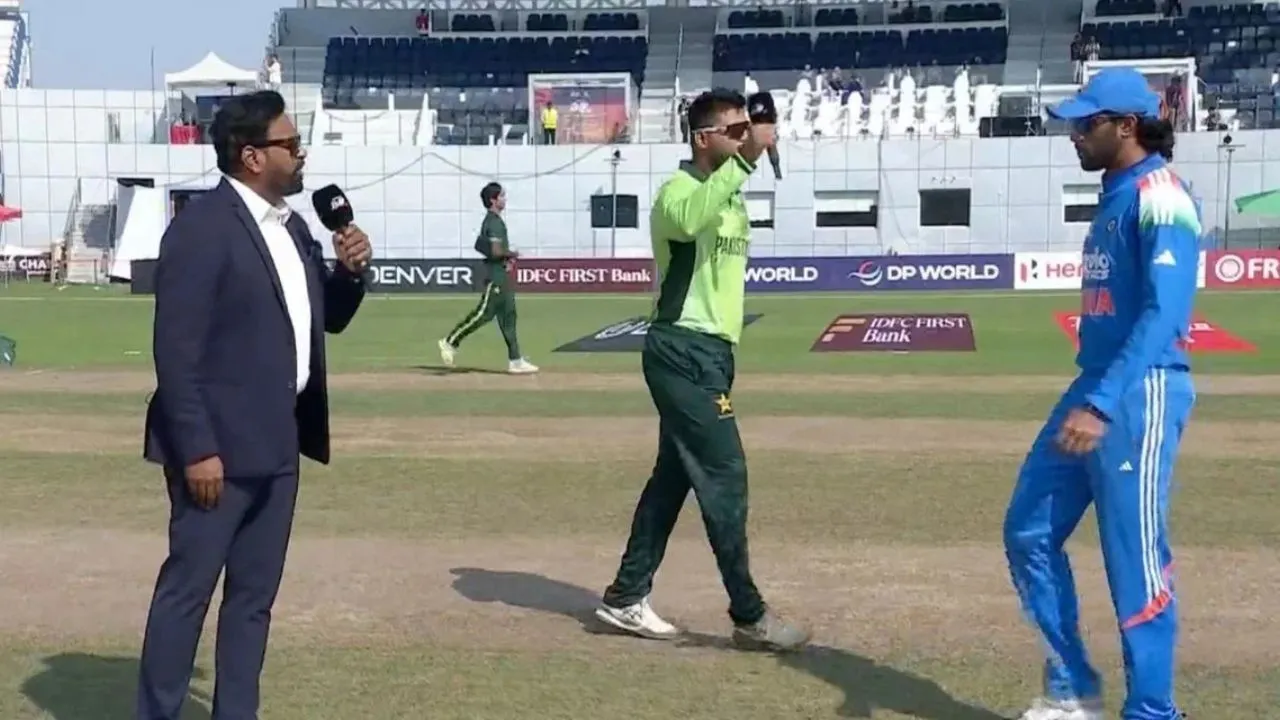
“Bigger issues at play”: MCC reacts to ongoing India-Pakistan handshake controversy
Will Jacks ruled out of Australia vs England T20I series with broken hand
Harshit Rana involved in heated on-field exchanges with Pakistan batters in Doha
Vaibhav Sooryavanshi leaves field after collision with Vipraj Nigam in IND vs PAK game
Jasprit Bumrah scripts special Test record after dismissing Tom Latham in 1st Test vs New Zealand