Usman Khawaja booed by fans on cricket return amid Sandpapergate controversy
Usman Khawaja’s T20 Return Puts Sandpapergate Debate Back in the Spotlight
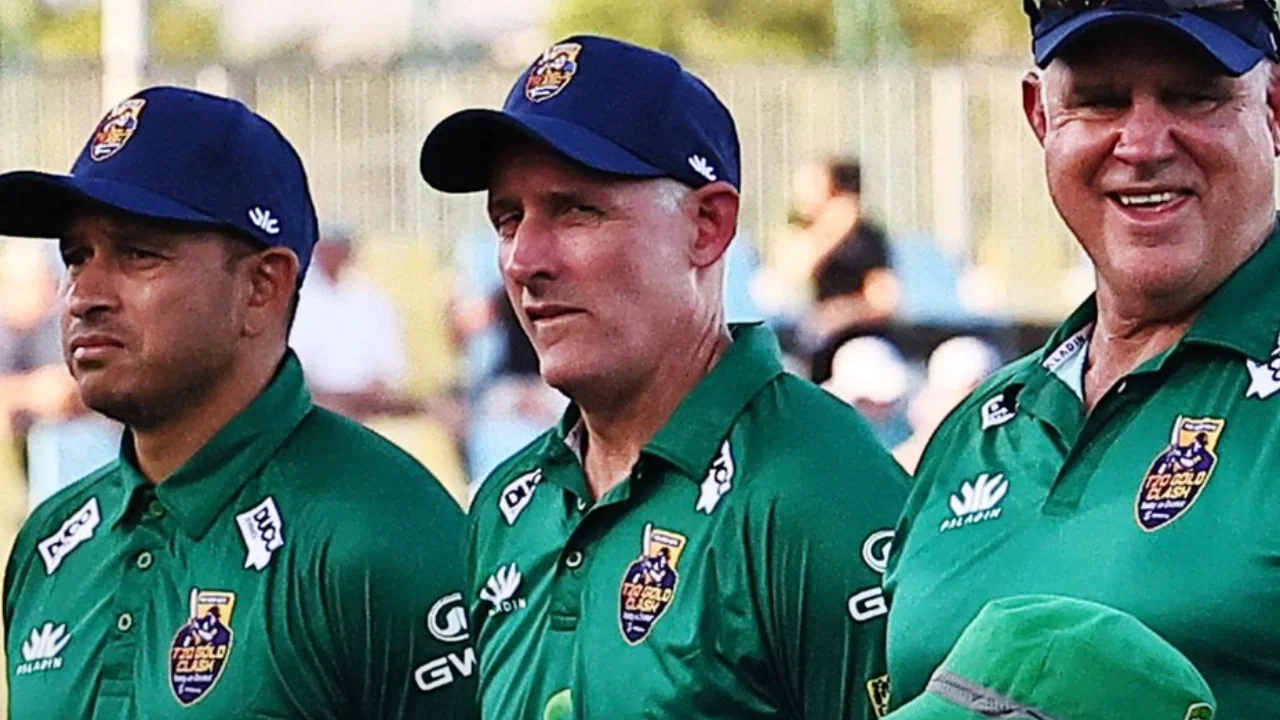
Usman Khawaja’s return to the cricket field in Cairns brought together two stories that have continued to attract attention: a local T20 match and the unresolved debate surrounding Australia’s 2018 ball-tampering scandal. The former Test opener appeared in the T20 Gold Clash on Sunday, marking his first on-field appearance since making fresh comments about the Cape Town Test and publishing his autobiography, Sabr.
The crowd’s response was divided. Some spectators applauded Khawaja, while others booed him, reflecting the wider disagreement over his account of Sandpapergate. The match itself offered a striking contrast: despite recent public exchanges over the scandal, Khawaja shared a team with several former Australian players who have rejected his claims. On the field, they played together without any visible tension.
Why Khawaja’s Sandpapergate Claims Remain Controversial
Sandpapergate refers to the 2018 incident during Australia’s Test series against South Africa, when Cameron Bancroft was caught using sandpaper to alter the condition of the ball during the third Test in Cape Town. The episode led to lengthy suspensions for Bancroft, captain Steve Smith and vice-captain David Warner, and prompted the resignation of coach Darren Lehmann.
Khawaja has recently argued that knowledge of the plan extended beyond the individuals who were formally sanctioned. His comments have renewed questions about what other players and team officials knew before or during the incident. The full extent of any wider awareness has not been established publicly, and Khawaja’s interpretation remains disputed by people connected to the team.
That uncertainty helps explain why the subject continues to generate strong reactions years later. The scandal was not only a breach of cricket’s rules; it also damaged Australia’s reputation and prompted scrutiny of the team’s culture, leadership and accountability. New statements from former players can therefore reopen a debate many supporters thought had already been settled.
Lehmann and Khawaja Share the Field
Among the players taking part in the Cairns match was Darren Lehmann, Australia’s head coach during the 2018 tour. Khawaja has said Lehmann was aware of a plan to tamper with the ball, but Lehmann has rejected the allegation. Their presence on the same side made the match especially notable, given the recent disagreement.
There was no apparent confrontation during play. In one of the game’s most memorable moments, Khawaja took a catch off Lehmann’s bowling. The two former teammates celebrated the wicket with a high-five, and former Australia opener Matthew Hayden joined in. Hayden, like Lehmann, has disputed Khawaja’s account.
The exchange was a reminder that public disagreement and sporting cooperation can exist at the same time. A brief celebration does not resolve the underlying dispute, nor does it indicate that the players have reached agreement. It does, however, show that the match was conducted in a relaxed, competitive atmosphere rather than as a stage for a personal feud.
Adam Gilchrist Praises the Spirit of the Match
Former Australia wicketkeeper-batter Adam Gilchrist was asked about both the Sandpapergate discussion and the players’ on-field chemistry. He focused on the way the game was played, saying supporters want to attend sport, enjoy the action and leave in good spirits.
“I think everyone understands what’s going on in the game at the moment. This is what people want: to go to sport, be entertained and come away feeling good. It was all played in the right spirit,” Gilchrist told the Herald Sun.
His comments captured the balance of the day. The controversy drew attention, but the match was still a sporting event, with players competing and celebrating together. For spectators, the mix of familiar Australian cricket figures and a lively crowd made the game compelling beyond the scoreline.
Khawaja Contributes Despite His Team’s Defeat
Khawaja made a useful contribution in his return, scoring 35 runs and taking a wicket. His side ultimately lost, but his performance showed that the day was not solely about the headlines surrounding his autobiography and recent interviews. He was back in cricket gear, involved in the action and contributing with both bat and ball.
For fans, the appearance also offered a rare chance to see several former Australian internationals in the same local match. That setting made the event feel different from a formal press conference or televised debate: the players’ reactions, the crowd’s response and the moments between overs all became part of the story.
AB de Villiers Adds Another Voice to the Debate
The discussion has also expanded beyond Australia. Former South African batter AB de Villiers recently suggested in a YouTube video that there may have been concerns about the ball in the Durban Test earlier in the same series. His comments have added another layer to the debate, although they do not independently establish that tampering occurred in that match.
As with Khawaja’s claims, any suggestion about events in Durban should be treated as an allegation or opinion unless supported by verifiable evidence. The distinction matters: revisiting a major cricket controversy can help clarify unanswered questions, but speculation should not be confused with a formal finding.
What Happens Next in the Sandpapergate Debate?
Khawaja’s Cairns appearance has not settled the arguments over who knew what in 2018. Instead, it has brought the subject back into public view at a time when former players are offering sharply different perspectives. The crowd’s mixed reaction showed that supporters, too, remain divided over the claims and the way the scandal was handled.
The most revealing prediction may be that Sandpapergate will continue to resurface whenever a key figure publishes a memoir, gives an interview or comments on the team’s culture. Whether new evidence emerges is uncertain. For now, the Cairns match offered a more immediate takeaway: former rivals in a public dispute can still share the field, compete in good spirit and celebrate a wicket together—without the deeper questions disappearing.
Latest News
Watch: Shubman Gill’s angry reaction goes viral after Akash Deep’s run-out miss
India’s WTC Final qualification scenario after 1st Test draw vs New Zealand
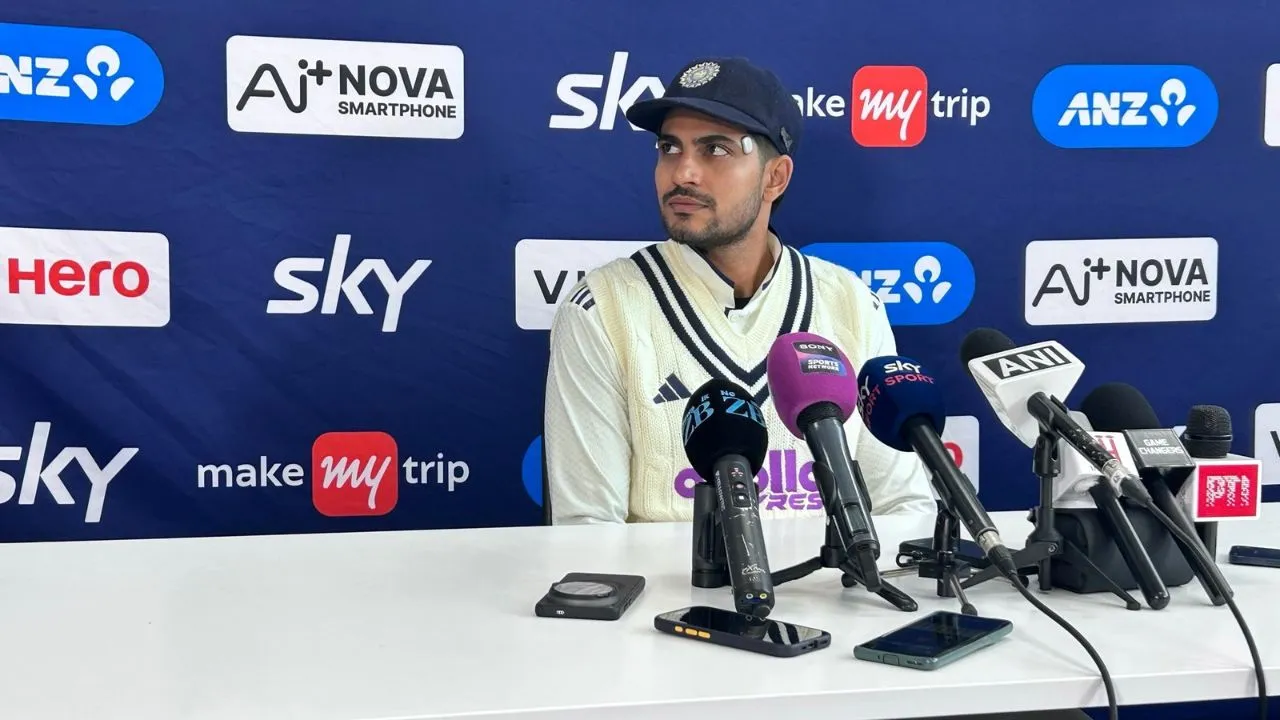
Shubman Gill takes dig at ball manufacturer, questions ICC’s saliva ban after Wellington draw
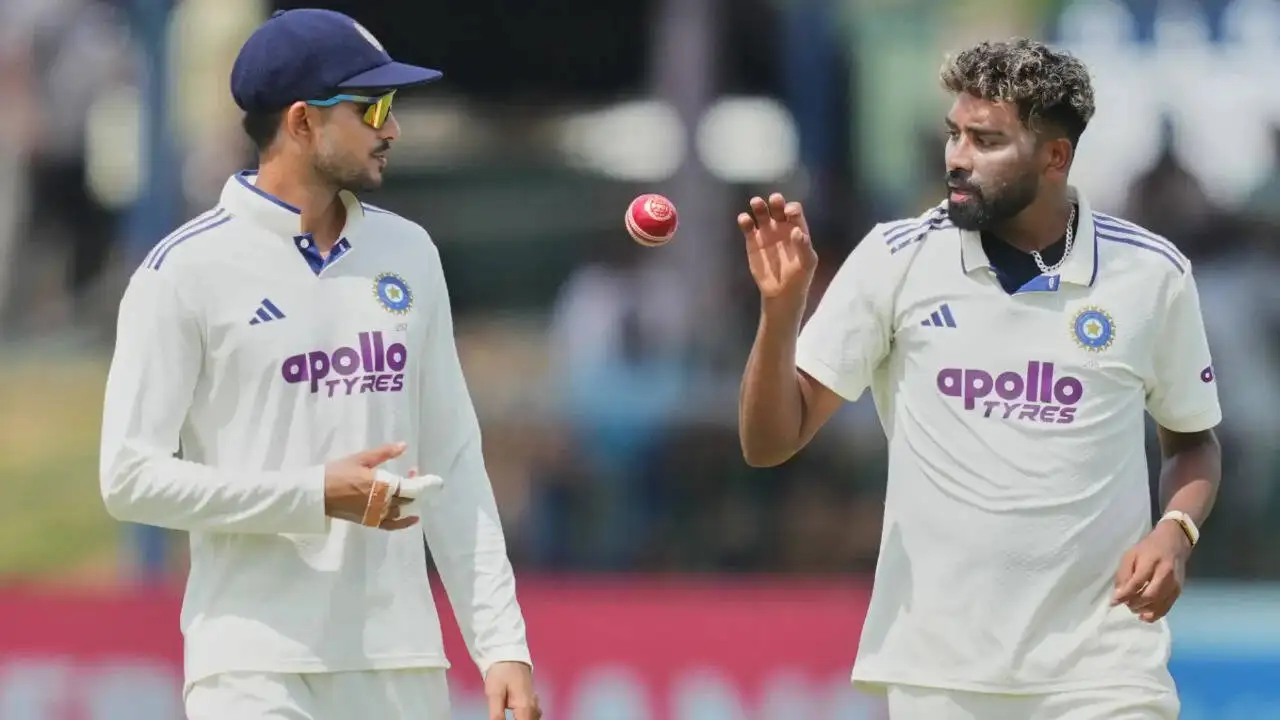
“We picked on current form”: Shubman Gill justifies Mohammed Siraj’s exclusion after Wellington draw
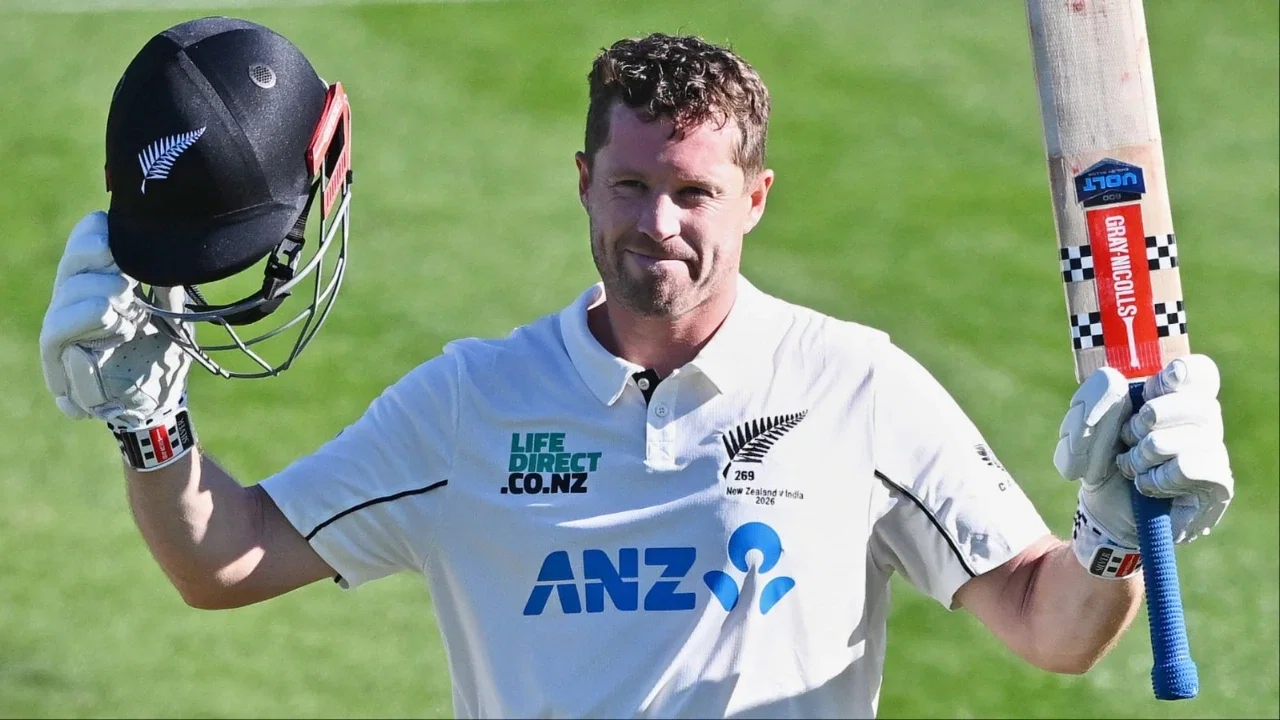
“A pleasing result”: Henry Nicholls reflects on New Zealand’s fightback after 70/5 in 1st Test vs India
“Hopefully there’s a bit more help”: Shubman Gill wants better bowling conditions in 2nd Test at Christchurch
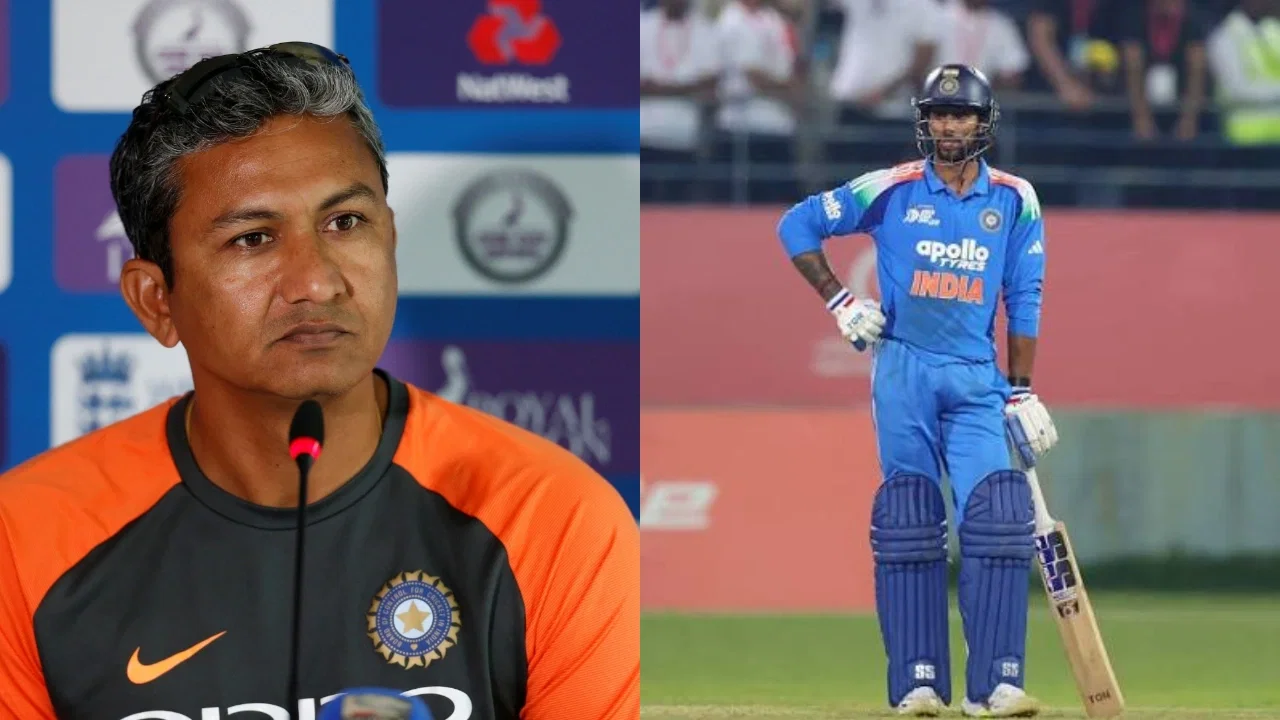
Sanjay Bangar accuses Tilak Varma’s slow batting after 48-run defeat against Pakistan
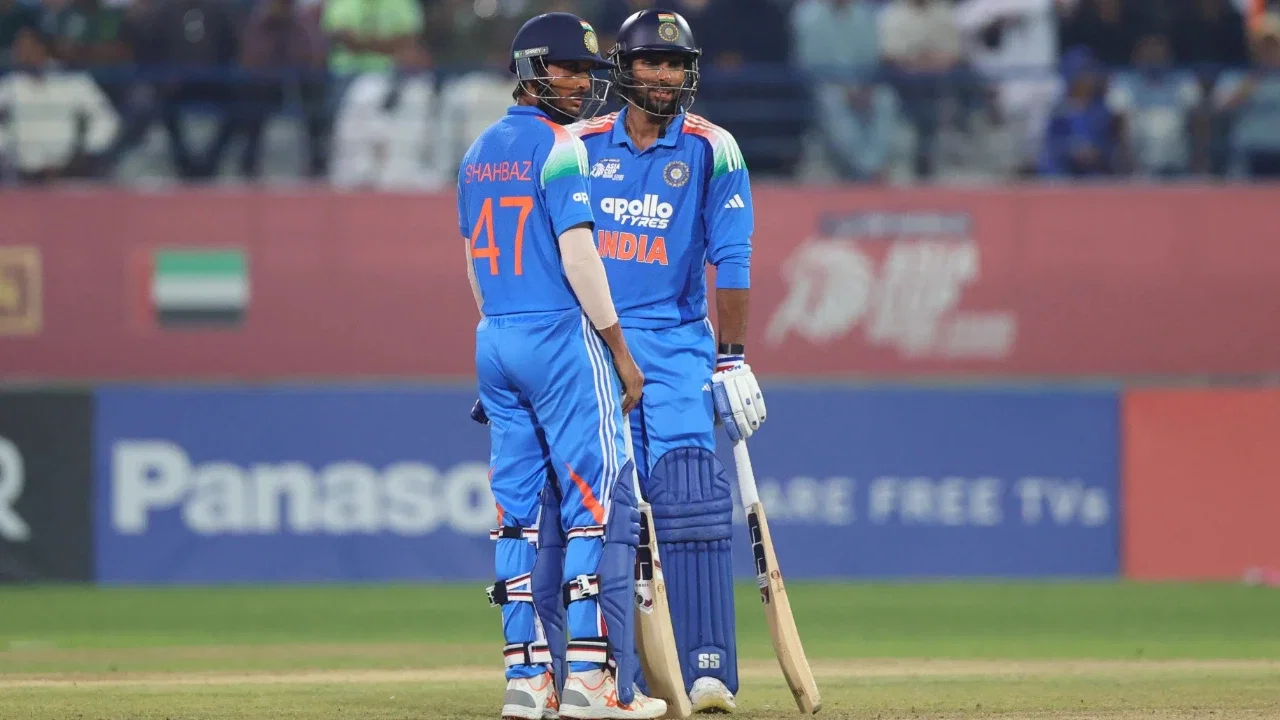
“If he could have stayed…”: Tilak Varma blames Shahbaz Ahmed after India’s 48-run loss to Pakistan
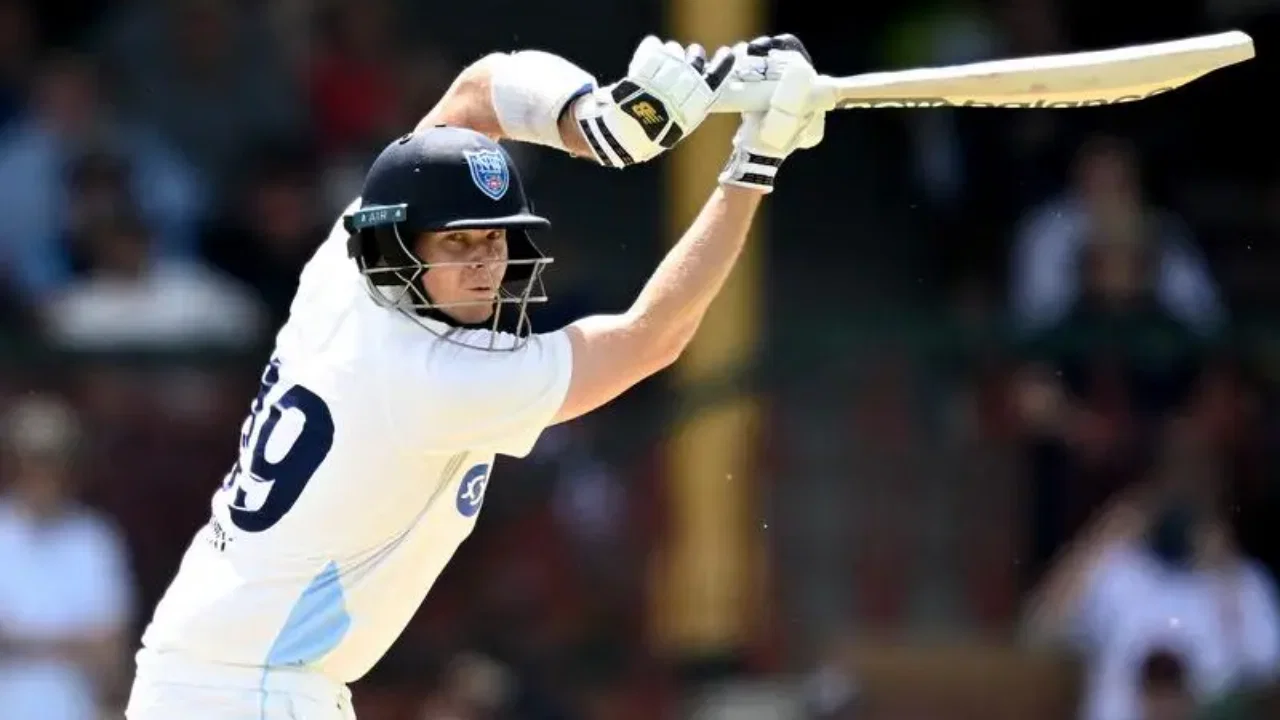
Steve Smith fails on comeback, gets out for just 12 runs

“Where is Kuldeep or Manav Suthar?”: Sourav Ganguly questions Gautam Gambhir over India’s spin options
Usman Khawaja booed by fans on cricket return amid Sandpapergate controversy
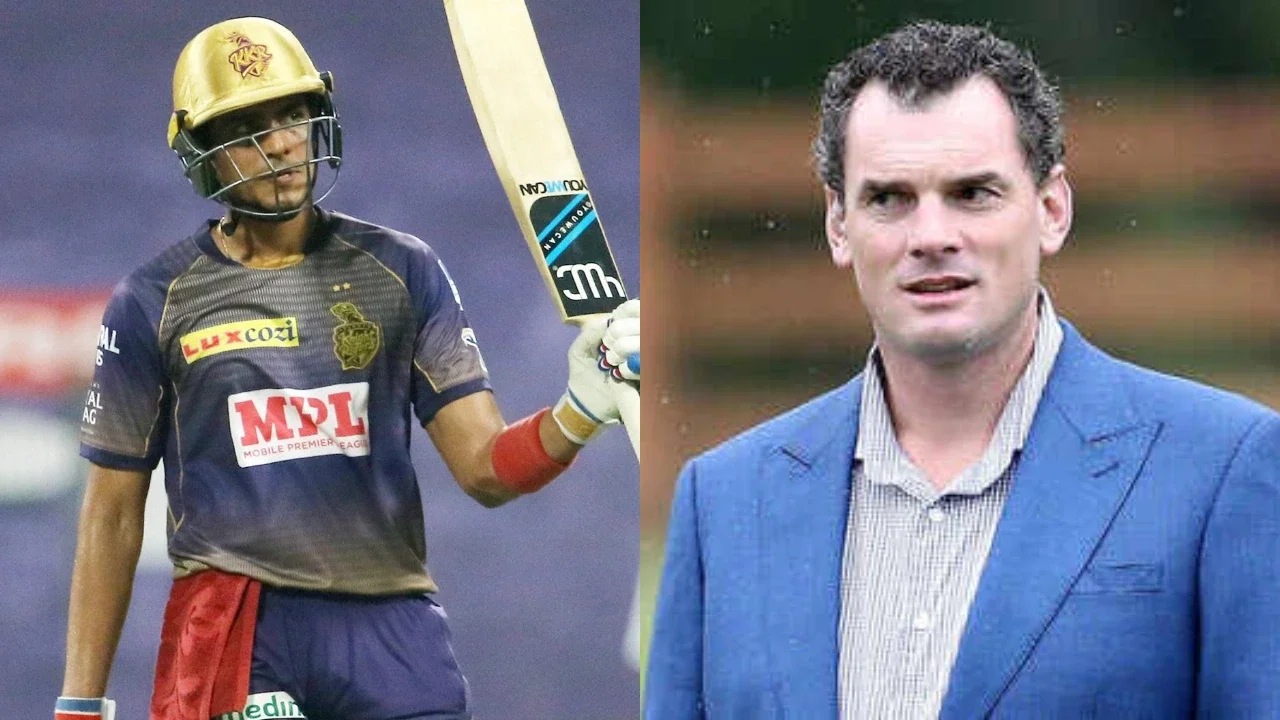
Kyle Mills calls KKR’s decision to release Shubman Gill “a shame”
“Bigger issues at play”: MCC reacts to ongoing India-Pakistan handshake controversy
Will Jacks ruled out of Australia vs England T20I series with broken hand