Shubman Gill takes dig at ball manufacturer, questions ICC’s saliva ban after Wellington draw

India vs New Zealand Test Draw: Gill Questions Ball Quality and ICC Saliva Ban
India and New Zealand’s first Test at Wellington’s Basin Reserve ended in a draw, leaving both sides with work to do in the ICC World Test Championship (WTC) 2025–27 race. India had hoped to turn a strong first-innings performance into a crucial victory, but New Zealand’s resistance in the final innings denied them the result they needed.
After the match, India captain Shubman Gill voiced frustration about the outcome and raised concerns about how the ball behaved. He questioned whether its condition made life harder for bowlers, and criticised the ICC’s continued ban on using saliva to shine the ball. Gill also reflected on missed opportunities in the field, saying a couple of half-chances might have changed the match.
Gill Questions Ball Condition and Permanent Saliva Ban
Gill said the draw was disappointing, particularly because both teams had entered the match seeking a win. He noted that the ball appeared to soften relatively early, making it difficult for seamers to generate movement or carry from the pitch. According to comments reported by the Times of India, he said the ball had become soft after around 20 to 25 overs, a problem he had also noticed during India’s tour of England.
“The ball plays a role,” Gill said, adding that edges were not carrying consistently and that bowlers were left relying mainly on bowled and leg-before-wicket dismissals. His comments highlight a familiar debate in Test cricket: the balance between bat and ball, and whether ball durability can affect the contest as much as pitch conditions or player skill.
Gill also questioned why the ICC’s ban on saliva remains in place years after the COVID-19 pandemic. Players traditionally used saliva to polish one side of the ball, helping it swing through the air. The restriction was introduced as a health precaution during the pandemic and later made permanent. Teams can still shine the ball using sweat, but conditions such as heat and humidity can influence how effective that method is.
Why ball maintenance matters in Test cricket
In the longer format, the condition of the ball can shape a match’s tactical direction. A hard, well-maintained ball may offer seam movement and carry, while an older or softer ball can reduce the threat posed by fast bowlers. That can give batters more time to settle and make it harder for a side to force a result, particularly on a surface that offers limited assistance.
Gill’s remarks do not change the rules, but they add to the ongoing conversation among players and fans about whether cricket’s ball-management regulations are serving the game as intended. Any change would ultimately be a matter for the ICC and its member boards.
Missed Chances Could Have Changed the Result
Gill also pointed to two half-chances during New Zealand’s second innings as moments India might look back on. He said the team had started the day with good energy and was aiming to break through into the lower order, but the opportunities did not become wickets. In a match where the final innings proved decisive, even a single breakthrough could have increased the pressure on the hosts.
India had planned a team activity after the match, but Gill said it was cancelled because the bowlers had already put in a heavy workload. The decision reflected the demands of a long Test, in which India’s attack had to keep searching for wickets while New Zealand’s batters focused on survival.
New Zealand Recover After Early First-Innings Trouble
New Zealand’s first innings began poorly, with the hosts reduced to 70 for five. Henry Nicholls and Glenn Phillips then produced a substantial recovery, scoring 175 and 118 respectively to lift their team to 368. Their partnership transformed a precarious position into a competitive total and demonstrated why New Zealand remained difficult to dismiss even after losing early wickets.
Jasprit Bumrah, returning to the attack, was among India’s most effective bowlers in that innings, taking four wickets. His performance gave India a route back into the contest, but New Zealand’s lower-order resistance and the contributions from Nicholls and Phillips ensured the visitors did not secure an overwhelming advantage.
India’s Big Total Was Not Enough to Force a Win
India responded with a commanding batting display. KL Rahul made 136, Yashasvi Jaiswal scored 85, and Devdutt Padikkal added 80. Gill came close to a century with 98, while Rishabh Pant contributed 128. The depth of the scoring allowed India to reach 720 for nine before declaring, establishing a lead of 352 runs.
That total put India in a powerful position, but a large lead does not guarantee a result in Test cricket. New Zealand’s second-innings batting proved disciplined and resilient: the hosts lost only five wickets as they negotiated the remaining challenge. With time running out and the lower order still intact, India could not complete the final push required for victory.
The match therefore became a reminder of the difference between building a dominant position and converting it into a win. India’s batters delivered a huge total, but the combination of New Zealand’s resistance, the available time and the limited impact of the ball on the final day kept the contest from producing a decisive finish.
WTC Qualification Prediction: India Under Pressure, New Zealand Still in Contention
The draw is a setback for both teams in the WTC 2025–27 standings, though the implications are more urgent for India. Before the match, India’s qualification path was described as requiring six wins from its remaining seven Tests. Dropping points in a match viewed as a must-win makes that prediction considerably less comfortable and leaves little room for further slip-ups.
New Zealand, by contrast, still has nine Tests remaining in its campaign, giving the side more opportunities to recover ground. That does not guarantee a place in the final: results in other series, points earned and the percentage of available points all influence the standings. But the hosts retain a longer runway than India to strengthen their position.
The next Test is scheduled to be played in Christchurch on November 27. India will be aiming to turn its strong batting form into a complete performance, while New Zealand can take confidence from its ability to recover from 70 for five and protect a difficult second-innings position. For both teams, the next match could have a significant bearing on the evolving WTC final prediction.
Latest News
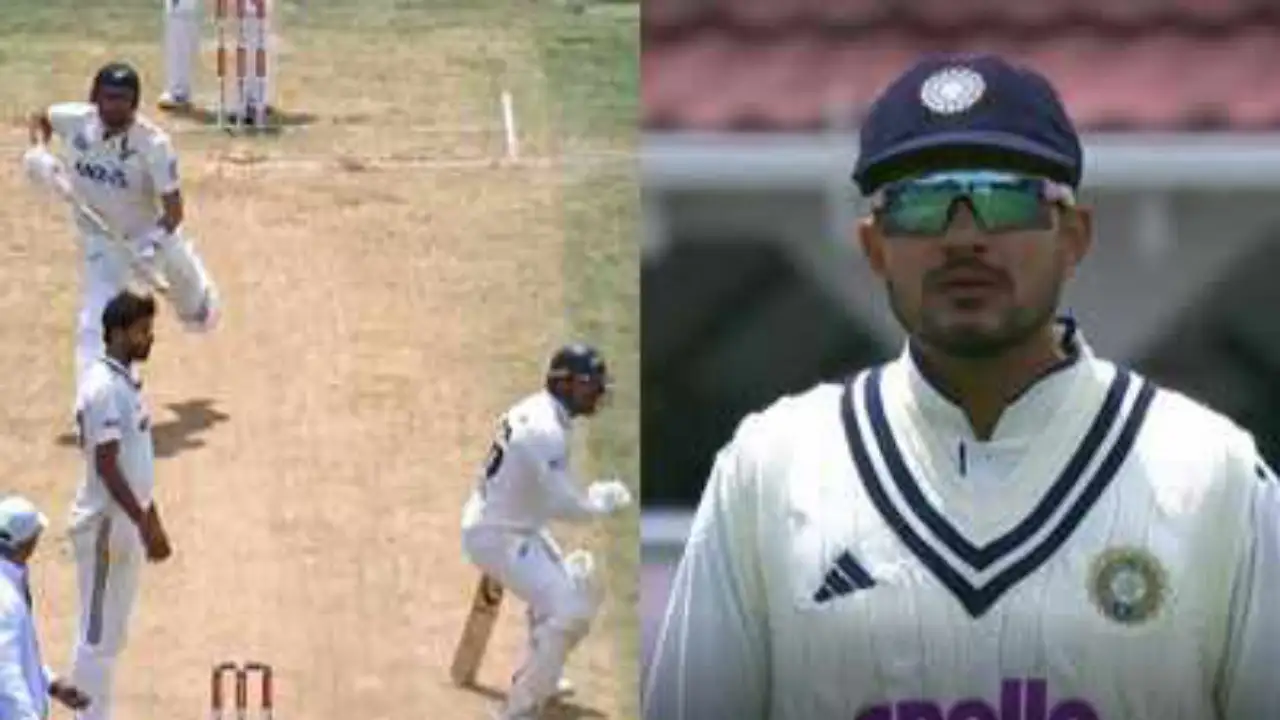
Watch: Shubman Gill’s angry reaction goes viral after Akash Deep’s run-out miss
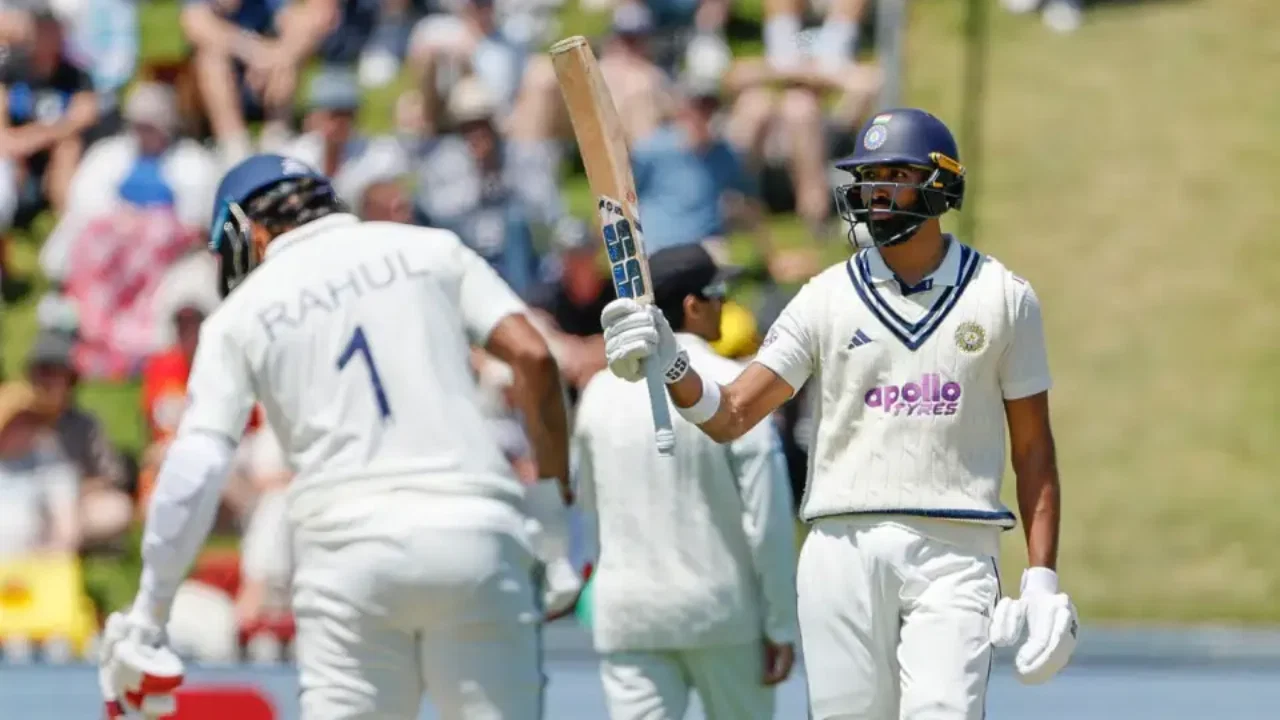
India’s WTC Final qualification scenario after 1st Test draw vs New Zealand
Shubman Gill takes dig at ball manufacturer, questions ICC’s saliva ban after Wellington draw
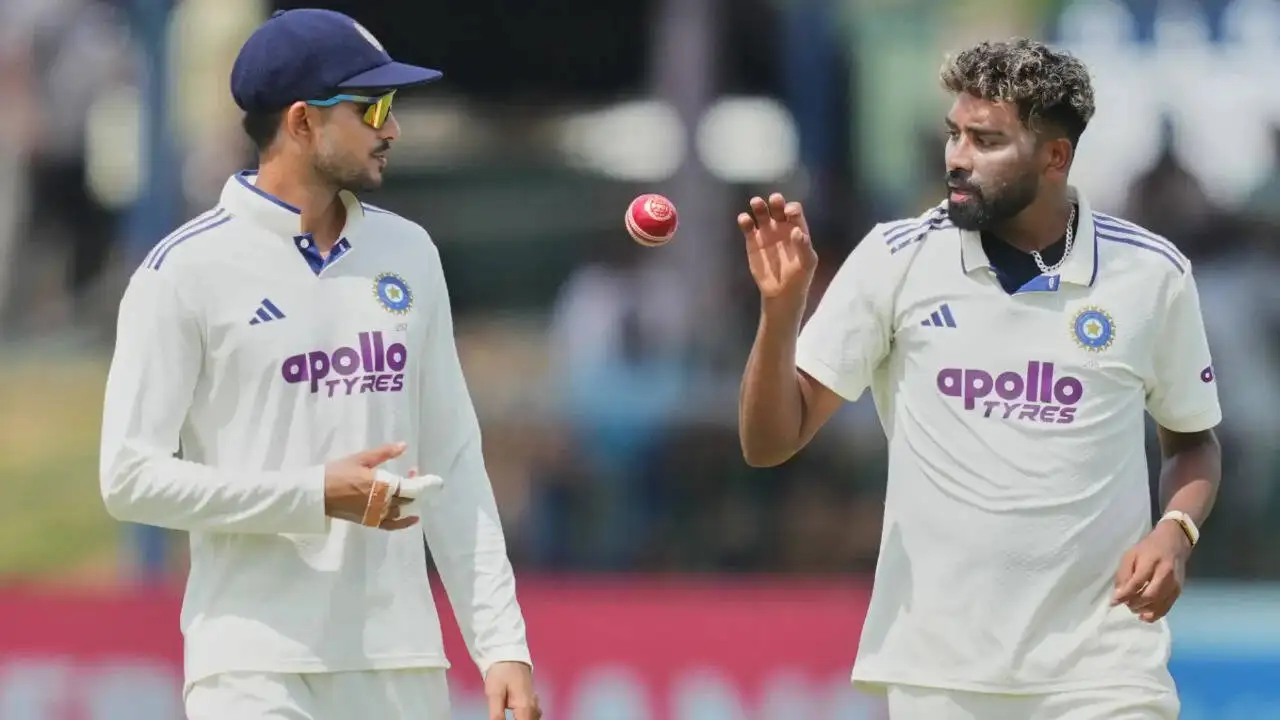
“We picked on current form”: Shubman Gill justifies Mohammed Siraj’s exclusion after Wellington draw

“A pleasing result”: Henry Nicholls reflects on New Zealand’s fightback after 70/5 in 1st Test vs India
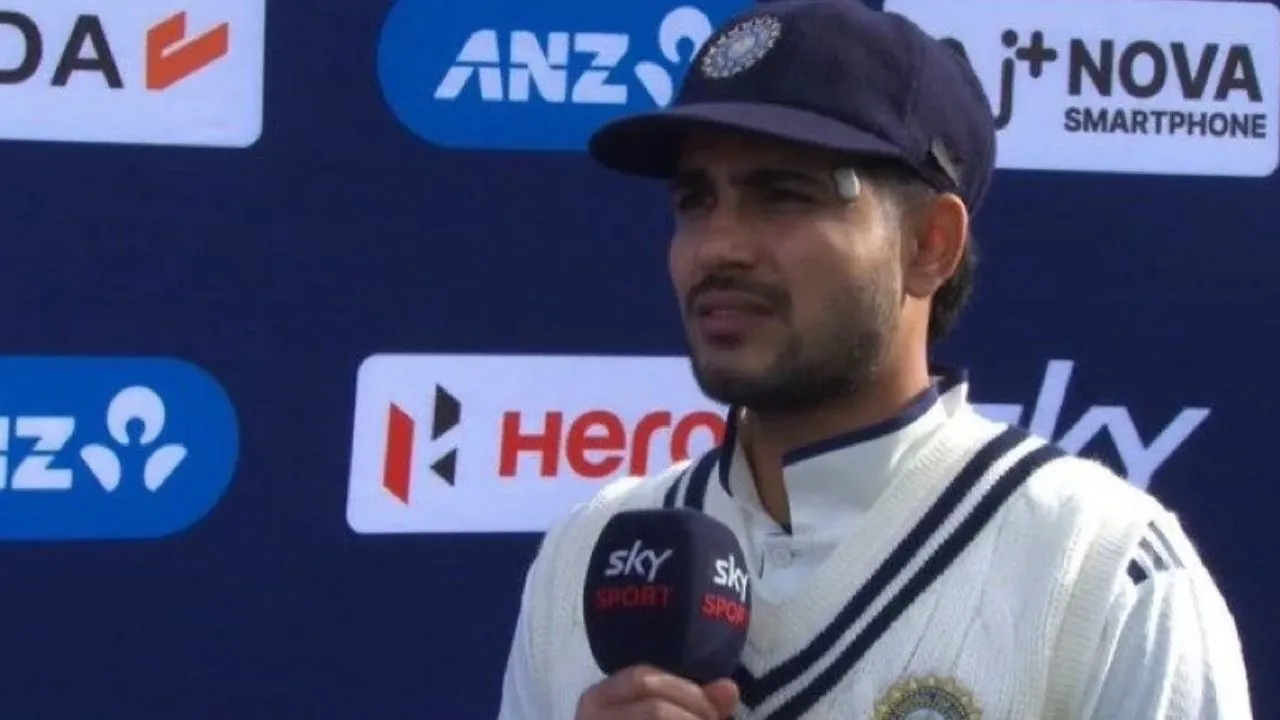
“Hopefully there’s a bit more help”: Shubman Gill wants better bowling conditions in 2nd Test at Christchurch
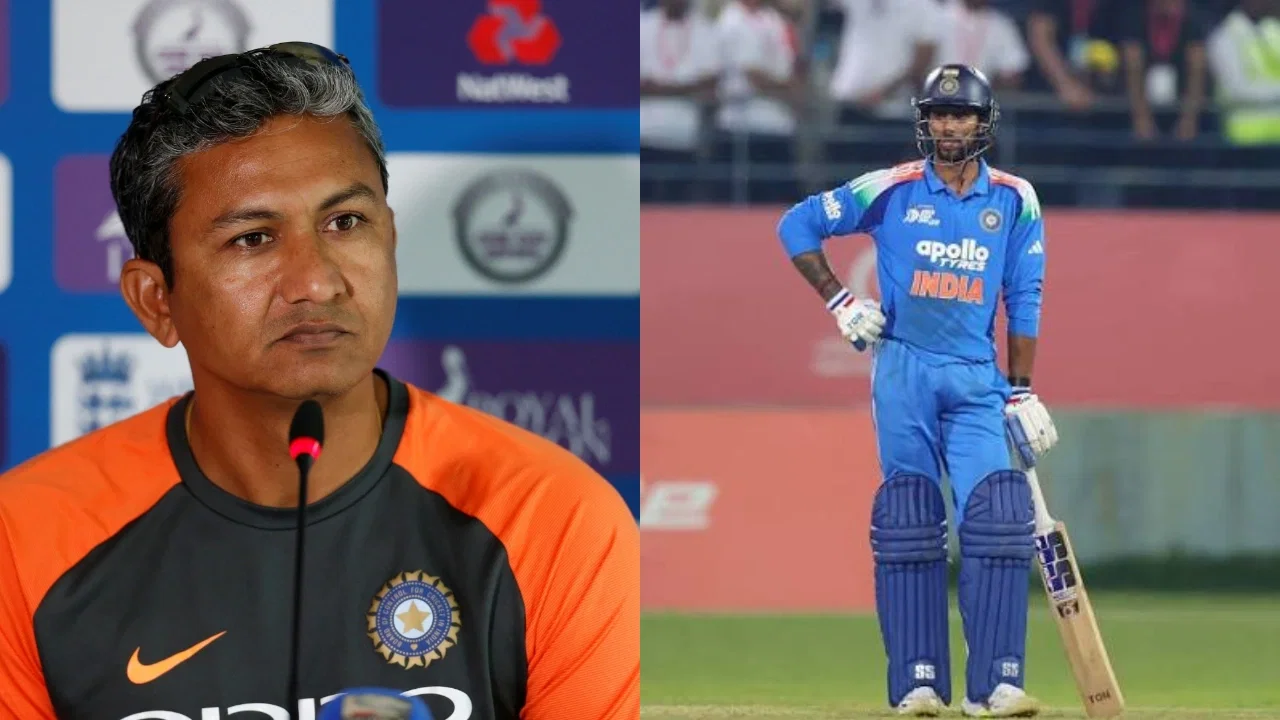
Sanjay Bangar accuses Tilak Varma’s slow batting after 48-run defeat against Pakistan
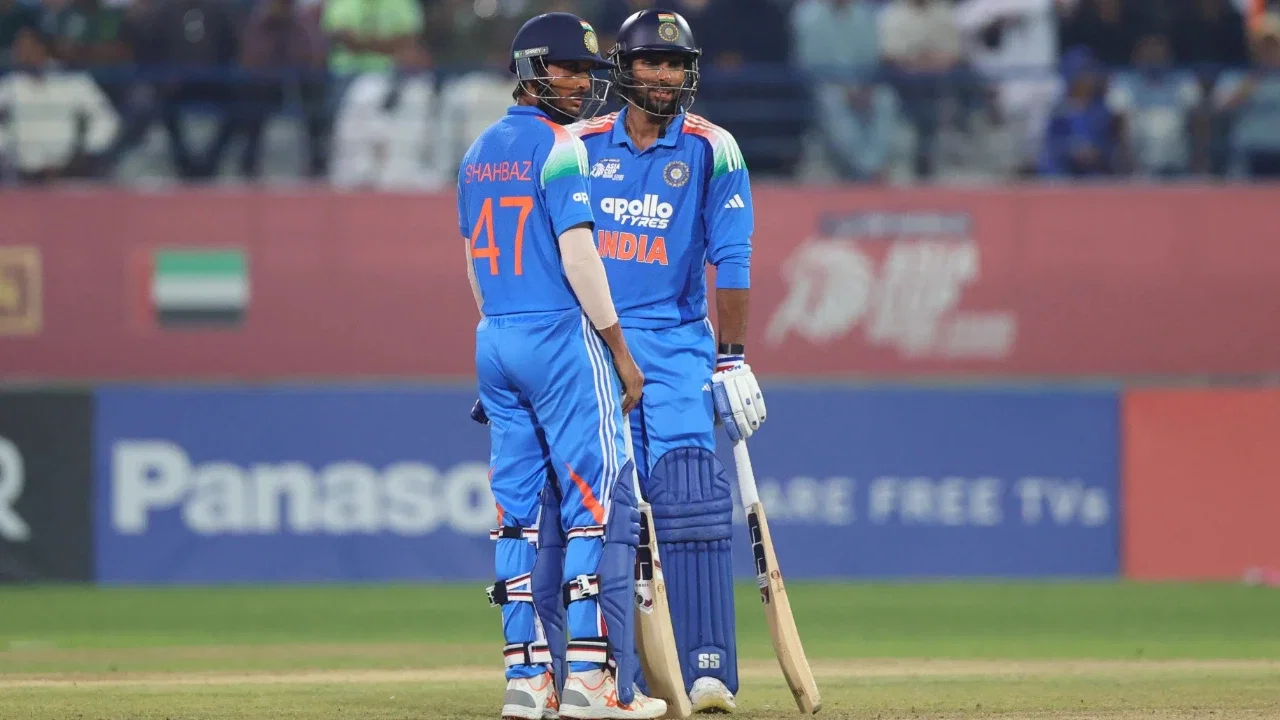
“If he could have stayed…”: Tilak Varma blames Shahbaz Ahmed after India’s 48-run loss to Pakistan

Steve Smith fails on comeback, gets out for just 12 runs

“Where is Kuldeep or Manav Suthar?”: Sourav Ganguly questions Gautam Gambhir over India’s spin options

Usman Khawaja booed by fans on cricket return amid Sandpapergate controversy

Kyle Mills calls KKR’s decision to release Shubman Gill “a shame”
“Bigger issues at play”: MCC reacts to ongoing India-Pakistan handshake controversy
Will Jacks ruled out of Australia vs England T20I series with broken hand