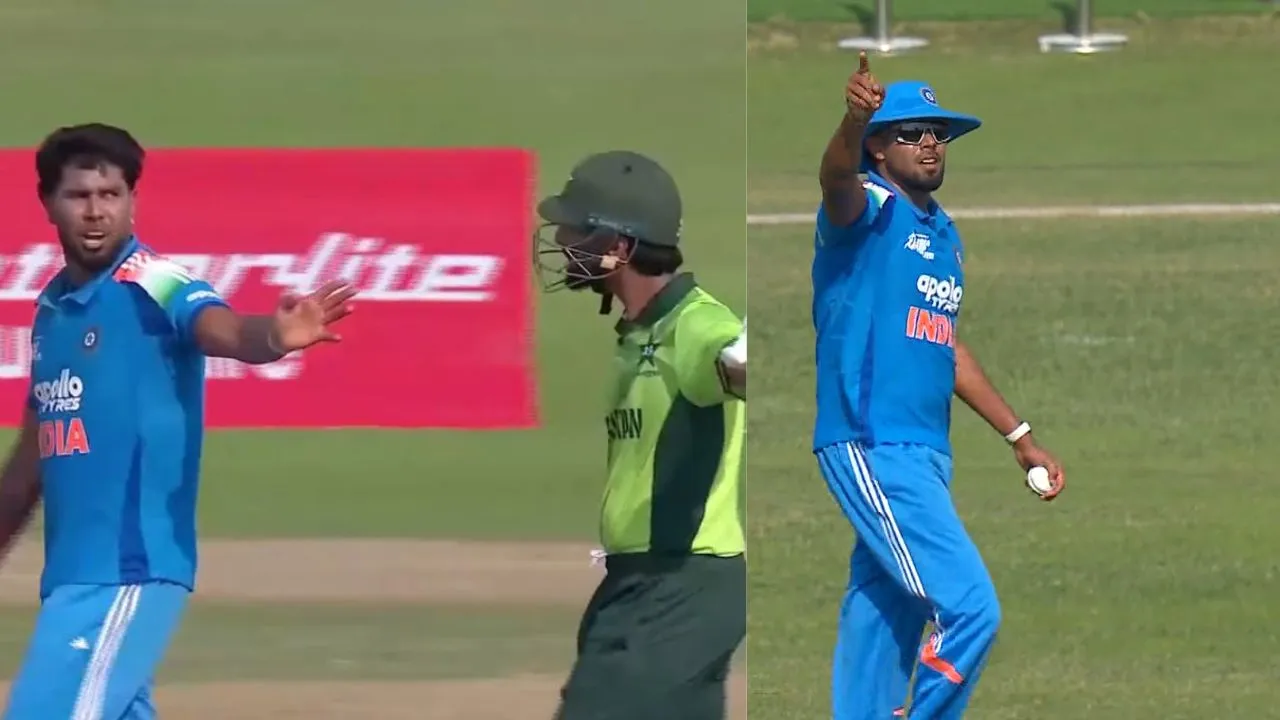
Watch: Shubman Gill’s angry reaction goes viral after Akash Deep’s run-out miss
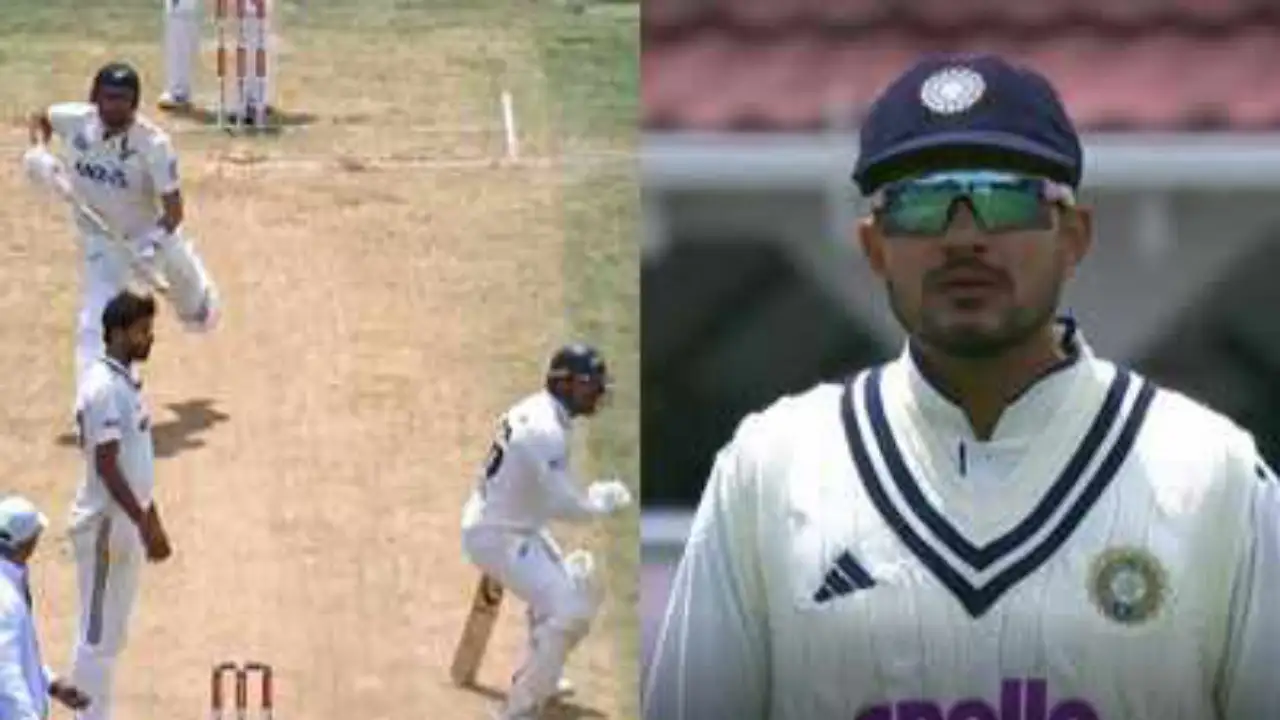
India’s Missed Chances Help New Zealand Hold On for a Draw in Wellington Test
India came close to breaking New Zealand’s resistance on the final day of the first Test in Wellington, but two missed opportunities allowed the visitors to preserve their wickets and secure a draw. A misfield by Akash Deep denied India a possible run-out of Daryl Mitchell, while Devdutt Padikkal could not hold on to a difficult chance at short leg.
The incidents added tension to a gripping fifth day, when India needed regular breakthroughs to force a result. Instead, Mitchell and his partners focused on occupying the crease, facing deliveries and running down the remaining time. The match ultimately ended without a winner, leaving both teams to turn their attention to the second Test of the series.
Akash Deep’s Misfield Gives Mitchell a Lifeline
The key run-out opportunity came during the 74th over of New Zealand’s second innings, with Washington Sundar bowling for India. Mitchell pushed the ball down the ground towards mid-on and immediately set off for a single. He was well away from his crease as the ball rolled into the fielding area, creating a clear chance for India to attempt a direct run-out.
Akash Deep moved quickly to gather the ball and had an opportunity to throw at the stumps. However, he could not collect it cleanly. The ball slipped as he tried to lift it from the ground, giving Mitchell enough time to make it safely to the other end. Tom Blundell, who had been waiting at the non-striker’s end, was also unharmed.
India captain Shubman Gill’s disappointment was visible. The broadcast caught his reaction moments after the missed chance, and commentator Ian Smith, the former New Zealand cricketer, remarked, “Mark that down.” In a closely fought Test, even a single missed opportunity can become a defining moment—particularly when the batter involved is central to a stubborn rearguard effort.
Padikkal Also Unable to Hold a Catch
India had another chance to remove Mitchell earlier in the innings. During an over from Anshul Kamboj, the ball struck Mitchell’s glove and looped towards the short-leg fielder. Devdutt Padikkal stretched out to reach it, but the ball did not stick.
The chance was difficult. The ball came quickly off the glove, and Padikkal had little time to adjust his position. Even so, it was a moment India would have wanted to convert, as the ball appeared to have lost some pace after making contact with Mitchell’s glove. The missed catch, combined with Akash Deep’s misfield, meant Mitchell received two reprieves as New Zealand worked to save the match.
Those moments fuelled discussion among supporters about India’s fielding and the pressure of defending a result on the final day. But the match also highlighted the challenge of taking wickets when the pitch offers limited assistance and the batting side is prepared to prioritise survival over scoring quickly.
Mitchell and Blundell Lead New Zealand’s Resistance
Mitchell finished unbeaten after facing 186 deliveries, scoring 49 runs with four boundaries and a six. His contribution was measured less by the number of runs than by the time he spent at the crease. By leaving well, defending carefully and choosing his scoring opportunities, he helped keep India’s bowlers at bay.
Blundell made just 15 runs, but his 54-ball stay was valuable in the context of the situation. On the final day, every over consumed reduced India’s time to take the remaining wickets. After Blundell was dismissed, Glenn Phillips joined Mitchell and faced 126 deliveries, continuing New Zealand’s defensive effort.
For India, the task was made harder by the need to take wickets in conditions that did not appear to offer much help to the bowlers. A prediction of a late Indian breakthrough remained possible while Mitchell and Phillips were batting, but New Zealand’s disciplined approach steadily narrowed the visitors’ window to force a win.
What the Draw Means for the Series
The Wellington Test ended in a draw, with New Zealand successfully protecting their wickets through the closing stages. India will be left to consider the missed fielding chances, but the result cannot be attributed to those moments alone. New Zealand’s batters showed patience, managed the pressure and made India work for every opportunity.
For the next Test, India’s priorities will include sharper fielding and finding ways to create chances when conditions are not strongly in the bowlers’ favour. New Zealand, meanwhile, can take confidence from the resilience shown by Mitchell, Blundell and Phillips. Their ability to absorb pressure on the final day provided a clear lesson in how determined batting can change the shape of a Test match.
The draw keeps the two-match series finely poised. Attention will now shift to the second Test, where both sides will look for a stronger result. India will aim to turn its pressure into wickets, while New Zealand will hope to carry the composure of its Wellington rearguard into the next contest.
Latest News
Watch: Shubman Gill’s angry reaction goes viral after Akash Deep’s run-out miss
India’s WTC Final qualification scenario after 1st Test draw vs New Zealand
Shubman Gill takes dig at ball manufacturer, questions ICC’s saliva ban after Wellington draw
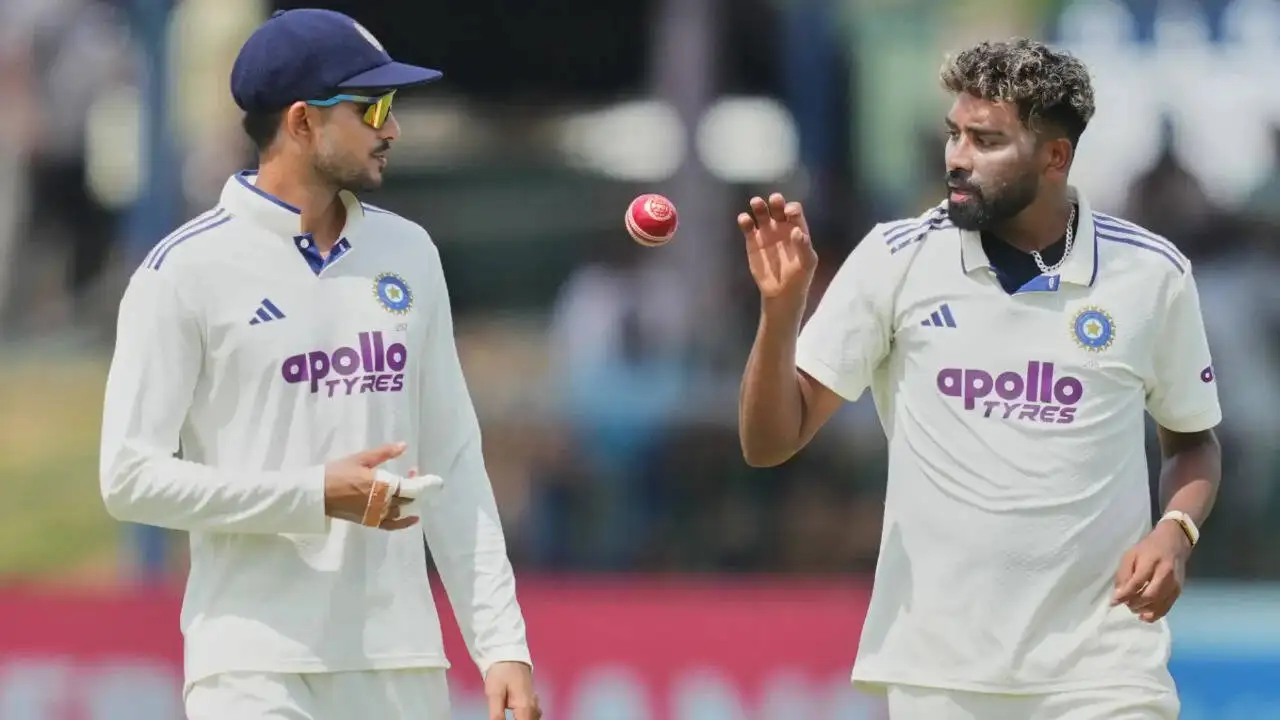
“We picked on current form”: Shubman Gill justifies Mohammed Siraj’s exclusion after Wellington draw
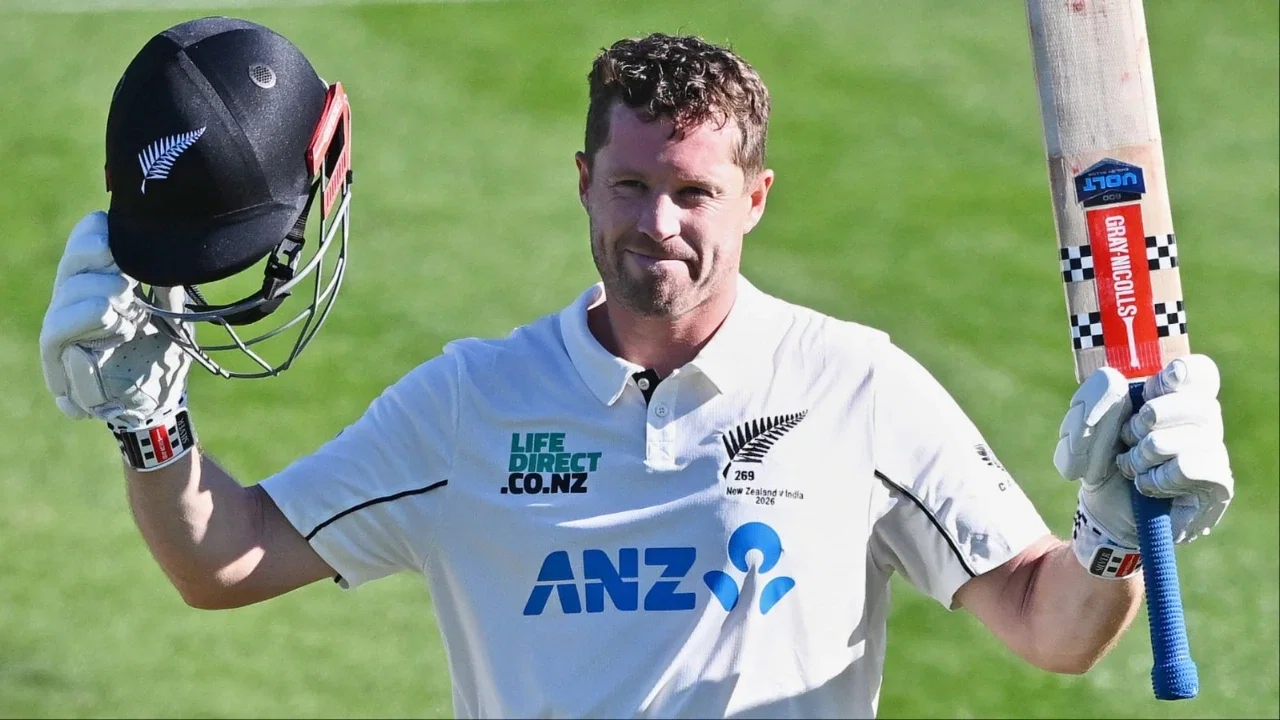
“A pleasing result”: Henry Nicholls reflects on New Zealand’s fightback after 70/5 in 1st Test vs India
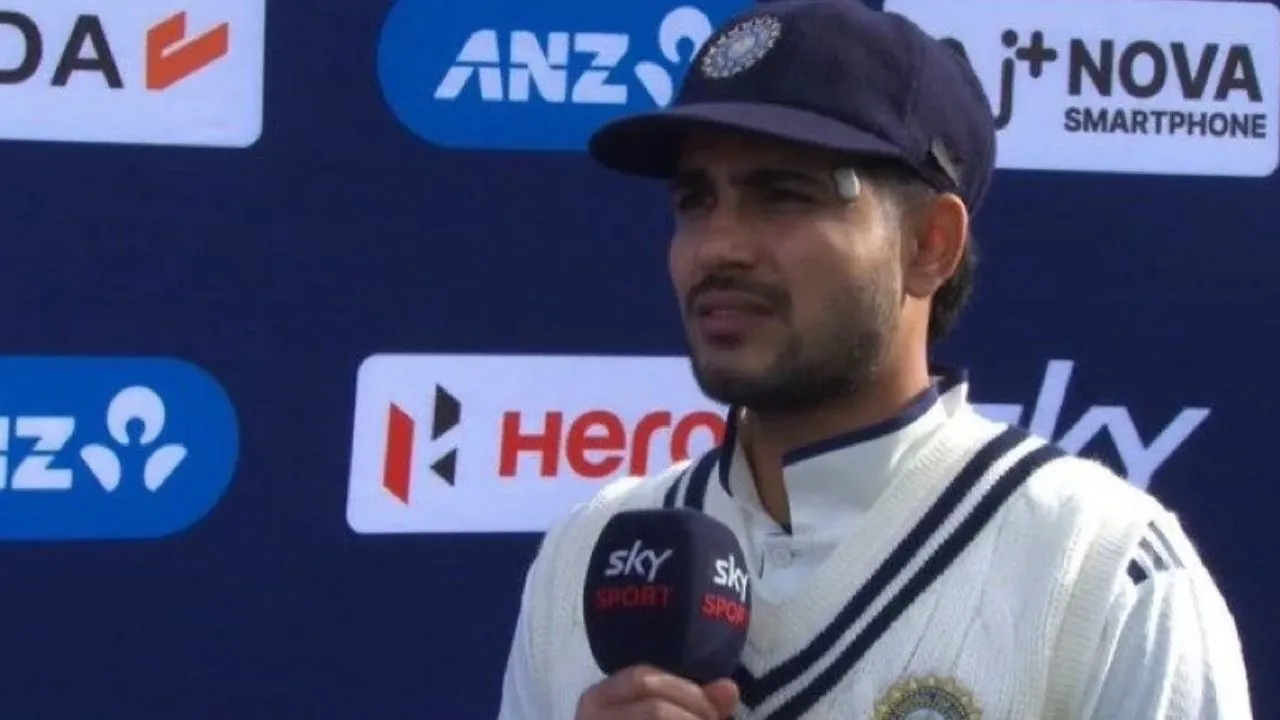
“Hopefully there’s a bit more help”: Shubman Gill wants better bowling conditions in 2nd Test at Christchurch
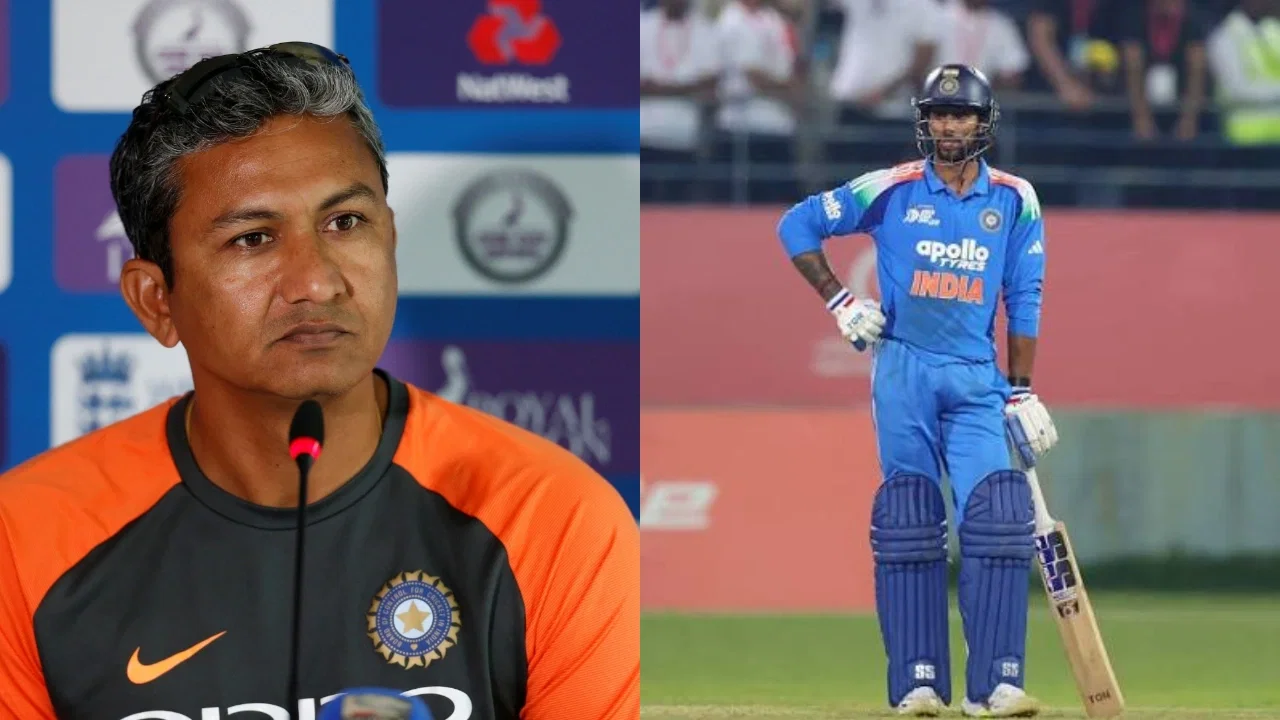
Sanjay Bangar accuses Tilak Varma’s slow batting after 48-run defeat against Pakistan
“If he could have stayed…”: Tilak Varma blames Shahbaz Ahmed after India’s 48-run loss to Pakistan
Steve Smith fails on comeback, gets out for just 12 runs
“Where is Kuldeep or Manav Suthar?”: Sourav Ganguly questions Gautam Gambhir over India’s spin options
Usman Khawaja booed by fans on cricket return amid Sandpapergate controversy
Kyle Mills calls KKR’s decision to release Shubman Gill “a shame”
“Bigger issues at play”: MCC reacts to ongoing India-Pakistan handshake controversy
Will Jacks ruled out of Australia vs England T20I series with broken hand