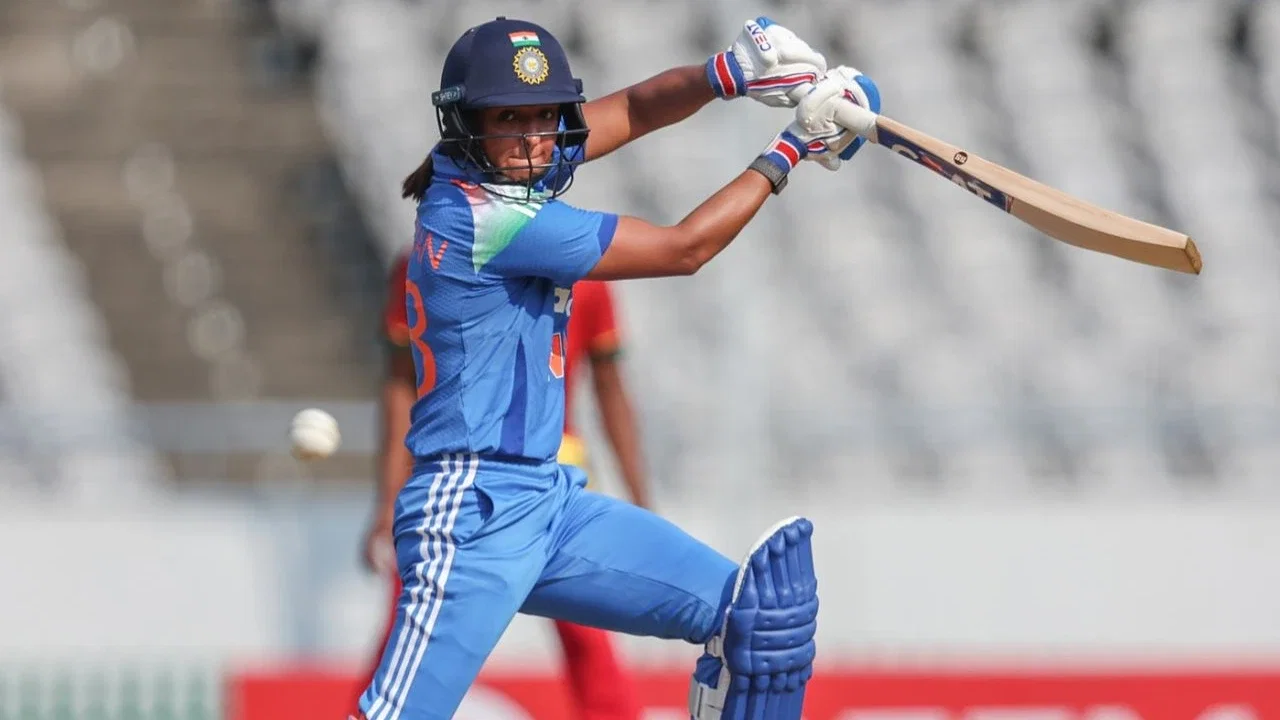
Abhimanyu Easwaran reveals Tilak Varma’s secret to thriving under pressure after POTM performance
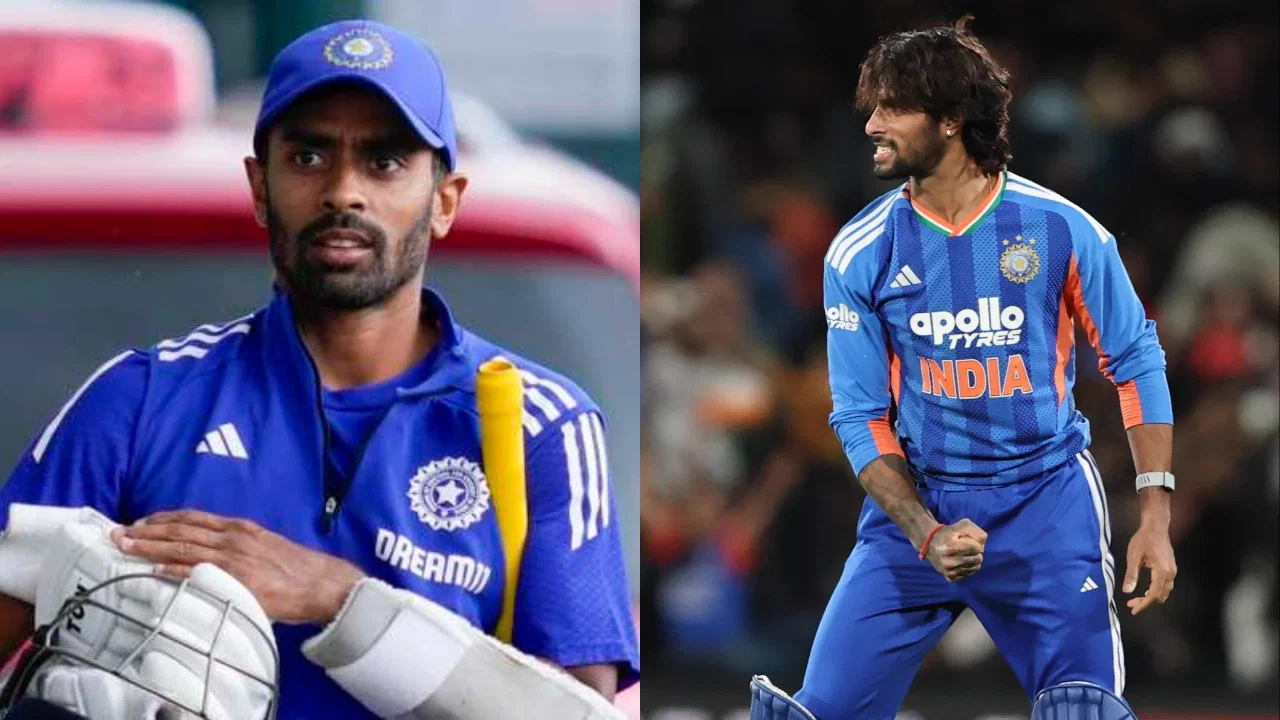
Tilak Varma’s Composure Wins Praise After India’s T20I Victory Over New Zealand
India batter Tilak Varma has earned fresh praise for the calm, dependable approach that helped his side secure a tense win over New Zealand in the second T20I at Hagley Oval on Saturday, October 24. His unbeaten 51 guided India through a demanding chase, reinforcing his growing reputation as a middle-order batter capable of delivering when the pressure is highest.
Bengal captain Abhimanyu Easwaran was among those impressed by the performance. Having shared a dressing room with Tilak and faced him in domestic cricket, Easwaran said the young left-hander’s work ethic, strong character and commitment to improvement make him an example for other middle-order batters.
Tilak Varma Anchors India’s Chase
Chasing a challenging target, India needed composure as much as attacking intent. Tilak provided both, staying unbeaten on 51 and helping the visitors manage the crucial final stages of the innings. Rather than allowing the pressure of the situation to dictate his approach, he remained measured, selected his scoring opportunities and took responsibility for getting India over the line.
That ability to stay clear-headed is becoming a defining feature of Tilak’s game. In T20 cricket, a middle-order batter often has little time to settle. The player may arrive with the asking rate climbing, wickets already down and the match balanced on a few overs. Tilak’s performance showed why a reliable presence in that position can be just as important as an explosive start.
Easwaran said he watched India’s chase after completing a practice session as he prepared to lead Bengal in the third round of the Ranji Trophy 2026–27. He caught only the closing overs live, but later watched the highlights and was delighted by India’s victory, including the contributions of Tilak and Nitish Kumar Reddy.
Speaking to RevSportz, Easwaran described the result as an “incredible win” and singled out Tilak’s calmness. He also pointed to the batter’s performance in the Asia Cup final, saying the New Zealand match was another example of his ability to rise to the occasion in high-pressure cricket.
Why Easwaran Sees Tilak as a Model Middle-Order Batter
For Easwaran, Tilak’s value is not limited to the runs he scores. He believes the batter’s willingness to accept responsibility is a major part of what makes him effective. When a chase becomes difficult, Tilak does not appear reluctant to take charge; instead, he works to keep the innings together and give his team a route to victory.
“He is a very hard-working guy,” Easwaran said, praising the progress Tilak has made in his game. He added that the left-hander is willing to “put his hand up” when the team is under pressure. Easwaran described the latest innings as another demonstration of that quality, calling Tilak’s approach a strong example for players learning to bat in the middle order.
The distinction matters in modern T20 cricket. Middle-order batters are often expected to adapt quickly: they may need to rebuild after early wickets, rotate the strike against disciplined bowling or accelerate immediately if the innings is running out of time. A player who can assess those demands and adjust without losing composure gives a team valuable flexibility.
Hard Work Behind the Match-Winning Performance
Easwaran’s praise also reflected what he has seen away from the spotlight. Having spent time with Tilak in the dressing room, he has observed a player focused on improving rather than relying solely on natural ability. According to the Bengal captain, Tilak works consistently on his cricket, whether in the nets, in the gym or during running sessions.
That routine helps explain why Tilak’s performances under pressure appear increasingly assured. Confidence in a match is often built through preparation: repeated practice, attention to fitness and a willingness to work on weaknesses. Easwaran described Tilak as a tough character, noting that standing up in a difficult situation requires mental strength as well as skill.
For a young international batter, the challenge is to turn promising performances into sustained contribution. Tilak’s unbeaten half-century adds to the evidence that he can be trusted in demanding moments, while Easwaran’s comments highlight the discipline behind that progress. The next step will be maintaining that consistency as opponents study his methods and look for ways to limit his scoring options.
What Tilak’s Innings Could Mean for India
India’s second T20I victory offers a positive sign for a side seeking dependable options throughout its batting order. Top-order aggression can put opponents under pressure, but close matches are often decided by the players who remain composed after the initial momentum fades. Tilak’s contribution showed how a patient, adaptable batter can shape a chase without needing to dominate every delivery.
His performance may also strengthen his case as a long-term option in the middle order. A useful prediction for India’s upcoming T20I contests is that Tilak could continue to be entrusted with responsibility in close finishes, particularly if he maintains the balance between caution and calculated attack. That is not a guarantee of future results, but his temperament and recent performance give the team encouraging reasons to back him.
Easwaran, meanwhile, hopes Tilak continues to win matches for India. His assessment is rooted not only in one unbeaten innings but in a broader view of the batter’s character: a player who works hard, seeks improvement and is prepared to take responsibility when the situation demands it.
Against New Zealand, Tilak delivered the kind of performance that can strengthen a player’s reputation. He kept his composure, helped India complete a difficult chase and gave younger batters a practical example of how to handle pressure. As his international career develops, that combination of resilience, preparation and adaptability may prove just as important as the runs on the scoreboard.
Latest News

Mumbai Indians break silence on Kieron Pollard ditching Joburg Super Kings
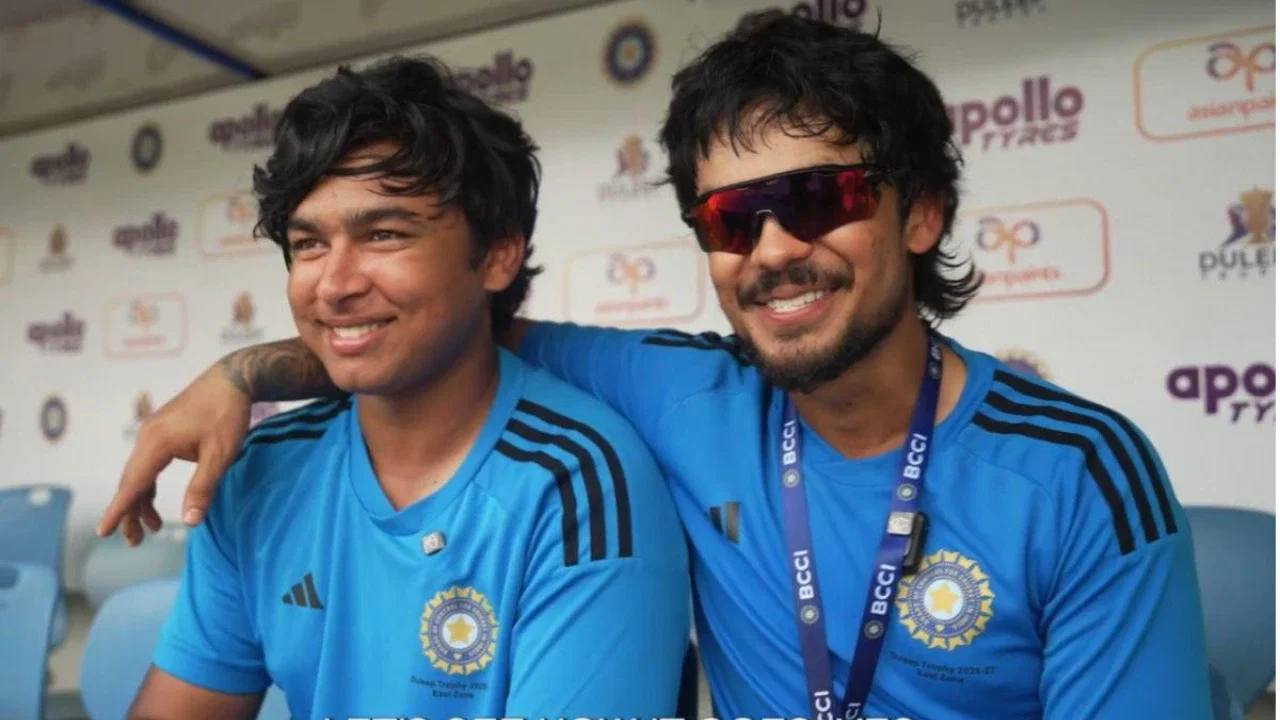
Ishan Kishan likely to replace Vaibhav Sooryavanshi in 4th T20I vs New Zealand

TOR vs MON Dream11 Prediction Today Match, My11Circle Prediction, Dream11 Team Today, Fantasy Cricket Tips, Playing XI, Pitch Report, Injury Update- Global Canada T20 2026, Match 6
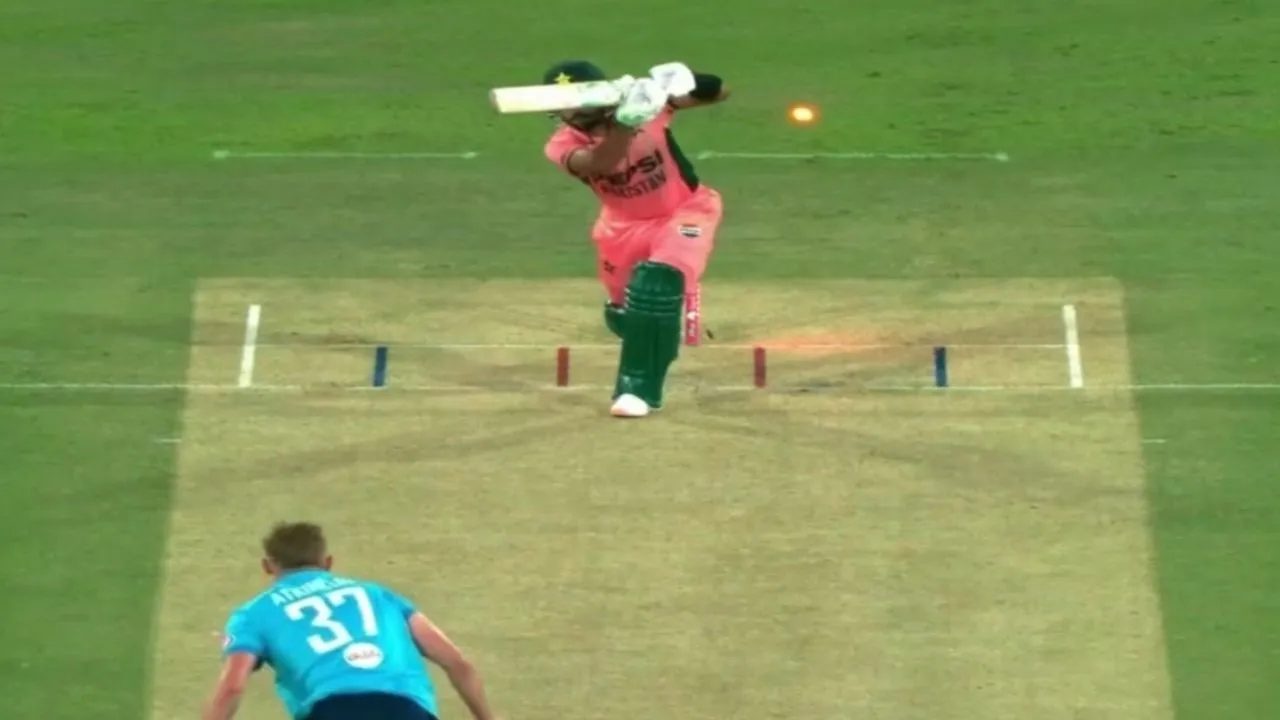
Watch: Gus Atkinson bowls a peach to dismiss Babar Azam
Alex Carey reveals Steve Smith’s fitness status ahead of series-deciding Test vs South Africa
Tim Southee backs Bhuvneshwar Kumar to make an impact in IND vs NZ T20I series
Navdeep Saini set to miss Ranji Trophy 2026-27 match for Delhi; KKR pacer named as replacement
“Give him some time”: Mohammad Kaif backs Bhuvneshwar Kumar after back-to-back expensive spells
Ravichandran Ashwin raises concerns over Bhuvneshwar Kumar after IND vs NZ 2nd T20I
Shaheen Afridi matches Mohammed Shami’s record with 150th ODI wicket against England
Abhimanyu Easwaran reveals Tilak Varma’s secret to thriving under pressure after POTM performance

James Anderson confirms Lancashire exit after county club decides against new contract
Rohit Sharma dismisses retirement rumours, hints at continuing in ODIs
Mohammad Kaif sends clear message on Vaibhav Sooryavanshi after 2nd T20I setback