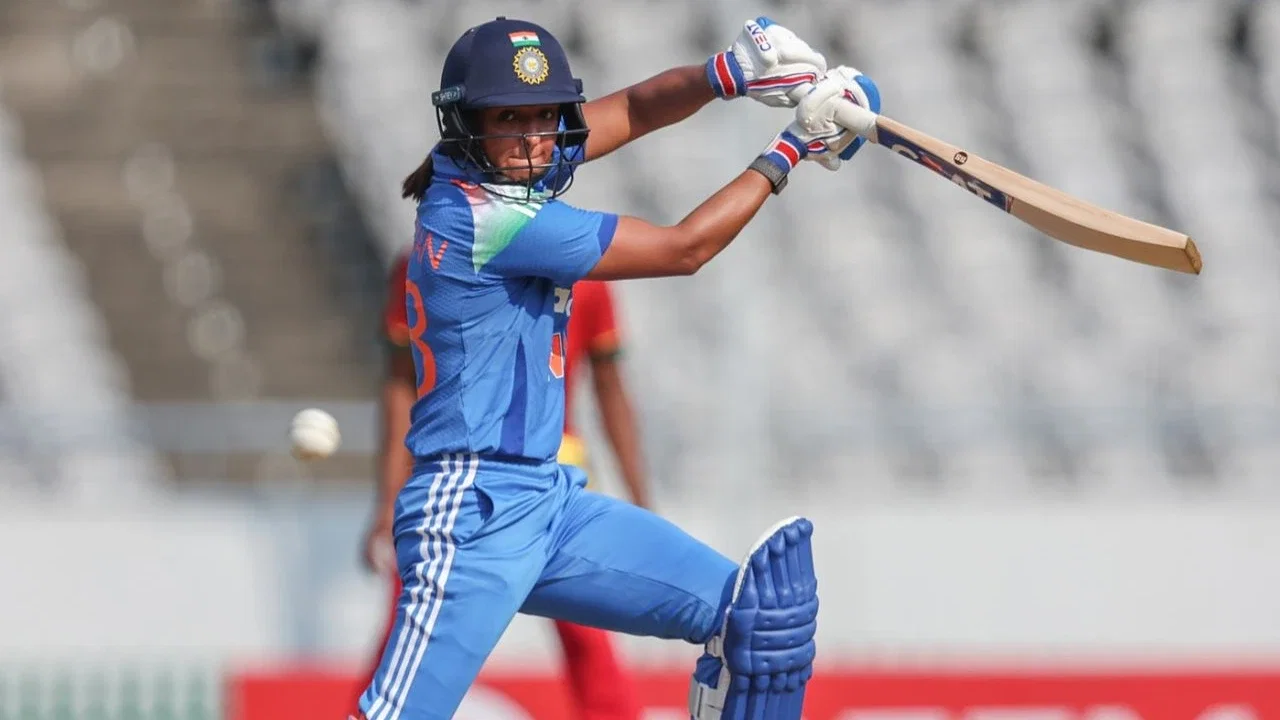
Shaheen Afridi matches Mohammed Shami’s record with 150th ODI wicket against England
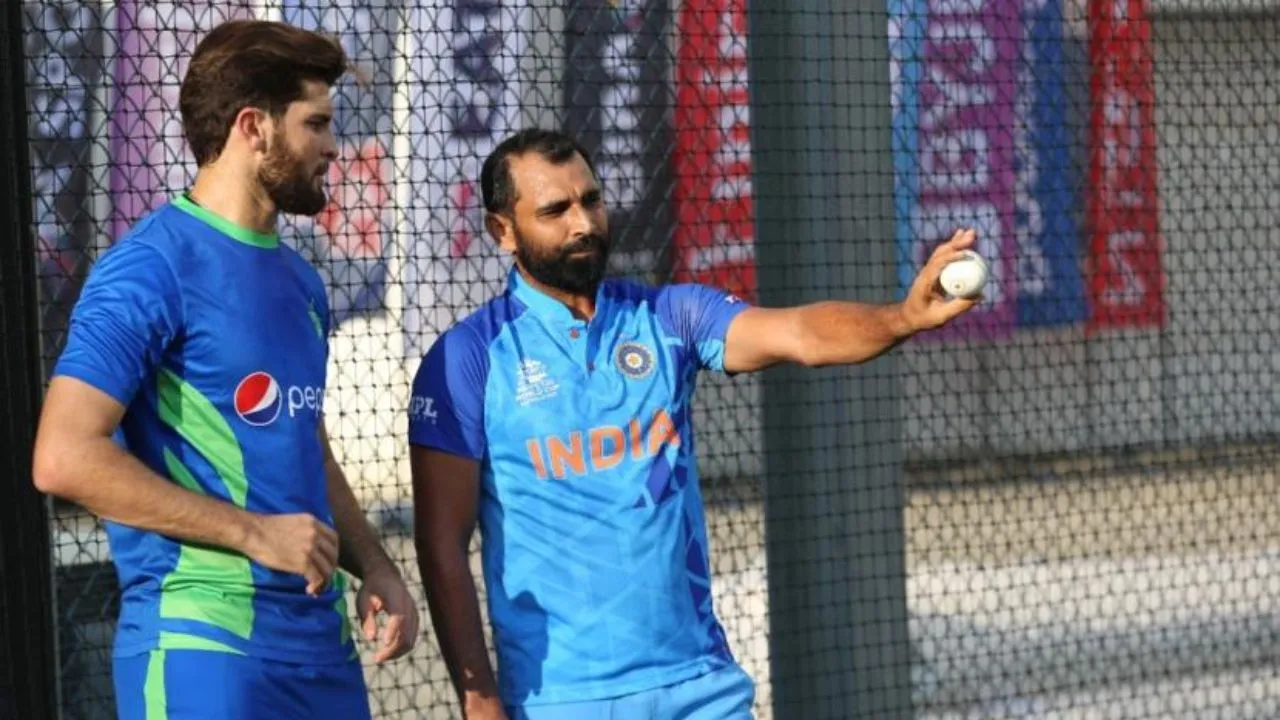
Shaheen Afridi Reaches 150 ODI Wickets as Pakistan Dominate England in Tri-Series
Pakistan captain Shaheen Shah Afridi marked a major career milestone during his side’s tri-series clash with England, claiming his 150th wicket in One Day International cricket. The left-arm fast bowler reached the landmark by dismissing Tom Banton, adding a personal achievement to an important match for Pakistan as they seek a place in the final.
The tournament, featuring Pakistan, England and Sri Lanka, has renewed interest in the traditional tri-series format. With international schedules increasingly crowded by bilateral tours and global competitions, three-team events have become less common. This series gives the sides a valuable opportunity to test their combinations and build momentum in the 50-over game.
Shaheen Joins an Elite Group of Fast Bowlers
Afridi reached 150 ODI wickets in his 80th match, making him the joint-second-fastest fast bowler to achieve the milestone. He shares that position with India’s Mohammed Shami, who also took 80 matches to collect 150 ODI wickets. Australia’s Mitchell Starc remains the quickest among fast bowlers, having reached the mark in 77 games.
New Zealand’s Trent Boult and Australia’s Brett Lee are also among the quickest seamers to reach 150 wickets. The list highlights how valuable early breakthroughs can be in ODI cricket: a fast bowler who can strike regularly in the opening overs can disrupt a batting side’s plans before it settles into an innings.
For Afridi, the achievement is another sign of his importance to Pakistan’s attack. His ability to generate pace, find movement and threaten both right- and left-handed batters has made him a key figure in the team’s one-day plans. The milestone also places him alongside some of the most accomplished fast bowlers of the modern era.
Where Shaheen Stands Among Pakistan’s Bowlers
Afridi is the second-fastest Pakistani bowler to reach 150 ODI wickets. Former spinner Saqlain Mushtaq holds the national record, having reached the landmark in his 78th match. The comparison is notable because Saqlain achieved it in a different era of ODI cricket, while Afridi has built his record as a frontline fast bowler in a demanding international schedule.
Nepal leg-spinner Sandeep Lamichhane reached 150 ODI wickets in 73 matches, the fastest overall according to the figures cited in the match coverage. His achievement is especially significant for an associate cricket nation, where fewer opportunities to play ODIs can make it harder for bowlers to accumulate experience and milestones.
Afridi’s next challenge will be to turn individual milestones into sustained impact. Pakistan will want him to deliver consistently across conditions, particularly in major tournaments where the team has sometimes struggled to reproduce its best form against leading opponents. If he can remain fit and maintain his wicket-taking rhythm, he could continue climbing Pakistan’s ODI records.
Pakistan Put England Under Early Pressure
Pakistan entered the match in a strong position after winning their first two games, against Sri Lanka and England. Afridi won the toss and chose to field, backing his bowlers to make use of the conditions and put England’s top order under pressure. Pakistan made two changes to their lineup: Shadab Khan replaced Faheem Ashraf, while Razaullah came in for Naseem Shah.
The decision to bowl first paid off early. Pakistan’s attack removed key England batters and reduced the visitors to 52 for four, leaving them in need of a substantial recovery. Afridi’s dismissal of Banton added to the early damage and brought the Pakistan captain to the 150-wicket mark.
Ben Duckett became central to England’s effort, holding one end together as wickets fell around him. He reached 83, while Will Jacks remained at the crease as England looked to rebuild and post a total their bowlers could defend. With a strong bowling unit at their disposal, England still had reason to believe they could make the second innings challenging—but they needed a competitive score first.
Tri-Series Prediction: Pakistan Have the Advantage
Pakistan’s two earlier victories had made them favourites to qualify for the final, and their strong start against England further strengthened their position. Their bowlers had seized control at a crucial stage, while England faced the pressure of trying to recover from a fragile start.
For England, the match carried serious consequences. After losing their first two fixtures, another defeat would leave them with little room to reach the final. The team needed Duckett and Jacks—or the batters to follow—to add meaningful runs, then rely on its bowling attack to create pressure through disciplined lines and regular wickets.
Pakistan, meanwhile, had the opportunity to build on their tournament momentum. Their recent results offered encouragement, although the side has not always been consistent across formats or in major competitions. A convincing performance against England would provide a useful confidence boost and underline the value of a balanced attack led by Afridi.
A Milestone with Wider Significance
Afridi’s 150th ODI wicket was more than a personal statistic. It came during a match that could shape the tri-series standings and demonstrated his continuing role as Pakistan’s strike bowler. His rapid rise to the landmark also adds another chapter to the rivalry between Pakistan and India’s leading fast bowlers, with Afridi and Shami reaching the mark in the same number of matches.
As the tri-series progresses, Pakistan will be looking for Afridi to turn this milestone into a platform for further success. England, by contrast, must find a way to recover from their early batting collapse and keep their final hopes alive. The match therefore offered both a memorable individual achievement and a high-stakes contest with major implications for the tournament’s outcome.
Latest News

Mumbai Indians break silence on Kieron Pollard ditching Joburg Super Kings
Ishan Kishan likely to replace Vaibhav Sooryavanshi in 4th T20I vs New Zealand

TOR vs MON Dream11 Prediction Today Match, My11Circle Prediction, Dream11 Team Today, Fantasy Cricket Tips, Playing XI, Pitch Report, Injury Update- Global Canada T20 2026, Match 6
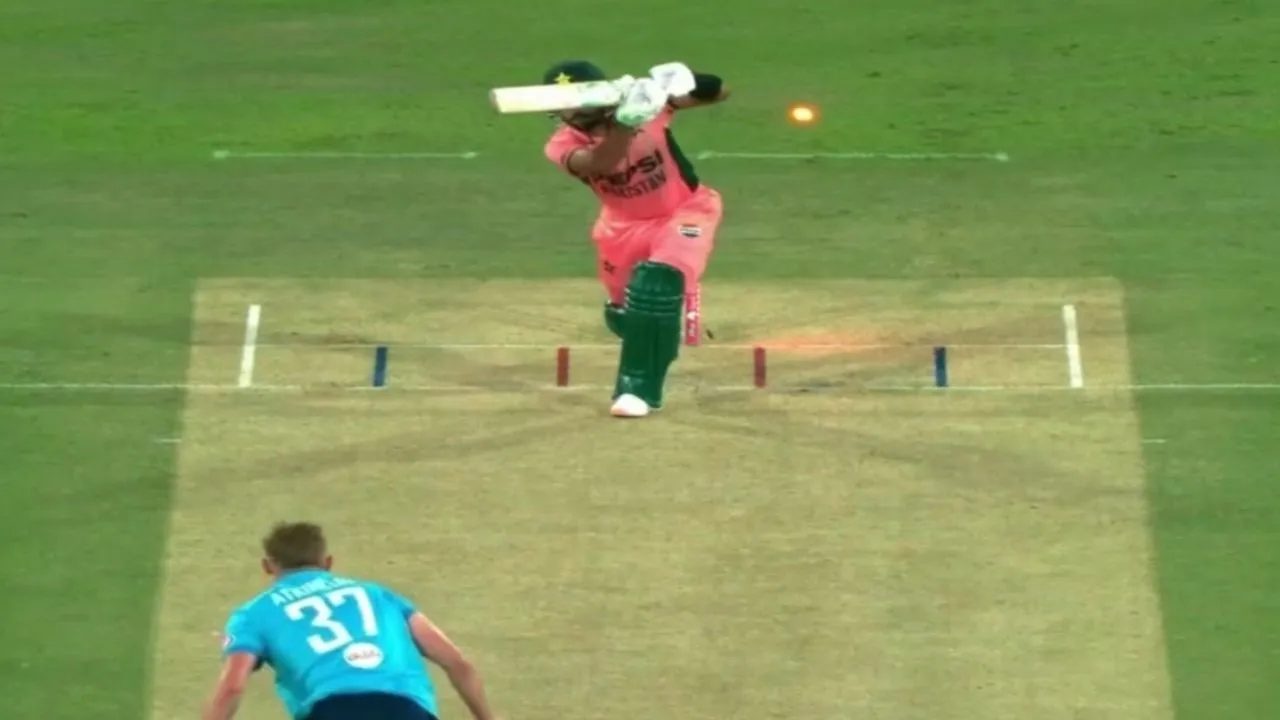
Watch: Gus Atkinson bowls a peach to dismiss Babar Azam
Alex Carey reveals Steve Smith’s fitness status ahead of series-deciding Test vs South Africa
Tim Southee backs Bhuvneshwar Kumar to make an impact in IND vs NZ T20I series
Navdeep Saini set to miss Ranji Trophy 2026-27 match for Delhi; KKR pacer named as replacement
“Give him some time”: Mohammad Kaif backs Bhuvneshwar Kumar after back-to-back expensive spells
Ravichandran Ashwin raises concerns over Bhuvneshwar Kumar after IND vs NZ 2nd T20I
Shaheen Afridi matches Mohammed Shami’s record with 150th ODI wicket against England
Abhimanyu Easwaran reveals Tilak Varma’s secret to thriving under pressure after POTM performance

James Anderson confirms Lancashire exit after county club decides against new contract
Rohit Sharma dismisses retirement rumours, hints at continuing in ODIs
Mohammad Kaif sends clear message on Vaibhav Sooryavanshi after 2nd T20I setback