“Give him some time”: Mohammad Kaif backs Bhuvneshwar Kumar after back-to-back expensive spells
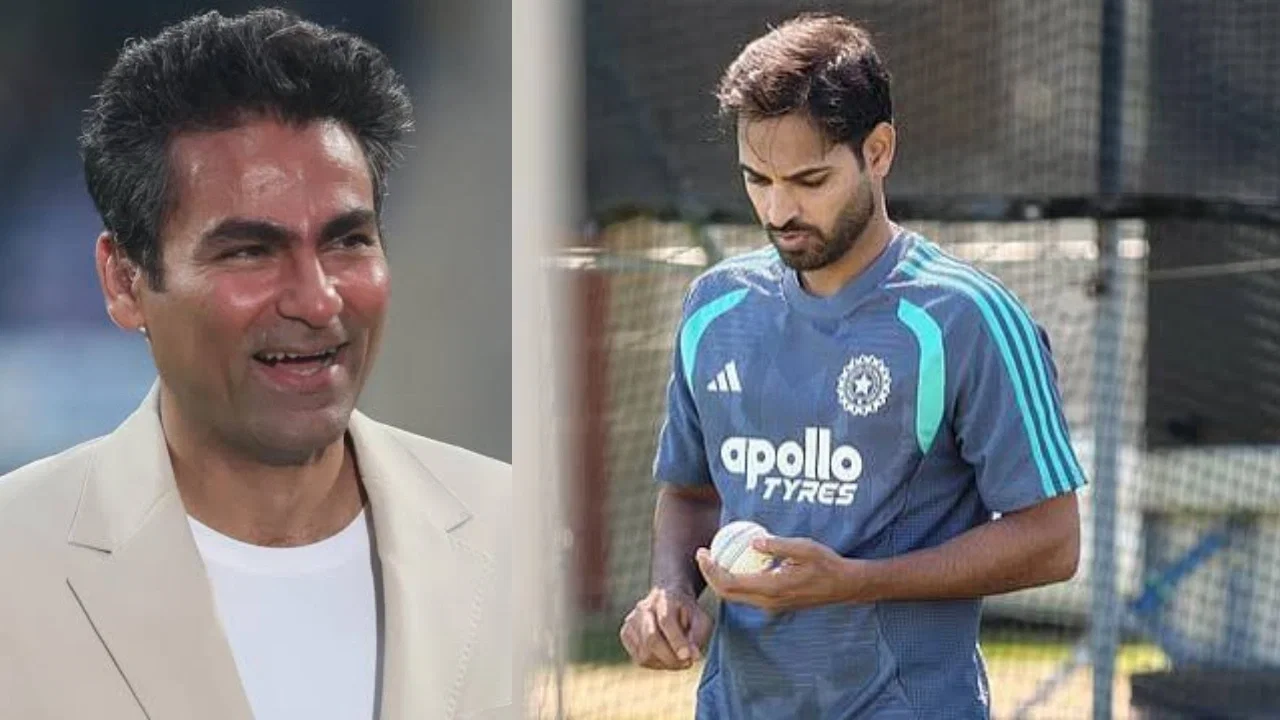
Mohammad Kaif Urges Patience as Bhuvneshwar Kumar Adjusts to India Return
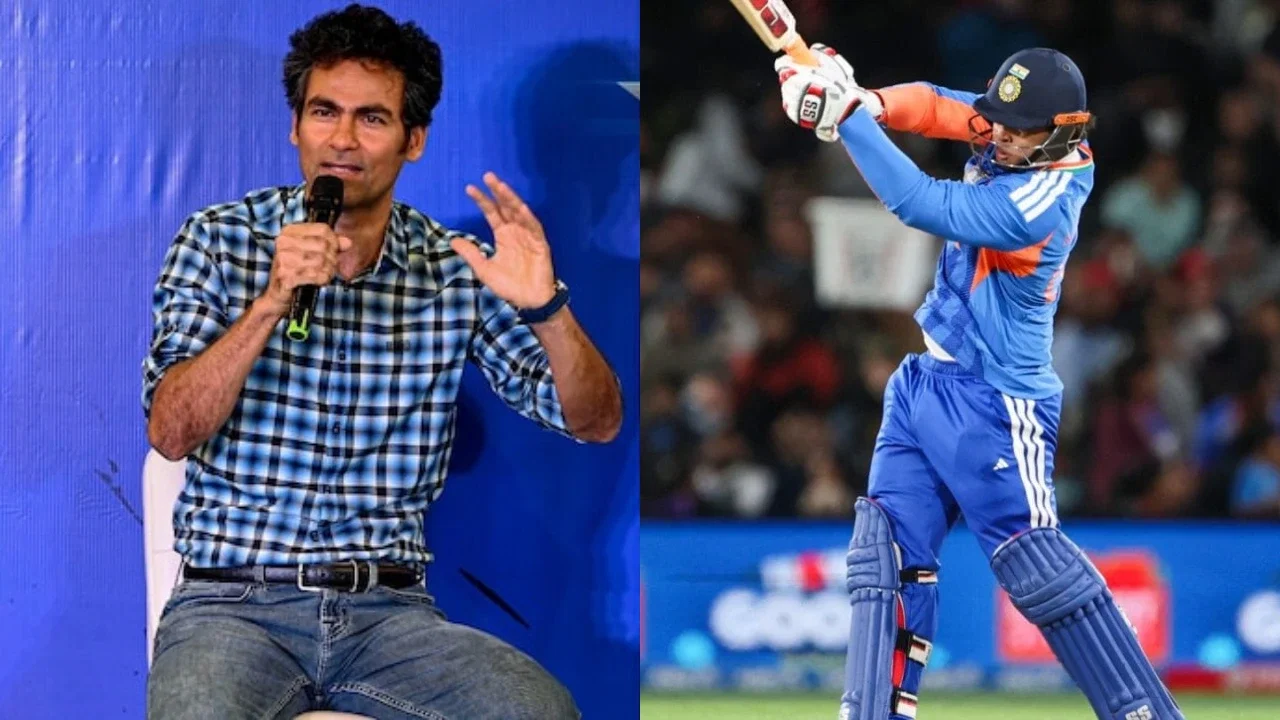
Bhuvneshwar Kumar’s return to India’s T20I side has not yet delivered the impact many supporters hoped to see. Back in national colours after an absence of almost four years, the experienced fast bowler has conceded heavily in his first two outings against New Zealand. But former India batter Mohammad Kaif believes it is too soon to judge the 36-year-old, urging fans to give him time to rediscover his rhythm.
Speaking ahead of the third match in the five-game series, Kaif pointed to the challenges of returning to international cricket after a long break. He also noted that conditions in New Zealand have not necessarily suited the swing bowler, despite the country’s reputation for offering assistance to seamers.
Why Bhuvneshwar Kumar’s Comeback Needs Context
Kumar has remained active in domestic cricket and the Indian Premier League during his time away from the national team. His continued involvement at a high level helped keep him in contention, while his performances for Royal Challengers Bengaluru (RCB) added to his case for an international recall. The franchise enjoyed a title-winning campaign in 2025 and followed it with another successful season, with Kumar contributing to the team’s efforts.
However, Kaif stressed that performing in the IPL and representing India are not identical experiences. International cricket brings different expectations, opposition, pressure and preparation. A bowler returning after several years must also adapt to how the game has evolved, including changes in batting approaches and the increasing emphasis on scoring quickly.
“He is coming back after four years. Give him some time. It has been only two games. Cricket changes a lot in four years,” Kaif said in a video on his YouTube channel. He added that expectations should be realistic, particularly when a returning player is immediately facing a strong international side.
New Zealand Conditions May Not Suit Swing Bowlers
New Zealand is often associated with seam-friendly pitches and movement through the air, but conditions in the opening matches of this series have appeared more favourable to batters. That has made life difficult for bowlers who depend on swing to create uncertainty, especially when they are still working to regain their international sharpness.
Kumar’s greatest strength has long been his ability to move the ball both ways. At his best, he can trouble batters with subtle changes in line, length and late movement rather than relying on extreme pace. When pitches offer limited assistance, however, that style requires precise execution. Even a small error in length can give aggressive batters the opportunity to attack.
Kaif said many observers had expected the ball to swing significantly in New Zealand, but the actual batting conditions have presented a different challenge. His point offers useful context for supporters assessing the comeback: a bowler’s figures are shaped not only by individual performance, but also by pitch behaviour, match-ups and the way opponents approach the innings.
Reading the First Two T20Is Beyond the Scorecard
Kumar returned figures of 0/49 in the first T20I and 1/50 in the second. Those numbers are expensive by T20 standards and naturally invite scrutiny. Yet Kaif cautioned against treating the overall figures as the complete story, saying the bowler had been decent in certain periods and that runs came in particular phases of each spell.
That distinction matters in a format where one difficult over can significantly affect a bowler’s final economy rate. A spell may include well-executed deliveries and controlled passages, but a missed yorker, a loose ball or a boundary in the closing stages can quickly inflate the figures. Breaking down an innings over by over can therefore provide a more balanced assessment than relying on the final line alone.
Kaif did identify one area requiring attention: no-balls. In T20 cricket, an illegal delivery can cost more than the extra run. It also gives the batter a free hit, potentially shifting momentum and forcing the bowler to reconsider the next delivery. For an experienced player such as Kumar, reducing those errors could be an important step toward settling into the series.
Kaif’s Prediction: Give the Veteran Time to Find His Rhythm
Kaif’s prediction is not that Kumar’s early struggles should be ignored, but that a verdict should wait until there is more evidence. Two matches, he argued, are too small a sample to determine whether the bowler has lost his effectiveness or simply needs time to adjust. He encouraged fans to assess the complete series rather than reaching a conclusion after consecutive expensive outings.
That approach is particularly relevant for a player whose game depends on control and movement. Swing bowling can be sensitive to conditions, and confidence often grows through small improvements: a more consistent release, better control at the start of the spell and sharper execution at the death. If Kumar can limit no-balls and make batters work harder for their scoring opportunities, his influence may become clearer even before his figures improve dramatically.
What to Watch in the Third T20I
The third T20I will offer Kumar an immediate opportunity to respond, but the key indicators may go beyond wickets. Fans can watch whether he finds a more reliable line and length, controls the extras and creates pressure during the middle overs. A wicket would provide a visible boost, but disciplined bowling and improved execution would also suggest that he is adjusting.
For India, the series is about more than one player’s comeback. The team must find ways to contain New Zealand’s batting in conditions that have favoured scoring, while individual bowlers look for methods to adapt. Kumar’s experience could prove valuable if he can translate his skills into the demands of the current contest.
His first two performances have been disappointing, and the numbers make that clear. But Kaif’s message is a reminder that a return to international cricket is rarely judged fairly through two scorecards alone. With several matches still to play, the veteran seamer has time to build confidence, address the no-ball issue and show whether his swing and control can still trouble top-level batters.
Latest News

Mumbai Indians break silence on Kieron Pollard ditching Joburg Super Kings
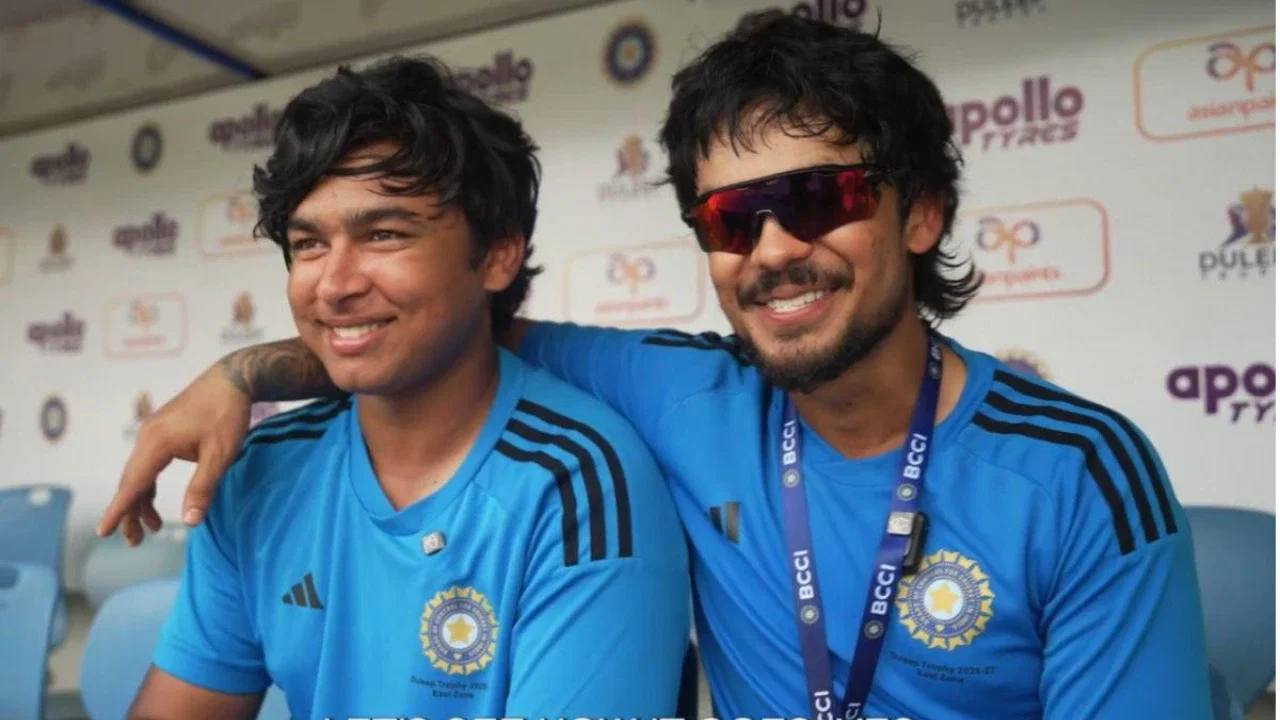
Ishan Kishan likely to replace Vaibhav Sooryavanshi in 4th T20I vs New Zealand

TOR vs MON Dream11 Prediction Today Match, My11Circle Prediction, Dream11 Team Today, Fantasy Cricket Tips, Playing XI, Pitch Report, Injury Update- Global Canada T20 2026, Match 6
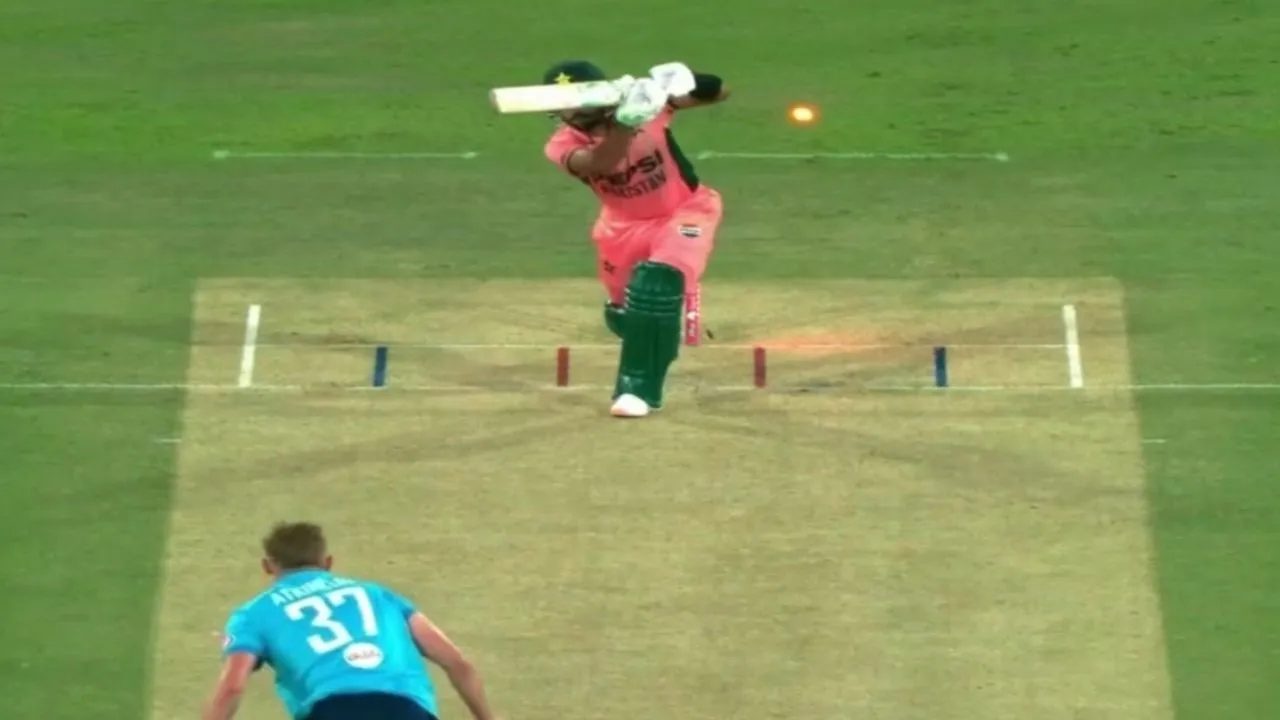
Watch: Gus Atkinson bowls a peach to dismiss Babar Azam
Alex Carey reveals Steve Smith’s fitness status ahead of series-deciding Test vs South Africa
Tim Southee backs Bhuvneshwar Kumar to make an impact in IND vs NZ T20I series
Navdeep Saini set to miss Ranji Trophy 2026-27 match for Delhi; KKR pacer named as replacement
“Give him some time”: Mohammad Kaif backs Bhuvneshwar Kumar after back-to-back expensive spells
Ravichandran Ashwin raises concerns over Bhuvneshwar Kumar after IND vs NZ 2nd T20I
Shaheen Afridi matches Mohammed Shami’s record with 150th ODI wicket against England
Abhimanyu Easwaran reveals Tilak Varma’s secret to thriving under pressure after POTM performance
James Anderson confirms Lancashire exit after county club decides against new contract
Rohit Sharma dismisses retirement rumours, hints at continuing in ODIs
Mohammad Kaif sends clear message on Vaibhav Sooryavanshi after 2nd T20I setback