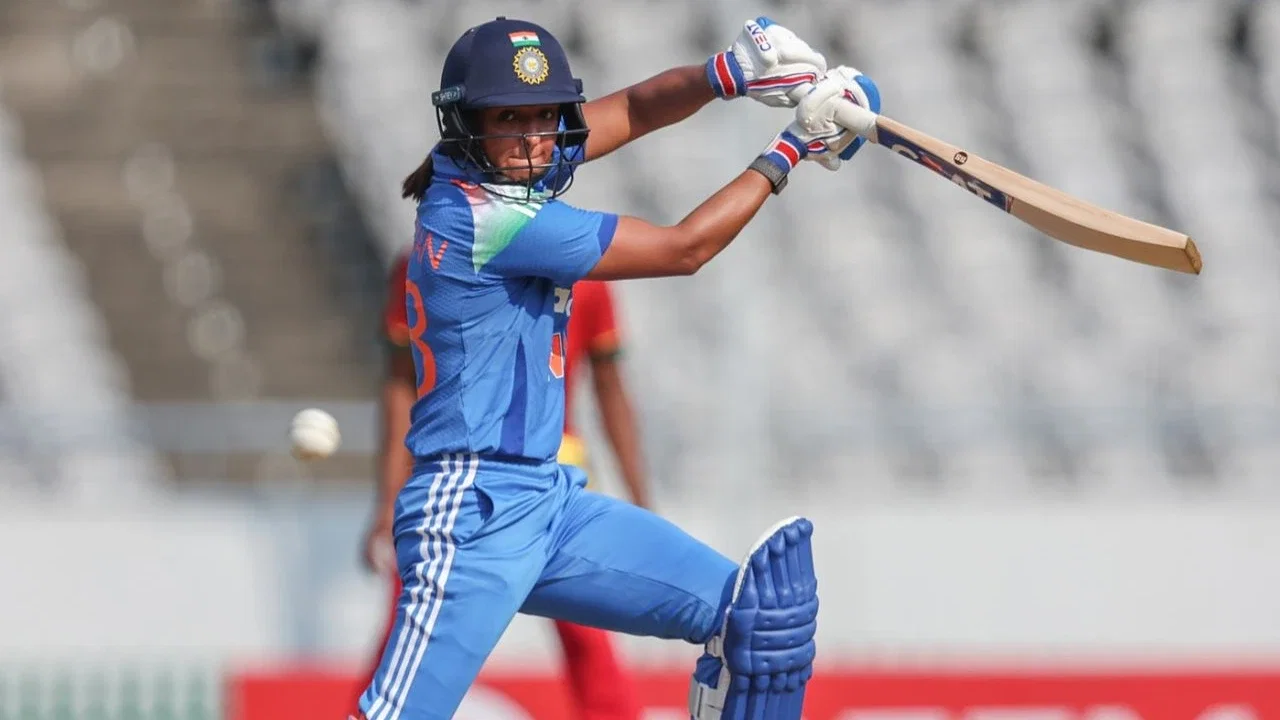
Ishan Kishan likely to replace Vaibhav Sooryavanshi in 4th T20I vs New Zealand
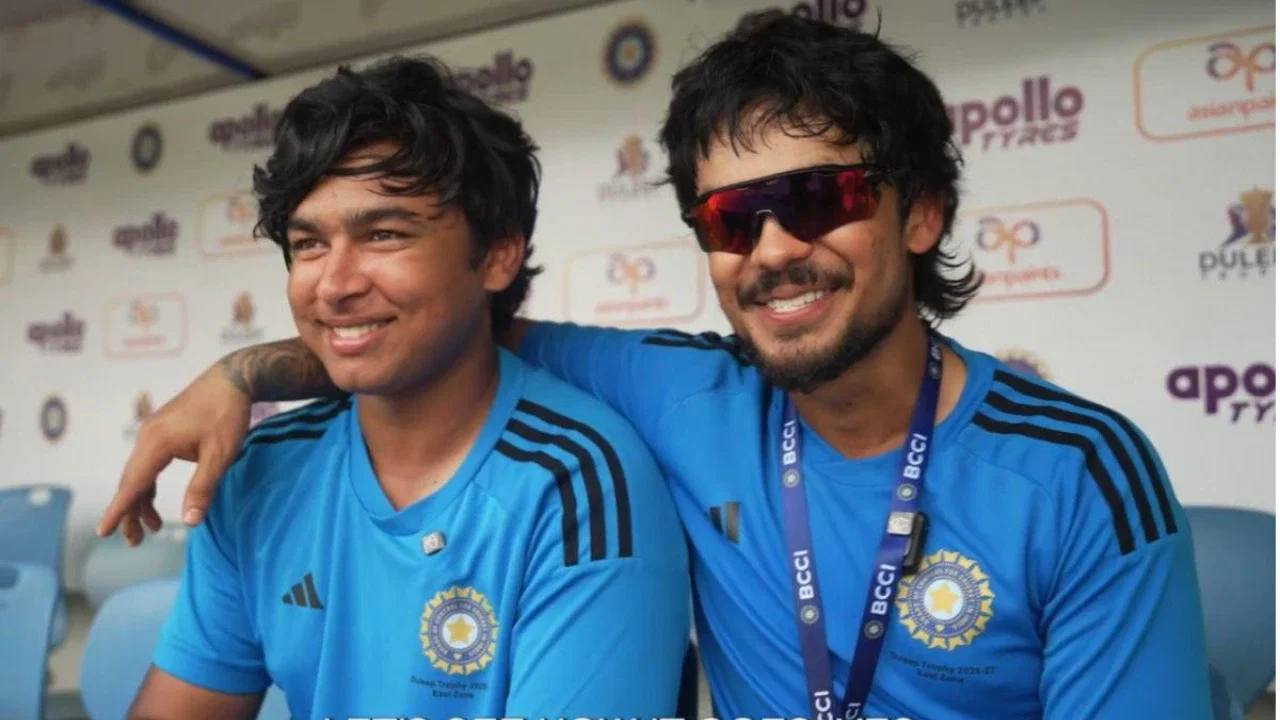
Ishan Kishan’s Return in Fourth T20I: India Await Fitness Update Ahead of New Zealand Clash
India could welcome Ishan Kishan back into the playing XI for the fourth T20I against New Zealand, provided the wicketkeeper-batter completes his recovery and is cleared to play. Kishan missed the third match after suffering a low-grade strain to his right adductor, but early updates from the team suggest his rehabilitation is progressing well.
His availability could give India another option in the top order as the series continues. However, recovery alone may not be enough: the team will also need to assess whether Kishan has regained the match fitness required for an international contest. Any decision on his return is likely to depend on the medical team’s assessment and how he responds to training.
BCCI Confirms Kishan Is Recovering but Not Yet Match-Ready
India bowling coach Morne Morkel confirmed that Kishan would not feature in the third T20I, while noting that the batter had joined the squad for training. Morkel described the decision to leave him out as precautionary, indicating that the team is keen to avoid aggravating the injury.
“Ishan Kishan is unavailable for the third T20I. He’s here to train and is doing well. But his unavailability is mostly precautionary,” Morkel said.
The BCCI’s medical update offered more detail. Kishan sustained the right adductor strain during the opening T20I of the series and, despite making progress, had not yet regained match fitness before the third game in Wellington, scheduled for October 27, 2026. The board said its medical team was monitoring his recovery. Wicketkeeper-batter Kumar Kushagra remained with the squad as cover for that match.
The distinction between being fit enough to train and being ready to play is important. A player returning from a muscle strain must be able to accelerate, change direction, sprint and complete wicketkeeping movements without discomfort. The team will also want confidence that Kishan can handle the repeated high-intensity efforts of a T20 match.
Could Kishan Replace Vaibhav Sooryavanshi?
If Kishan is cleared for the fourth T20I, he could come into consideration for a place in the XI, potentially at the expense of Vaibhav Sooryavanshi, who occupied the No. 3 position in his absence. The final selection, however, will depend on more than the injury update. India’s team management will weigh Kishan’s fitness against the value of maintaining continuity in the batting order.
Kishan’s return would offer India an experienced left-handed batter who can score quickly and keep wicket. His ability to attack during the middle overs could be useful if the conditions make stroke-making difficult. At the same time, Sooryavanshi’s role and recent contribution may influence whether the selectors opt for an immediate change or give the existing combination another opportunity.
For fans following the fourth T20I prediction, Kishan’s status is one of the key selection questions. Until the medical staff confirms his readiness, though, any forecast of India’s final XI should be treated as provisional. A strong training session would be encouraging, but the team is unlikely to take unnecessary risks with a player still returning from an adductor injury.
Wellington Wind and Dew May Shape India’s Bowling Plans
Kishan’s fitness is not the only concern for India. Wellington’s conditions can test both batters and bowlers, with strong winds and evening dew potentially influencing tactics. Morkel said a wet ball can make it harder for bowlers to maintain their grip, particularly when attempting yorkers and other full deliveries under pressure.
“As soon as there’s dew and the field gets wet, it is a challenge. The margins become a lot smaller for the bowlers,” Morkel said, as quoted by RevSportz. He added that controlling the ball while executing yorkers can become especially difficult when conditions are slippery.
Wind presents a separate challenge. Morkel described the gusts in Wellington as unusually strong and said they could affect a batter’s stance and balance at the crease. Rather than treating the weather as an excuse, he said India would need to adapt and meet the conditions directly.
For bowlers, wind direction can influence run-ups, line and length, as well as how the ball moves through the air. Teams may need to rotate bowlers strategically so that not every player is forced to operate into the wind. Batters, meanwhile, must adjust their setup and shot selection, especially when the breeze is strong enough to alter the ball’s flight.
Basin Reserve Training Offers Useful Preparation
India trained at Basin Reserve, the venue for the opening Test of the tour, giving the squad an early look at conditions that may also matter in the longer format. Morkel said he had spoken with players still in India about what they might encounter on arrival in New Zealand.
He joked that players could prepare by standing in front of a powerful fan, a light-hearted way of describing the force of the Wellington wind. More seriously, he noted that teams need bowlers willing to work into the breeze rather than relying only on favourable conditions.
That challenge could be relevant beyond the T20I series. Familiarity with the wind, ground conditions and local environment may help India’s red-ball players adjust more quickly when the Test matches begin. Training at the Basin Reserve also gives the squad an opportunity to learn how the venue behaves before the longer-format fixtures.
Arshdeep Singh in Conversation for Test Cover
India are also considering whether some fast bowlers should remain in New Zealand as cover for the Test series, given the demands of the schedule. Morkel confirmed that the team was discussing a group of potential options and identified Arshdeep Singh as one of the bowlers under consideration.
“Arshdeep is definitely in that conversation,” Morkel said, adding that the left-arm seamer’s skills could suit the conditions if India need additional red-ball resources. His ability to swing the ball and bowl different lengths could make him a useful option, although any decision will depend on the squad’s requirements and the wider workload plan.
For now, India’s immediate focus remains the fourth T20I and Kishan’s recovery. The wicketkeeper-batter’s return would strengthen the selection options, but the team is likely to prioritise a full recovery over a rushed comeback. With Wellington’s wind and dew adding further variables, India’s preparation and adaptability may be just as important as the final team selection.
Latest News

Mumbai Indians break silence on Kieron Pollard ditching Joburg Super Kings
Ishan Kishan likely to replace Vaibhav Sooryavanshi in 4th T20I vs New Zealand
TOR vs MON Dream11 Prediction Today Match, My11Circle Prediction, Dream11 Team Today, Fantasy Cricket Tips, Playing XI, Pitch Report, Injury Update- Global Canada T20 2026, Match 6
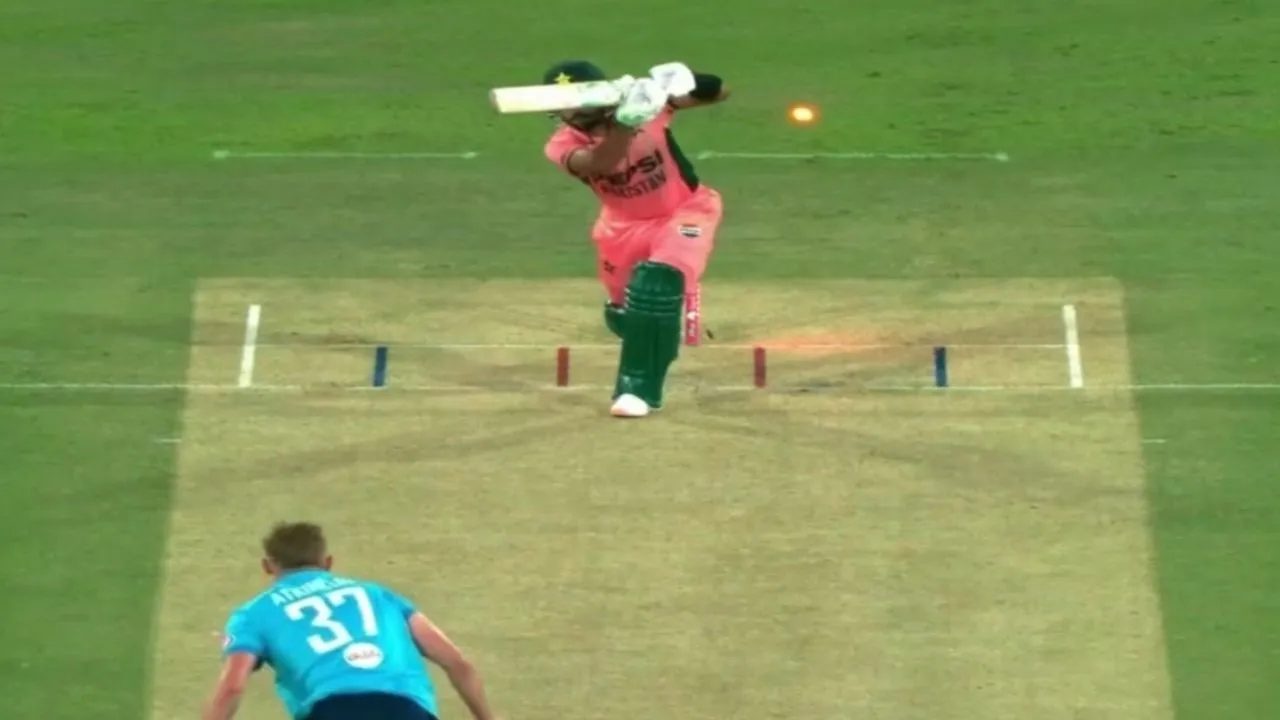
Watch: Gus Atkinson bowls a peach to dismiss Babar Azam
Alex Carey reveals Steve Smith’s fitness status ahead of series-deciding Test vs South Africa
Tim Southee backs Bhuvneshwar Kumar to make an impact in IND vs NZ T20I series
Navdeep Saini set to miss Ranji Trophy 2026-27 match for Delhi; KKR pacer named as replacement
“Give him some time”: Mohammad Kaif backs Bhuvneshwar Kumar after back-to-back expensive spells
Ravichandran Ashwin raises concerns over Bhuvneshwar Kumar after IND vs NZ 2nd T20I
Shaheen Afridi matches Mohammed Shami’s record with 150th ODI wicket against England

Abhimanyu Easwaran reveals Tilak Varma’s secret to thriving under pressure after POTM performance

James Anderson confirms Lancashire exit after county club decides against new contract
Rohit Sharma dismisses retirement rumours, hints at continuing in ODIs
Mohammad Kaif sends clear message on Vaibhav Sooryavanshi after 2nd T20I setback