Mohammad Kaif sends clear message on Vaibhav Sooryavanshi after 2nd T20I setback
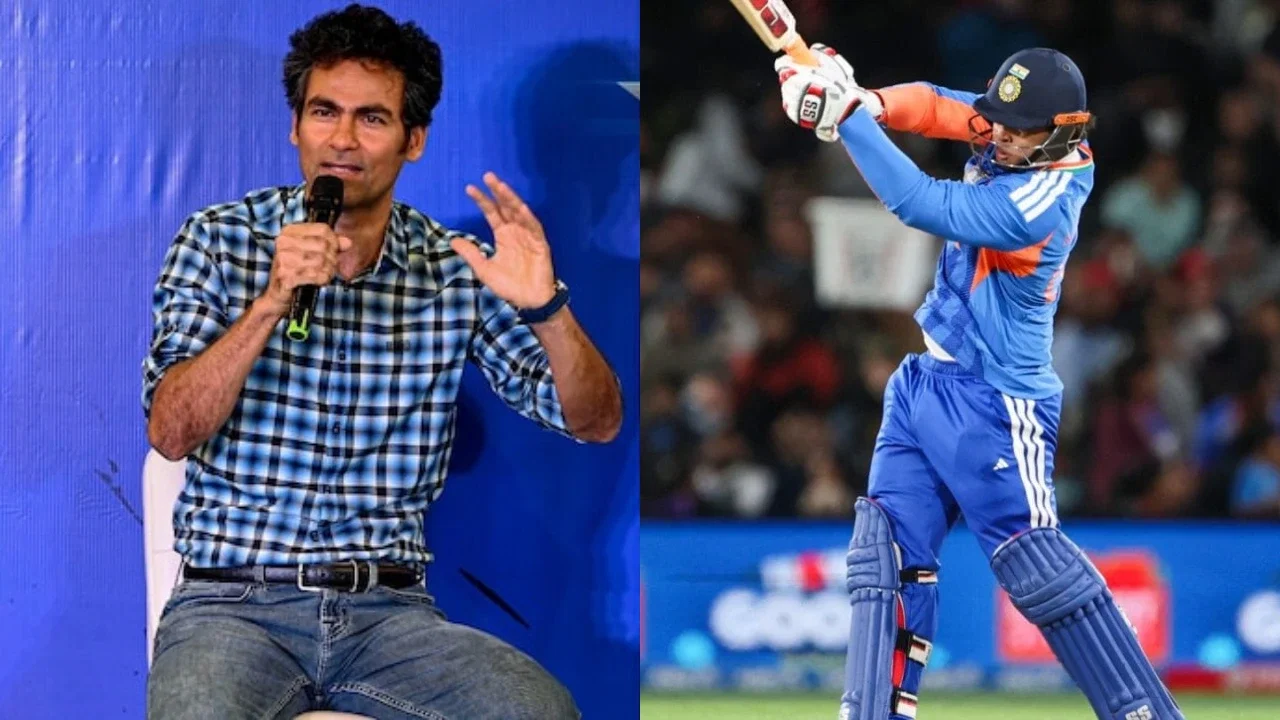
Mohammad Kaif Defends India’s Decision to Bat Vaibhav Sooryavanshi at No. 3
India’s choice to send teenage prospect Vaibhav Sooryavanshi in at No. 3 during the second T20I against New Zealand has sparked debate among former players and supporters. The left-hander managed just four runs from eight deliveries at Hagley Oval, prompting questions about whether the team should have promoted him to open.
Former India batter Mohammad Kaif, however, has backed the decision. He believes the team management, led by head coach Gautam Gambhir, was trying to preserve a settled opening partnership rather than reorganise the batting order around one player. In Kaif’s view, the brief innings should not become a verdict on Sooryavanshi’s ability or potential.
Why India Kept Abhishek Sharma and Sanju Samson Together
Sooryavanshi entered the playing XI after Ishan Kishan was ruled out through injury. India could have used the opportunity to send the youngster in as an opener, but that would have meant splitting up Abhishek Sharma and Sanju Samson, the established opening combination.
Kaif argued that keeping the pair together made sense, particularly with Kishan expected to return when fit. If Sooryavanshi had opened, the team might have faced another round of adjustments once Kishan was available again. Batting him at No. 3 allowed India to introduce the young batter without immediately changing the top-order partnership.
“Number three is also not his natural spot. But I feel it was the right call,” Kaif said on his YouTube channel. He added that opening Sooryavanshi could have disrupted the in-form pair and created more reshuffling when Kishan returned. From a team-planning perspective, the decision was about maintaining continuity across the batting order.
A Difficult First Chance in an Unfamiliar Role
Although the reasoning may have been practical, No. 3 was not necessarily the easiest position for Sooryavanshi. A batter arriving early in the innings may need to balance attack with caution, assess the conditions quickly and respond to the state of the match. For a young player who had not been opening regularly, the assignment presented a different challenge from his usual role.
New Zealand conditions can also test visiting batters. The ball may move early, and the pace and bounce can demand quick adjustments. Sooryavanshi’s eight-ball stay was too short to offer a broad assessment of his technique or temperament. One low score, especially in an unfamiliar position, is limited evidence on which to base a long-term prediction about his prospects in international cricket.
Former India off-spinner R. Ashwin was among those to question the decision to bat the teenager at No. 3. The differing views underline a familiar selection dilemma in T20 cricket: should a team prioritise a young player’s preferred role, or protect a combination that has already been established?
Kaif Says Sooryavanshi Deserves Time
Kaif also pointed to Sooryavanshi’s recent record as a reason to avoid drawing conclusions too quickly. The youngster had enjoyed a standout IPL 2026 campaign, winning the Orange Cap, and had also made an impression during India’s tour of Zimbabwe. His performances have raised expectations, but Kaif noted that form and opportunity do not always line up neatly.
According to Kaif, Sooryavanshi’s recent experience has been stop-start. After playing regularly, he had to wait for a place in the national side, and then was asked to bat in a role that was not his most familiar. That combination can make it difficult for any player—particularly a teenager—to settle into an innings.
Kaif said it would be unfair to judge the youngster on one or two appearances, given the strong form he had shown in the IPL and the interruptions to his playing rhythm. His message was clear: India should give Sooryavanshi further opportunities before making a firm assessment of his readiness.
Batting Flexibility Is Part of T20 Cricket
Kaif’s defence of the selection also came with a broader point about modern T20 cricket. Batters are increasingly expected to move between positions depending on injuries, match-ups and the demands of a particular game. A player may be asked to open one day and enter in the middle order the next, making adaptability a valuable skill.
He cited Naman Dhir as an example of a batter capable of providing that kind of flexibility. For Kaif, being able to adjust is part of a player’s development, even if a new position initially feels uncomfortable. That does not mean every batter should be moved around without a plan, but it does show why teams may test players in different roles.
In Sooryavanshi’s case, India’s decision appears to have balanced two priorities: giving a promising youngster a chance and avoiding disruption to the existing opening pair. Kaif believes the management’s calculation was sensible, especially with Kishan’s eventual return in mind.
What India’s Next Selection Could Reveal
The next opportunity will offer a clearer indication of how India sees Sooryavanshi fitting into the T20I setup. If Kishan is available, the team will need to decide whether to restore its preferred combination or retain the youngster and adjust another position. The answer may depend on fitness, recent form, opposition match-ups and the conditions.
For now, the debate is less about one four-run innings than about how a young player should be introduced to international cricket. India must weigh stability against experimentation, while Sooryavanshi will need time to show how he responds to different roles. Kaif’s prediction is not that every opportunity will produce immediate success, but that the teenager should be assessed over a meaningful run of matches—not on a single difficult outing.
That measured approach may serve both player and team. Sooryavanshi’s record has created high expectations, but development rarely follows a straight line. If India can provide consistent opportunities and clear role guidance, the young batter will have a better chance to demonstrate whether his IPL success can translate into sustained impact at international level.
Latest News

Mumbai Indians break silence on Kieron Pollard ditching Joburg Super Kings
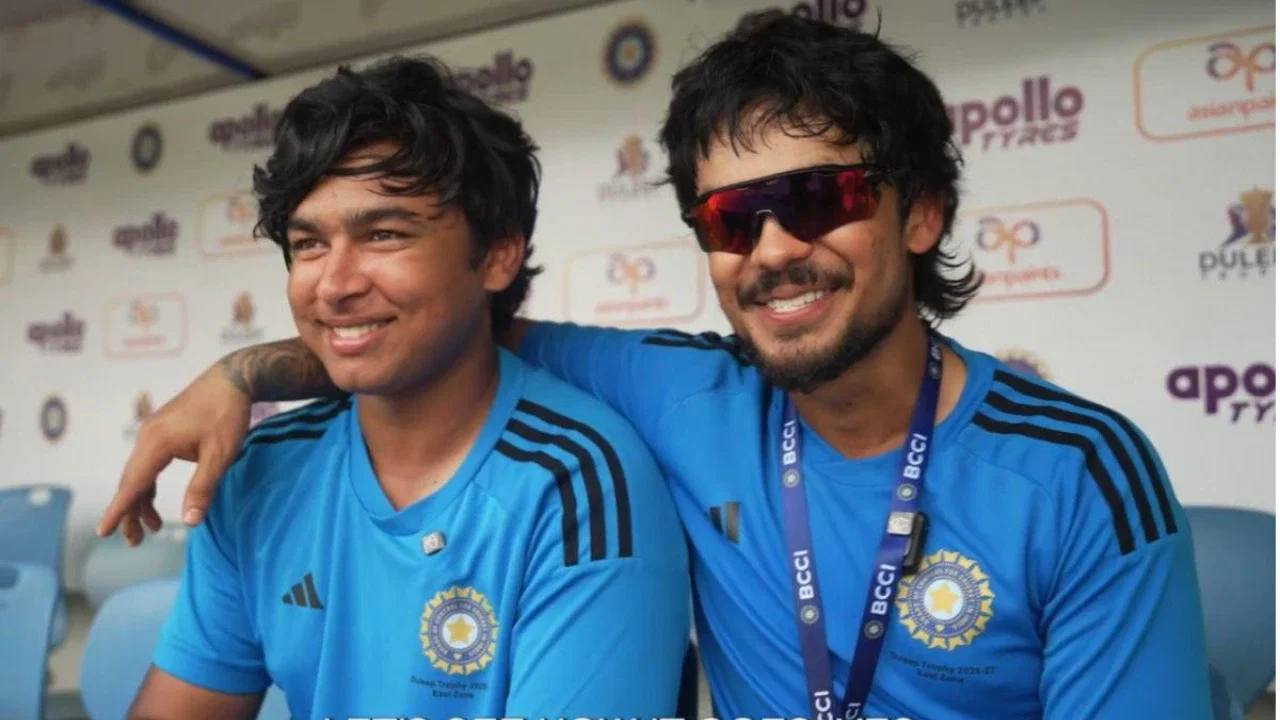
Ishan Kishan likely to replace Vaibhav Sooryavanshi in 4th T20I vs New Zealand

TOR vs MON Dream11 Prediction Today Match, My11Circle Prediction, Dream11 Team Today, Fantasy Cricket Tips, Playing XI, Pitch Report, Injury Update- Global Canada T20 2026, Match 6
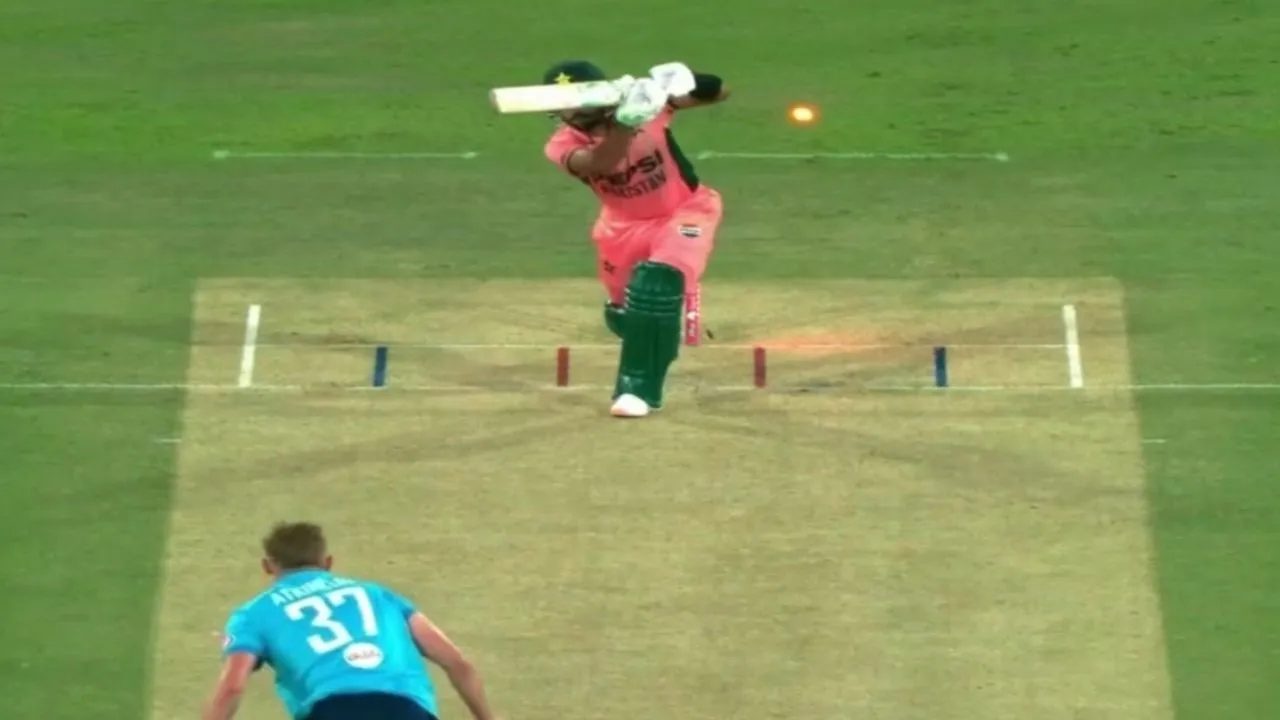
Watch: Gus Atkinson bowls a peach to dismiss Babar Azam
Alex Carey reveals Steve Smith’s fitness status ahead of series-deciding Test vs South Africa
Tim Southee backs Bhuvneshwar Kumar to make an impact in IND vs NZ T20I series
Navdeep Saini set to miss Ranji Trophy 2026-27 match for Delhi; KKR pacer named as replacement
“Give him some time”: Mohammad Kaif backs Bhuvneshwar Kumar after back-to-back expensive spells
Ravichandran Ashwin raises concerns over Bhuvneshwar Kumar after IND vs NZ 2nd T20I
Shaheen Afridi matches Mohammed Shami’s record with 150th ODI wicket against England
Abhimanyu Easwaran reveals Tilak Varma’s secret to thriving under pressure after POTM performance
James Anderson confirms Lancashire exit after county club decides against new contract
Rohit Sharma dismisses retirement rumours, hints at continuing in ODIs
Mohammad Kaif sends clear message on Vaibhav Sooryavanshi after 2nd T20I setback