James Anderson confirms Lancashire exit after county club decides against new contract
James Anderson to Leave Lancashire After 25 Years as County Club Moves in New Direction
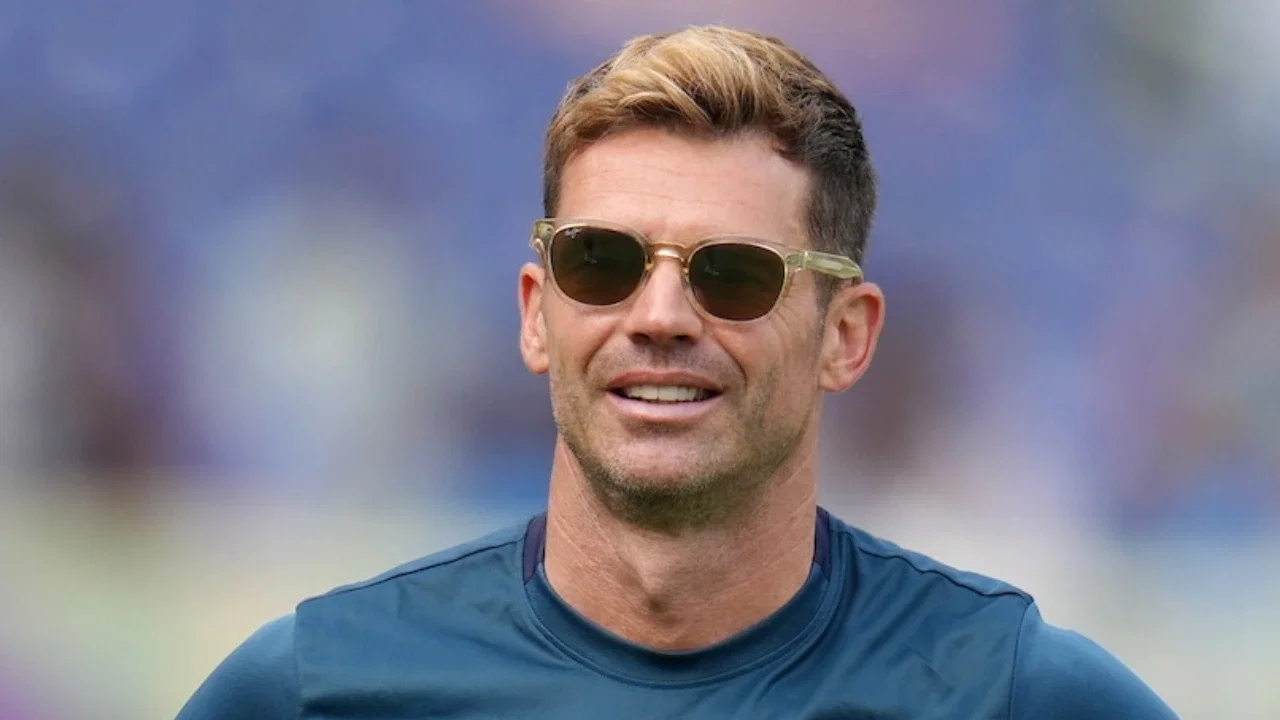
James Anderson, one of the most influential fast bowlers in English cricket history, is set to leave Lancashire after the county decided not to offer him a new playing contract. The veteran seamer’s departure brings an end to a 25-year association with the club he supported as a boy and represented throughout much of his professional career.
The decision has drawn criticism from some supporters, particularly given Anderson’s record and enduring connection with Lancashire. However, the club has maintained its position, describing the move as part of a broader effort to rebuild its men’s squad and pursue promotion from Division Two of the County Championship.
Anderson reflects on a lifelong connection with Lancashire
After learning that his contract would not be renewed, Anderson shared an emotional message on Instagram. He recalled following Lancashire as a child and described playing for the club at Old Trafford as a long-held dream. His time with the county included a range of memorable moments, among them the honour of serving as captain.
“I’ve supported Lancashire since I was a kid, and so to get to play for them for 25 years was a dream come true,” Anderson wrote. “I have always found it special walking out to play at Old Trafford and have some incredible memories of doing so, including the honour of being captain.”
He added that he would have preferred a different ending to his time at the club, while wishing the players and supporters well for the future. His message captured the personal significance of the decision: this is not simply a change of team, but the close of a defining chapter in a career closely tied to Lancashire cricket.
Why Lancashire is making a change
Anderson captained Lancashire last season, but the team’s campaign proved difficult. The county finished at the bottom of Division Two in the County Championship, increasing the pressure to reshape the squad and improve results. Lancashire’s decision to move on from a player of Anderson’s stature has therefore become part of a wider conversation about balancing legacy with the demands of a long-term rebuilding plan.
Paul Farbrace, Lancashire’s incoming Director of Cricket, praised Anderson’s achievements and influence. He called him the greatest bowler produced by Lancashire and England, highlighting his competitiveness, exceptional skill and commitment to high standards.
Farbrace also said he had spoken with Anderson about the club’s ambitions following a meeting at Emirates Old Trafford. Lancashire’s stated goal is to build a side capable of earning promotion from Division Two, then competing for the Division One title over the next three to four years. The club’s strategy appears focused on developing a squad for that timeline, although Anderson’s experience and proven ability would have made him a significant asset on the field.
A remarkable record in international cricket
Anderson retired from international cricket as England’s leading Test wicket-taker and one of the most successful fast bowlers the game has seen. He claimed 704 wickets in 188 Test matches, a record for an English bowler and a landmark achievement in the history of Test cricket.
His international career extended beyond the longest format. Anderson took 269 wickets in 194 One-Day Internationals and added 18 wickets in T20 Internationals. Across formats, his success rested on more than pace: he became renowned for the ability to move the ball through the air and off the pitch, adjust his approach to different conditions, and maintain control over long spells.
His longevity was especially striking in a sport that places heavy physical demands on fast bowlers. Anderson remained a central figure in England’s Test attack across multiple generations of players, adapting his craft as his experience grew. For aspiring seamers, his career offers a lasting example of how precision, fitness and continual technical refinement can extend a player’s effectiveness at the highest level.
Anderson’s contribution to the Red Rose
Anderson’s achievements for Lancashire were equally substantial. He played 112 first-class matches for the county, taking 443 wickets. In limited-overs cricket, he claimed 83 wickets in 61 List A appearances and 50 wickets across 40 T20 matches for the Red Rose.
Those figures underline why his departure has attracted such attention. Anderson was not only an international star who returned to county cricket; he was a long-serving Lancashire player whose performances helped connect the club’s present with its history. His experience also offered a valuable resource for younger bowlers, especially in learning how to plan spells, read batters and respond to changing match conditions.
What happens next for Lancashire and Anderson?
For Lancashire, the immediate challenge is to turn its rebuilding ambitions into better performances. Promotion from Division Two will require consistent results, a balanced squad and the ability to develop players who can meet the demands of a full county season. The club’s prediction of a three-to-four-year push toward Division One contention sets out an ambitious timeline, but the coming seasons will show how quickly its plans can take shape.
Anderson’s next move remains a point of interest for cricket followers. Even after stepping away from international duty, his knowledge and competitive instincts could continue to attract attention in the domestic game or in other cricket roles. Whatever comes next, his standing in English cricket is secure: his Test record, his service to Lancashire and his influence on generations of bowlers have made him one of the sport’s defining figures.
His exit may not be the farewell he imagined, but the legacy he leaves at Old Trafford is unmistakable. For Lancashire, it marks a difficult transition as the club looks toward the future. For Anderson, it closes a remarkable 25-year chapter with the county he once supported from the stands.
Latest News

Mumbai Indians break silence on Kieron Pollard ditching Joburg Super Kings
Ishan Kishan likely to replace Vaibhav Sooryavanshi in 4th T20I vs New Zealand
TOR vs MON Dream11 Prediction Today Match, My11Circle Prediction, Dream11 Team Today, Fantasy Cricket Tips, Playing XI, Pitch Report, Injury Update- Global Canada T20 2026, Match 6
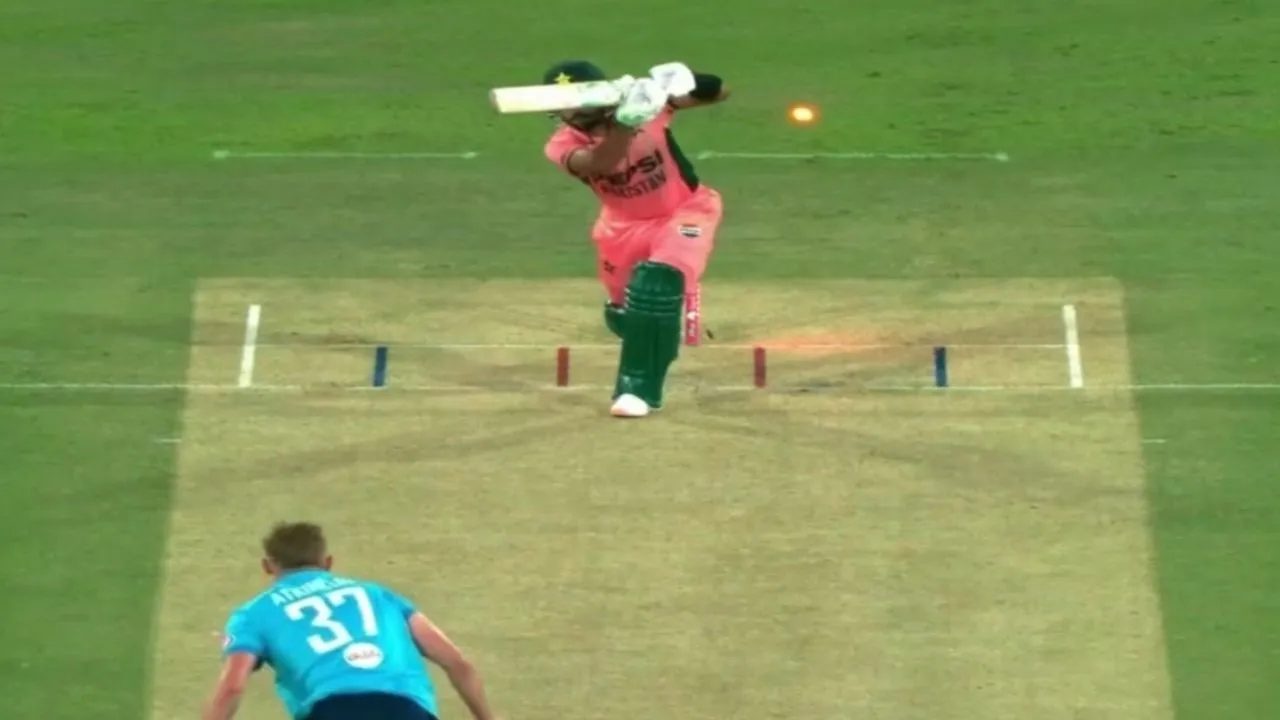
Watch: Gus Atkinson bowls a peach to dismiss Babar Azam
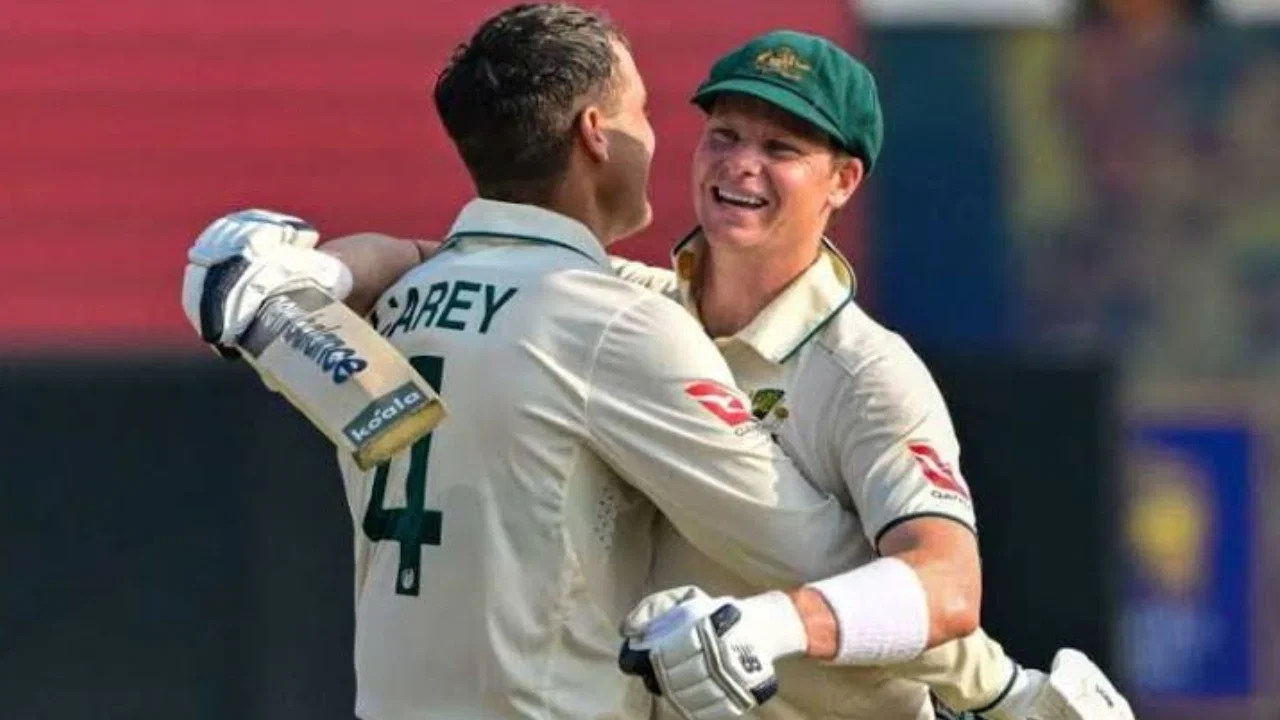
Alex Carey reveals Steve Smith’s fitness status ahead of series-deciding Test vs South Africa
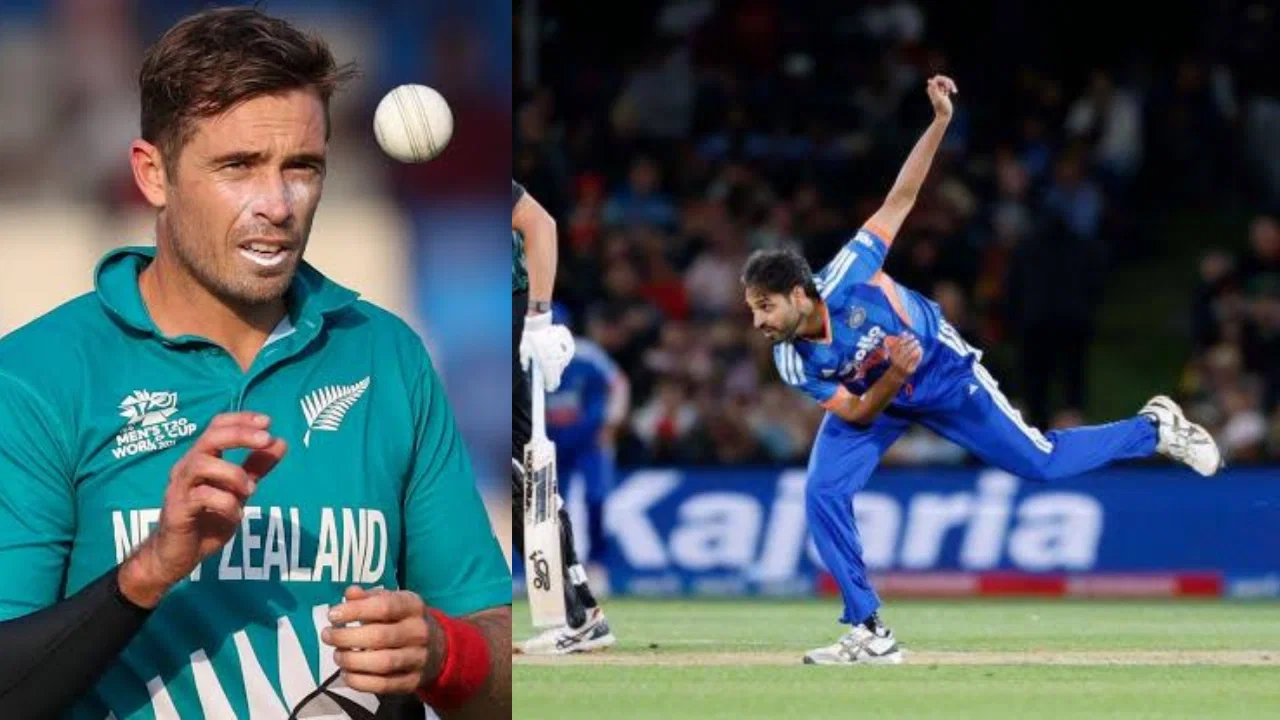
Tim Southee backs Bhuvneshwar Kumar to make an impact in IND vs NZ T20I series
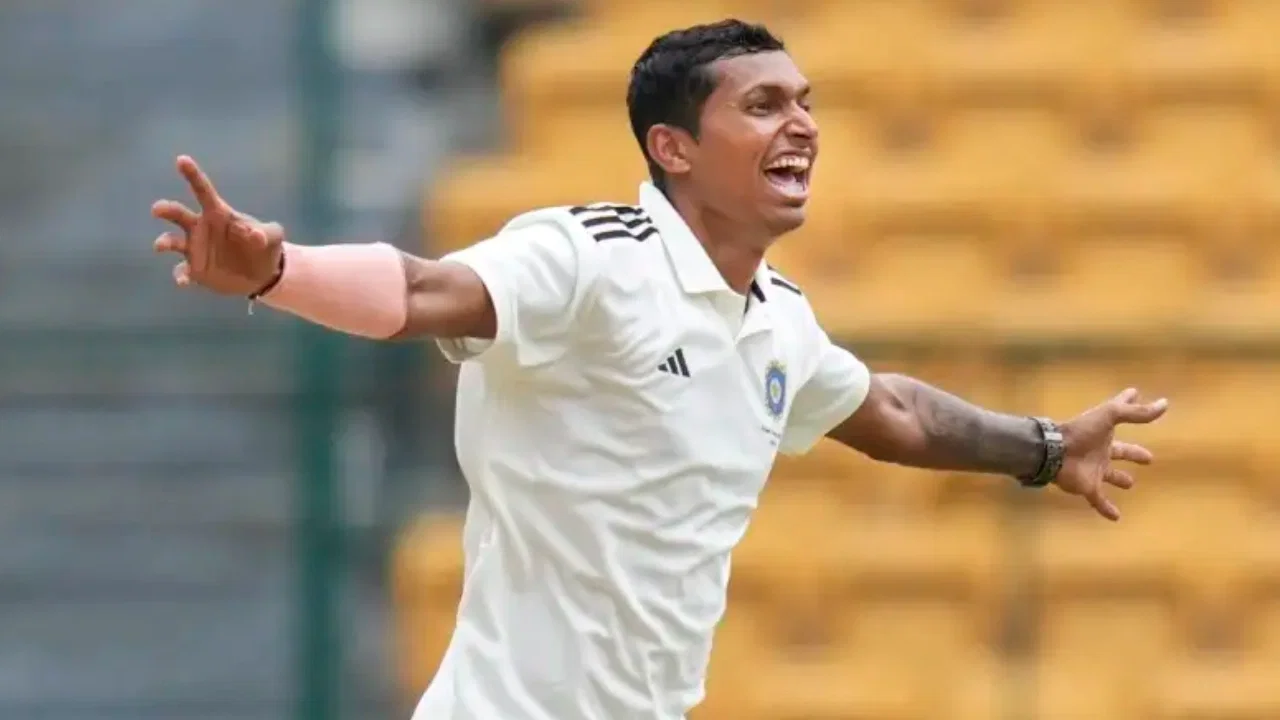
Navdeep Saini set to miss Ranji Trophy 2026-27 match for Delhi; KKR pacer named as replacement
“Give him some time”: Mohammad Kaif backs Bhuvneshwar Kumar after back-to-back expensive spells
Ravichandran Ashwin raises concerns over Bhuvneshwar Kumar after IND vs NZ 2nd T20I
Shaheen Afridi matches Mohammed Shami’s record with 150th ODI wicket against England
Abhimanyu Easwaran reveals Tilak Varma’s secret to thriving under pressure after POTM performance
James Anderson confirms Lancashire exit after county club decides against new contract
Rohit Sharma dismisses retirement rumours, hints at continuing in ODIs
Mohammad Kaif sends clear message on Vaibhav Sooryavanshi after 2nd T20I setback