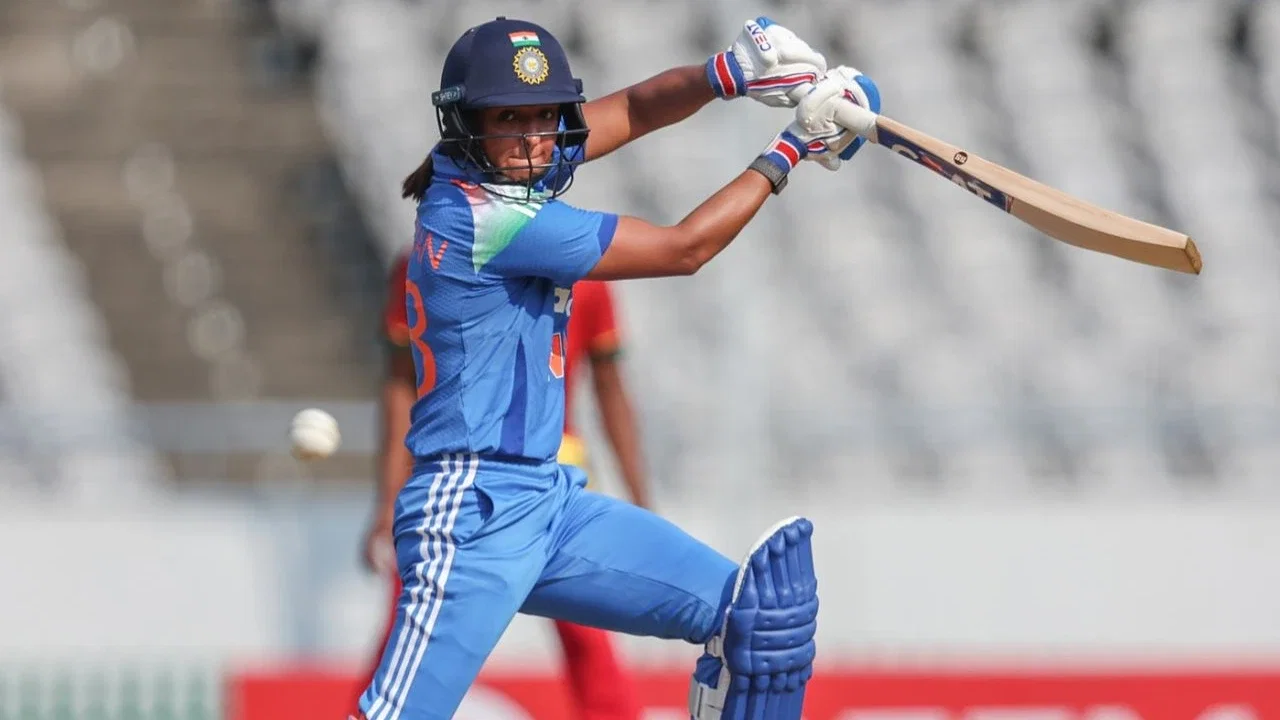
Ravichandran Ashwin raises concerns over Bhuvneshwar Kumar after IND vs NZ 2nd T20I
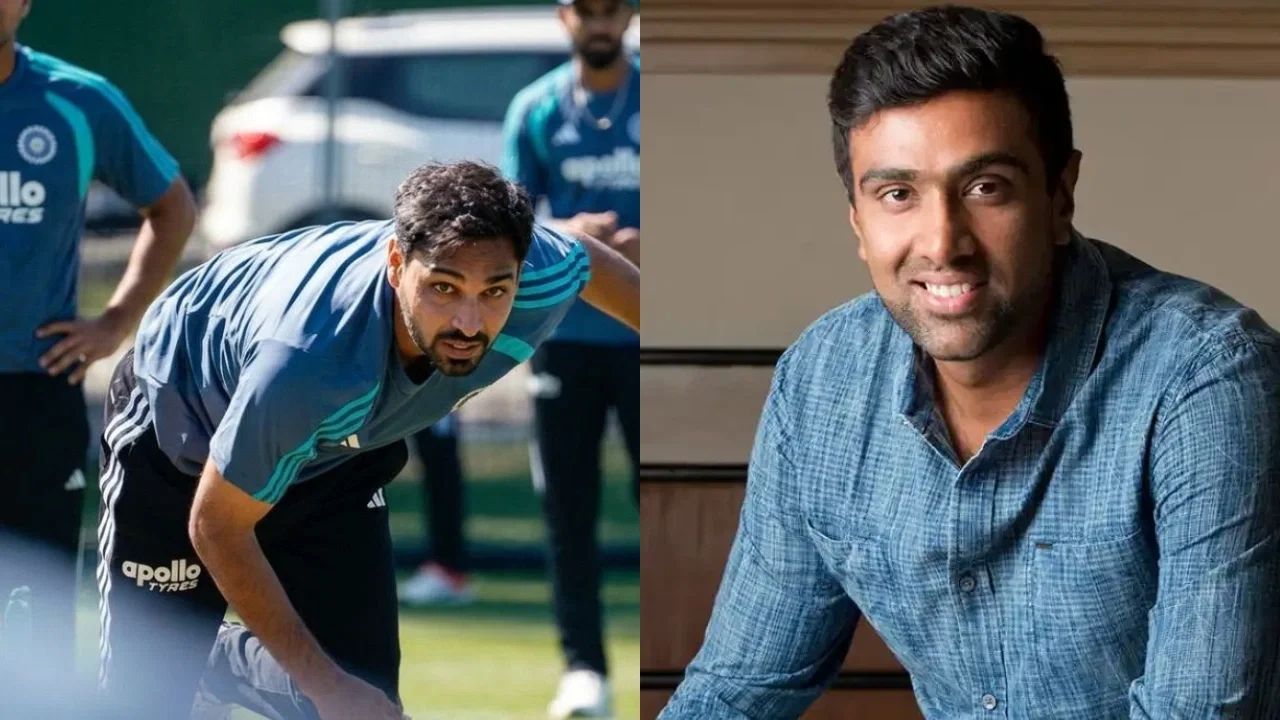
Ashwin Questions Bhuvneshwar Kumar’s Pace After Costly T20I Outing
Former India spinner Ravichandran Ashwin has identified bowling pace as a key concern for Bhuvneshwar Kumar after the experienced seamer endured an expensive spell in the second T20I against New Zealand. India won the match in Christchurch on Saturday, but Bhuvneshwar conceded 50 runs in four overs and claimed one wicket, leaving questions about how effectively he can influence the series.
Bhuvneshwar’s return to the national side had generated interest after two impressive Indian Premier League seasons with Royal Challengers Bengaluru (RCB). Yet his first two appearances against New Zealand have been difficult. With competition for places in India’s bowling attack remaining intense, the third T20I could offer an important opportunity for the 36-year-old to show that he can still trouble international batters.
Ashwin Says Bhuvneshwar Needs More Speed
Speaking on his YouTube programme, Ash ki Baat, Ashwin acknowledged that Bhuvneshwar retains the ability to swing the new ball. However, he suggested that the bowler needs sharper execution and a higher average pace to make the most of that skill.
“Bhuvneshwar and Arshdeep started well. Bhuvi is missing some luck. He is not executing very well in certain pockets. I have backed him and wanted his comeback. But if he bowls at this pace, it is difficult for him,” Ashwin said.
The former India all-rounder added that Bhuvneshwar would become more threatening if he could regularly bowl in the mid-130 kilometres-per-hour range. In Ashwin’s view, reaching approximately 134 to 136 kph would help the seamer combine his movement through the air with greater urgency off the pitch.
That assessment points to a broader challenge for swing bowlers in modern T20 cricket. Batters are increasingly prepared to attack early, so movement alone may not be enough if they have time to adjust. A slightly quicker delivery can reduce a batter’s reaction window, while accurate lines and changes of pace can make swing more difficult to predict.
Two Challenging Matches Since His Comeback
Bhuvneshwar secured his recall after taking 17 wickets for RCB in the 2025 IPL season, followed by 28 wickets in the 2026 campaign. Those performances strengthened his case for another opportunity at international level, but the opening matches of the New Zealand series have not yet produced the impact he would have hoped for.
He went wicketless while conceding 49 runs in the first T20I. In the second, he took one wicket but gave away 50 runs from four overs. His control also faltered at key moments in Christchurch, where wides and a no-ball added to the pressure on India’s bowling effort.
These figures will naturally attract attention, but they do not tell the whole story of a bowler’s return. A pair of expensive spells can highlight areas that need work without necessarily proving that a comeback has failed. Conditions, match-ups and the timing of a bowler’s overs all shape T20 performances. Bhuvneshwar’s next outing will therefore be closely watched for signs of improved control, not just a lower economy rate.
What India Will Want to See
For Bhuvneshwar, the immediate priorities are likely to be consistency in his line and length, fewer extras and better use of the new ball. If he can make batters play more often rather than offering them deliveries to score from, his swing could become a more effective weapon. His experience in international cricket also gives India a potential option in pressure situations, provided he can deliver with greater reliability.
India’s management will also have to weigh his long record against the demands of the current series. A strong performance in the third match could reinforce the case for giving him a longer run. Another difficult outing, however, may intensify debate over whether India should turn to other pace options.
Bhuvneshwar’s Place Among India’s T20I Wicket-Takers
Despite his recent struggles, Bhuvneshwar remains one of India’s most accomplished men’s T20I bowlers. He has taken 91 wickets in 90 matches, with an average of 23.93 and an economy rate of 7.10. His record includes two five-wicket hauls and three four-wicket performances, reflecting his ability to produce decisive spells across different stages of an innings.
He currently sits seventh on India’s list of leading T20I wicket-takers. Arshdeep Singh heads the rankings with 148 wickets, while Jasprit Bumrah has 126. All-rounders Axar Patel and Hardik Pandya have taken 114 wickets apiece. Among the specialist spinners, Kuldeep Yadav has 98 wickets and Yuzvendra Chahal has 96.
The figures underline the depth of India’s bowling resources—and the challenge facing any returning player. Bhuvneshwar’s experience is valuable, but his place will depend on whether he can translate that experience into consistent performances against a demanding New Zealand batting line-up.
Third T20I Offers a Chance to Change the Prediction
New Zealand, led by Mitchell Santner, are scheduled to meet India, captained by Shreyas Iyer, in the third match of the five-game series at Hnry Stadium in Wellington on Tuesday, October 27. India will aim to build on their Christchurch victory and maintain momentum, while New Zealand will look to respond.
For Bhuvneshwar, the match could shape the prediction around his comeback. A more controlled spell, supported by improved pace and disciplined execution, would help answer Ashwin’s concerns and strengthen his position. The veteran still has the swing and experience to make an impact; the key question is whether he can combine those strengths with the speed and accuracy required to succeed in today’s T20 game.
Latest News

Mumbai Indians break silence on Kieron Pollard ditching Joburg Super Kings
Ishan Kishan likely to replace Vaibhav Sooryavanshi in 4th T20I vs New Zealand
TOR vs MON Dream11 Prediction Today Match, My11Circle Prediction, Dream11 Team Today, Fantasy Cricket Tips, Playing XI, Pitch Report, Injury Update- Global Canada T20 2026, Match 6
Watch: Gus Atkinson bowls a peach to dismiss Babar Azam
Alex Carey reveals Steve Smith’s fitness status ahead of series-deciding Test vs South Africa
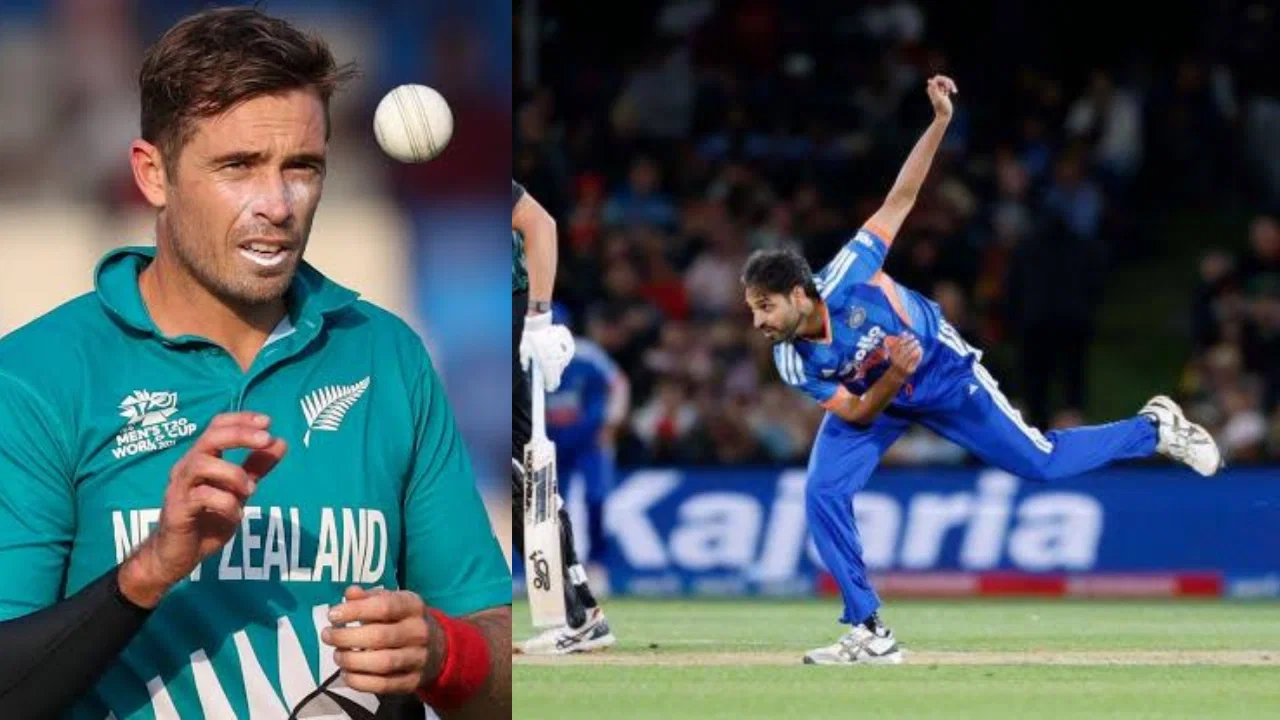
Tim Southee backs Bhuvneshwar Kumar to make an impact in IND vs NZ T20I series
Navdeep Saini set to miss Ranji Trophy 2026-27 match for Delhi; KKR pacer named as replacement
“Give him some time”: Mohammad Kaif backs Bhuvneshwar Kumar after back-to-back expensive spells
Ravichandran Ashwin raises concerns over Bhuvneshwar Kumar after IND vs NZ 2nd T20I
Shaheen Afridi matches Mohammed Shami’s record with 150th ODI wicket against England
Abhimanyu Easwaran reveals Tilak Varma’s secret to thriving under pressure after POTM performance
James Anderson confirms Lancashire exit after county club decides against new contract
Rohit Sharma dismisses retirement rumours, hints at continuing in ODIs
Mohammad Kaif sends clear message on Vaibhav Sooryavanshi after 2nd T20I setback