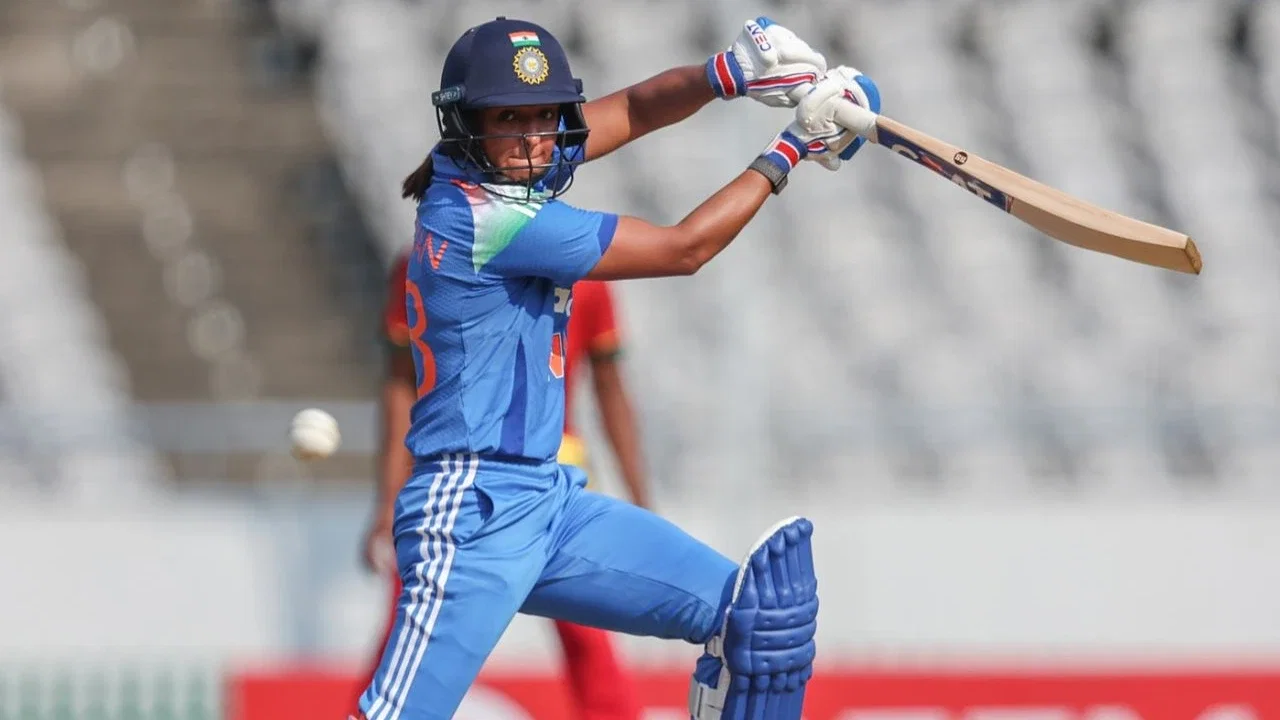
Tim Southee backs Bhuvneshwar Kumar to make an impact in IND vs NZ T20I series
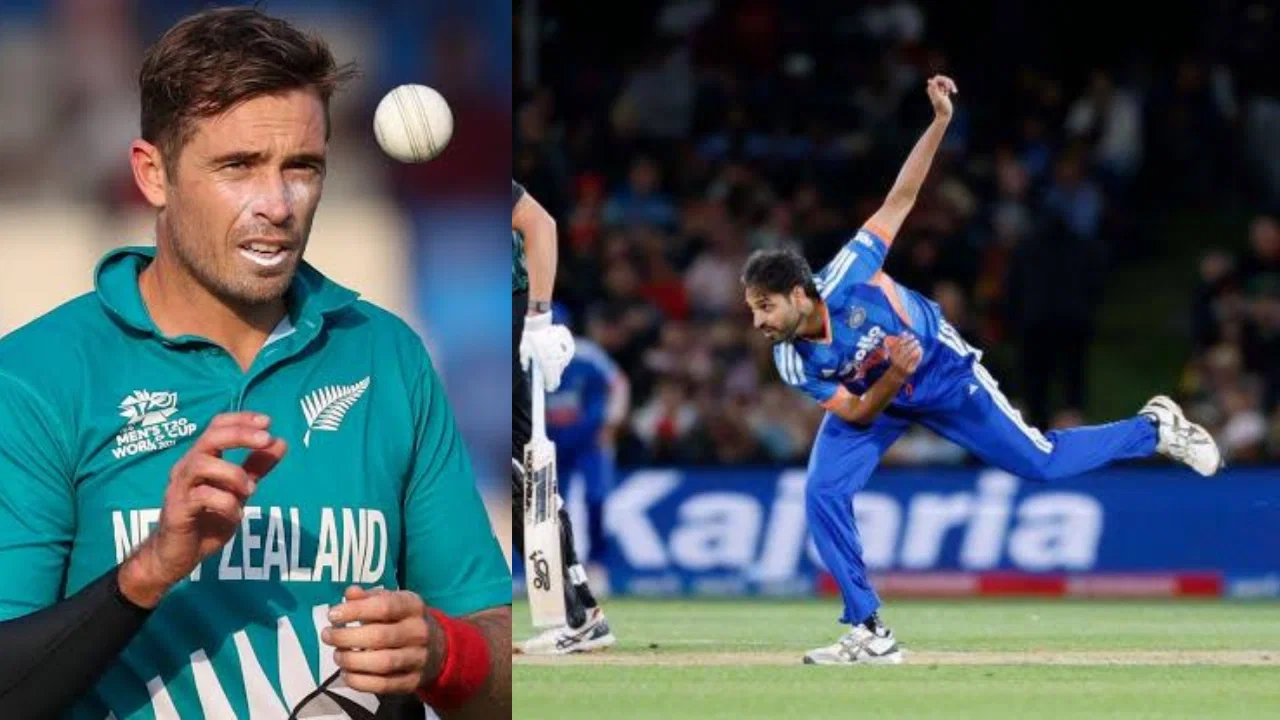
Tim Southee backs Bhuvneshwar Kumar to make an impact for India against New Zealand
Bhuvneshwar Kumar’s return to international cricket has been more challenging than his recent Indian Premier League form suggested it might be. After two expensive outings against New Zealand, questions have emerged about the veteran seamer’s rhythm and role in India’s bowling attack. Former New Zealand fast bowler Tim Southee, however, believes Kumar’s experience and specialist skills remain valuable as India prepare for the third T20I of the five-match series.
Kumar conceded 49 runs without taking a wicket in the first match, then returned figures of 1 for 50 in the second. Those numbers are a sharp contrast to the impact he made in recent IPL seasons, where he helped Royal Challengers Bengaluru secure consecutive titles. Yet Southee has urged observers to look beyond two difficult scorecards, pointing to the demands of modern T20 cricket and the time Kumar has spent away from the international stage.
Why Bhuvneshwar Kumar remains important to India
Kumar’s recall comes after an absence of nearly four years from the national side. His selection reflects the value India place on his control, experience and ability to move the ball, particularly in the shorter formats. His return has also taken on added significance because Jasprit Bumrah was unavailable for the first two matches, leaving India without one of their most dependable pace options.
That absence increased the responsibility on Kumar. Rather than serving only as an experienced option within a settled attack, he was expected to help lead the pace unit and deliver during key phases. Southee recognised that combination of skill and responsibility when discussing the seamer’s place in the team.
“You look at his skill and experience, which are vitally important in Jasprit Bumrah’s absence,” Southee told the Hindustan Times.
For India, Kumar’s potential contribution is not limited to taking wickets. His ability to bowl with a new ball, vary his pace and use movement can give the captain flexibility in the powerplay and at the death. Those qualities are especially relevant in a series where conditions and match situations may change from one venue to another.
Southee’s prediction: Kumar can bounce back
Southee believes Kumar’s early struggles should be viewed in context. Returning to international cricket after such a long break can require time to adjust to the pace, pressure and precision demanded at the highest level. Even a bowler with extensive T20 experience may need a few matches to rediscover his best rhythm.
“It’s been a very well-deserved recall. He’s been one of the top performers in the IPL for the last few years. I think he’ll bounce back,” Southee said. “It’s his first time back playing international cricket for a while, so I’m sure he’ll have an impact at some stage in the series.”
That is a measured prediction rather than a guarantee that Kumar will immediately return to his best. His recent figures show the difficulty of the task, but his career record and recent domestic performances offer reasons for confidence. One improved spell could also change the tone of the discussion, particularly if he finds movement early or executes his slower deliveries more effectively.
Why swing has been hard to find
Kumar’s greatest strength has traditionally been movement through the air. He is not known primarily for express pace; instead, he relies on accuracy, late swing and changes in trajectory to challenge batters. When the ball moves, he can make even well-set players adjust their plans. When it does not, however, batters can attack with greater confidence, especially on surfaces that offer little assistance to fast bowlers.
Southee noted that limited swing has become a familiar feature of white-ball cricket. Batting-friendly pitches and conditions that favour scoring can leave seamers with fewer opportunities to use their most effective weapon. Kumar did find some movement early in his spells, but sustaining that advantage proved difficult.
“You see a little bit of swing for the first over, but I think it’s sort of been the case for a while in white-ball cricket now—the ball hasn’t swung,” Southee said. He added that good surfaces can make life difficult for bowlers, who must quickly adapt when the conditions do not provide assistance.
Adapting when the ball does not move
In T20 cricket, every delivery presents a separate contest. A bowler may begin with swing available, only for the ball to become less responsive as the innings progresses. Southee’s point is that bowlers cannot rely on one skill throughout a spell: they must assess conditions, identify what is working and switch plans quickly.
When swing disappears, Kumar can draw on other parts of his game, including changes of pace, disciplined lines and variations in length. The challenge is to make those options difficult to predict. Against aggressive batting line-ups, a small error in length can quickly become a boundary, so precision and strong decision-making are essential.
“In T20 cricket, you break it down into each delivery as an individual battle,” Southee explained. If there is swing, a bowler should try to make the most of it; if not, he must rely on other skills. As Southee put it, conditions become much easier for a seamer when the ball is moving.
What to watch in the third T20I
The third match will offer Kumar an opportunity to respond, but his performance should be judged on more than the final figures. Early control, the quality of his first spell and his ability to adjust when batters attack will all provide clues about how quickly he is settling back into international cricket.
India will also need to manage his role carefully. If the conditions offer movement, Kumar’s new-ball skills could be particularly useful. If the pitch is flat, the team may need him to focus on limiting scoring through smart variations and accurate execution. His experience could prove valuable in either scenario, even if wickets do not arrive immediately.
Two costly performances have placed Bhuvneshwar Kumar under scrutiny, but they do not erase the qualities that earned him a recall. Southee’s assessment is a reminder that conditions, match-ups and time away from international cricket all matter when evaluating a bowler’s return. The clearest prediction for the remainder of the series is that Kumar will remain an important figure for India—and that a more settled performance could still be ahead.
Latest News

Mumbai Indians break silence on Kieron Pollard ditching Joburg Super Kings
Ishan Kishan likely to replace Vaibhav Sooryavanshi in 4th T20I vs New Zealand
TOR vs MON Dream11 Prediction Today Match, My11Circle Prediction, Dream11 Team Today, Fantasy Cricket Tips, Playing XI, Pitch Report, Injury Update- Global Canada T20 2026, Match 6
Watch: Gus Atkinson bowls a peach to dismiss Babar Azam
Alex Carey reveals Steve Smith’s fitness status ahead of series-deciding Test vs South Africa
Tim Southee backs Bhuvneshwar Kumar to make an impact in IND vs NZ T20I series
Navdeep Saini set to miss Ranji Trophy 2026-27 match for Delhi; KKR pacer named as replacement
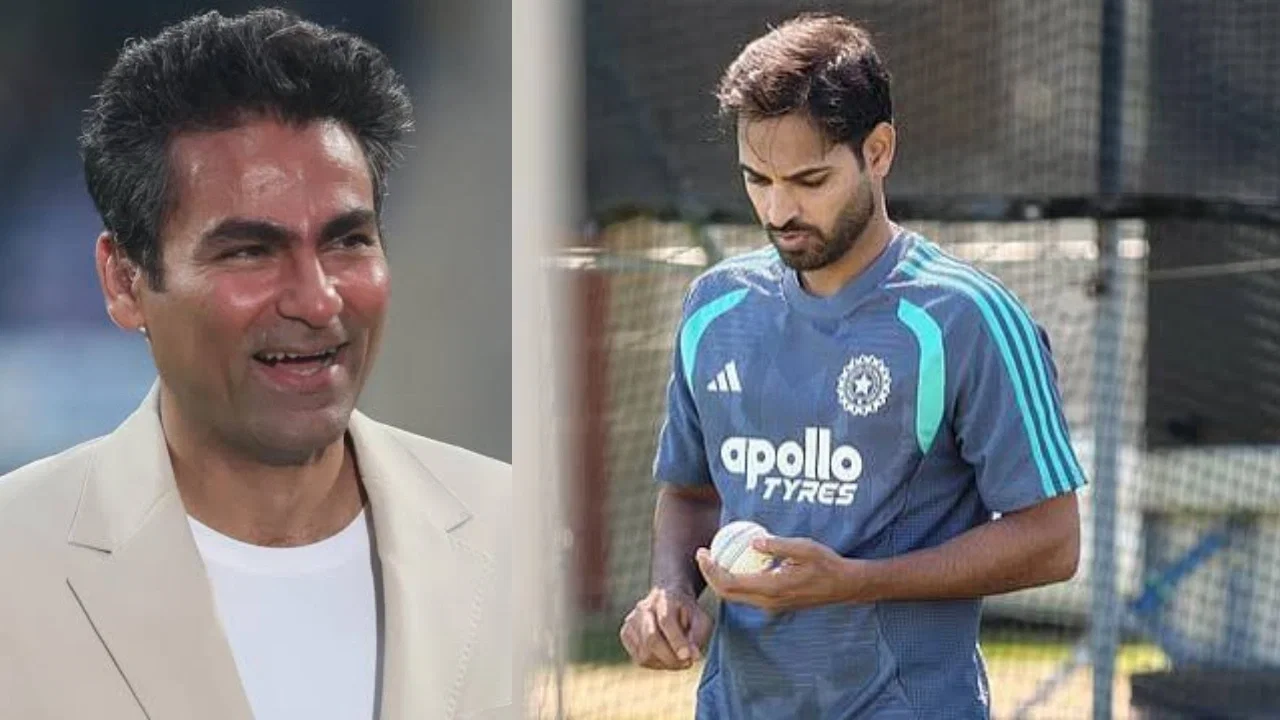
“Give him some time”: Mohammad Kaif backs Bhuvneshwar Kumar after back-to-back expensive spells
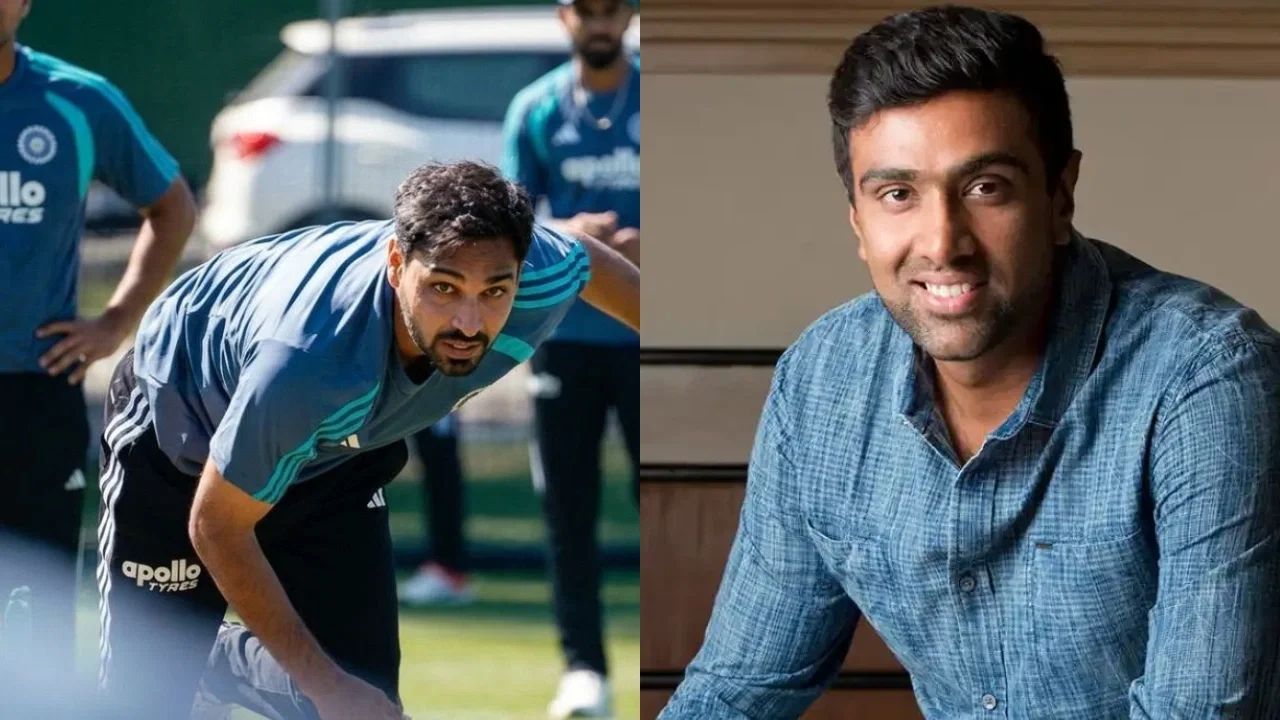
Ravichandran Ashwin raises concerns over Bhuvneshwar Kumar after IND vs NZ 2nd T20I
Shaheen Afridi matches Mohammed Shami’s record with 150th ODI wicket against England
Abhimanyu Easwaran reveals Tilak Varma’s secret to thriving under pressure after POTM performance
James Anderson confirms Lancashire exit after county club decides against new contract
Rohit Sharma dismisses retirement rumours, hints at continuing in ODIs
Mohammad Kaif sends clear message on Vaibhav Sooryavanshi after 2nd T20I setback