“Please focus on the sport”: Navjot Singh Sidhu urges India and Pakistan to resume bilateral cricket ties
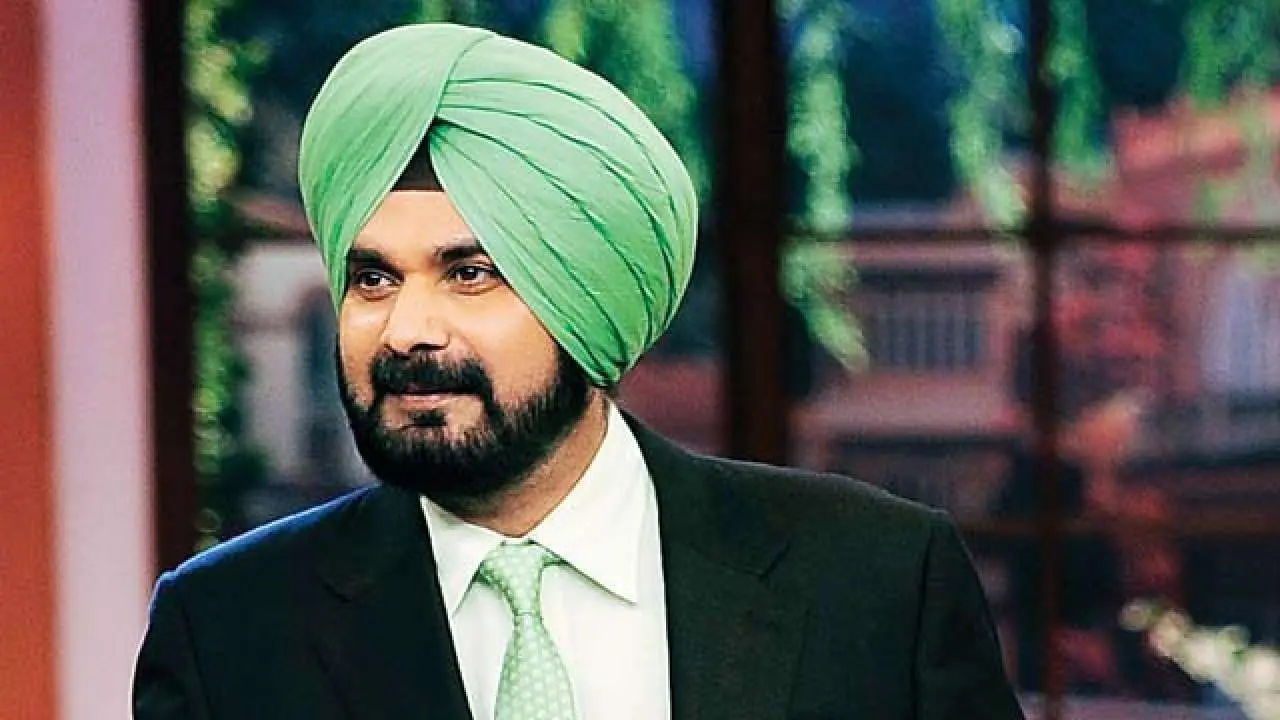
Navjot Singh Sidhu Calls for India-Pakistan Bilateral Cricket, Says Sport Can Build Bridges
Former India batter Navjot Singh Sidhu has renewed calls for India and Pakistan to resume bilateral cricket, arguing that the game can help ease political tensions and bring people closer. Speaking at an ILT20 event, Sidhu urged both countries to keep sport at the centre of their conversations, even as government policies continue to restrict cricketing ties.
His remarks have gained fresh attention following a heated Asia Cup Rising Stars match on November 22, in which Pakistan Shaheens defeated India A. On-field exchanges during the contest brought the intensity of the rivalry back into focus. The senior men’s teams, however, have not played a bilateral series since Pakistan toured India in December 2012.
Sidhu: “Focus on the Sport, Not Politics”
Sidhu, who faced Pakistan 32 times in international cricket across formats, said decisions about whether bilateral fixtures can take place rest with governments. At the same time, he pointed to the way cricket has previously been used to encourage dialogue and goodwill between the neighbours.
“Please focus on the sport, not politics,” Sidhu said. He noted that governments determine whether the teams meet, but can also recognise cricket’s potential to promote solidarity and friendship. In his view, an India-Pakistan match can become more than a sporting contest: it can offer a rare shared moment for people on both sides of the border.
Sidhu described cricket diplomacy as a way to lower the temperature when political relations become strained. He also stressed the unifying power of sport, saying that those who bring people together earn respect, while division invites criticism. His message was not that cricket can resolve complex disputes on its own, but that sporting contact can create space for connection when other channels are difficult.
Why India-Pakistan Matches Carry Such Weight
Few fixtures in international cricket attract the attention of Indian and Pakistani fans like a match between the two countries. The rivalry is shaped by history, national pride and the enormous following the teams command. That combination makes every encounter a major sporting event—and gives the result significance beyond the scorecard.
The scale of public interest also explains why calls for a bilateral series regularly generate debate. A prediction about when the teams might next meet is difficult to make, because the decision depends less on cricket calendars than on government policy and diplomatic conditions. For now, fans generally see India and Pakistan face each other in tournaments organised by the International Cricket Council (ICC) or the Asian Cricket Council (ACC), rather than in a standalone series.
Sidhu Recalls Facing Wasim Akram and Waqar Younis
Sidhu also looked back on the intensity of his own encounters with Pakistan, recalling a tour in 1988 when fast bowlers Wasim Akram and Waqar Younis were emerging as formidable forces. He described the physical pressure of facing elite pace bowling and remembered a bouncer from Akram that passed close to his ears.
According to Sidhu, Ravi Shastri later told him he had not even seen the delivery. Sidhu said that he and Akram became good friends, but that friendship did not soften the contest when either player represented his country. His recollection captured a distinction familiar to many international athletes: fierce competition during a match can coexist with respect and personal warmth away from it.
That perspective also offers context for the recent India A-Pakistan Shaheens altercation. High emotions are part of a rivalry watched by millions, but Sidhu’s account suggests that intensity need not prevent respect between players. The challenge for teams and officials is to ensure that competitive fire remains within the spirit of the game.
Government Policy Continues to Shape Cricketing Ties
Despite Sidhu’s appeal, the Board of Control for Cricket in India (BCCI) and the Pakistan Cricket Board (PCB) operate within the policies set by their respective governments. Political tensions—including the brief military confrontation in May 2025—have made the prospect of regular bilateral cricket more difficult.
India’s government has barred Indian teams from travelling to Pakistan and Pakistani teams from visiting India for bilateral fixtures. The BCCI has consequently maintained that India will play Pakistan in multi-nation competitions hosted by the ICC or ACC, rather than in a bilateral series. When Pakistan hosts a tournament, India’s matches have been staged at neutral venues, including locations in Sri Lanka or the United Arab Emirates, under a hybrid arrangement.
The PCB has continued to advocate for renewed bilateral cricket, pointing to the potential commercial and broadcasting value of a series. It has also proposed neutral-venue tri-series involving India. However, the ICC rejected the board’s demands in February 2026. PCB chairman Mohsin Naqvi has also said Pakistan would play India only at neutral venues rather than travel to India.
Neutral Venues and the Road Ahead
The neutral-venue model has allowed major tournaments to proceed while accommodating travel restrictions, but it is not the same as restoring regular bilateral cricket. A full series would require agreement on venues, scheduling, security and government approval—issues that cricket boards cannot settle independently.
A standoff over the February 2026 T20 World Cup fixture in Colombo reportedly brought the match close to a boycott before back-channel discussions involving the ICC helped resolve the impasse. The episode underlined how quickly political concerns can affect tournament planning, even when a neutral venue is available.
For supporters, Sidhu’s comments are a reminder of what the rivalry can offer when the teams meet: compelling cricket, shared attention and a chance for players to represent their countries without losing sight of mutual respect. Whether bilateral fixtures return remains uncertain, and any prediction should be treated cautiously. For now, the future of India-Pakistan cricket will depend on decisions made beyond the boundary—but Sidhu’s call reflects the enduring hope that sport can help build bridges where politics has created distance.
Latest News
Saba Karim takes aim at Washington Sundar’s selection after India’s Wellington Test draw
“Please focus on the sport”: Navjot Singh Sidhu urges India and Pakistan to resume bilateral cricket ties
Prithvi Shaw threatens legal action against Yograj Singh over personal remarks
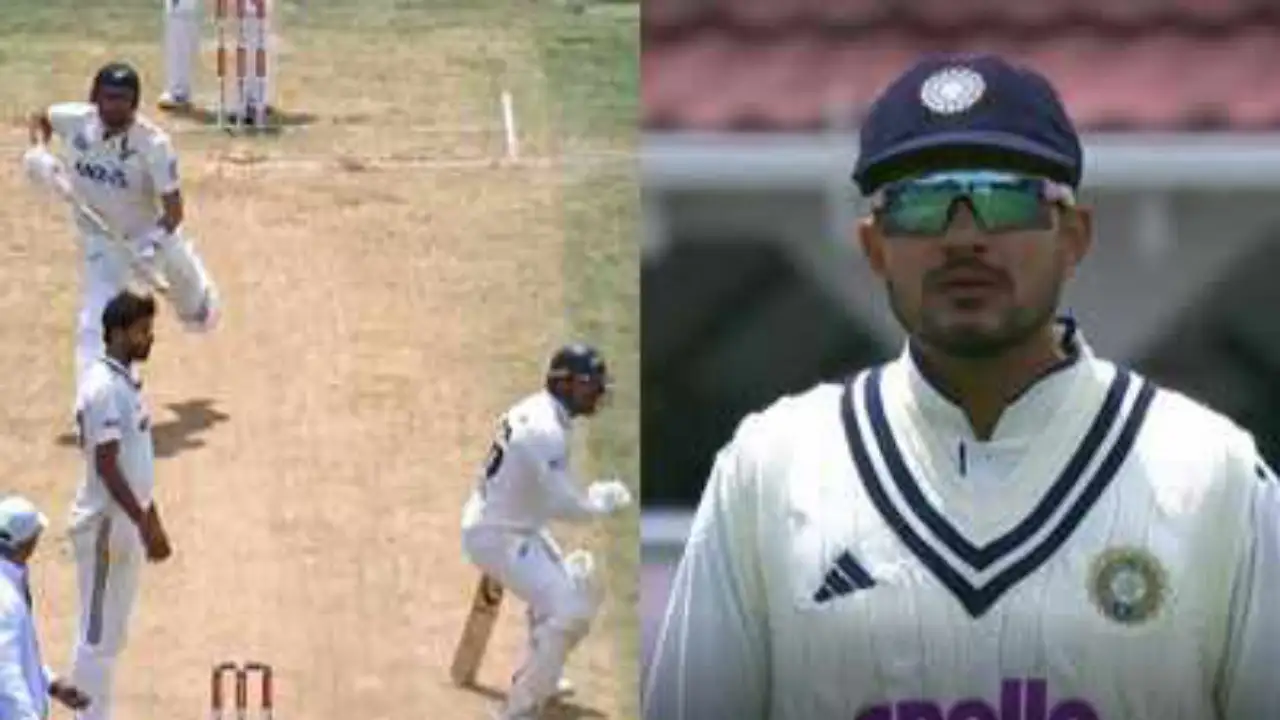
Watch: Shubman Gill’s angry reaction goes viral after Akash Deep’s run-out miss
India’s WTC Final qualification scenario after 1st Test draw vs New Zealand
Shubman Gill takes dig at ball manufacturer, questions ICC’s saliva ban after Wellington draw
“We picked on current form”: Shubman Gill justifies Mohammed Siraj’s exclusion after Wellington draw
“A pleasing result”: Henry Nicholls reflects on New Zealand’s fightback after 70/5 in 1st Test vs India
“Hopefully there’s a bit more help”: Shubman Gill wants better bowling conditions in 2nd Test at Christchurch
Sanjay Bangar accuses Tilak Varma’s slow batting after 48-run defeat against Pakistan
“If he could have stayed…”: Tilak Varma blames Shahbaz Ahmed after India’s 48-run loss to Pakistan
Steve Smith fails on comeback, gets out for just 12 runs
“Where is Kuldeep or Manav Suthar?”: Sourav Ganguly questions Gautam Gambhir over India’s spin options
Usman Khawaja booed by fans on cricket return amid Sandpapergate controversy