Ajinkya Rahane reveals Mohammed Shami’s unusual recovery routine after a match
Ajinkya Rahane Reveals Mohammed Shami’s Simple Match-Recovery Routine
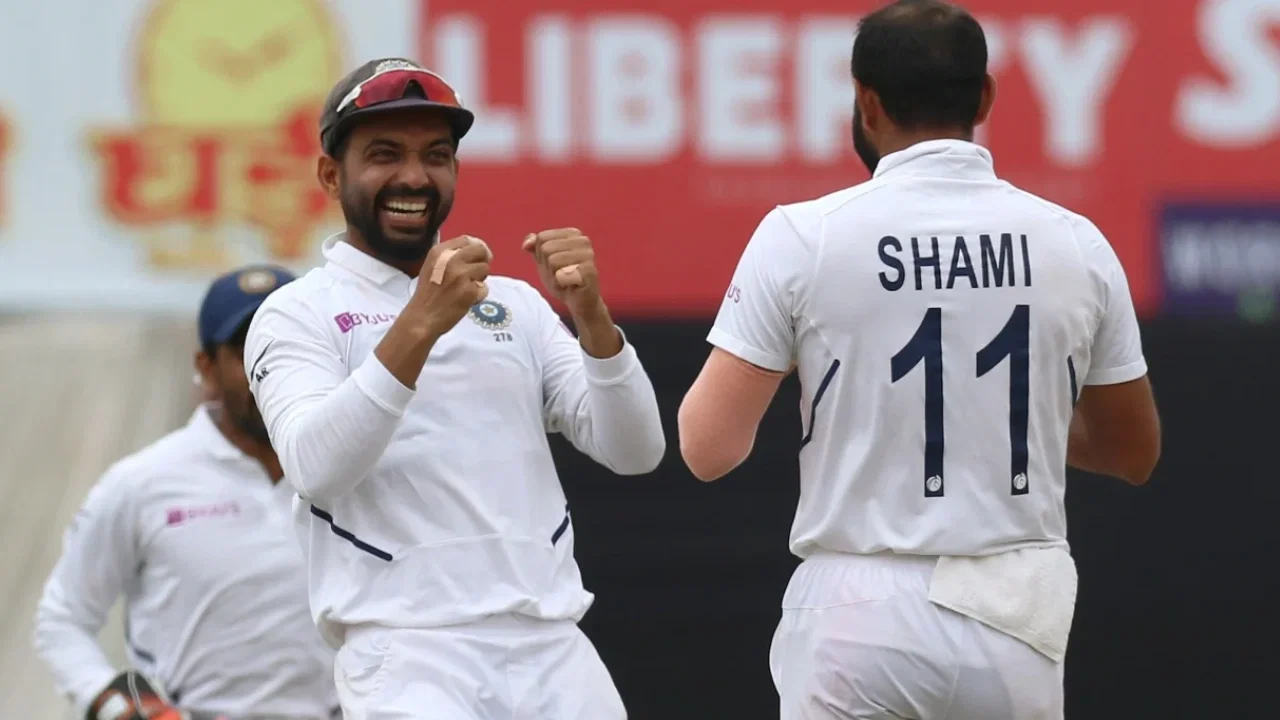
Fast bowling can take a heavy toll on the body. Long spells, repeated sprints and the strain of landing at speed leave even elite athletes needing careful recovery before their next appearance. But according to former India batter Ajinkya Rahane, Mohammed Shami’s preferred post-match routine was refreshingly straightforward: a good meal and a proper night’s sleep.
Rahane shared the anecdote during a Sony Sports Network broadcast, offering fans a glimpse of the habits behind one of India’s most effective fast bowlers. While players are often associated with ice baths and elaborate recovery plans, Shami apparently had a simpler response when asked how he wanted to recuperate after a demanding day on the field: bring him meat, then let him sleep.
Rahane’s story offers a glimpse into Shami’s routine
The exchange took place during a rain interruption in the second ODI between India and New Zealand. With play paused and the match reduced by the weather, the broadcast turned to lighter cricket conversation. Rahane’s recollection quickly caught the attention of viewers, adding a personal touch to coverage dominated by the conditions and the contest.
Rahane explained that ice baths were generally recommended to players after matches to help cool the body. Shami, however, was not especially interested in that approach. His priorities were food and rest—two basic needs that remain central to an athlete’s recovery, even as sports science continues to introduce more specialised methods.
The anecdote is not a detailed account of Shami’s full fitness programme, but it highlights a familiar truth in professional sport: recovery is individual. What works for one player may not be another’s first choice. For a fast bowler, quality sleep can support physical repair, while a balanced meal helps replenish energy after hours of exertion. Shami’s reported preference may have been simple, but the essentials behind it are well understood.
Mohammed Shami’s Test retirement brings his career into focus
Rahane’s story also arrived at a moment when Shami’s contribution to Indian cricket was receiving renewed attention. The experienced pacer has announced his retirement from Test cricket, bringing an important chapter of his international career to a close. His performances in the format—and the memories created through his spells—remain a significant part of his legacy.
Shami built a reputation through his ability to generate pace, seam movement and sustained pressure. He could trouble batters with the new ball and remain a threat as conditions changed. Those qualities made him a valuable member of India’s attack across challenging tours and high-pressure matches.
Retirement also tends to prompt stories that statistics cannot capture. Supporters may remember wickets and match-winning spells, while teammates recall the routines, personalities and small moments that shaped life within the dressing room. Rahane’s account belongs to that more personal side of the game: a brief, amusing detail that helps fans picture the habits of a player they have mostly watched from a distance.
Rain shapes a low-scoring India–New Zealand ODI
The broadcast conversation unfolded during a rain-affected second ODI between India and New Zealand in Wellington. The match was shortened to 47 overs per side, and the revised target for India was 135. New Zealand were dismissed for 134, with the conditions offering assistance to the bowlers and making the contest far less comfortable than the target might initially have suggested.
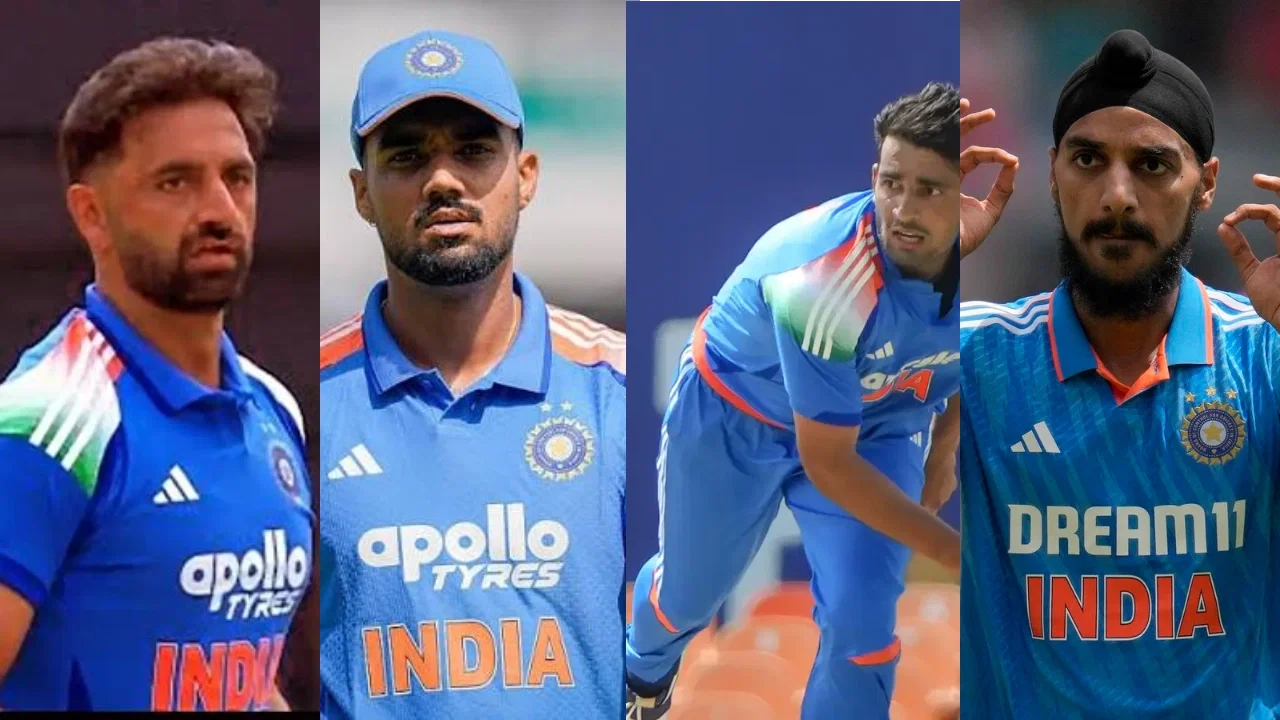
India’s pace attack made the most of the opportunity. Gurnoor Brar produced a career-best four-wicket haul, while Auqib Nabi and Anshul Kamboj claimed two wickets apiece. Axar Patel also took two wickets, giving India contributions from both pace and spin. Arshdeep Singh finished without a wicket, but the collective effort restricted New Zealand to a modest total.
Low totals can create a misleading sense of security. A chase of 135 may appear manageable on paper, but difficult conditions and disciplined bowling can quickly turn it into a test of patience. India discovered that as New Zealand struck back during the second innings.
India’s chase becomes tense before rain intervenes
India’s top order struggled to settle. Captain Shubman Gill was dismissed for a golden duck, while Virat Kohli made only seven. Rohit Sharma and Shreyas Iyer attempted to steady the innings, but New Zealand continued to take wickets and keep the required rate under control.
By the 26th over, India had lost seven wickets, transforming a seemingly straightforward pursuit into a close finish. KL Rahul was among the batters still at the crease when rain interrupted play, with Auqib Nabi also involved in the late stages of the contest. The result was determined using the Duckworth–Lewis–Stern method, commonly known as DLS, which adjusts targets and scores in limited-overs matches affected by weather.
India were declared four-run winners under the DLS calculation, securing another victory in the series. The result underlined how quickly a shortened ODI can change direction: a low target does not guarantee an easy chase, particularly when bowlers exploit the conditions and wickets fall in clusters.
Why Shami’s recovery anecdote resonated with fans
Rahane’s revelation offered a welcome contrast to the tension of the match. It reminded viewers that cricket is not only about scorecards, tactics and predictions; it is also shaped by the everyday routines players develop to handle demanding schedules. Shami’s preference for a meal and sleep may have prompted a laugh, but it also made a highly accomplished international cricketer feel more relatable.
For fans following the India–New Zealand series, the story added context to the physical demands behind fast bowling. The best recovery strategy is not always the most elaborate one. Consistent rest, nutrition and preparation can matter just as much as headline-grabbing techniques, although an individual player’s needs vary and professional teams typically tailor support to each athlete.
As Shami’s Test career becomes part of cricket history, stories like Rahane’s help preserve the human details alongside the numbers. They offer a fresh perspective on the work behind the performances—and a reminder that, after a gruelling day in the middle, even a world-class fast bowler may have a very uncomplicated prediction for what comes next: food, sleep and time to recover.
Latest News
BCCI president Mithun Manhas gets relief as Jammu court rejects date-of-birth fraud complaint
Ajinkya Rahane reveals Mohammed Shami’s unusual recovery routine after a match
Mitchell Santner praises Indian bowlers after New Zealand collapse in 2nd ODI
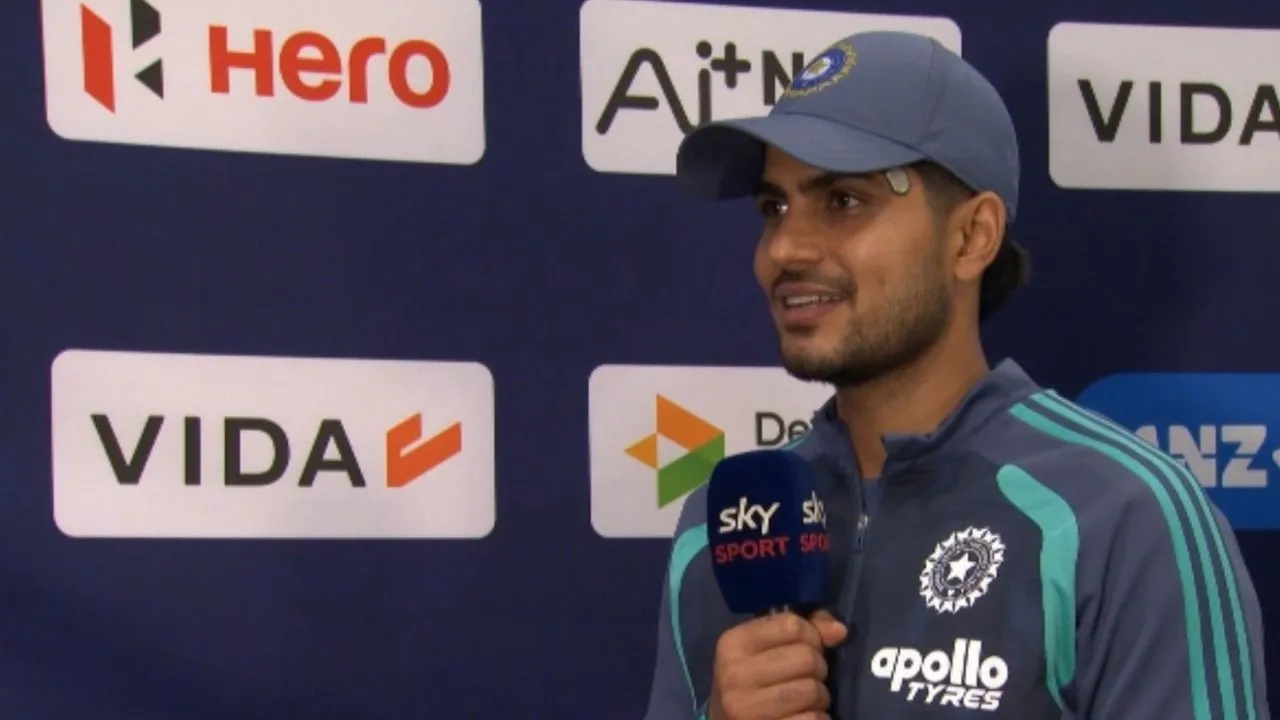
“The last two shots don’t look well”: Shubman Gill slams India batters after 2nd ODI win
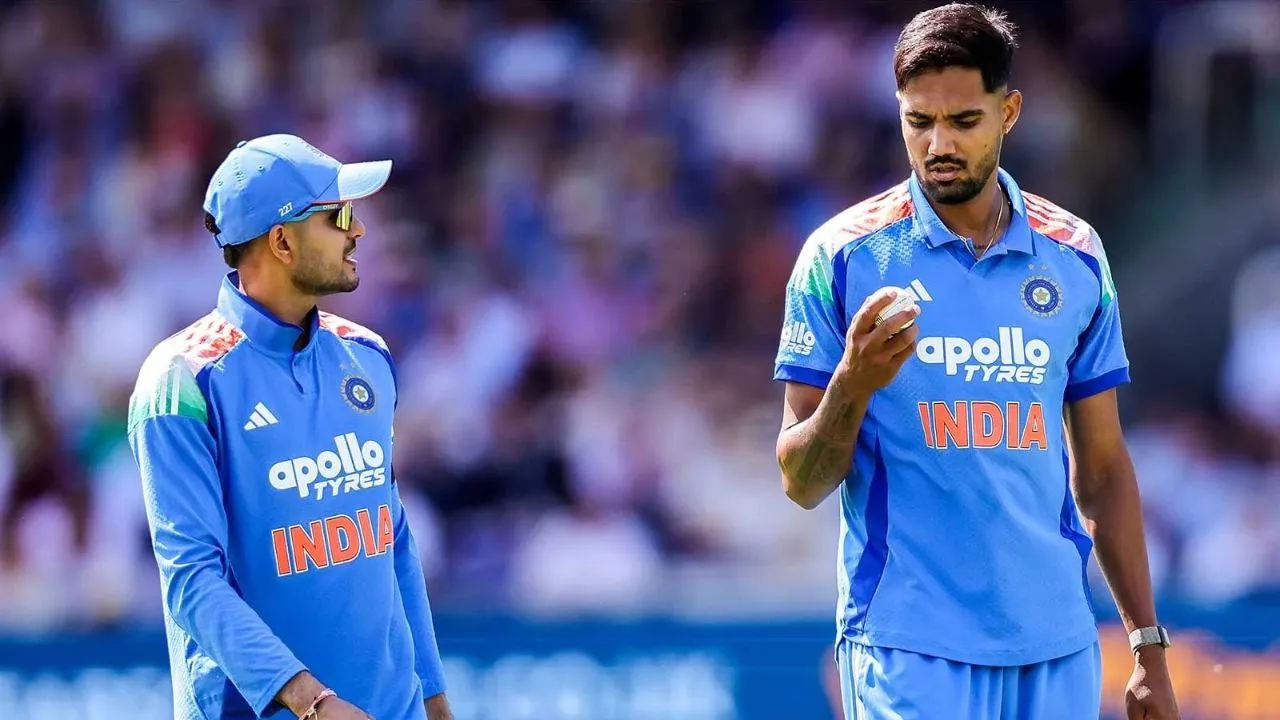
Gurnoor Brar credits Shubman Gill for backing him after POTM performance against New Zealand
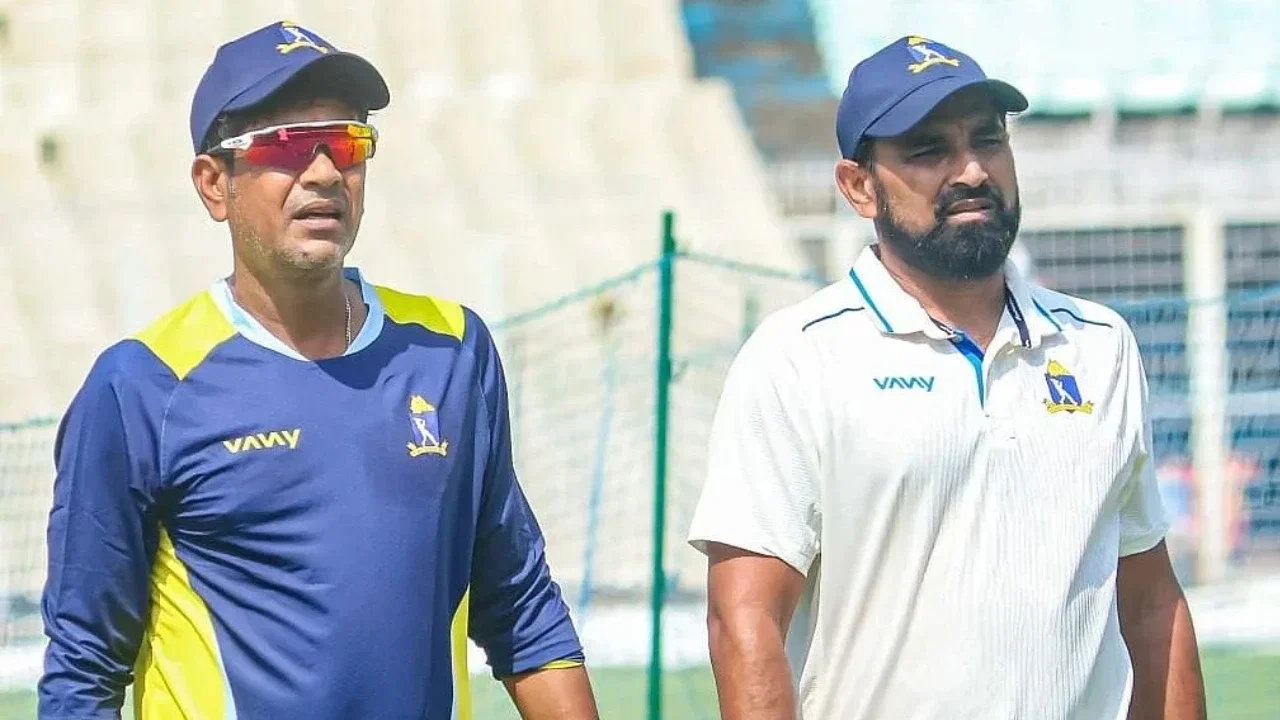
‘All wanted you to have a comeback’: Laxmi Ratan Shukla disappointed over Mohammed Shami’s retirement
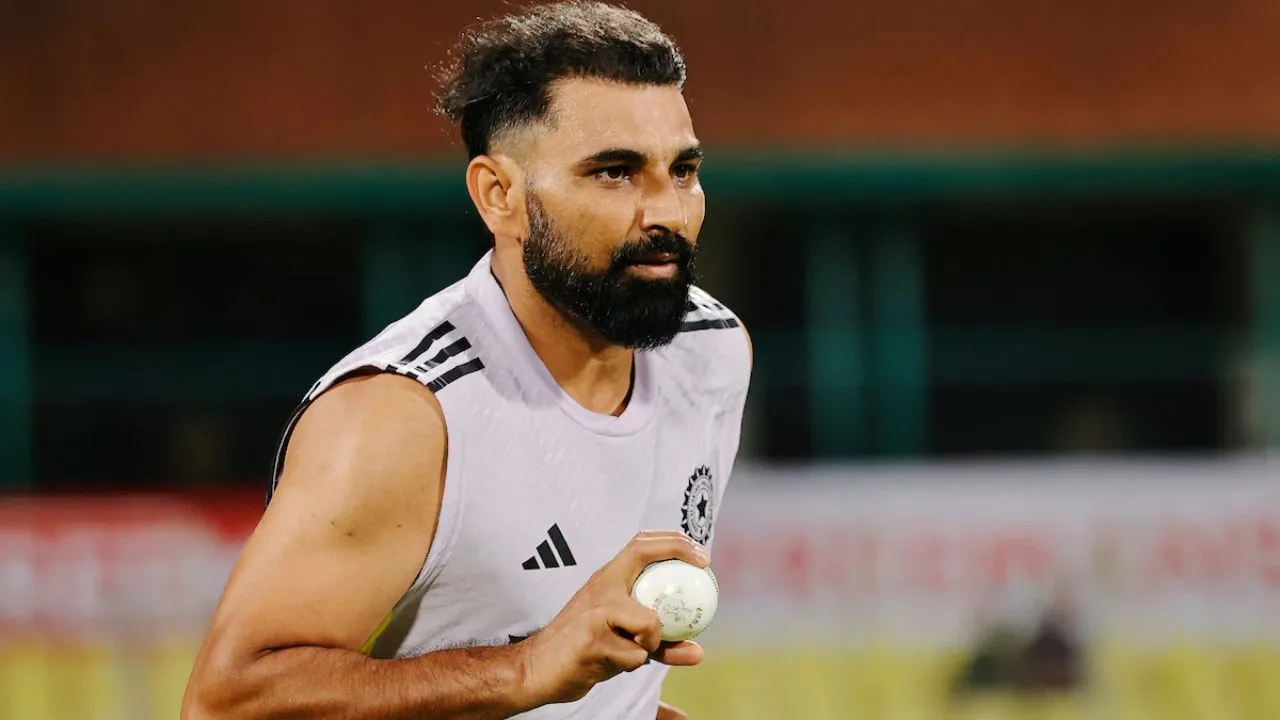
Mohammed Shami’s top 3 greatest performances in Test cricket
Madhya Pradesh name Rajat Patidar captain for SMAT 2026-27
Murali Kartik highlights repeated batting mistakes despite India taking 2-0 lead against New Zealand
England suffer injury blow as Josh Tongue is ruled out of white-ball series against Australia
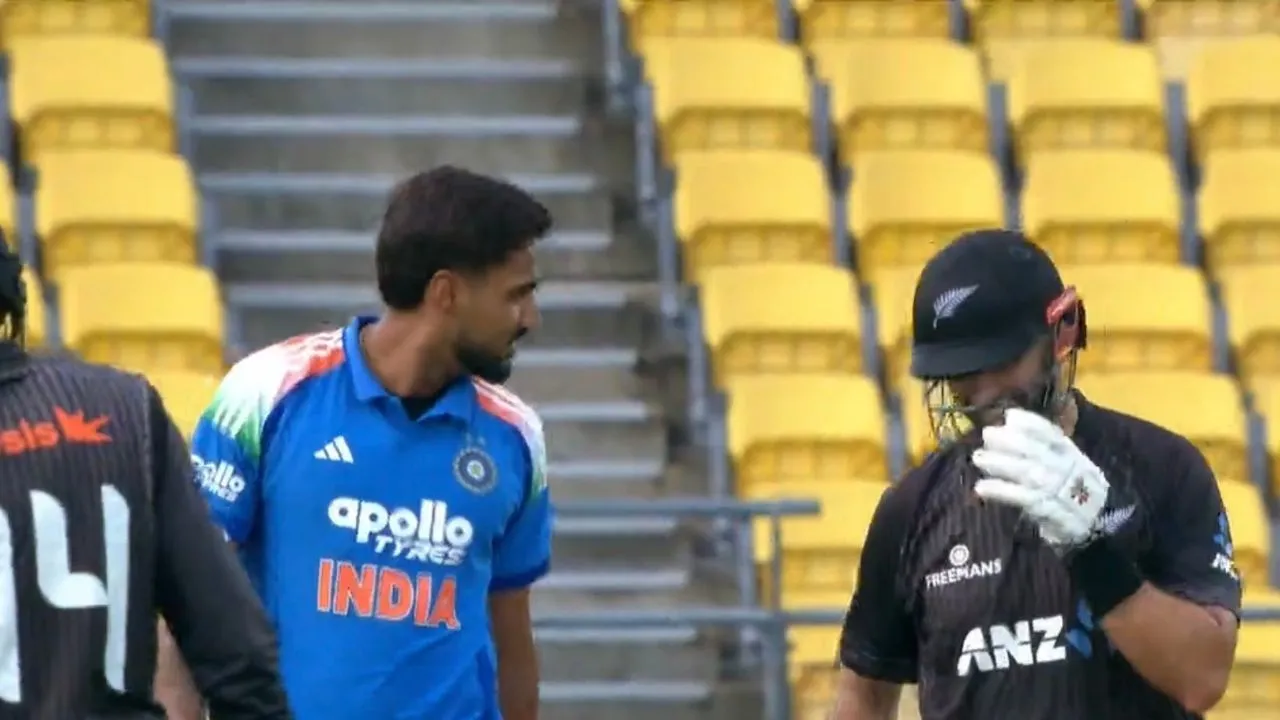
Watch: Gurnoor Brar and Daryl Mitchell involved in heated exchange during 2nd ODI

Mohsin Khan to leave LSG? Two IPL franchises show interest
Not India! Harshit Rana to make comeback for this team, date revealed
Virat Kohli breaks Ricky Ponting’s all-time ODI record against New Zealand