Mitchell Santner praises Indian bowlers after New Zealand collapse in 2nd ODI

Mitchell Santner Blames Tricky Wellington Pitch as India Take 2-0 ODI Series Lead
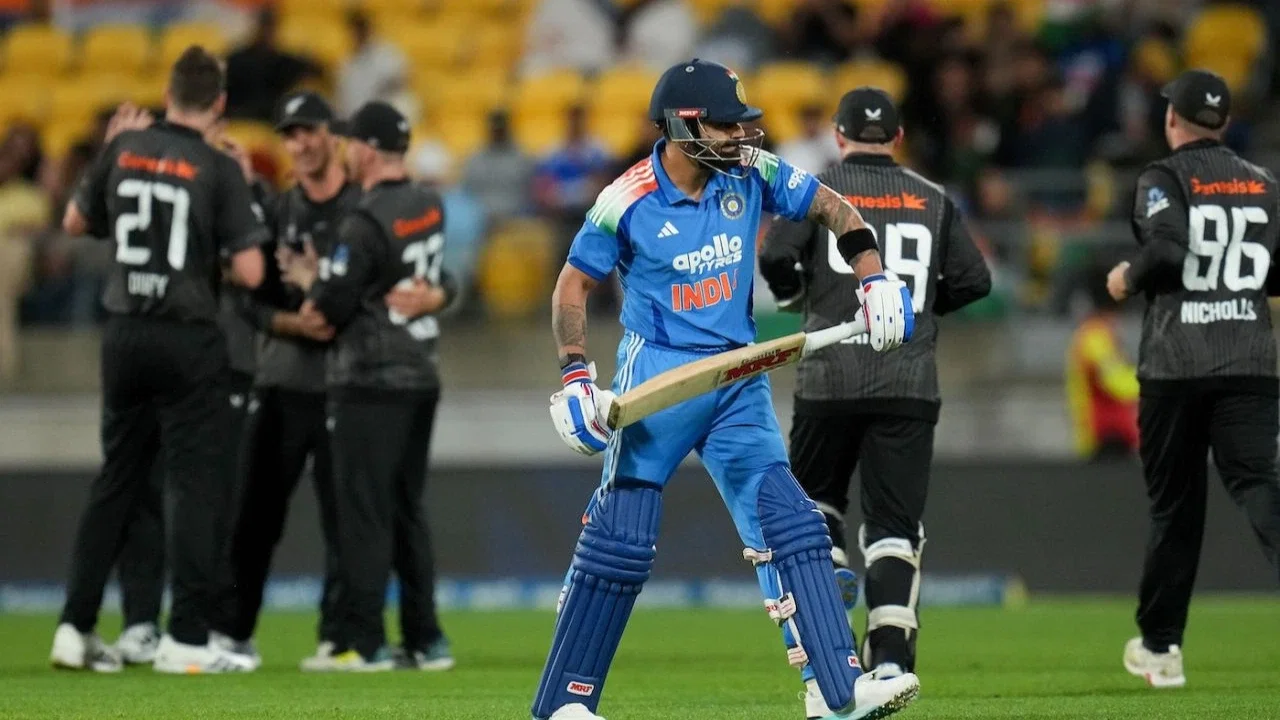
New Zealand captain Mitchell Santner said the Wellington surface made batting difficult after India edged his side by four runs under the Duckworth-Lewis-Stern (DLS) method in the second ODI at Hnry Stadium. Rain brought the match to an early close, but India had done enough to secure the result and move 2-0 ahead in the five-match series.
The finish was frustrating for the home side, particularly after New Zealand’s bowlers fought back to keep India under pressure. However, their batting collapse proved costly: the hosts were dismissed for 134, with Daryl Mitchell the only New Zealand batter to reach a half-century. Santner acknowledged that the conditions were demanding, while also conceding that his team needed to make better use of its innings.
India’s Bowlers Put New Zealand Under Immediate Pressure
New Zealand’s innings never found a steady rhythm. Auqib Nabi removed both opening batters, and Anshul Kamboj dismissed Henry Nicholls to leave the hosts at 23 for three. The early losses forced the middle order to rebuild on a pitch that offered assistance to the bowlers and made fluent strokeplay difficult.
Gurnoor Brar then delivered the decisive spell. He dismissed Tom Latham and Glenn Phillips in the same over before returning to remove Santner, disrupting New Zealand’s hopes of recovering through its experienced middle order. Brar finished with career-best figures of four for 30, a performance that helped restrict the hosts to a modest total.
Daryl Mitchell provided the innings’ main resistance, but New Zealand could not build enough partnerships around him. On a surface where timing and shot selection were challenging, the visitors’ ability to strike early and maintain pressure proved crucial.
Santner: New Zealand Needed More Runs
Speaking after the match, Santner described the pitch as “tricky” and praised India’s new-ball bowlers for exploiting the conditions. He said the early wickets were far from ideal and suggested New Zealand were below a competitive score at the halfway point, even though the surface continued to offer something for the bowlers.
Santner also credited his own attack for keeping India in the contest. New Zealand took wickets at regular intervals, preventing the visitors from settling into a straightforward chase. In ODI cricket, he noted, early breakthroughs can be essential when defending a target, and his bowlers had done much of what was required to create pressure.
Still, the captain’s clearest admission concerned the batting effort. Santner felt New Zealand might have found a way to reach 160 or even 180 through greater patience and a more measured approach. Such a total would have given the bowlers more room to defend, especially with the weather threatening to affect the match.
Why the First Innings Mattered
On a difficult pitch, a team does not always need to score at a high rate from the outset. Building partnerships, preserving wickets and targeting scoring opportunities can be more valuable than trying to force boundaries. New Zealand’s early dismissals made that strategy difficult to execute, leaving the lower order with the task of adding runs while India continued to attack.
The weather added another layer of uncertainty. Rain interruptions can change the calculation in a DLS match, making every run and wicket more significant. Although New Zealand’s bowlers produced a spirited response, the limited first-innings total left little margin for error once the revised conditions came into play.
New Zealand’s Bowlers Keep the Contest Close
Despite being asked to defend only 134, New Zealand’s bowlers made India work for the win. Santner said the attack started well and continued to find breakthroughs across different spells, preventing the chase from becoming comfortable. That effort brought the match close enough for the final result to be decided by just four runs under DLS.
The narrow margin offers New Zealand some encouragement, but it does not erase the concern raised by the batting performance. The hosts showed they could compete with the ball; the challenge now is to turn that pressure into a complete performance by posting a more resilient total.
India Extend Their Advantage in the Series
The victory gives India a 2-0 lead in the five-match ODI series and puts New Zealand under pressure to respond in the next match. For the visitors, the result reflects the value of disciplined bowling in testing conditions. Brar’s four-wicket haul, supported by early strikes from Nabi and Kamboj, gave India control of the first innings.
The defeat also adds to a difficult period in New Zealand’s ODI results against India. The supplied match report notes that New Zealand have suffered 11 ODI defeats to India in 2026, their highest number of losses against any opponent in a calendar year. It also marks the first time since January 2019 that New Zealand have lost two consecutive home ODIs, with India again the opposition.
For supporters assessing the series prediction, India’s two-match advantage and strong bowling display make the visitors favourites to maintain their momentum. However, New Zealand’s ability to take wickets in the chase shows that the contest may become more balanced if the home side can produce a stronger batting performance. A total closer to Santner’s suggested 160-to-180 range could give the bowlers a more realistic opportunity to turn pressure into a win.
Blair Tickner Update
Santner also provided an update on fast bowler Blair Tickner, who had returned to the team hotel after suffering a concussion. The captain said the priority was to give Tickner sufficient time to recover. Concussion protocols require careful monitoring, so his availability for the next match will depend on his condition and the appropriate medical assessment.
New Zealand now face a clear task: adapt to the surface, show greater patience with the bat and make the most of any scoring opportunities. Santner’s comments recognised both sides of the defeat—the difficulty of the Wellington pitch and the quality of India’s bowling, but also the runs his team left behind. With the series still ongoing, the next match will test whether the hosts can turn that assessment into a stronger performance.
Latest News
BCCI president Mithun Manhas gets relief as Jammu court rejects date-of-birth fraud complaint
Ajinkya Rahane reveals Mohammed Shami’s unusual recovery routine after a match
Mitchell Santner praises Indian bowlers after New Zealand collapse in 2nd ODI
“The last two shots don’t look well”: Shubman Gill slams India batters after 2nd ODI win
Gurnoor Brar credits Shubman Gill for backing him after POTM performance against New Zealand
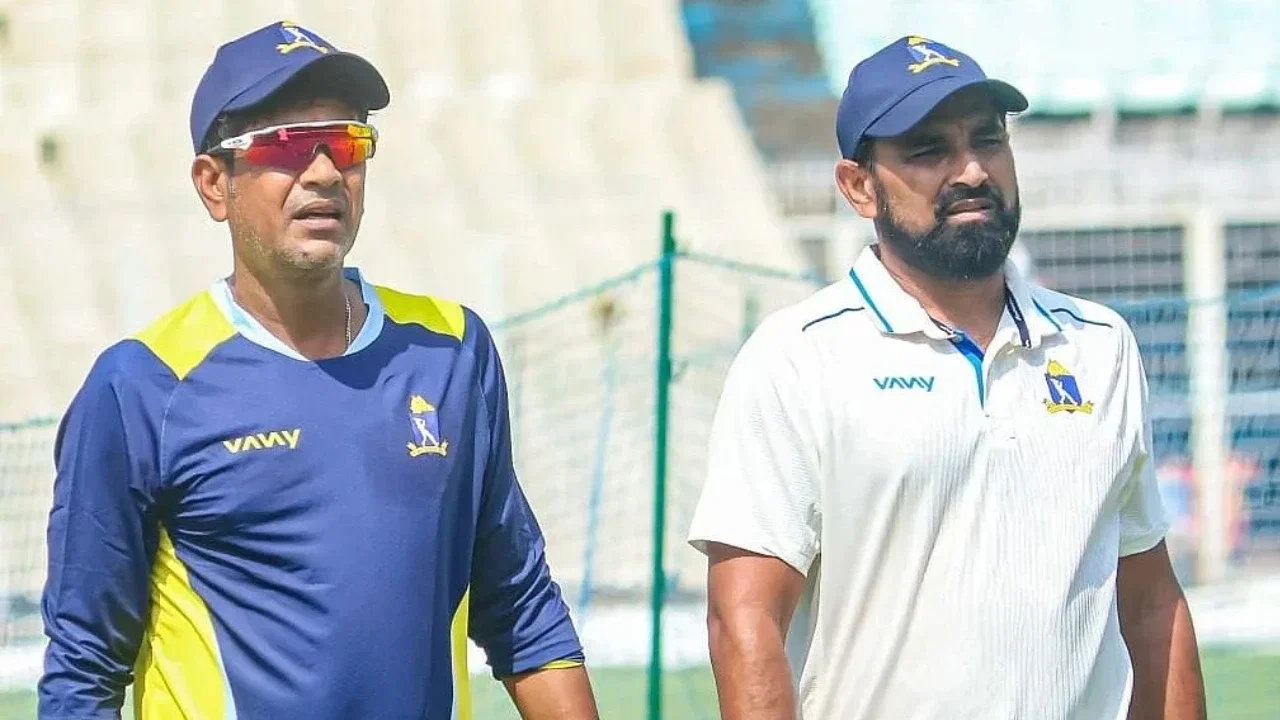
‘All wanted you to have a comeback’: Laxmi Ratan Shukla disappointed over Mohammed Shami’s retirement

Mohammed Shami’s top 3 greatest performances in Test cricket
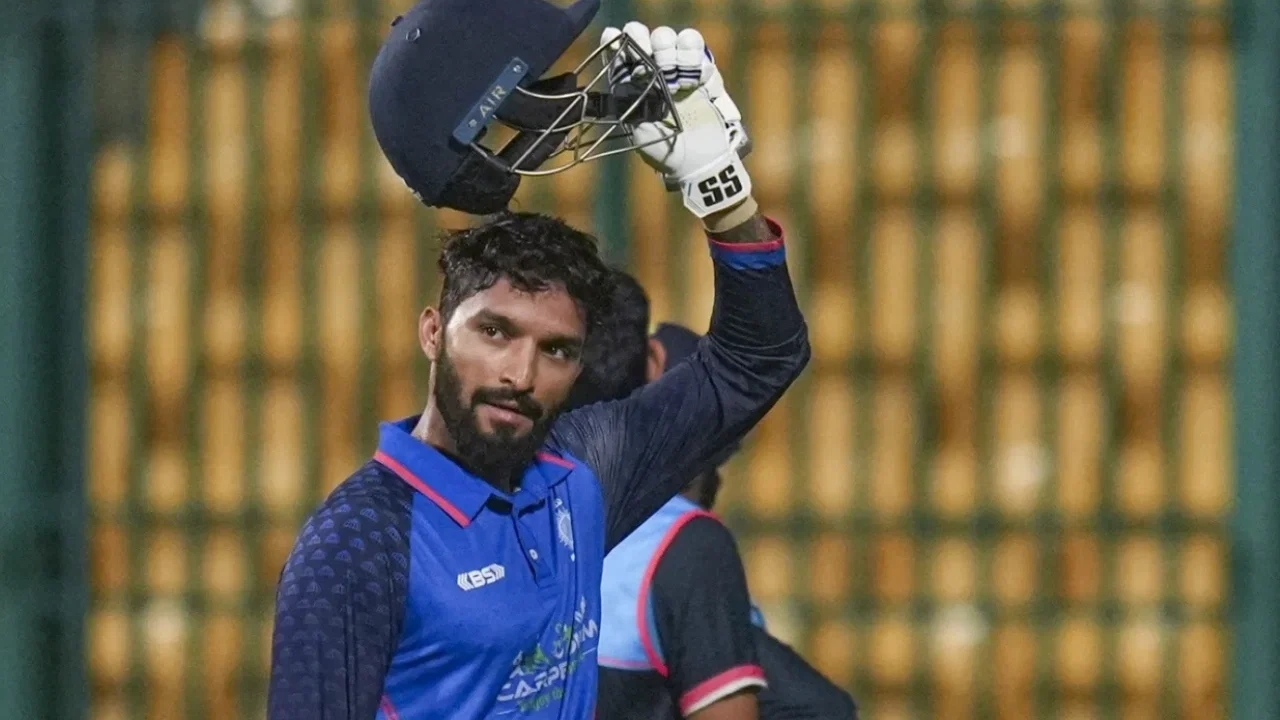
Madhya Pradesh name Rajat Patidar captain for SMAT 2026-27

Murali Kartik highlights repeated batting mistakes despite India taking 2-0 lead against New Zealand

England suffer injury blow as Josh Tongue is ruled out of white-ball series against Australia
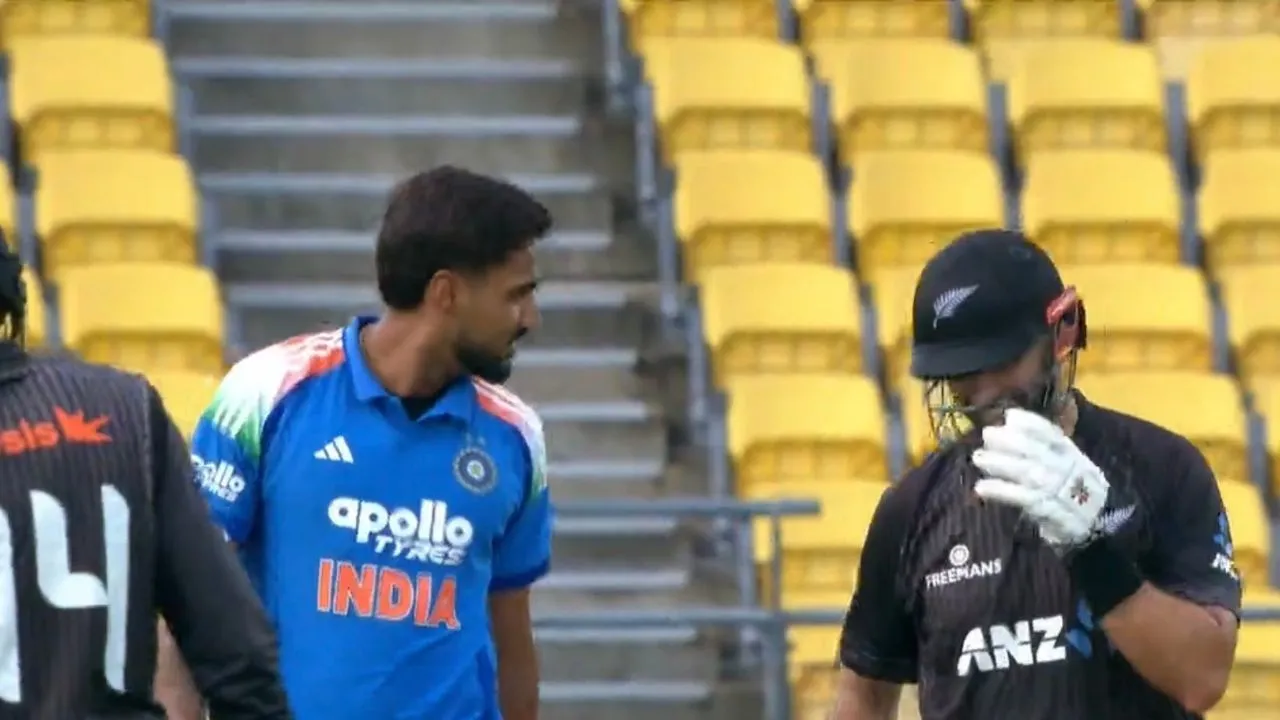
Watch: Gurnoor Brar and Daryl Mitchell involved in heated exchange during 2nd ODI

Mohsin Khan to leave LSG? Two IPL franchises show interest
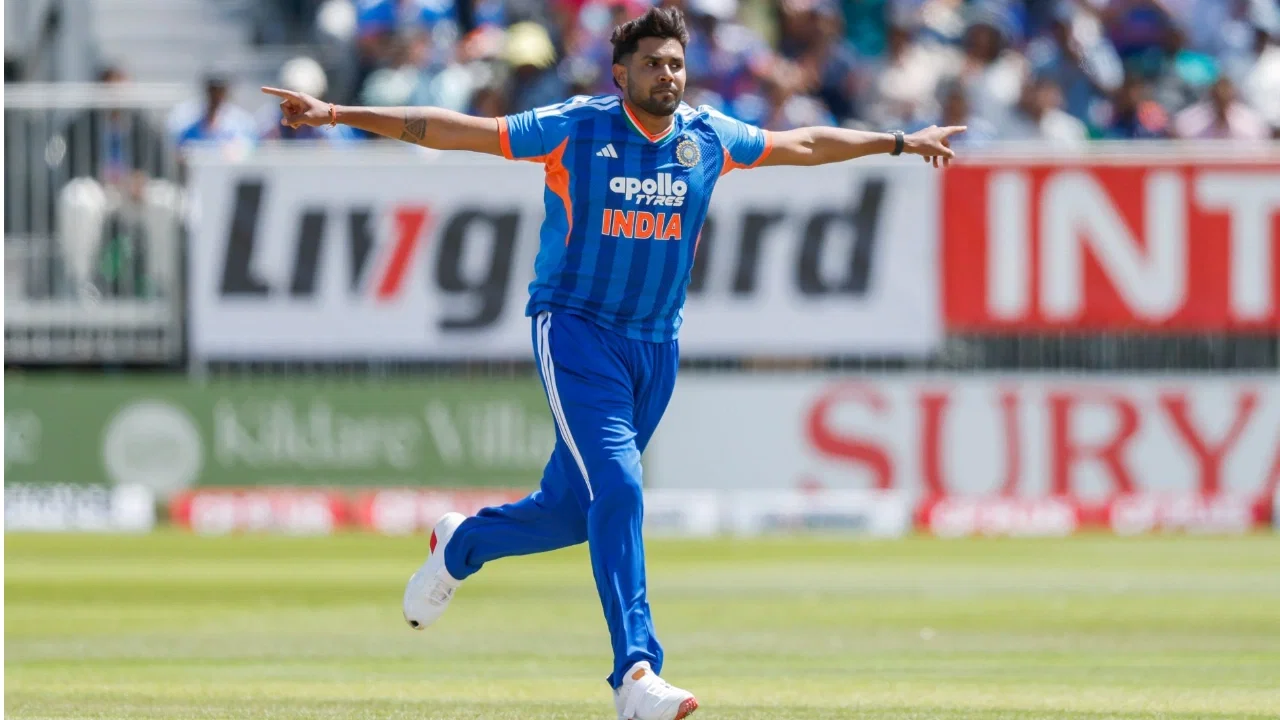
Not India! Harshit Rana to make comeback for this team, date revealed
Virat Kohli breaks Ricky Ponting’s all-time ODI record against New Zealand