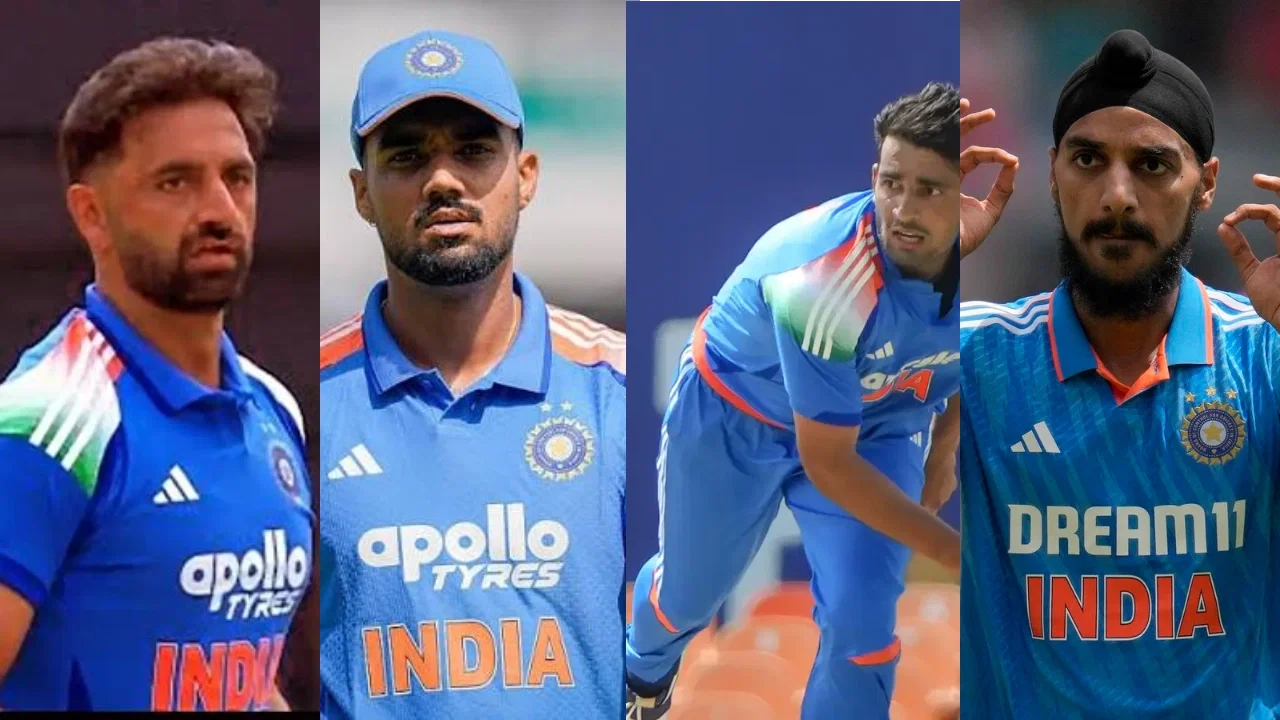
“The last two shots don’t look well”: Shubman Gill slams India batters after 2nd ODI win
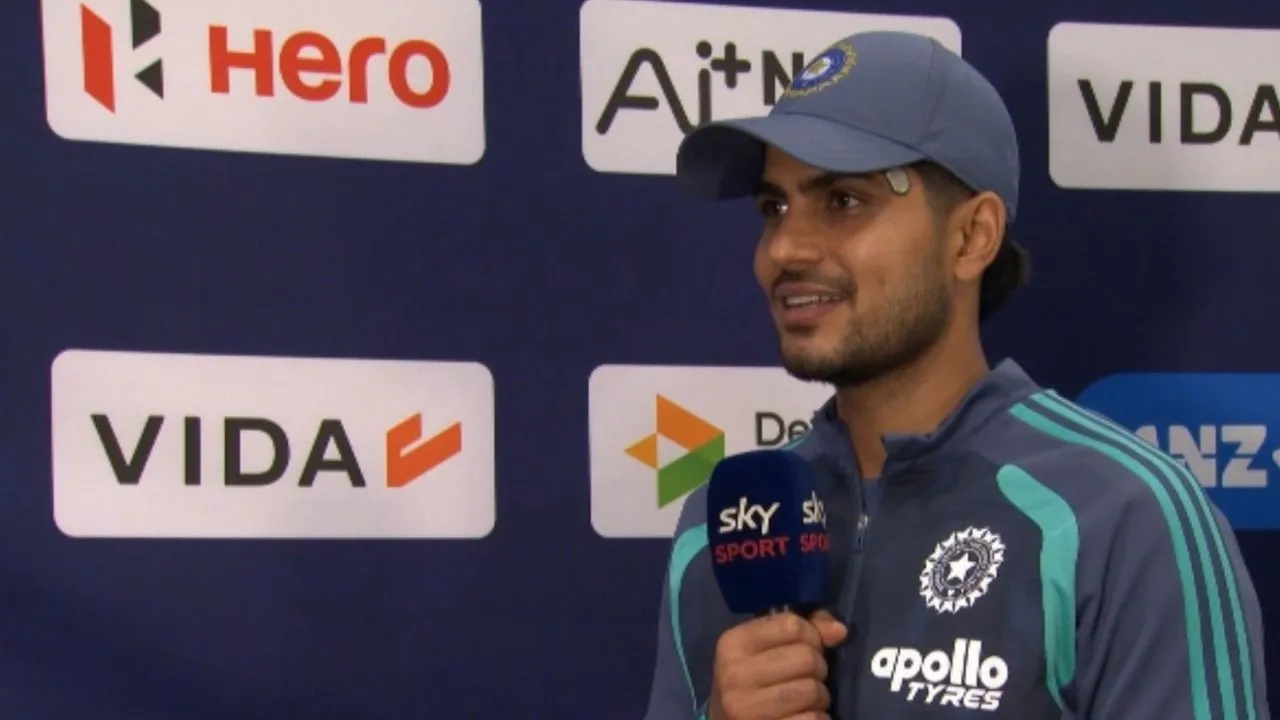
India Edge New Zealand by Four Runs in Rain-Affected Wellington ODI
India secured a dramatic four-run victory over New Zealand under the Duckworth-Lewis-Stern (DLS) method in the second ODI at Wellington’s Hnry Stadium, taking a 2-0 lead in the series. The narrow result followed a match shaped by early rain, a testing pitch and a sustained display of Indian bowling that kept New Zealand to 134.
India appeared to have a manageable target after dismissing the hosts for a modest total. But the chase became tense as wickets fell regularly, leaving the visitors in danger of losing control. Rain ultimately brought the contest to an end with India at 113 for seven—four runs ahead of the DLS par score at that point.
Captain Shubman Gill welcomed the win but was candid about the batting performance. He said the surface was difficult to play on and praised India’s bowlers for restricting New Zealand, while also admitting that his side gave away more wickets than it should have.
India’s Bowlers Put New Zealand Under Pressure
Gill won the toss and chose to field, with both teams making no changes to their line-ups from the previous match. Rain reduced the scheduled innings to 47 overs, adding another variable to a contest already expected to test the batters.
India made an immediate impact with the ball, removing Tim Seifert early. The hosts struggled to build momentum on a surface offering pace and extra bounce, and wickets continued to fall as the Indian attack maintained pressure. New Zealand slumped to 55 for five, leaving the middle order with the task of rebuilding the innings.
Daryl Mitchell provided some resistance, scoring 55 from 104 deliveries, while Mitchell Santner contributed 31. Their partnership helped New Zealand recover from a difficult position, but India broke through before the pair could turn their stand into a substantial total. The innings soon unravelled, and the hosts were bowled out for 134.
Gurnoor Brar led the attack with an impressive 4 for 30 from his 10 overs. Auqib Nabi, Anshul Kamboj and Axar Patel claimed two wickets apiece, giving India a balanced performance across the bowling group. The disciplined effort was especially important in a shortened match, where early breakthroughs can quickly dictate the pace of the game.
Wickets Make India’s Chase Far Tighter Than Expected
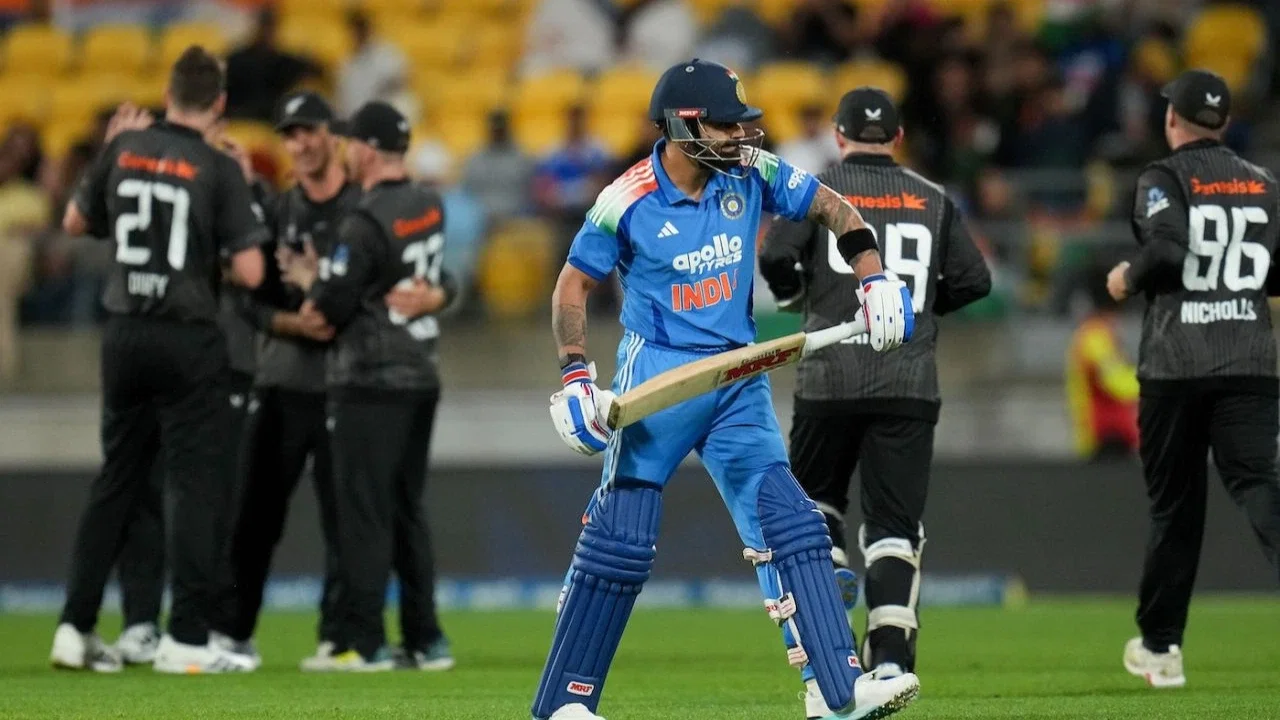
India’s target looked achievable, but the chase never settled into a comfortable rhythm. Gill departed early, followed by Virat Kohli, who made seven. Rohit Sharma and Shreyas Iyer then attempted to steady the innings, but their partnership was cut short when Rohit was dismissed for 23 after playing an attacking shot.
Iyer looked composed as he tried to guide India through the chase, yet he fell for 30 after being unable to get out of the way of a bouncer. Further wickets left India in a precarious position, with seven batters back in the pavilion and the required runs still to be secured.
KL Rahul remained at the crease as the pressure mounted. With rain returning, India were 113 for seven—just ahead of the DLS requirement. The weather persisted, and officials called the match, confirming a four-run victory for the visitors. The result was a close escape rather than a straightforward chase, and the final margin underlined how quickly the match’s prediction had shifted from a likely Indian win to a tense finish.
Gill Praises Brar’s Pace and Potential
Speaking after the match, Gill said India had expected the total to be within reach but acknowledged that the wickets made the chase more difficult than anticipated. He also highlighted the contribution of the bowlers, particularly Brar, whose pace and bounce troubled New Zealand throughout the innings.
Gill said Brar had bowled well in the previous game too and suggested that regular opportunities would help the young fast bowler become more consistent. In his view, Brar already has the key physical qualities for international cricket; the next step is to maintain his line and length under pressure.
The captain also backed India’s younger bowlers more broadly, describing pressure management and experience as crucial parts of their development. International cricket, he noted, demands the ability to deliver consistently across different conditions and situations. Brar’s performance in Wellington offered a promising example of how India’s developing pace options can contribute when given responsibility.
India Captain Criticises Shot Selection
Gill’s praise for the bowling unit was balanced by clear disappointment with India’s batting. He accepted that the pitch was challenging but felt the team lost two more wickets than it should have. He also pointed to the final shots played during the chase, suggesting that better decisions could have prevented the finish from becoming so precarious.
The captain’s comments reflected the fine margins of a DLS contest. Had India been a few runs behind the par score when rain stopped play, the same batting errors could have turned a series-clinching victory into a damaging defeat. Instead, Rahul’s presence and India’s narrow advantage on the revised calculation proved decisive.
What the Result Means for the ODI Series
The win gives India a 2-0 series lead and strengthens the team’s position heading into the next match. The bowling performance will be a major source of confidence: India restricted New Zealand to 134 despite the hosts having time to rebuild through Mitchell and Santner. Brar’s four-wicket haul, supported by contributions from Nabi, Kamboj and Axar, also showed the value of having multiple wicket-taking options.
For India’s batters, however, the Wellington ODI offers a clear reminder that a modest target is not automatically a simple one. New Zealand’s bowlers exploited the conditions, while India’s loose shots allowed the chase to remain alive. If the visitors are to finish the series strongly, they will need to pair their effective bowling with more measured decision-making at the crease.
New Zealand, meanwhile, will take encouragement from making India work for every run despite being dismissed for a low total. The hosts’ early collapse proved costly, but their bowlers created a contest from a position that initially appeared difficult to defend. In a match decided by just four runs on the DLS method, both teams were left with lessons—and India with the crucial series advantage.
Latest News
BCCI president Mithun Manhas gets relief as Jammu court rejects date-of-birth fraud complaint
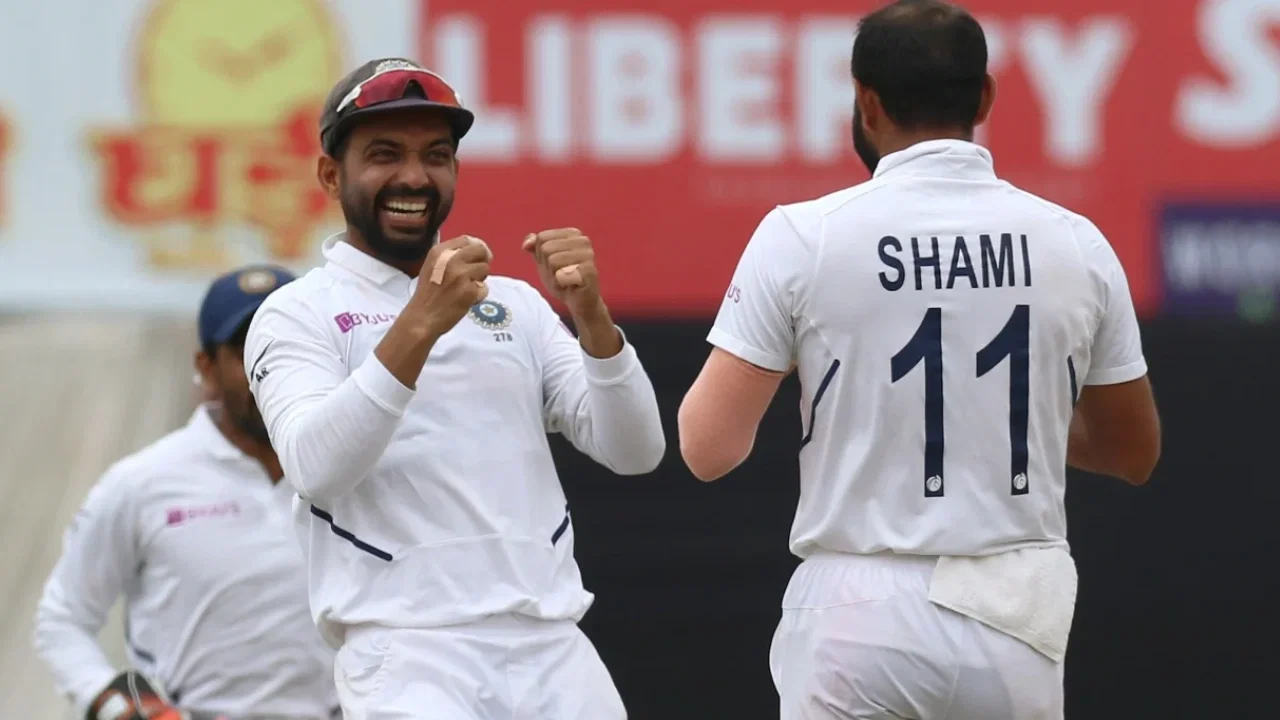
Ajinkya Rahane reveals Mohammed Shami’s unusual recovery routine after a match

Mitchell Santner praises Indian bowlers after New Zealand collapse in 2nd ODI
“The last two shots don’t look well”: Shubman Gill slams India batters after 2nd ODI win
Gurnoor Brar credits Shubman Gill for backing him after POTM performance against New Zealand
‘All wanted you to have a comeback’: Laxmi Ratan Shukla disappointed over Mohammed Shami’s retirement
Mohammed Shami’s top 3 greatest performances in Test cricket
Madhya Pradesh name Rajat Patidar captain for SMAT 2026-27
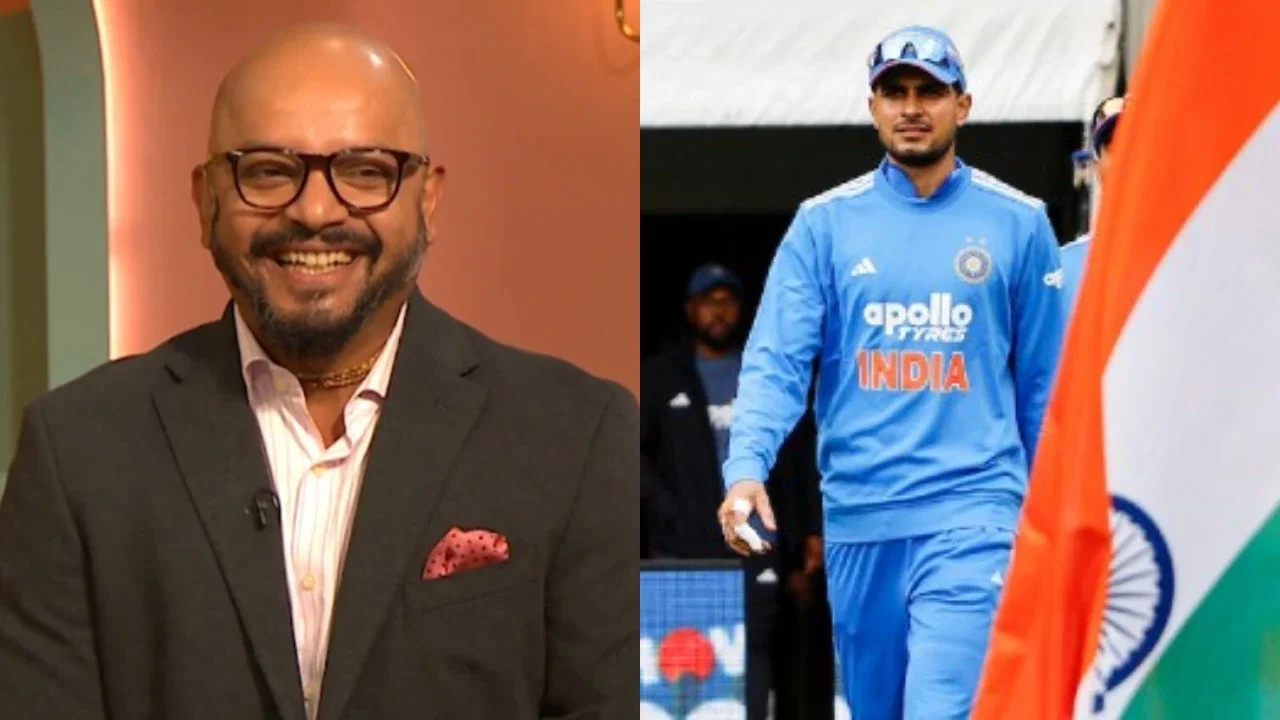
Murali Kartik highlights repeated batting mistakes despite India taking 2-0 lead against New Zealand
England suffer injury blow as Josh Tongue is ruled out of white-ball series against Australia
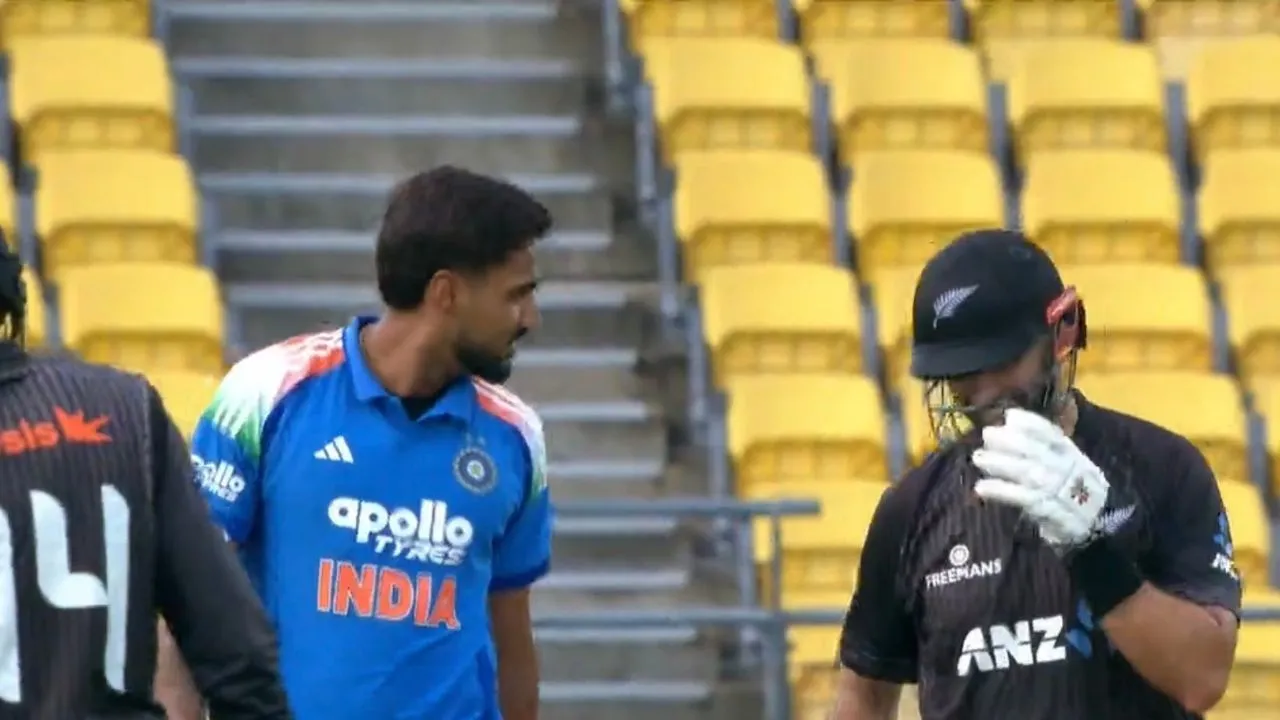
Watch: Gurnoor Brar and Daryl Mitchell involved in heated exchange during 2nd ODI

Mohsin Khan to leave LSG? Two IPL franchises show interest
Not India! Harshit Rana to make comeback for this team, date revealed
Virat Kohli breaks Ricky Ponting’s all-time ODI record against New Zealand