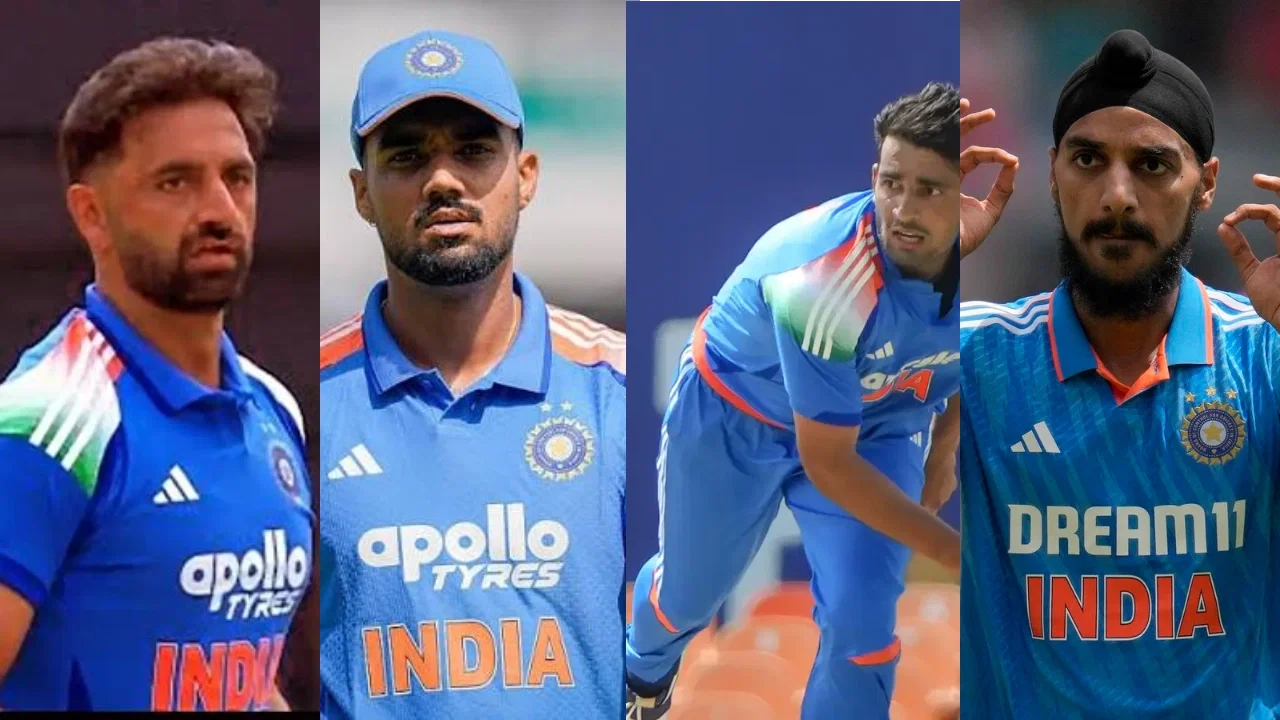
Gurnoor Brar credits Shubman Gill for backing him after POTM performance against New Zealand
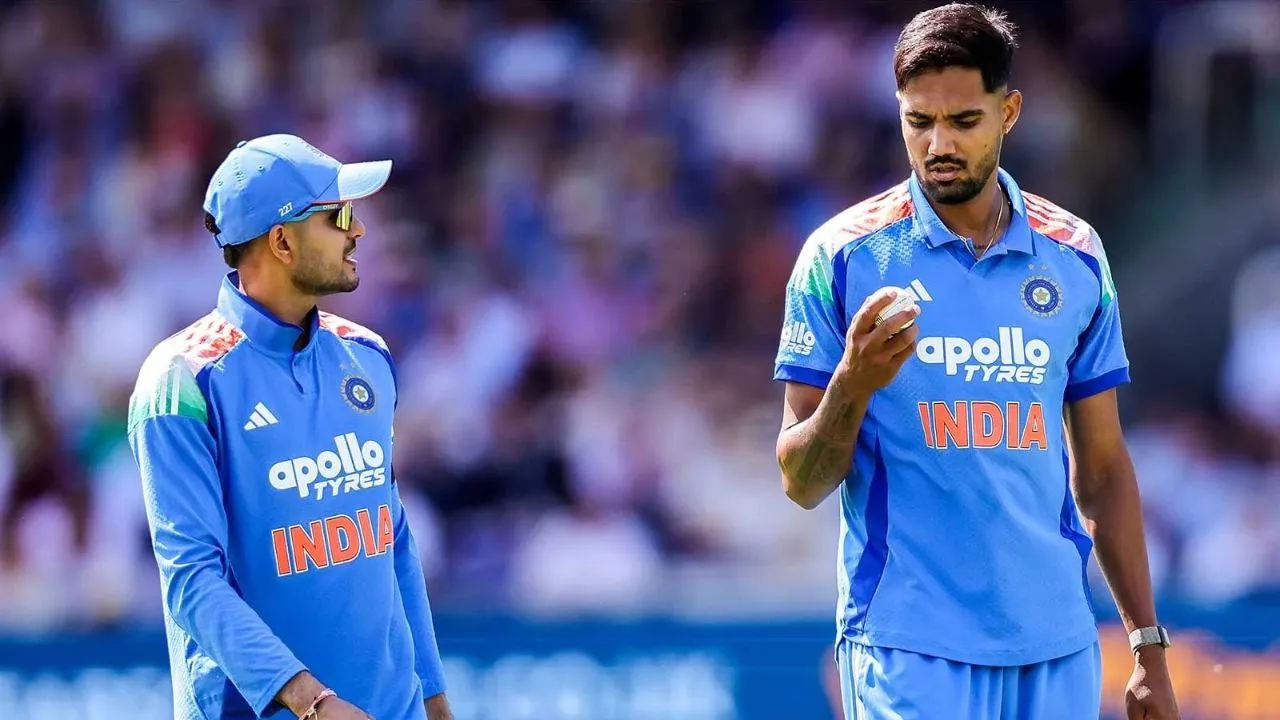
Gurnoor Brar’s Four-Wicket Spell Gives India Control Against New Zealand
India fast bowler Gurnoor Brar delivered a composed, disciplined performance against the New Zealand National Cricket Team in the second match of the five-game ODI series, earning Player of the Match honours on Saturday, November 7. Brar claimed four wickets from his full 10 overs, conceded runs at an economy rate of 3.00 and bowled two maiden overs, helping India secure another important result in the series.
Conditions offered some assistance, but Brar’s spell was built on more than a helpful pitch or weather. The young pacer said afterwards that he focused on a clear plan, trusted his natural strengths and adjusted his approach as the innings developed. His performance underlined a valuable lesson in one-day cricket: disciplined execution can be just as influential as raw pace or a complicated strategy.
Brar’s Simple Plan: Hit the Right Lengths
Speaking to reporters after the match, Brar explained that he did not set out to produce anything unusual. Instead, he concentrated on repeatedly bowling in the right areas and making New Zealand’s batters work for their runs. He began with fuller deliveries, aiming to encourage drives and bring the possibility of an edge or a misjudged shot into play.
Once the batters had begun to settle, Brar introduced short-pitched deliveries to disrupt their rhythm. The change of length gave him another option without taking him away from his central plan. Rather than relying on surprise alone, he used the bouncer selectively, choosing the right moment to vary his attack.
“My plan was simple—to hit my lengths and back my skills. Every day is a learning opportunity to get better and make sure I adapt. I was looking to bowl full earlier and then use my bouncer at the right moment,” Brar said.
That approach proved effective across a full 10-over spell. By keeping his economy rate at three runs per over, Brar applied pressure even between breakthroughs. In limited-overs cricket, that control can shape an innings: batters may feel compelled to take risks against other bowlers when scoring opportunities become scarce.
India’s Team Management Has Continued to Back the Pacer
Brar also credited the Indian team management for supporting him during a challenging period. He said the backing mattered particularly on flatter pitches in India, where fast bowlers can find it difficult to create opportunities and may concede runs despite sticking to their plans.
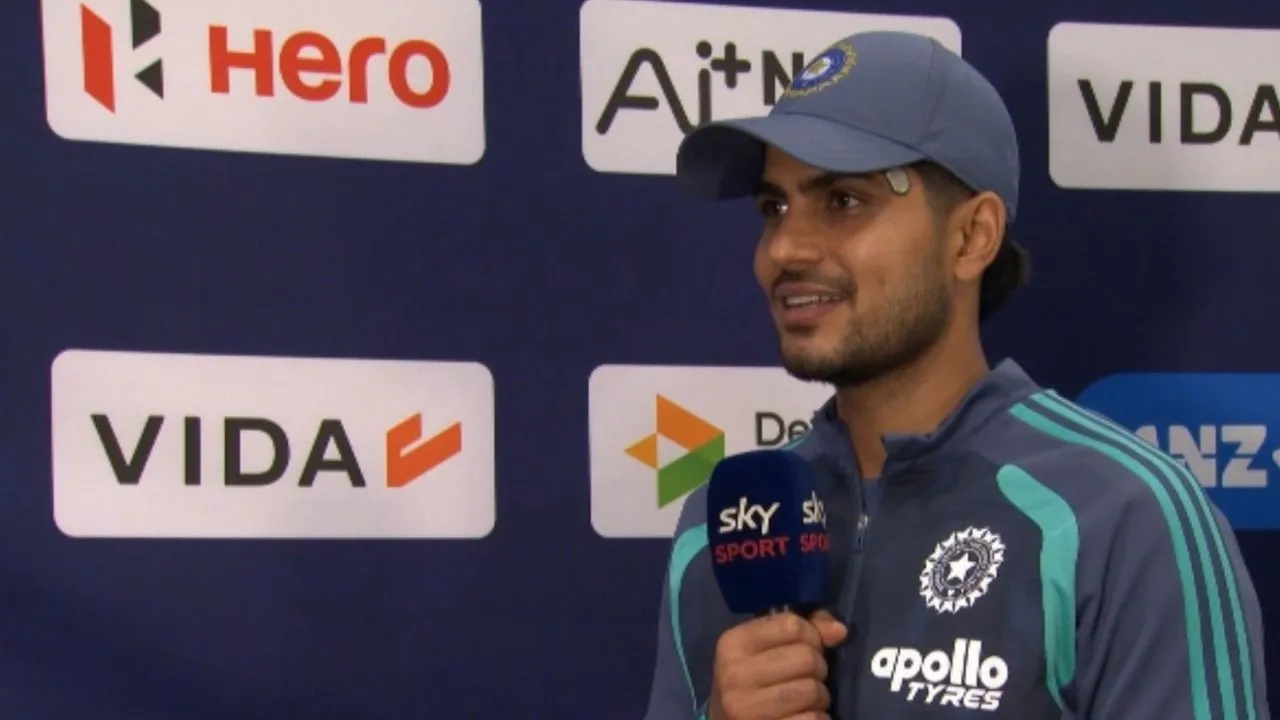
According to Brar, the message from the management was to trust his lengths and bowl with confidence. He singled out captain Shubman Gill for encouraging the players and maintaining faith in them, rather than judging them solely on individual performances.
“Backing is very important for every player. There were flat tracks in India, but we were backed there too by the management. They asked me to back my lengths and said, ‘khul ke ball daal’—bowl freely. Shubman Gill backs everyone and doesn’t judge by performance,” Brar said.
That confidence can be especially important for a developing fast bowler. International cricket offers little time to recover from an expensive over or a difficult match, and a player’s ability to respond often depends on the support around him. Brar’s latest performance suggests he was able to turn earlier challenges into a more assured display.
Learning from Difficult Matches and Senior Players
The 26-year-old acknowledged that his international career has already included difficult days. He described experiences in Guwahati and at Lord’s as demotivating, but said those matches also provided lessons that helped him understand the demands of high-level cricket.
Brar pointed to conversations and net sessions with senior Indian players, including Virat Kohli and Rohit Sharma, as valuable parts of his development. He also credited Gill for sharing advice. Access to experienced players can help a young bowler refine details such as how to set up a batter, when to change the length and how to stay composed when a plan is not working immediately.
“Matches in Guwahati and Lord’s were demotivating, but it was important to learn from that. I had open nets with Virat and Rohit bhai, and they gave me a lot of input—same from Shubman,” Brar said.
His comments offer a glimpse into the preparation behind a standout performance. A four-wicket haul may be decided by what happens during the match, but the confidence to repeat a delivery, make a timely adjustment or recover from a setback is often developed over many training sessions and conversations.
Umesh Yadav’s Advice Adds Another Perspective
Brar also highlighted the influence of Umesh Yadav, whose return to domestic cricket with Punjab drew attention after he took five wickets against Assam. Brar said he watched Yadav closely and sought his advice on maintaining consistent lengths—an area that can determine whether a fast bowler controls an innings or allows batters to score freely.
“I also played Ranji Trophy, and those overs helped. I learnt a lot from Umesh Yadav paaji. He took a five-for in his first match, and I saw how consistently he could hit his lengths. So I asked him about lengths, and he gave me a lot of input,” Brar said.
The exchange reflects the value of experience across generations of Indian fast bowlers. While pace, fitness and skill remain essential, small adjustments to line and length can make a major difference, particularly in ODI cricket, where bowlers must balance wicket-taking intent with control.
What Brar’s Performance Could Mean for India
Brar’s spell gives India an encouraging option as the ODI series continues. His ability to bowl a full quota economically, take wickets and vary his pace and length offers the team flexibility. The performance also strengthens the case for patience with emerging players, especially when they are learning to handle different surfaces and conditions.
Any prediction about the remainder of the series will depend on how both teams adapt, but Brar’s display provides India with a positive sign. If he continues to trust his basic plan while making smart adjustments, he could become an increasingly useful part of the bowling attack. For now, the key takeaway is straightforward: Brar’s four-wicket performance was not built on a complicated formula, but on preparation, support and the discipline to execute his skills when the opportunity arrived.
Latest News
BCCI president Mithun Manhas gets relief as Jammu court rejects date-of-birth fraud complaint
Ajinkya Rahane reveals Mohammed Shami’s unusual recovery routine after a match

Mitchell Santner praises Indian bowlers after New Zealand collapse in 2nd ODI
“The last two shots don’t look well”: Shubman Gill slams India batters after 2nd ODI win
Gurnoor Brar credits Shubman Gill for backing him after POTM performance against New Zealand
‘All wanted you to have a comeback’: Laxmi Ratan Shukla disappointed over Mohammed Shami’s retirement
Mohammed Shami’s top 3 greatest performances in Test cricket
Madhya Pradesh name Rajat Patidar captain for SMAT 2026-27
Murali Kartik highlights repeated batting mistakes despite India taking 2-0 lead against New Zealand
England suffer injury blow as Josh Tongue is ruled out of white-ball series against Australia
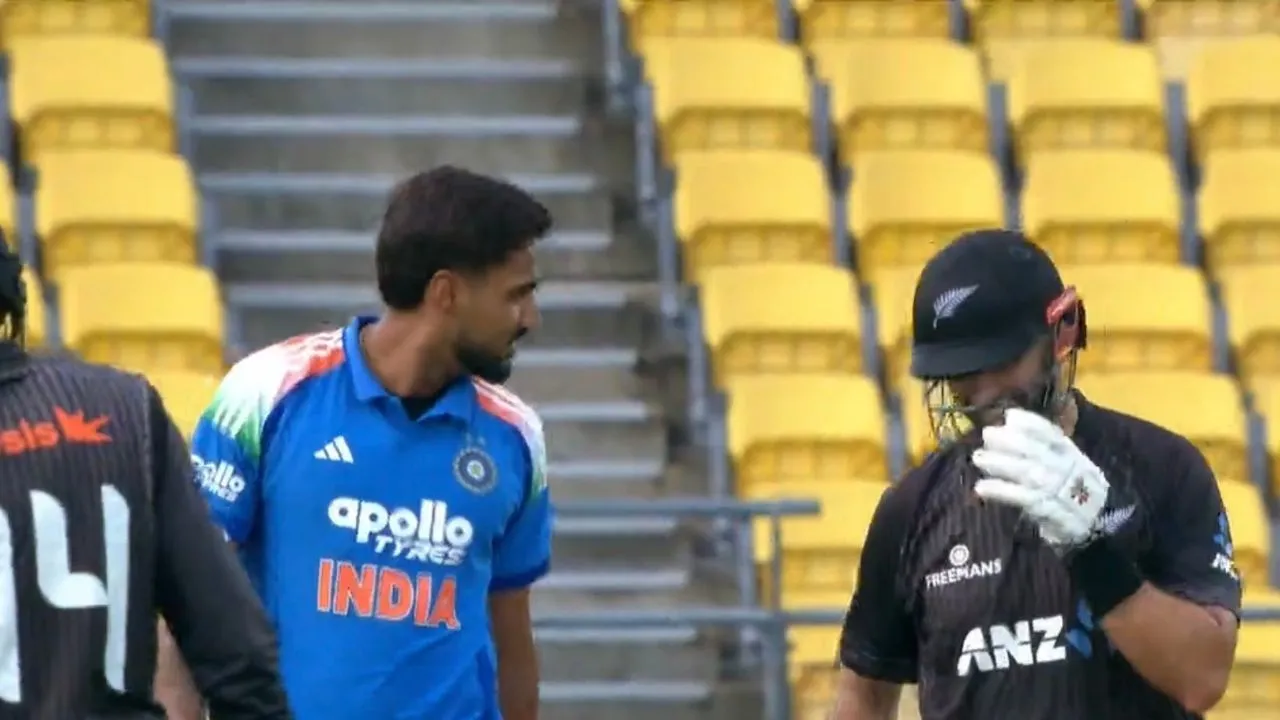
Watch: Gurnoor Brar and Daryl Mitchell involved in heated exchange during 2nd ODI

Mohsin Khan to leave LSG? Two IPL franchises show interest
Not India! Harshit Rana to make comeback for this team, date revealed
Virat Kohli breaks Ricky Ponting’s all-time ODI record against New Zealand