Murali Kartik highlights repeated batting mistakes despite India taking 2-0 lead against New Zealand
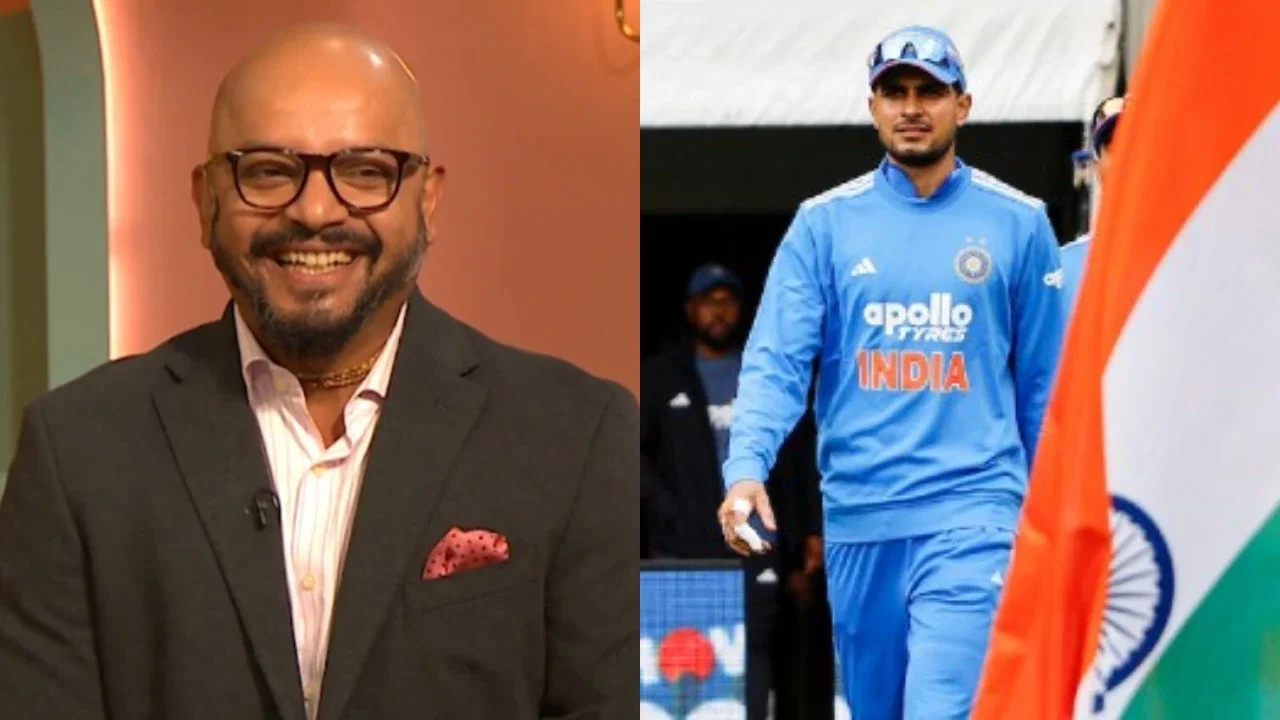
Murali Kartik Says Rain-Shortened India–New Zealand ODI Could Have Gone Either Way
India secured a four-run victory over New Zealand in a rain-affected second ODI at Wellington’s Hnry Stadium, but former India spinner and commentator Murali Kartik believes the contest was far from settled when the weather intervened. With India needing 22 more runs and only three wickets remaining, Kartik said the closing stages could have produced a very different result.
The Duckworth-Lewis-Stern (DLS) method confirmed India’s win after persistent rain ended the match on Saturday, November 7. The result gave the visitors a 2-0 lead in the five-match ODI series. Yet the narrow margin and India’s position at the crease made the outcome a talking point: the team was ahead of the DLS par score, but still had a challenging chase to complete.
India Take a 2-0 Series Lead After a Tense DLS Finish
India captain Shubman Gill chose to bowl first under overcast skies, and his decision paid off quickly. New Zealand lost three wickets for just 29 runs during the powerplay, putting the home side under pressure before its innings had properly gathered momentum.
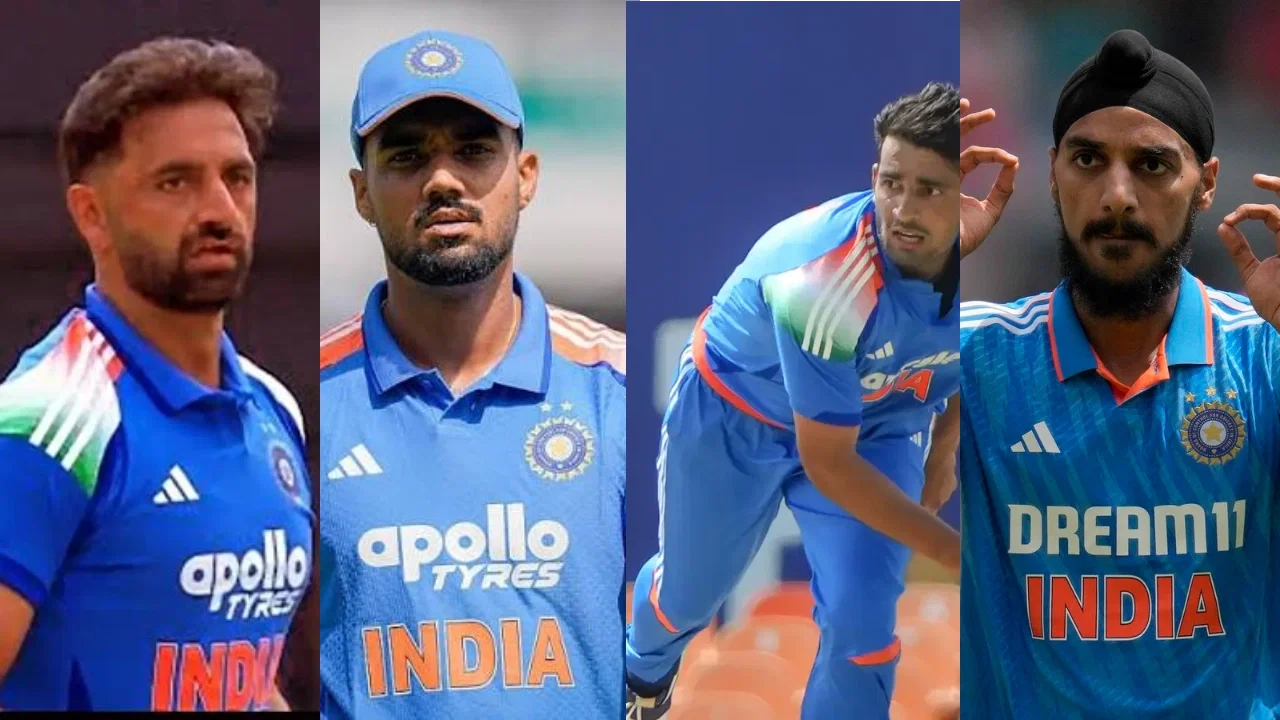
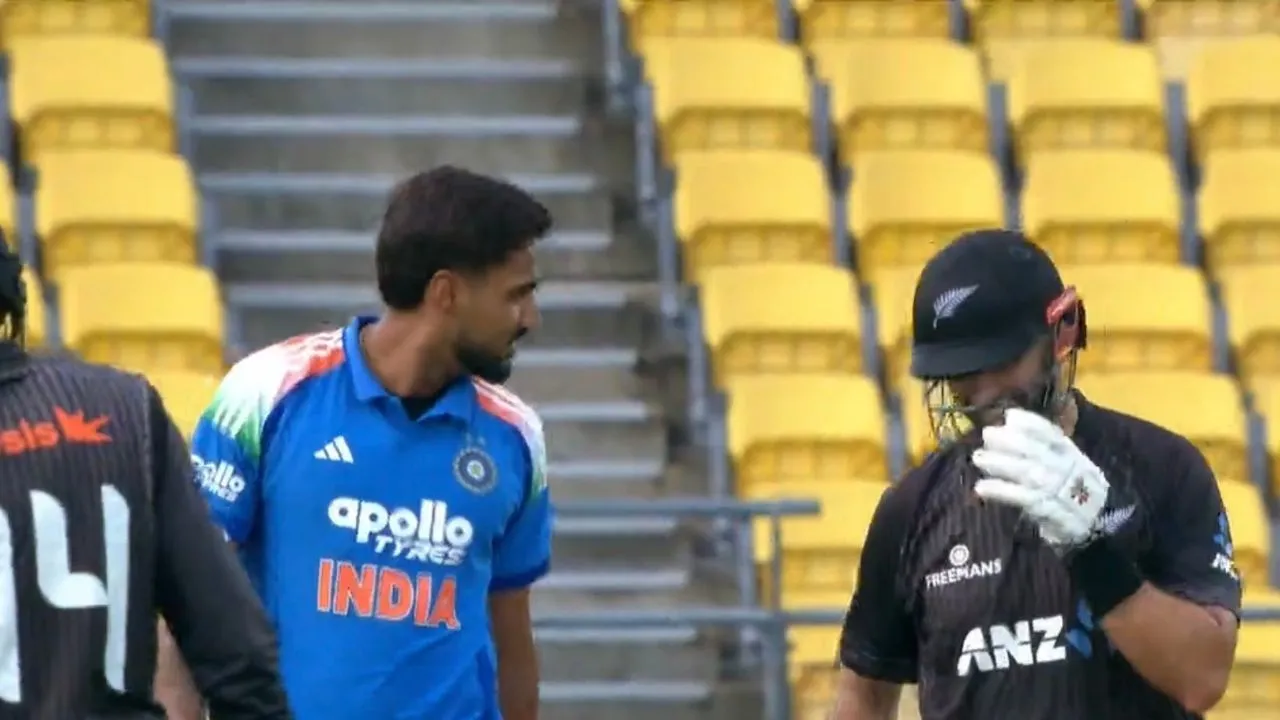
Gurnoor Brar led India’s attack with a career-best return of four wickets for 30 runs. Anshul Kamboj, Axar Patel and Auqib Nabi added two wickets apiece, ensuring New Zealand struggled to build partnerships. Daryl Mitchell was the hosts’ most effective batter, scoring 55 from 104 deliveries, but he received limited support as wickets continued to fall.
New Zealand were eventually dismissed for 134 in 41 overs. Although that total appeared modest, the conditions and the quality of the home side’s bowling meant India still had work to do. A low target does not always guarantee a straightforward chase, particularly when the ball is moving and wickets are falling at regular intervals.
New Zealand Bowlers Keep India Under Pressure
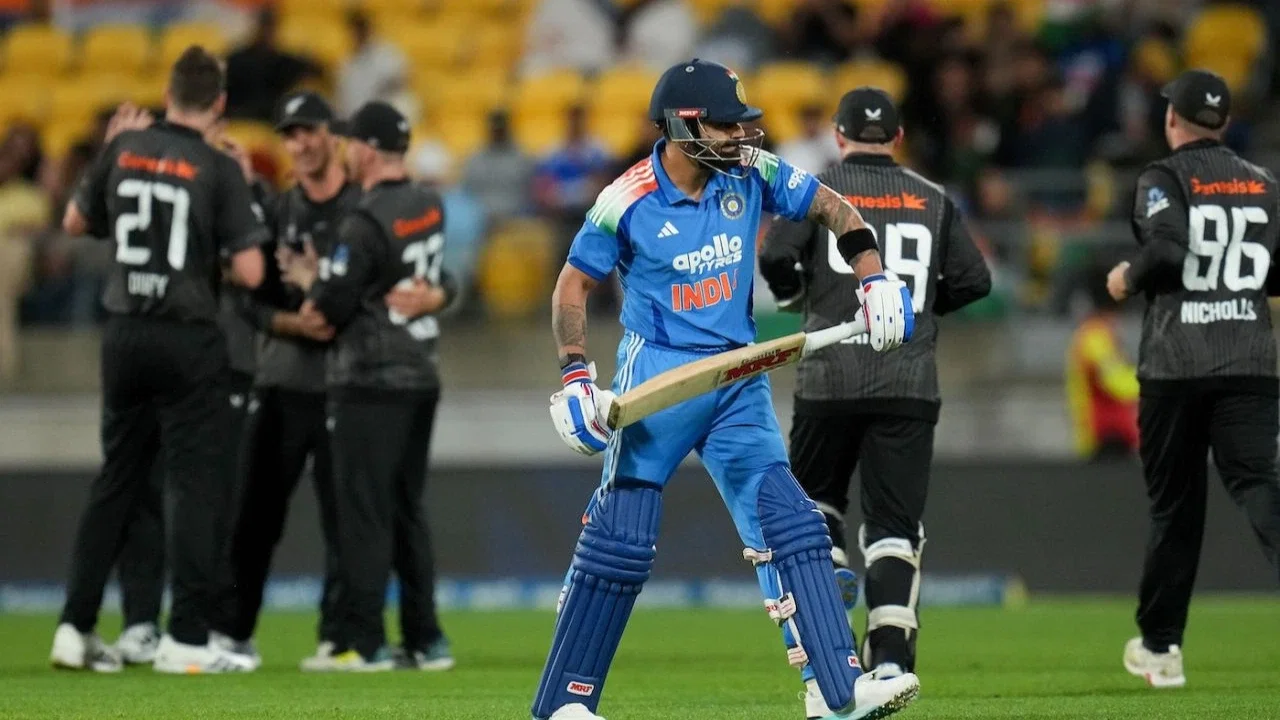
India’s pursuit began badly when Jacob Duffy dismissed Gill for a golden duck in the second over. Duffy then removed Virat Kohli for seven, giving New Zealand an early opening. Kyle Jamieson added to India’s difficulties by sending Rohit Sharma back for 23 from 28 balls.
Shreyas Iyer made 30, but his dismissal left India needing a steady contribution from the lower order. By the time rain stopped play after 26 overs, India were 113 for seven. KL Rahul was unbeaten on 26, while Auqib Nabi had scored one. India required 22 runs to reach the target of 135, but their immediate position was complicated by the loss of seven wickets.
Under the DLS calculation, India’s par score at the stoppage was 109. The team was therefore four runs ahead of that mark, which was enough for the official result to be awarded in its favour when the heavy rain made a restart impossible. The DLS method adjusts targets and par scores according to overs and wickets available, helping determine a result when a limited-overs match cannot be completed.
Kartik: The Prediction Was Difficult With Three Wickets Left
Speaking on Cricbuzz, Kartik described the win as hard-fought and stressed that the match remained open. India had the advantage under the DLS calculation, but the scoreboard situation suggested that the final phase could have been tense if play had resumed.
“Whether it was DLS or no DLS, it was a close one; India needed 22 runs more, and it could have gone either way,” Kartik said. He also noted that India had only three wickets in hand after Anshul Kamboj’s dismissal, leaving Rahul as the only established batter at the crease.
Kartik’s assessment captures the uncertainty that often defines rain-affected cricket. A team can be ahead of the required DLS score yet remain vulnerable, especially when it has few wickets left and a substantial number of runs still to collect. Had the weather cleared, New Zealand could have applied pressure with attacking fields, while Rahul would have needed to balance caution with the need to keep the chase moving.
India’s Bowling Stands Out, but Batting Concerns Remain
While Kartik praised India’s bowlers for restricting New Zealand to 134, he also pointed to a recurring concern in the batting performance: wickets fell regularly, preventing the visitors from establishing a dependable partnership. The early losses of Gill and Kohli put pressure on the middle order, and India never fully controlled the chase.
That pattern will matter beyond this single result. A 2-0 series lead gives India a strong position, but the remaining matches offer an opportunity to improve their batting rhythm and build longer stands. In close contests, partnerships can reduce the pressure on the lower order and make a target more manageable—even when the conditions favour the bowlers.
India’s bowlers, meanwhile, can take considerable confidence from their disciplined performance. Brar’s four-wicket haul was the standout contribution, supported by a collective effort that prevented New Zealand from posting a more competitive total. Restricting the hosts gave India enough room to stay ahead of the DLS par score when rain brought the chase to an abrupt end.
What the Result Means for the ODI Series
India will be pleased to take a 2-0 advantage, but the Wellington match offered little certainty about how the contest might have finished without the weather. Kartik’s prediction that either side could have won reflects the balance of the game: India had the DLS edge, while New Zealand still had an opportunity to exploit the visitors’ limited wickets.
For New Zealand, the defeat will be frustrating after a strong bowling effort kept India under pressure. For India, the result is valuable, but the close finish also highlights areas to address as the series continues. The visitors have demonstrated their ability to defend a low total and produce key spells with the ball; now, they will look to turn promising starts into more composed batting performances.
Ultimately, the Wellington ODI was decided by a combination of India’s early bowling success, New Zealand’s disciplined attack and the rain-enforced DLS calculation. The four-run margin may appear narrow, but it has given India a significant series lead—while leaving fans to wonder how the final 22 runs might have unfolded.
Latest News
BCCI president Mithun Manhas gets relief as Jammu court rejects date-of-birth fraud complaint
Ajinkya Rahane reveals Mohammed Shami’s unusual recovery routine after a match

Mitchell Santner praises Indian bowlers after New Zealand collapse in 2nd ODI
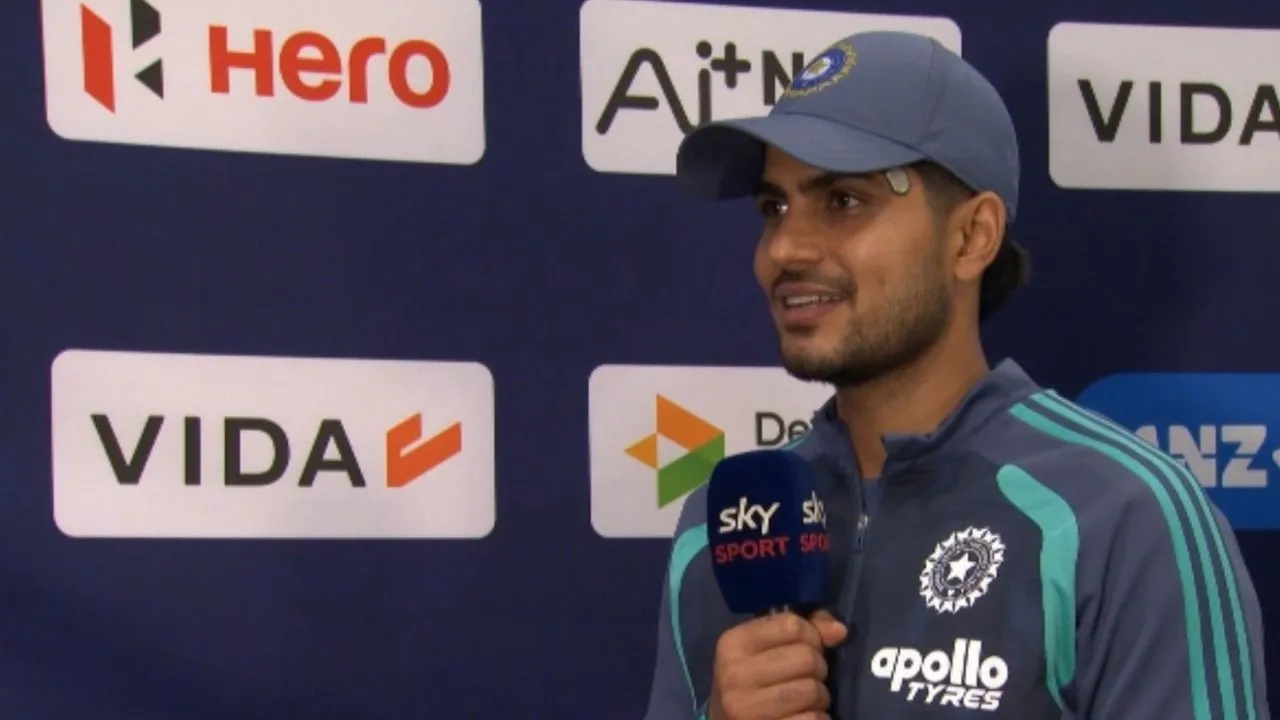
“The last two shots don’t look well”: Shubman Gill slams India batters after 2nd ODI win
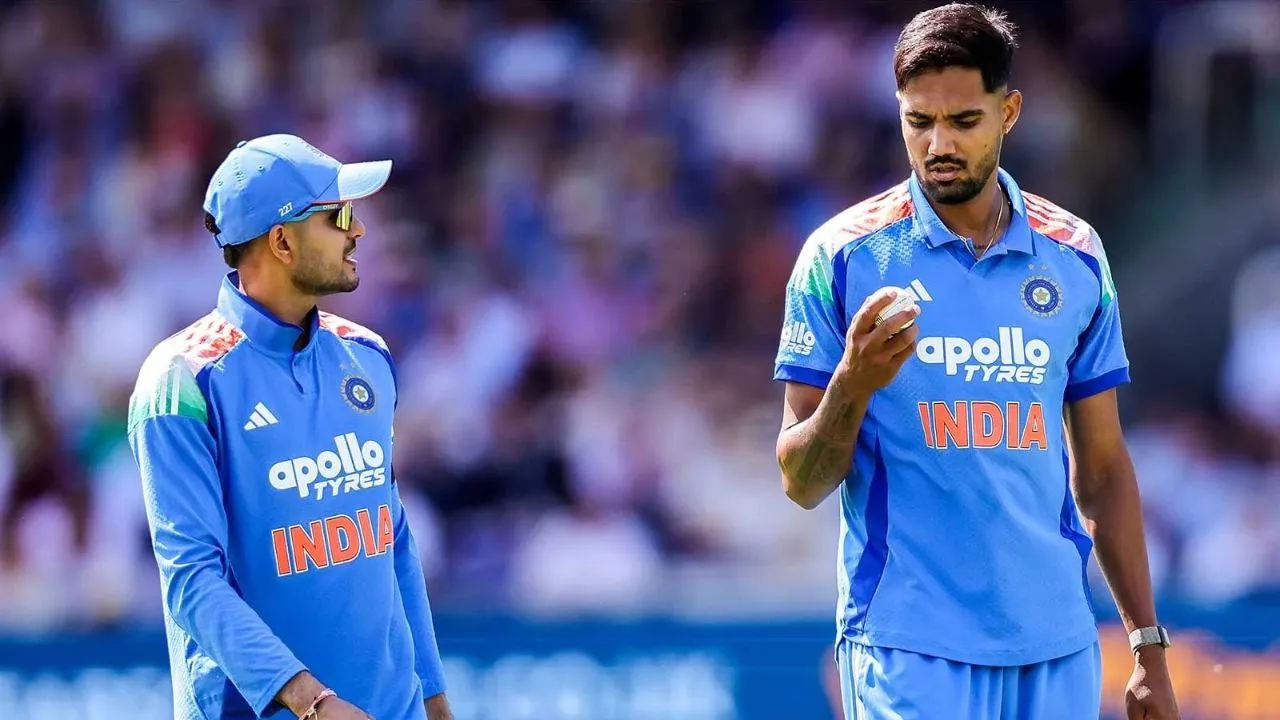
Gurnoor Brar credits Shubman Gill for backing him after POTM performance against New Zealand
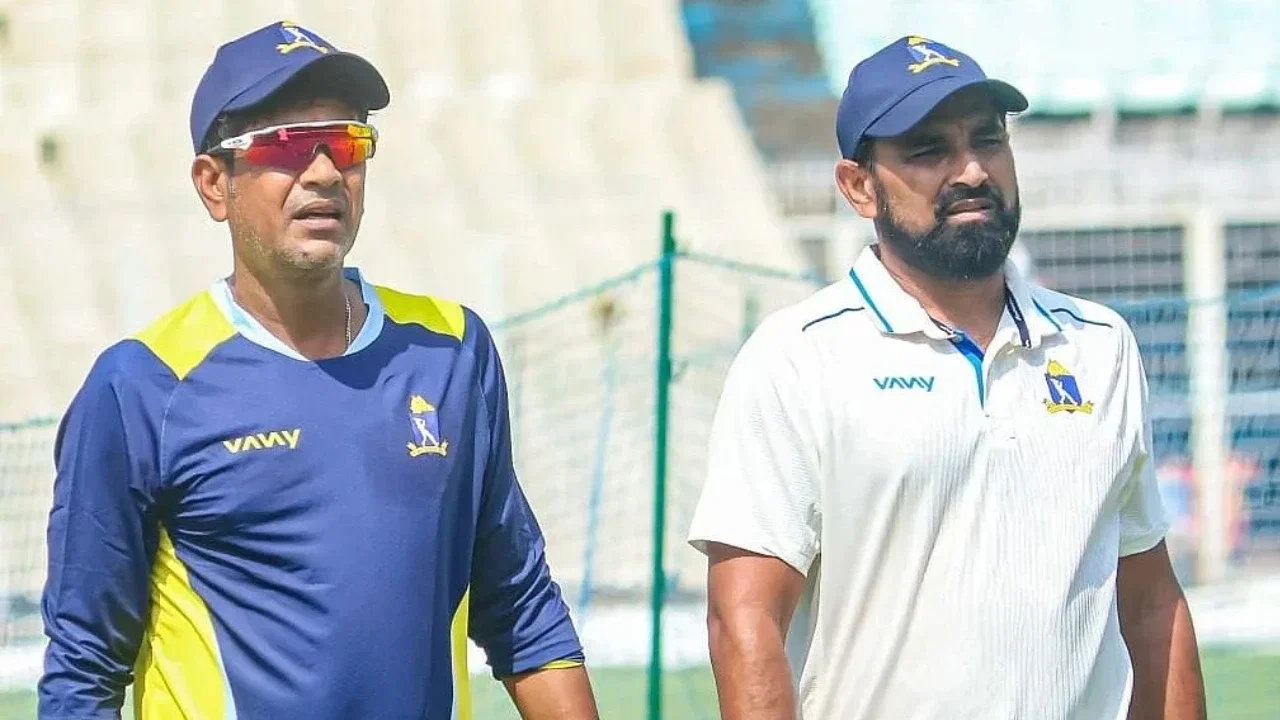
‘All wanted you to have a comeback’: Laxmi Ratan Shukla disappointed over Mohammed Shami’s retirement

Mohammed Shami’s top 3 greatest performances in Test cricket
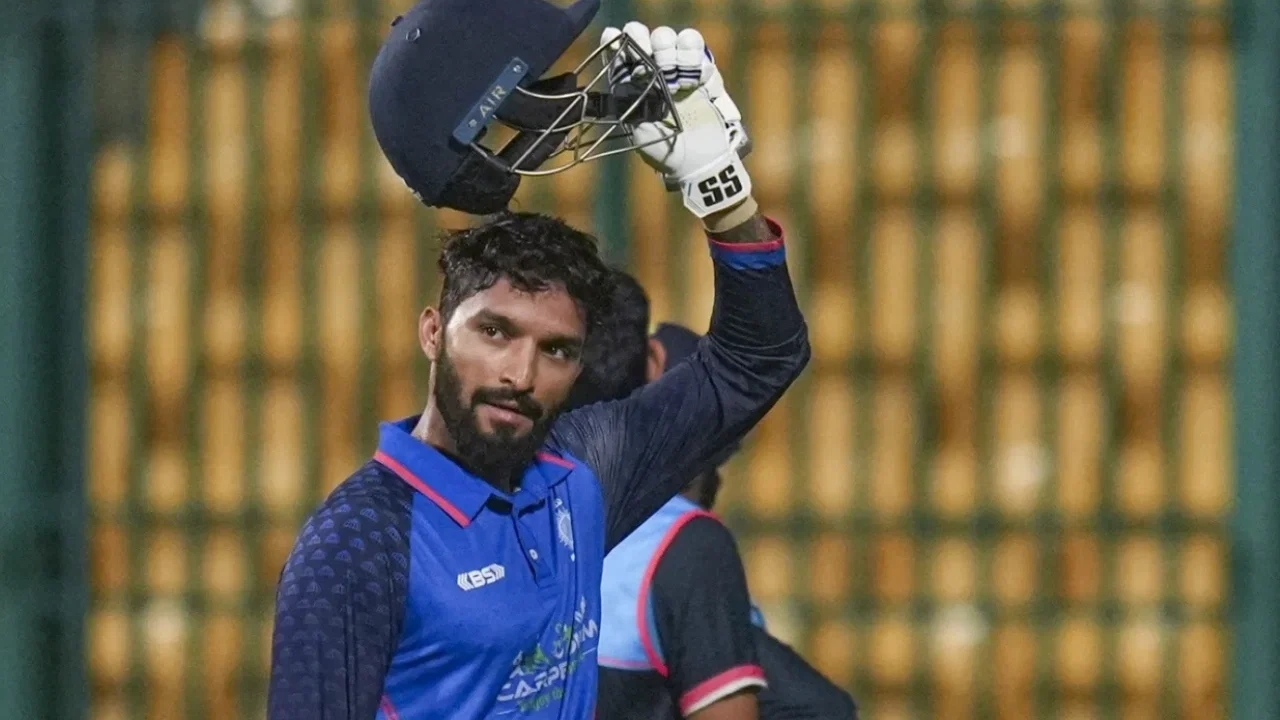
Madhya Pradesh name Rajat Patidar captain for SMAT 2026-27
Murali Kartik highlights repeated batting mistakes despite India taking 2-0 lead against New Zealand

England suffer injury blow as Josh Tongue is ruled out of white-ball series against Australia
Watch: Gurnoor Brar and Daryl Mitchell involved in heated exchange during 2nd ODI

Mohsin Khan to leave LSG? Two IPL franchises show interest
Not India! Harshit Rana to make comeback for this team, date revealed
Virat Kohli breaks Ricky Ponting’s all-time ODI record against New Zealand