England suffer injury blow as Josh Tongue is ruled out of white-ball series against Australia

Josh Tongue Ruled Out of England’s Australia White-Ball Tour With Toe Injury
England’s preparations for a demanding white-ball tour of Australia have suffered an early setback, with fast bowler Josh Tongue ruled out of the entire campaign because of a toe injury. The tour features three one-day internationals (ODIs) and five Twenty20 internationals (T20Is), giving Harry Brook’s side a significant test against one of cricket’s strongest teams in its own conditions.
Tongue had travelled to Australia with the England squad and was involved in unofficial warm-up matches before the series. He will now return to the United Kingdom for further medical assessment. The England and Wales Cricket Board (ECB) has not yet named a replacement, leaving the team management to consider which fast bowler best fits the demands of the tour.
Injury setback for England’s pace attack
Tongue’s absence is a disappointment for England, particularly as the 28-year-old has been building his international experience and had the opportunity to make a stronger impression in Australia. His pace and ability to challenge batters with bounce could have offered Brook another option across the ODI and T20I formats.
England may turn to Matthew Potts, who is known for hitting a hard length and has previously been considered when the team needed an injury replacement. Craig Overton is another possible candidate. Both could provide useful depth, although the final decision may depend on the balance of the squad, the conditions and whether England want a like-for-like fast-bowling option.
Australian pitches can reward bowlers who consistently extract bounce, but conditions vary from venue to venue. England will need a pace group capable of adapting quickly, especially in the shorter formats, where batters are likely to attack from the outset. Whoever replaces Tongue will have limited time to settle into the tour and understand the team’s plans.
Tongue’s early international record
Tongue is still at an early stage of his white-ball career. He made his T20I debut against India on July 4, conceding 46 runs without taking a wicket in his four overs. His response in the following match was far more encouraging: he claimed four wickets for 28 runs and went on to finish the series with seven wickets.
His ODI opportunities have been more limited. Tongue played two matches against India, taking one wicket in his first appearance on July 14. Across his five white-ball international appearances, he has collected five wickets. Those figures reflect a bowler still adapting to the pace and tactical demands of international limited-overs cricket, rather than a finished product.
Across all formats, Tongue has taken 46 wickets in 17 matches. His progress in the longer format has helped bring him into England’s wider plans, and the Australia tour could have been an important chance to develop his white-ball game. For now, the priority will be recovery and a full assessment of the toe injury before any return-to-play timeline is established.
England seek a response after mixed white-ball results
England arrive in Australia with a record that offers both encouragement and caution. Under Brook’s leadership, they have enjoyed strong results at home, winning series against India and Sri Lanka. Those performances suggested that England’s white-ball side could be building momentum, with several players contributing across batting and bowling.
However, their results have been less convincing away from home. England struggled in a tri-series involving Pakistan, losing three matches in a row and failing to reach the final. That run highlighted the challenge of maintaining consistency when conditions, opposition tactics and pressure change. The Australia series will provide a much tougher measure of how well the team has addressed those problems.
England’s position in the ODI rankings—eighth—adds further importance to the tour. A competitive performance against Australia could help rebuild confidence and provide valuable momentum, while also giving the selectors a clearer picture of the squad ahead of future international commitments. The five-match T20I series should offer additional opportunities to test combinations, assess emerging players and refine England’s approach to the format.
Australia presents a difficult test
Recent history gives England reason to be wary. Their previous Ashes tour of Australia ended in a 4–1 series defeat, while their last ODI series in the country saw Australia complete a 3–0 sweep. Those results underline how difficult it can be for visiting teams to succeed against Australia, particularly when the hosts control the tempo and make the most of familiar conditions.
England have at least made a positive start to their current preparations, beating Western Australia Men in a warm-up match. A practice-game victory can help build confidence, but it is not a substitute for the intensity of an international contest. The team will need to translate that form into disciplined performances against Australia’s experienced batting and bowling line-ups.
For Brook, the central challenge will be finding the right balance between aggression and control. England’s attacking identity can put opponents under pressure, but Australian bowlers are likely to test their shot selection and patience. With Tongue unavailable, the remaining fast bowlers will also face greater responsibility to take wickets and manage the middle overs.
Series prediction: opportunity and pressure for England
Any prediction for the series must account for Australia’s strong home record and England’s uneven results away from home. Australia will begin as a formidable opponent, especially in the ODIs, where its familiarity with local conditions could be decisive. England, however, have enough talent to make the contest competitive if their top order performs consistently and the bowling attack adapts quickly.
The T20I series may offer England a more open route to success, as short-format matches can turn on a single spell or partnership. The five games should also give Brook’s side time to adjust after the opening fixtures. Much will depend on how effectively England replace Tongue and whether their recent home form can travel with them.
For supporters, the tour is more than a chance to measure England against Australia. It is a test of the team’s resilience, depth and ability to respond after setbacks. Tongue’s injury is an unwelcome complication, but it also creates an opportunity for another bowler to step forward. England will hope that the replacement can make an immediate contribution as they aim to reverse their recent fortunes in Australia.
Latest News
BCCI president Mithun Manhas gets relief as Jammu court rejects date-of-birth fraud complaint
Ajinkya Rahane reveals Mohammed Shami’s unusual recovery routine after a match

Mitchell Santner praises Indian bowlers after New Zealand collapse in 2nd ODI

“The last two shots don’t look well”: Shubman Gill slams India batters after 2nd ODI win
Gurnoor Brar credits Shubman Gill for backing him after POTM performance against New Zealand
‘All wanted you to have a comeback’: Laxmi Ratan Shukla disappointed over Mohammed Shami’s retirement

Mohammed Shami’s top 3 greatest performances in Test cricket
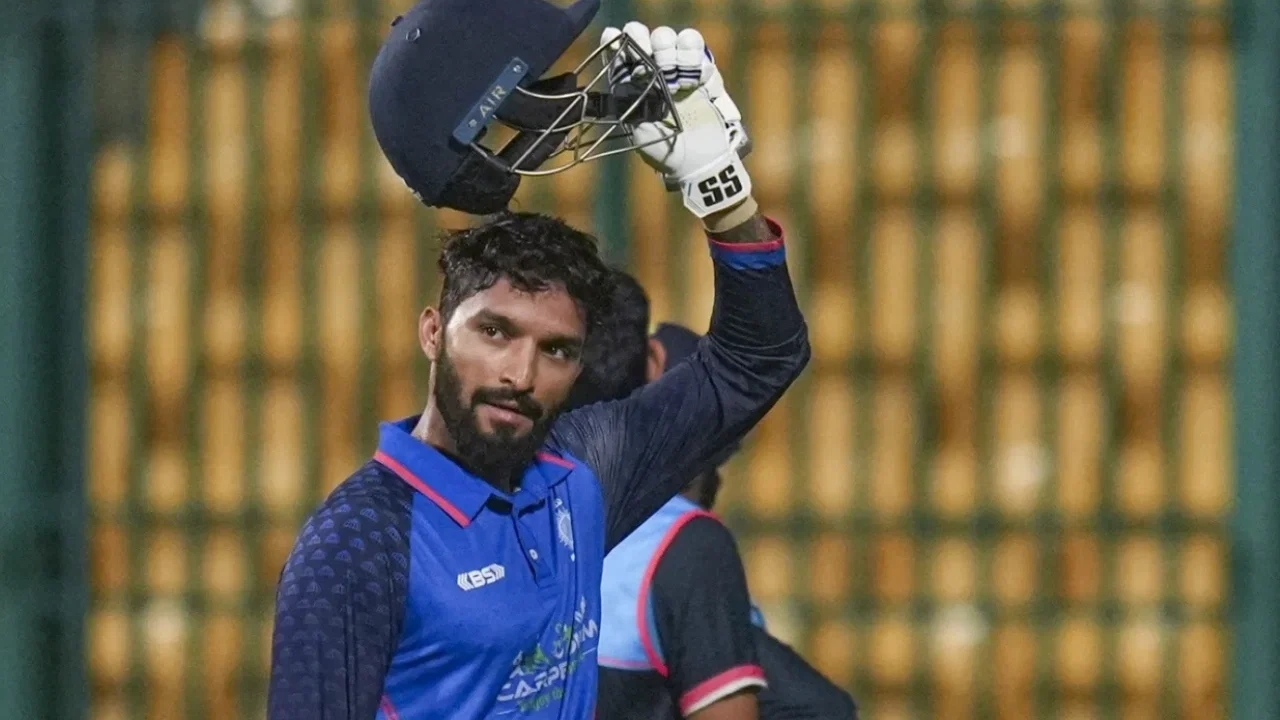
Madhya Pradesh name Rajat Patidar captain for SMAT 2026-27

Murali Kartik highlights repeated batting mistakes despite India taking 2-0 lead against New Zealand
England suffer injury blow as Josh Tongue is ruled out of white-ball series against Australia
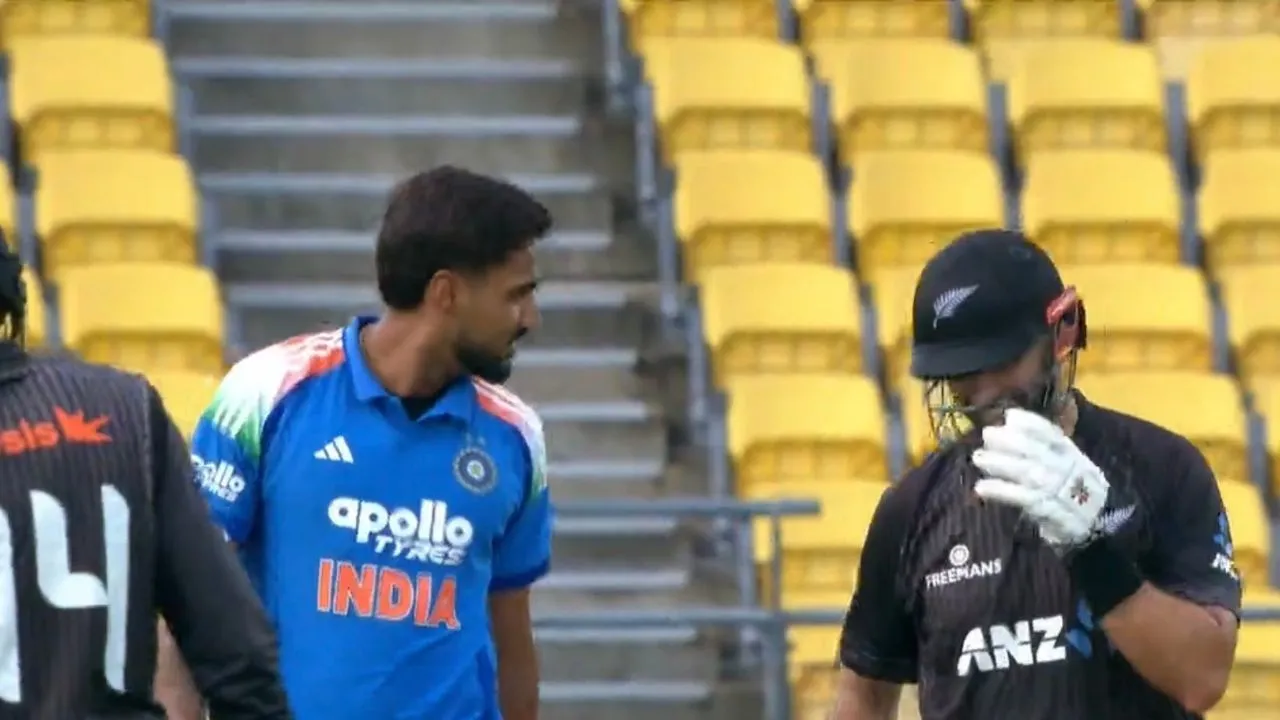
Watch: Gurnoor Brar and Daryl Mitchell involved in heated exchange during 2nd ODI

Mohsin Khan to leave LSG? Two IPL franchises show interest

Not India! Harshit Rana to make comeback for this team, date revealed
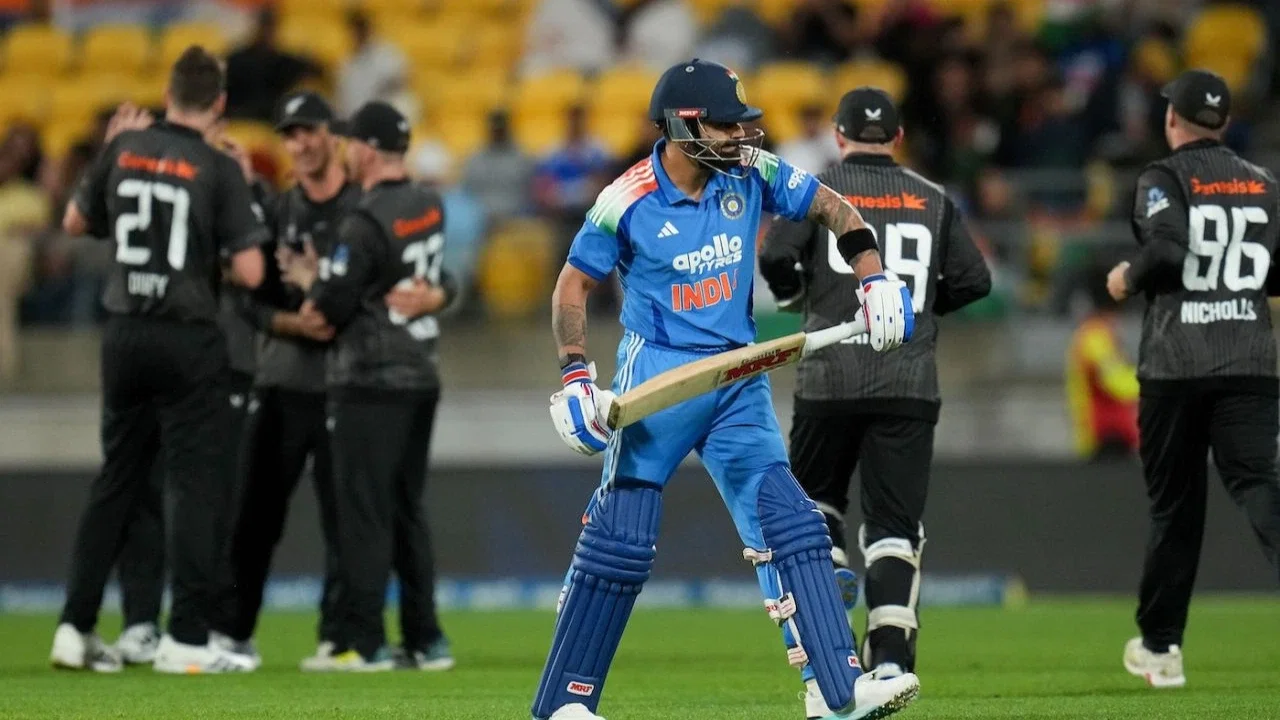
Virat Kohli breaks Ricky Ponting’s all-time ODI record against New Zealand