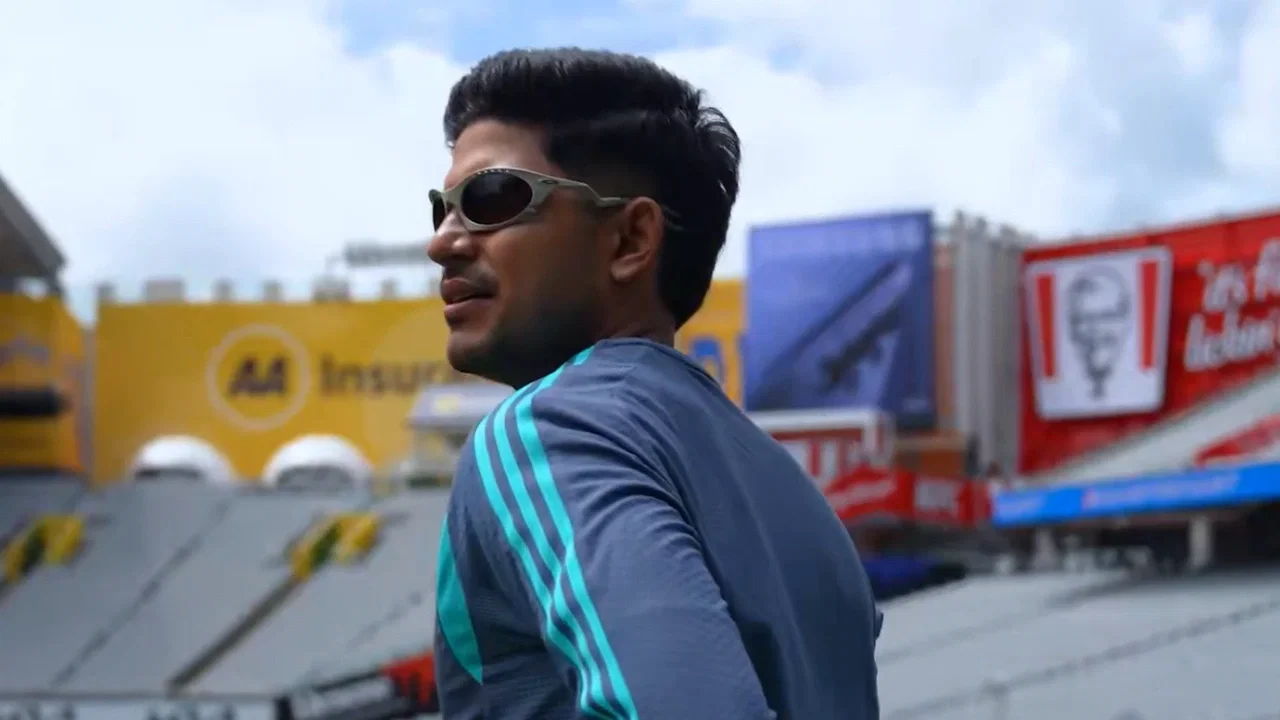
Anshul Kamboj, Arshdeep Singh create history as India dominate New Zealand in 1st ODI
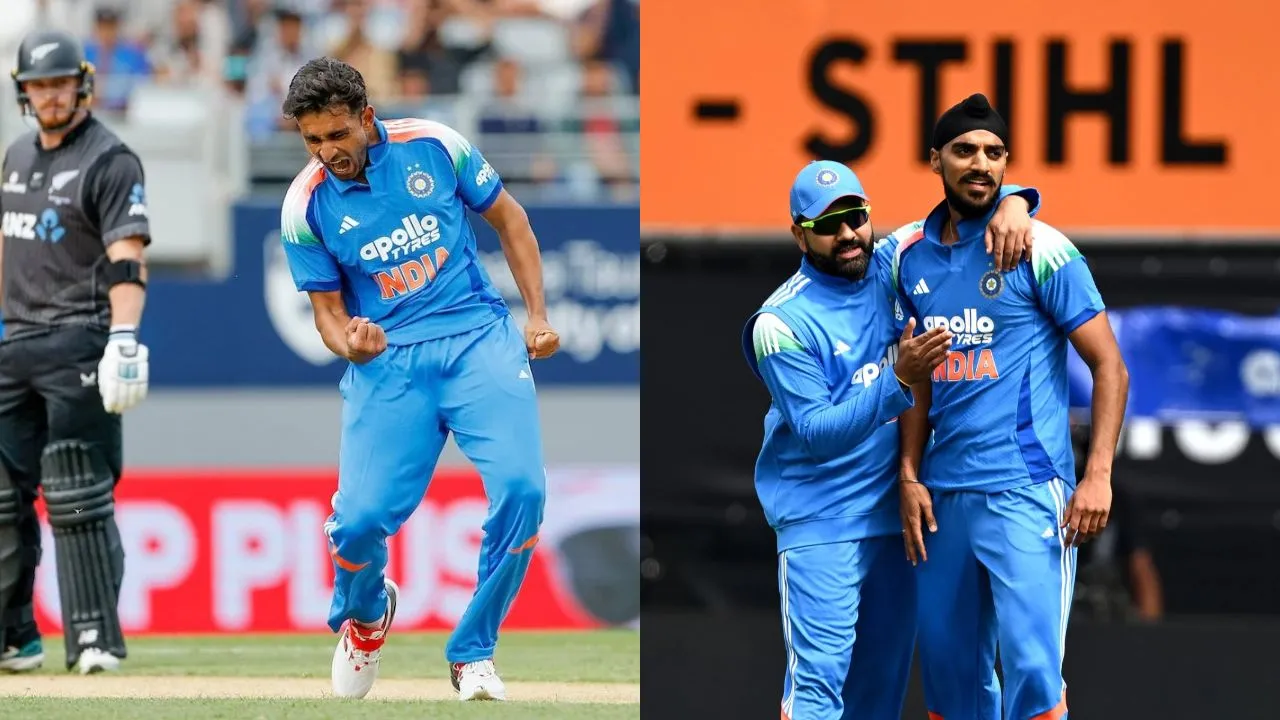
Anshul Kamboj’s remarkable spell leads India’s bowling charge against New Zealand
Anshul Kamboj delivered a standout performance in the opening ODI against New Zealand, combining control, patience and timely breakthroughs to help India bowl out the hosts for 185. The young fast bowler conceded just 22 runs in his full 10-over spell, adding two maidens and two wickets in a memorable display at Eden Park, Auckland.
His figures were among the most economical by an Indian bowler in a men’s ODI in recent years. Kamboj’s 22 runs are the fewest conceded by an Indian bowler across a complete 10-over quota in a men’s ODI since 2016. Among Indian pacers, the performance also places him alongside an elite historical benchmark: only Javagal Srinath’s 13 runs, also at Auckland, were lower in the relevant comparison.
The achievement is especially significant because Kamboj is still establishing himself at international level. On a challenging overseas tour, his spell offered an encouraging sign for India’s fast-bowling depth—and gave Shubman Gill’s side an important platform in the series opener.
Kamboj makes an impact with accuracy and discipline
Kamboj’s success came through more than raw pace. He maintained a disciplined line, varied his lengths and resisted the temptation to force breakthroughs with risky deliveries. In conditions that rewarded accurate seam bowling, his ability to keep the scoring rate down put pressure on New Zealand’s batters and helped India build momentum.
He claimed the wicket of New Zealand captain Mitchell Santner before removing Nathan Smith. The dismissal of Smith was particularly eye-catching: Virat Kohli held a superb one-handed catch at second slip to complete the breakthrough. For Kamboj, it was an impressive contribution in his first ODI appearance in New Zealand.
The figures also represent a notable response to the difficult start to his international career. Before this match, Kamboj had played one ODI, against the West Indies in India. He was brought into the side after Prasidh Krishna was ruled out with a hamstring injury and made his debut in the third match of that series at the PCA New Cricket Stadium in New Chandigarh.
His debut proved challenging, with Kamboj conceding 82 runs in nine overs. The contrast between that outing and his disciplined performance in Auckland highlights the value of adapting to changing conditions. While one strong spell cannot guarantee a place in future squads, it strengthens his case as India continue to assess options ahead of major tournaments, including the next ODI World Cup.
Arshdeep Singh adds another milestone to India’s performance
Kamboj was not the only Indian fast bowler to make history. Arshdeep Singh led the attack with four wickets for 70 runs from his 10 overs, becoming just the third Indian fast bowler to claim a four-wicket haul in a men’s ODI played in New Zealand.
He removed Will Young and Henry Nicholls early, then returned to dismiss Kyle Jamieson and Glenn Phillips. The wickets came at important moments, preventing New Zealand from building a substantial partnership or launching a sustained late-innings recovery.
Arshdeep’s achievement places him in the company of Srinath, who recorded two four-wicket hauls in New Zealand in 1995 and 2002, and Mohammed Shami, who reached the mark in 2014. For India’s most experienced bowler in this attack, the performance was both a personal landmark and a practical demonstration of his importance to the team.
Gill’s pace-heavy strategy pays off
India captain Shubman Gill won the toss and chose to field, backing a pace-focused combination without a frontline spinner. The selection gave India four seam-bowling options and proved effective as the visitors made consistent use of the conditions.
New Zealand began with a reasonable platform, but India’s bowlers steadily disrupted the innings. Rather than allowing the home side to settle, they kept creating pressure through tight spells and regular wickets. The hosts were eventually dismissed for 185, leaving their batters with limited opportunities to build a commanding total.
Blair Tickner’s late contribution of 34 helped New Zealand move beyond 150, but the innings remained short of a competitive finish. In an unusual twist, the No. 11 batter ended up as the team’s highest scorer. That detail underlined how effectively India had contained New Zealand’s recognised batting order.
A crucial early test for Shubman Gill
The opening match carries added significance for Gill, who is seeking a successful overseas campaign after India lost their previous home ODI series against New Zealand 2-1. A series victory away from home would be an important milestone in his captaincy and could become his first series win in a SENA country—South Africa, England, New Zealand or Australia.
India’s bowling performance offers a promising start, but the broader challenge is sustaining that standard across the tour. New Zealand conditions can change quickly, and the hosts are likely to respond with adjustments in their batting approach. For Kamboj, consistency will be the key test: he must show that his Auckland spell can be repeated against different match situations and opponents.
The teams are set to travel to Wellington for the second game of the five-match ODI series. India will look to carry forward the confidence generated by their bowling display, while New Zealand will aim to recover after being restricted to a modest total.
What Kamboj’s performance could mean for India
For Indian fans, Kamboj’s spell is an encouraging development in a series that provides valuable opportunities to assess emerging players. His economy rate, two maidens and two wickets showed that he can contribute even when conditions demand patience rather than constant attacking. His performance also gives the selectors another data point as they consider the depth and balance of India’s pace attack.
Any prediction about a young bowler’s long-term role should be made cautiously, particularly after a single standout match. Still, Kamboj’s response to an earlier difficult outing is a positive sign. If he continues to combine control with the ability to take wickets, he could strengthen his prospects for future ODI assignments.
India’s opening win was built on a collective effort, with Arshdeep’s four-wicket haul and Kamboj’s exceptional economy setting the tone. The next match in Wellington will offer a clearer indication of whether the visitors can maintain their momentum—and whether their young fast bowler can turn a memorable performance into a consistent contribution.
Latest News
Suresh Raina announces willingness to become CSK coach
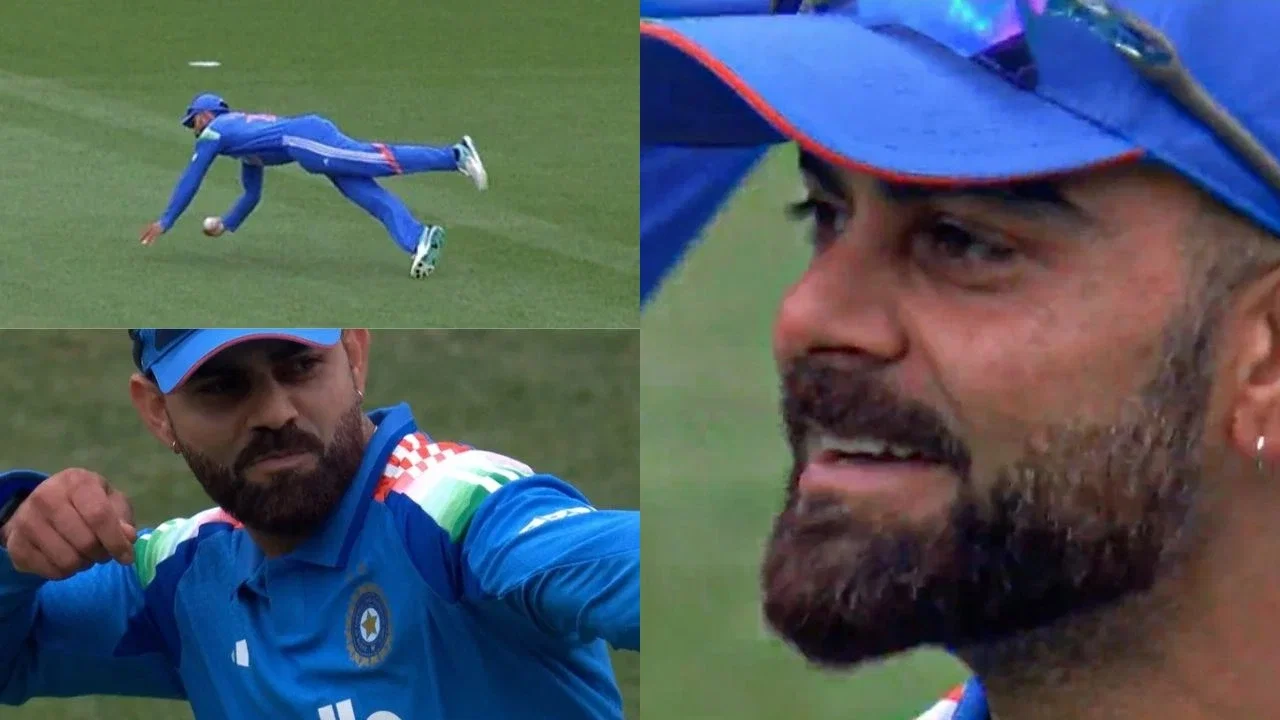
Watch: Virat Kohli takes one-handed blinder before breaking into Bow and Arrow celebration vs NZ
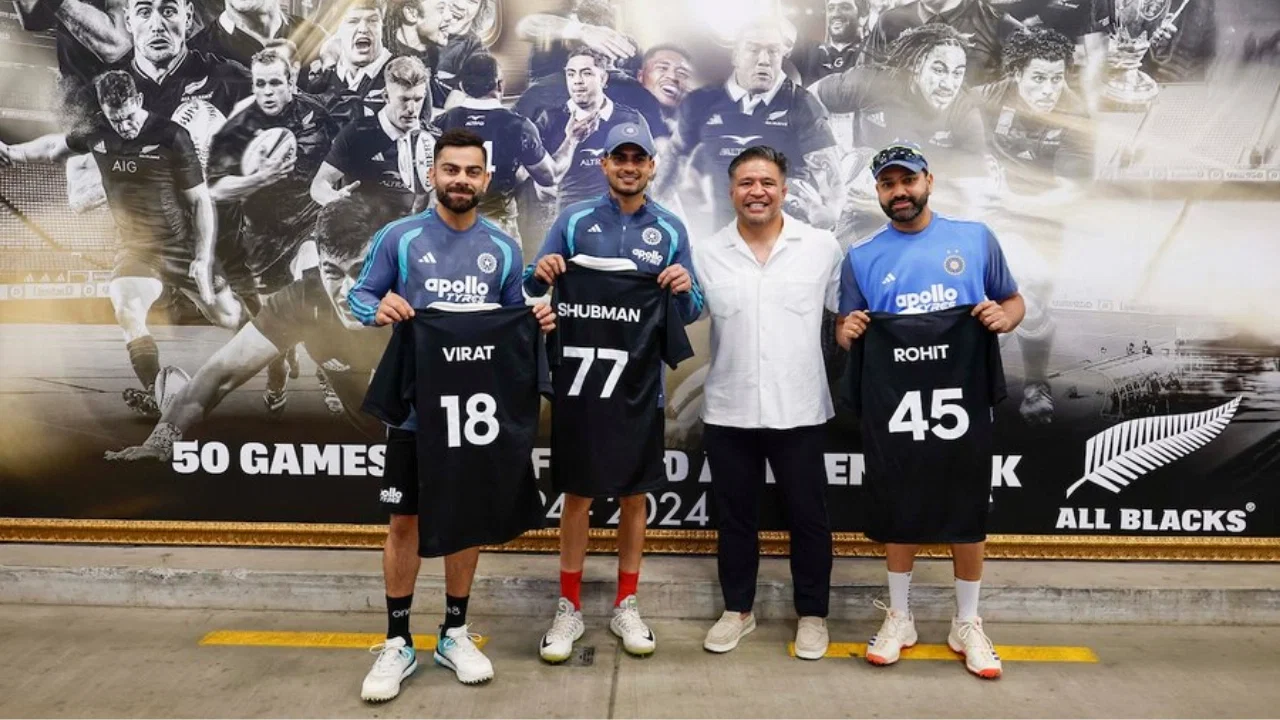
Virat Kohli, Rohit Sharma and Shubman Gill receive personalized All Blacks jerseys ahead of 1st ODI
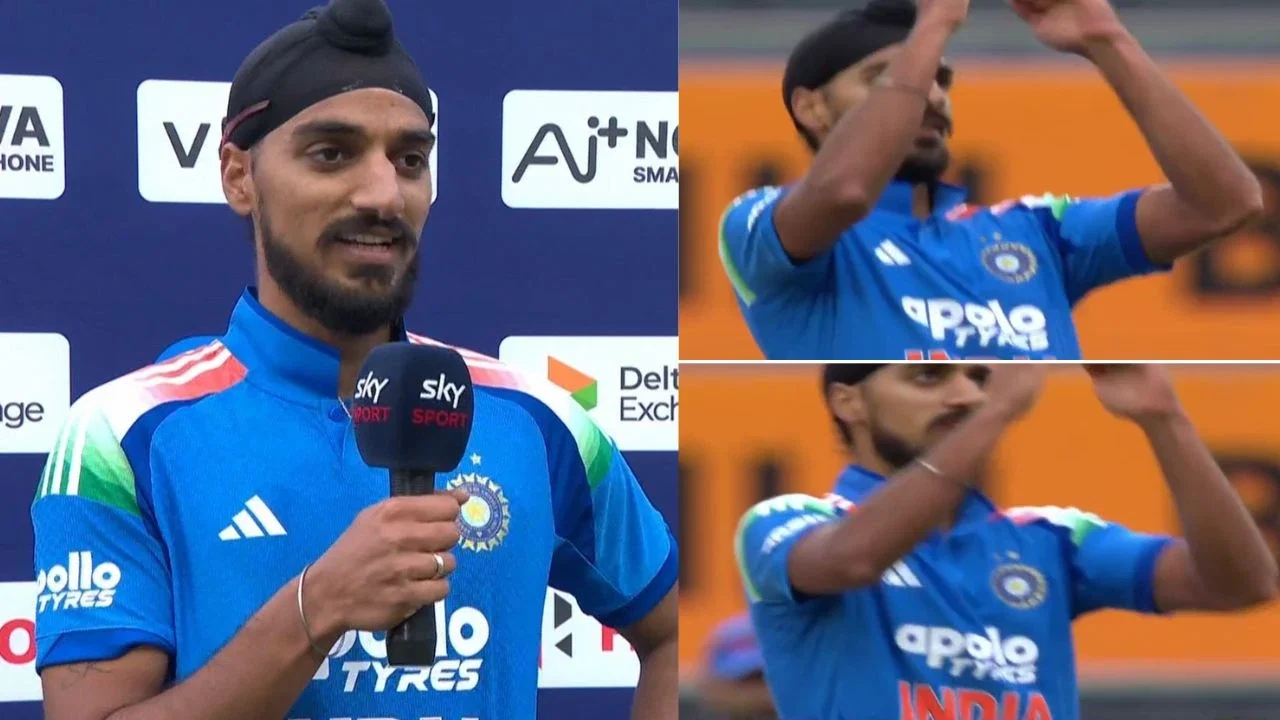
“The celebration was for my girlfriend”: Arshdeep Singh on gesture after Kyle Jamieson’s dismissal
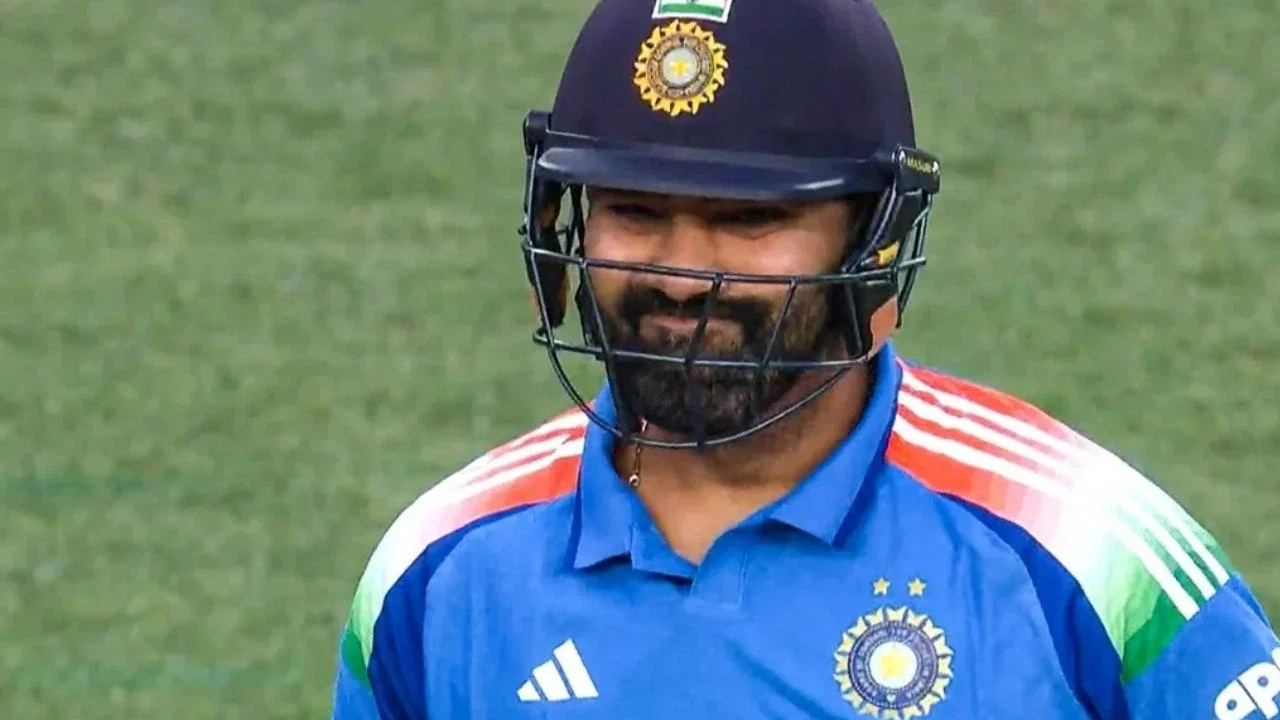
Rohit Sharma bags first-ever ODI duck against New Zealand in bizarre start to tour
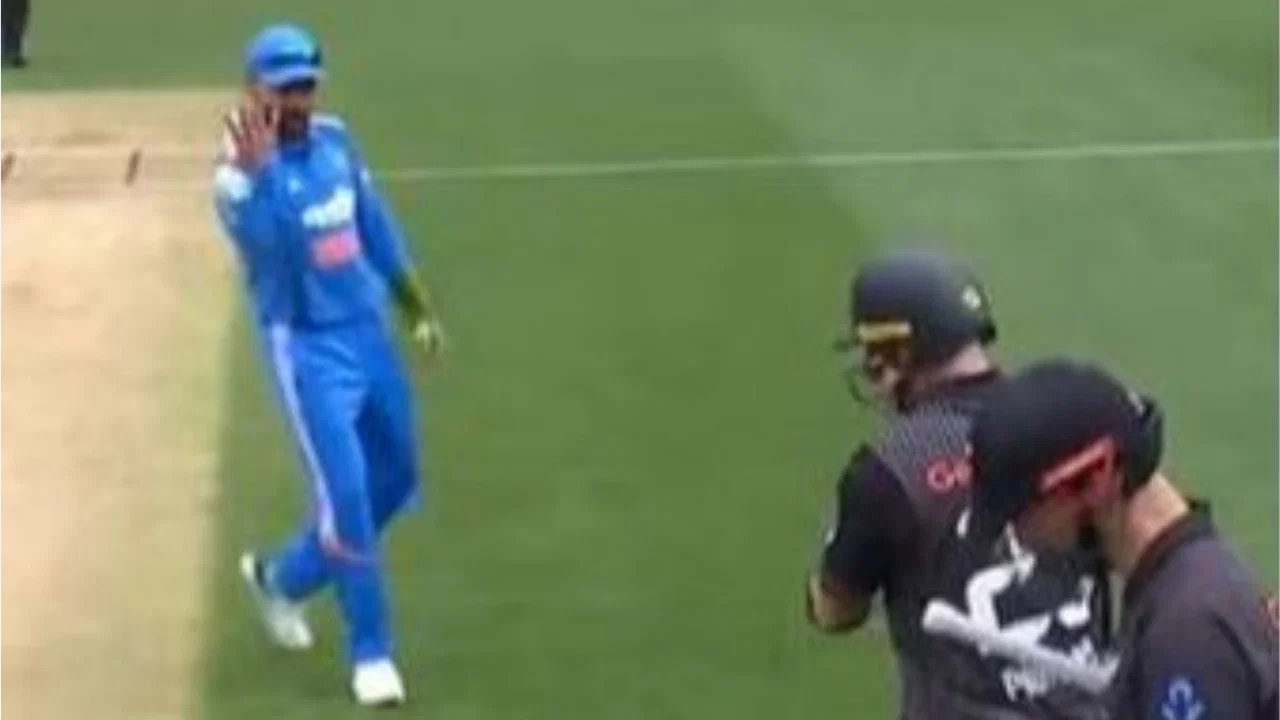
Watch: Virat Kohli teases Glenn Phillips with John Cena’s ‘You Can’t See Me’ celebration
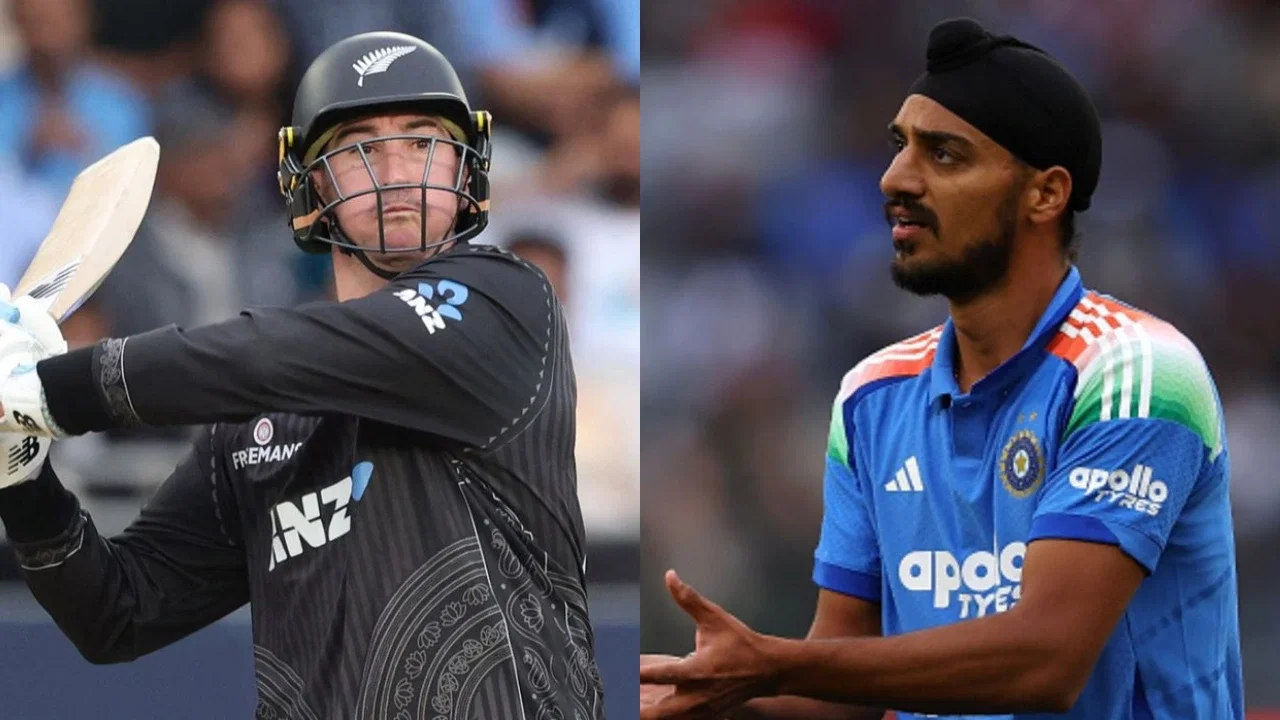
Arshdeep Singh gets hammered as Blair Tickner creates special ODI records in Auckland

Mike Hesson asks Pakistan ground staff to prepare pace-friendly pitches for Sri Lanka Tests
Anshul Kamboj, Arshdeep Singh create history as India dominate New Zealand in 1st ODI
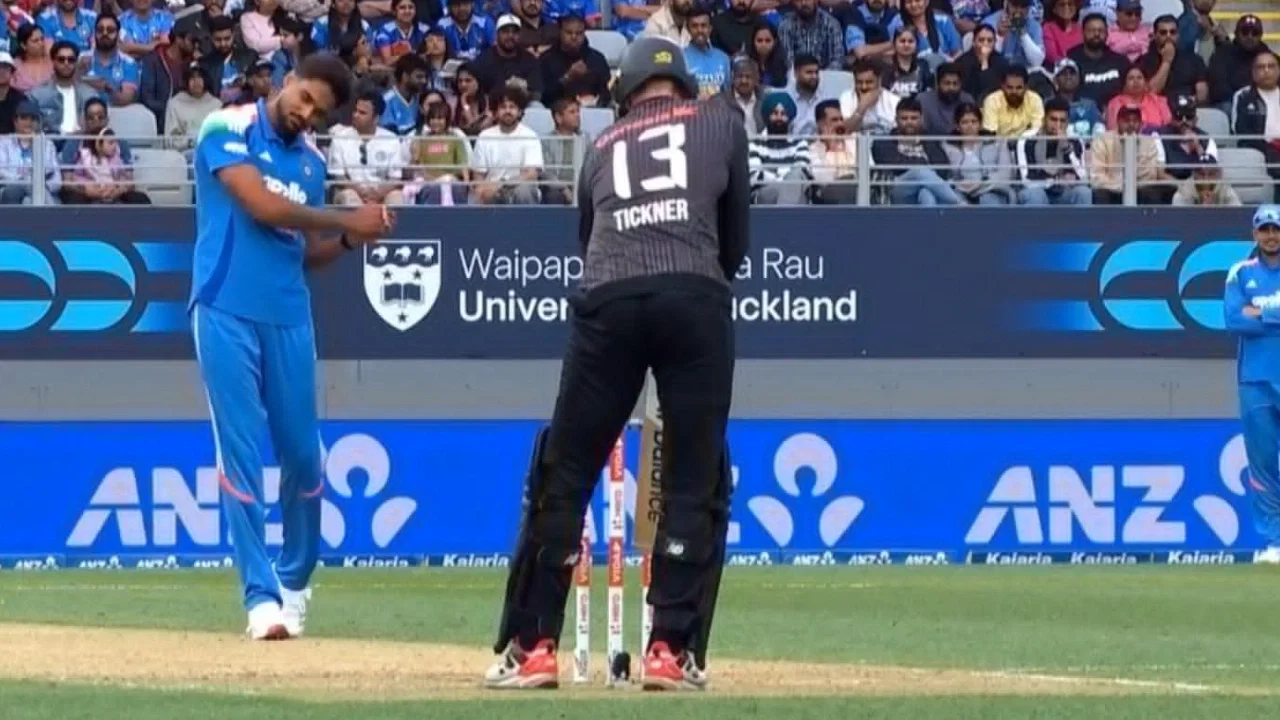
Watch: Gurnoor Brar’s reverse mind game forces Blair Tickner into a mistake in epic banter
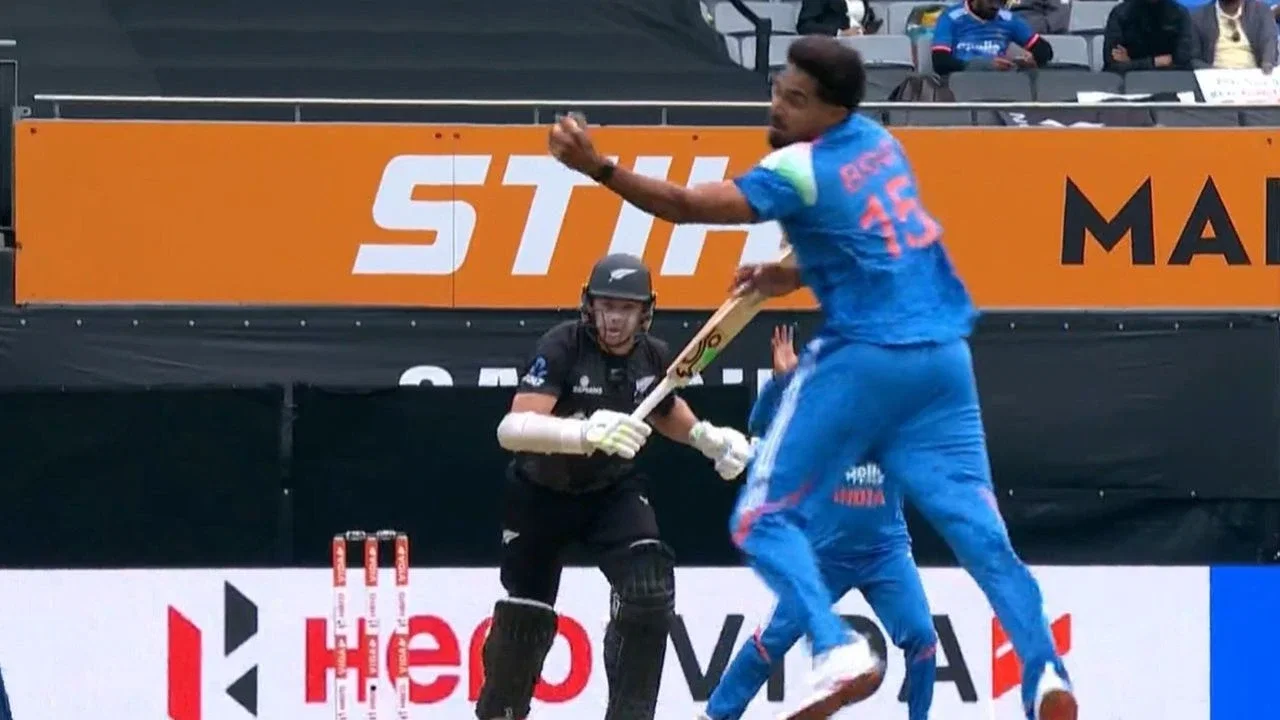
Watch: Gurnoor Brar takes one-handed blinder to dismiss Tom Latham in IND vs NZ 1st ODI
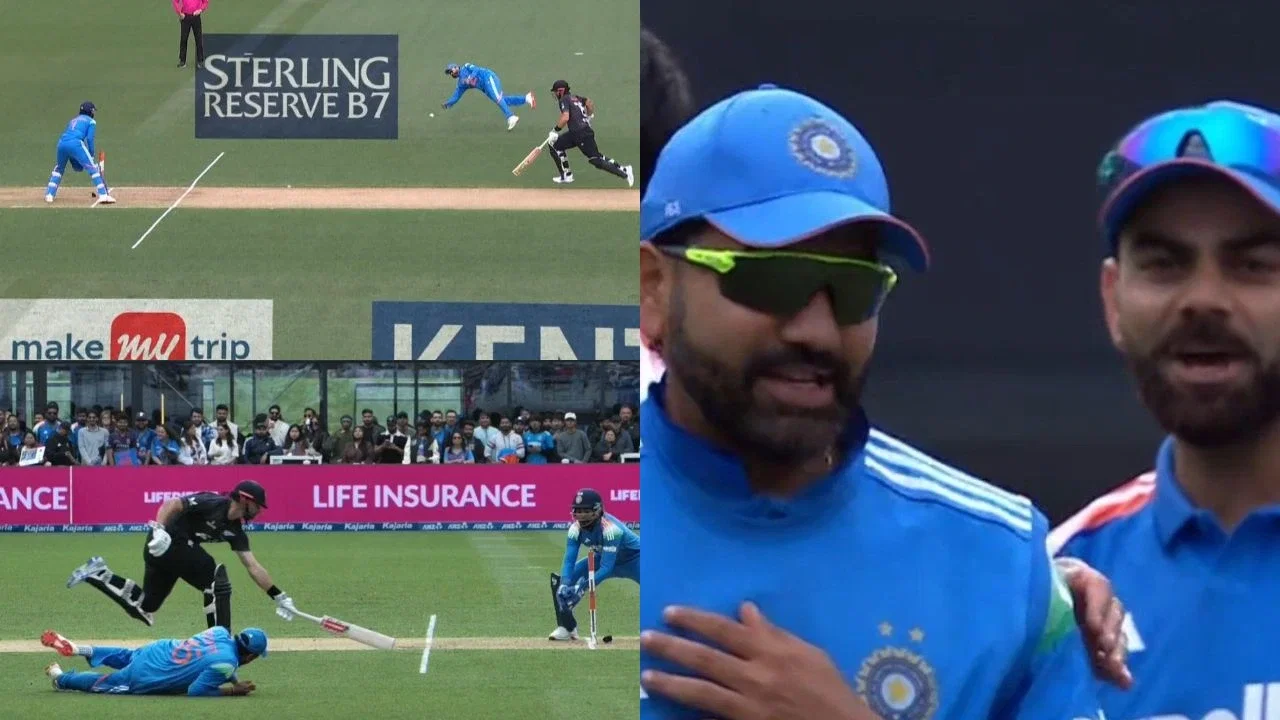
Watch: ‘Flying’ Rohit Sharma’s fielding brilliance sends Daryl Mitchell packing in 1st ODI

Simon Harmer reveals why Jack Leach should be picked for the SA vs ENG Test series
Sadagopan Ramesh questions CSK’s decision to not appoint a batting coach