Mike Hesson asks Pakistan ground staff to prepare pace-friendly pitches for Sri Lanka Tests

Pakistan Prepare Pace-Friendly Pitches for Sri Lanka Tests as Mike Hesson Seeks a Turnaround
Pakistan are preparing for their upcoming home Test series against Sri Lanka with a clear change in approach: ground staff have been instructed to produce lively, pace-friendly pitches that give fast bowlers a meaningful role. The move reflects the team management’s effort to address a difficult run of results and build conditions that could also help Pakistan compete more effectively on overseas tours.
According to journalist Saleem Khaliq, interim Test coach Mike Hesson has asked curators to prepare surfaces offering assistance to quick bowlers in both matches. The strategy is intended not only to strengthen Pakistan’s home campaign but also to help the team adapt to the kind of demanding conditions it may encounter away from home.
A response to a difficult Test season
Pakistan’s recent record in the longest format has increased the pressure on the squad and its support staff. The team has lost six of its seven Test matches this year, including a 3-0 defeat in England. Its two-Test series against the West Indies finished level at 1-1, leaving Pakistan with just one win across those seven fixtures.
The results have also affected the team’s standing in the international game. Pakistan are ninth in the ICC Test rankings and ninth in the World Test Championship standings. With valuable WTC points available against Sri Lanka, the upcoming series offers an important opportunity to improve their position and restore confidence.
Preparing faster pitches could help Pakistan develop a more reliable seam-bowling attack, particularly if the surfaces provide bounce and carry rather than relying exclusively on spin. Such conditions may also test the batters’ technique and patience, making the series a useful measure of how well the squad can adapt to different phases of a Test match.
Rawalpindi and Lahore to host the two Tests
The series is part of the 2025–2027 ICC World Test Championship cycle and will mark Pakistan’s first home red-ball assignment of the year. The opening Test is scheduled for Rawalpindi Cricket Stadium from November 9 to 13. The teams will then move to Lahore for the second match at Gaddafi Stadium, set to run from November 17 to 21.
The choice of venues gives Pakistan two distinct settings in which to test the pitch plan. The characteristics of a surface can vary with local conditions, preparation and weather, so the team will need to assess how much assistance the fast bowlers receive and whether the batters can make the most of the available scoring opportunities.
Before the first Test, Sri Lanka are scheduled to play a three-day warm-up match against PCB Patron’s XI at Islamabad Club. The fixture, running from November 4 to 6, gives both sides a chance to get accustomed to local conditions, assess the pitch and make decisions about their likely combinations.
Babar Azam encouraged to regain form through domestic cricket
Hesson’s preparation plans extend beyond pitch conditions. He has also advised Test captain Babar Azam to play domestic four-day cricket as he works to regain his batting rhythm ahead of the Sri Lanka series. Babar is currently featuring in the Quaid-e-Azam Trophy, Pakistan’s leading domestic first-class competition.
Regular time in the middle can be particularly valuable for a batter preparing for Test cricket, where long innings, changing conditions and sustained concentration are central to success. Domestic matches also offer players the chance to sharpen their technique and confidence without the immediate demands of an international contest.
The Pakistan Cricket Board has reportedly made participation in domestic competitions mandatory for centrally contracted players. The policy is intended to keep leading cricketers involved in the country’s domestic structure and ensure they receive meaningful match practice. It may also help selectors and coaches evaluate players in a competitive setting before major international assignments.
Coaching changes bring a new direction
Pakistan’s coaching setup has undergone significant changes following the team’s England tour. After the defeat at Lord’s, the PCB dismissed head coach Sarfaraz Ahmed and bowling coach Umar Gul. Misbah-ul-Haq also stepped down from his positions as batting consultant and selection committee member.
White-ball head coach Mike Hesson then took charge of the Test side on an interim basis ahead of the third match against England. He has continued in the role for the Sri Lanka series, giving him an early opportunity to influence both the team’s preparation and its approach to the format. Former Australian domestic cricketer Ashley Noffke has also joined the support staff as an assistant and bowling coach.
For Hesson, the challenge is to turn a new plan into results quickly. Pace-friendly pitches could provide Pakistan’s fast bowlers with a platform, but the team will still need disciplined lines, effective partnerships and consistent batting to take advantage. The surface alone cannot guarantee success; it must complement a clear tactical plan and strong execution across five days.
Pakistan enter the series with a positive head-to-head record
Pakistan have historically enjoyed the better of their Test meetings with Sri Lanka. Their most recent Test series took place in Sri Lanka in July 2023, when Pakistan won 2-0. The sides also met in a three-match T20I series in October 2026, with Pakistan claiming a 2-1 victory, although the different format offers only limited clues about what to expect in red-ball cricket.
The central prediction for the Test series will depend on how successfully Pakistan’s new pitch strategy supports their attack—and whether the batters can build substantial totals against a competitive Sri Lankan side. If the conditions offer the quicks useful movement and bounce, Pakistan may have a chance to make their fast bowlers a decisive factor at home. But after a challenging year, consistency will matter more than any single tactical change.
With a new coaching direction, Babar Azam seeking form through domestic cricket and two important WTC fixtures ahead, the Sri Lanka series is a significant test of Pakistan’s ability to reset. The results in Rawalpindi and Lahore will show whether the pace-friendly approach can deliver immediate gains while helping the team prepare for tougher challenges abroad.
Latest News

Suresh Raina announces willingness to become CSK coach

Watch: Virat Kohli takes one-handed blinder before breaking into Bow and Arrow celebration vs NZ

Virat Kohli, Rohit Sharma and Shubman Gill receive personalized All Blacks jerseys ahead of 1st ODI

“The celebration was for my girlfriend”: Arshdeep Singh on gesture after Kyle Jamieson’s dismissal
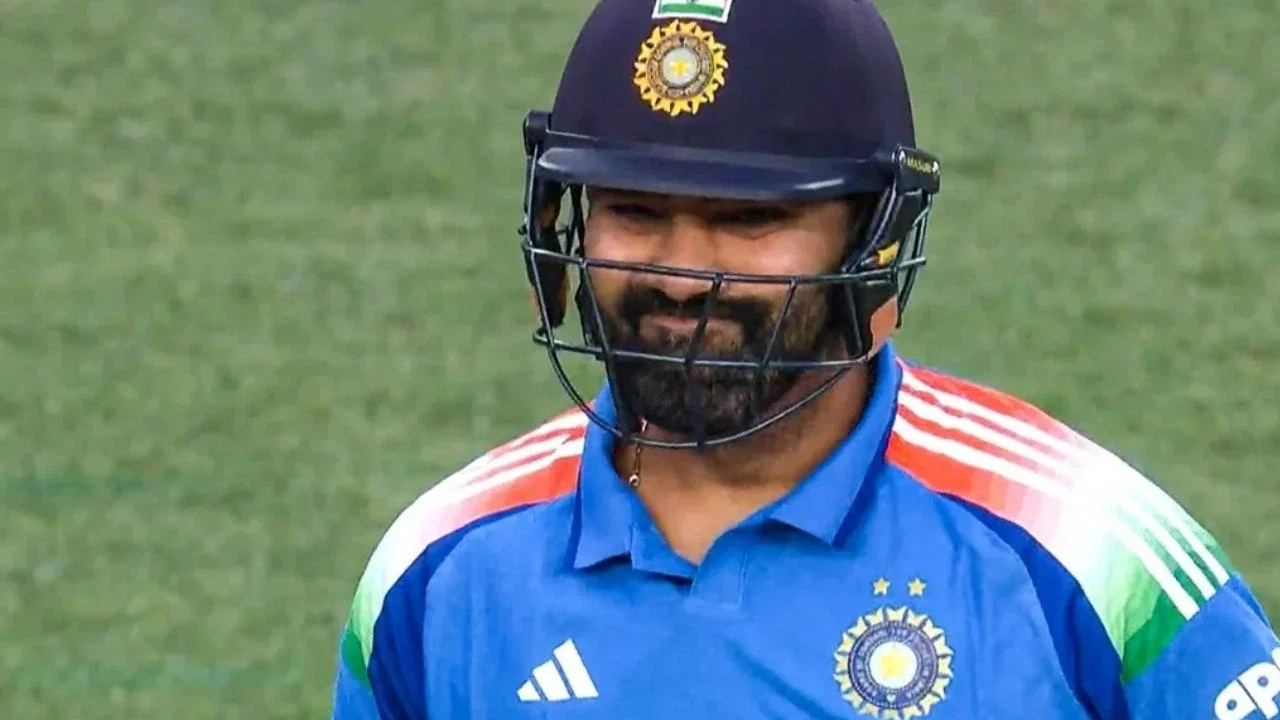
Rohit Sharma bags first-ever ODI duck against New Zealand in bizarre start to tour

Watch: Virat Kohli teases Glenn Phillips with John Cena’s ‘You Can’t See Me’ celebration

Arshdeep Singh gets hammered as Blair Tickner creates special ODI records in Auckland
Mike Hesson asks Pakistan ground staff to prepare pace-friendly pitches for Sri Lanka Tests

Anshul Kamboj, Arshdeep Singh create history as India dominate New Zealand in 1st ODI

Watch: Gurnoor Brar’s reverse mind game forces Blair Tickner into a mistake in epic banter

Watch: Gurnoor Brar takes one-handed blinder to dismiss Tom Latham in IND vs NZ 1st ODI

Watch: ‘Flying’ Rohit Sharma’s fielding brilliance sends Daryl Mitchell packing in 1st ODI

Simon Harmer reveals why Jack Leach should be picked for the SA vs ENG Test series

Sadagopan Ramesh questions CSK’s decision to not appoint a batting coach