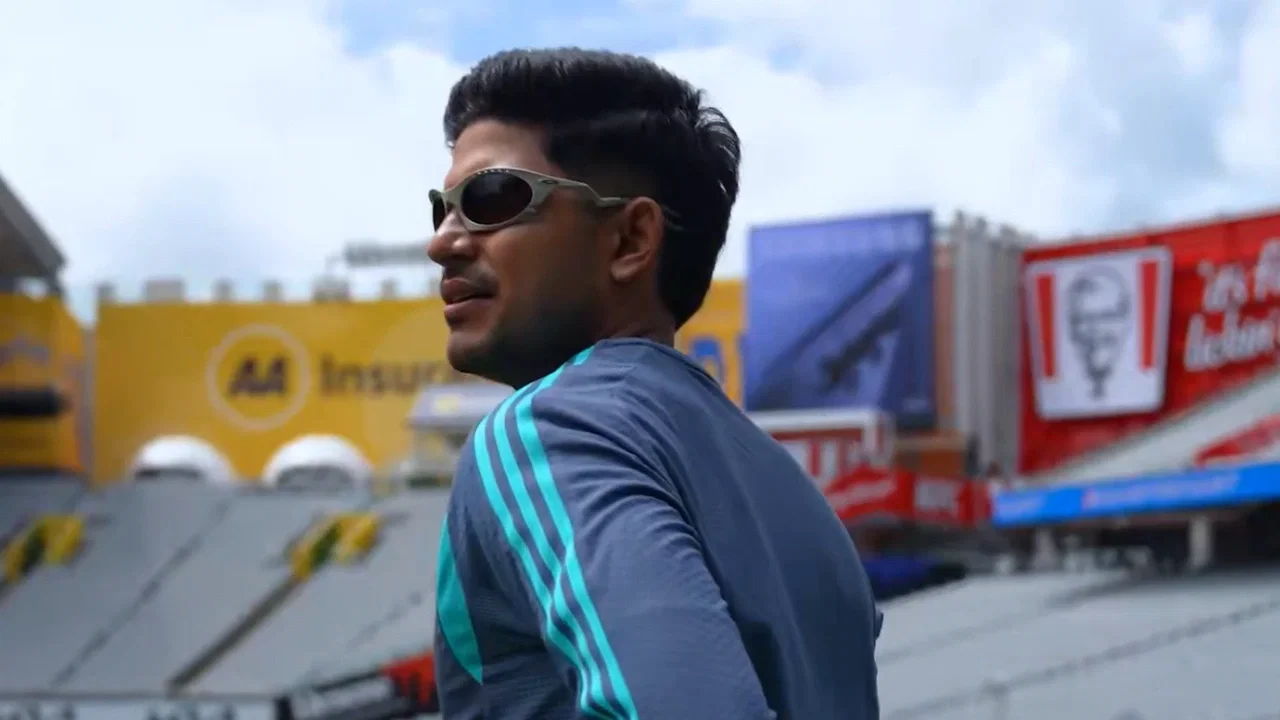
Watch: Virat Kohli teases Glenn Phillips with John Cena’s ‘You Can’t See Me’ celebration
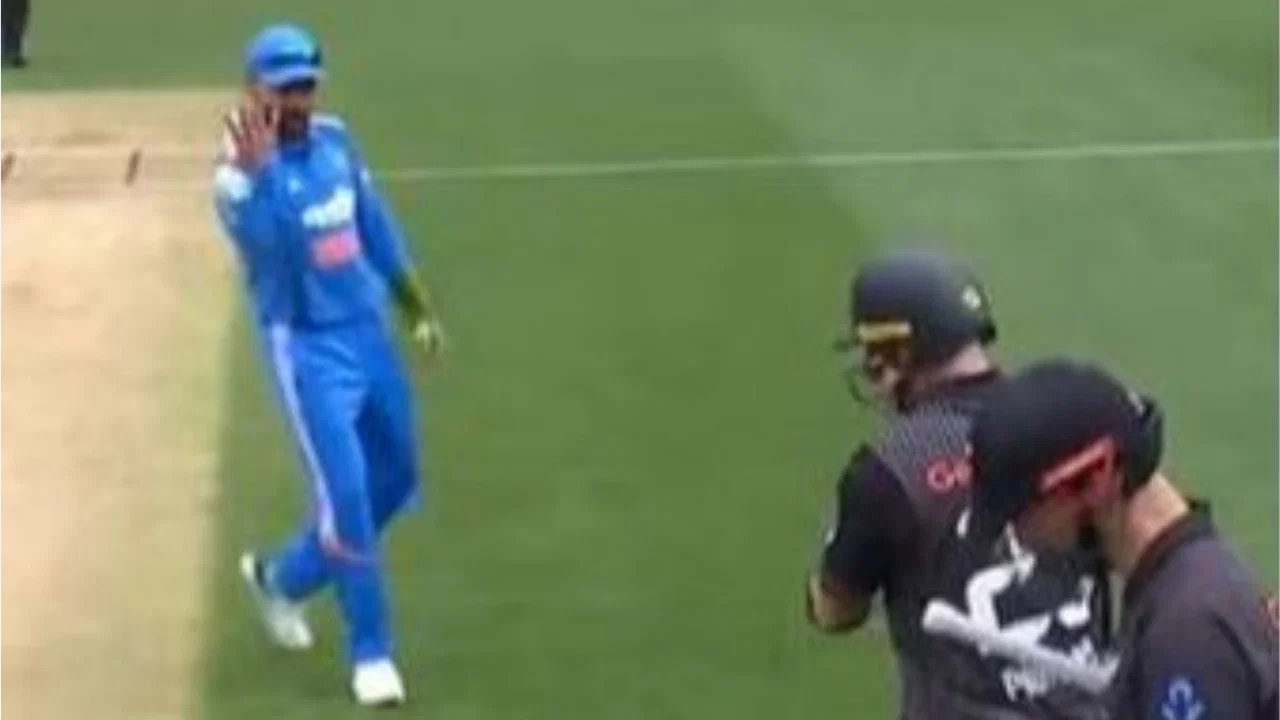
Virat Kohli’s John Cena Celebration Steals the Show as India Dominate New Zealand ODI
Virat Kohli added a touch of WWE theatre to the opening India–New Zealand ODI, recreating John Cena’s famous “You Can’t See Me” gesture as Glenn Phillips walked out to bat at Eden Park in Auckland. The playful moment delighted fans, but it was only one highlight in a match that also featured sharp Indian fielding and a determined effort to restrict New Zealand.
India’s bowlers and fielders kept the hosts under pressure after captain Shubman Gill won the toss and chose to field in overcast conditions. New Zealand were eventually dismissed for 185, with Kohli contributing to the spectacle through both his celebration and a stunning one-handed catch. Rohit Sharma also produced a crucial run-out, helping India seize control during the middle overs.
Kohli recreates John Cena’s signature move
The light-hearted exchange unfolded in the 22nd over, shortly after New Zealand lost a wicket. Phillips came to the crease following the dismissal of Tom Latham, while the stadium sound system played John Cena’s iconic WWE entrance music. As Phillips spoke briefly with Daryl Mitchell, Kohli walked past and waved his hand in front of his face, mimicking Cena’s unmistakable gesture.
The moment quickly caught the attention of spectators and viewers watching the broadcast. Kohli is known for bringing energy to the field, and the playful interaction offered a brief break from the tension of a New Zealand innings that had already lost several wickets. Phillips appeared to take the gesture in good humour, adding to the friendly atmosphere between the players.
For fans following the match, the celebration became an early talking point and a memorable piece of entertainment alongside the cricket. While the “You Can’t See Me” move is closely associated with Cena’s wrestling persona, Kohli’s version was a spontaneous nod to the music and the moment rather than a formal celebration of a wicket.
India’s fast bowlers put New Zealand under pressure
Gill opted for a pace-heavy attack, selecting four specialist fast bowlers: Anshul Kamboj, Auqib Nabi, Gurnoor Brar and Arshdeep Singh. Mohammed Siraj was left out, while spin-bowling all-rounder Naman Dhir was preferred to Nitish Kumar Reddy. The selection reflected the conditions, with the overcast Auckland sky offering potential assistance to seam bowling.
India made an early impact. Arshdeep and Brar took two wickets apiece as New Zealand struggled to build a stable innings. Phillips arrived with the home side already under pressure, after India had reduced them to 83 for four. The visitors’ disciplined lines and movement made it difficult for the batters to score freely, while the fielders backed up the bowlers with alert work in the ring.
New Zealand’s early setbacks meant that partnerships became especially important. Tim Seifert and Mitchell attempted to steady the innings, putting together 33 runs for the third wicket before Brar removed Seifert for 38 from 43 deliveries in the 15th over. Mitchell’s dismissal soon afterwards ended another promising stand and left the hosts needing a recovery from their lower order.
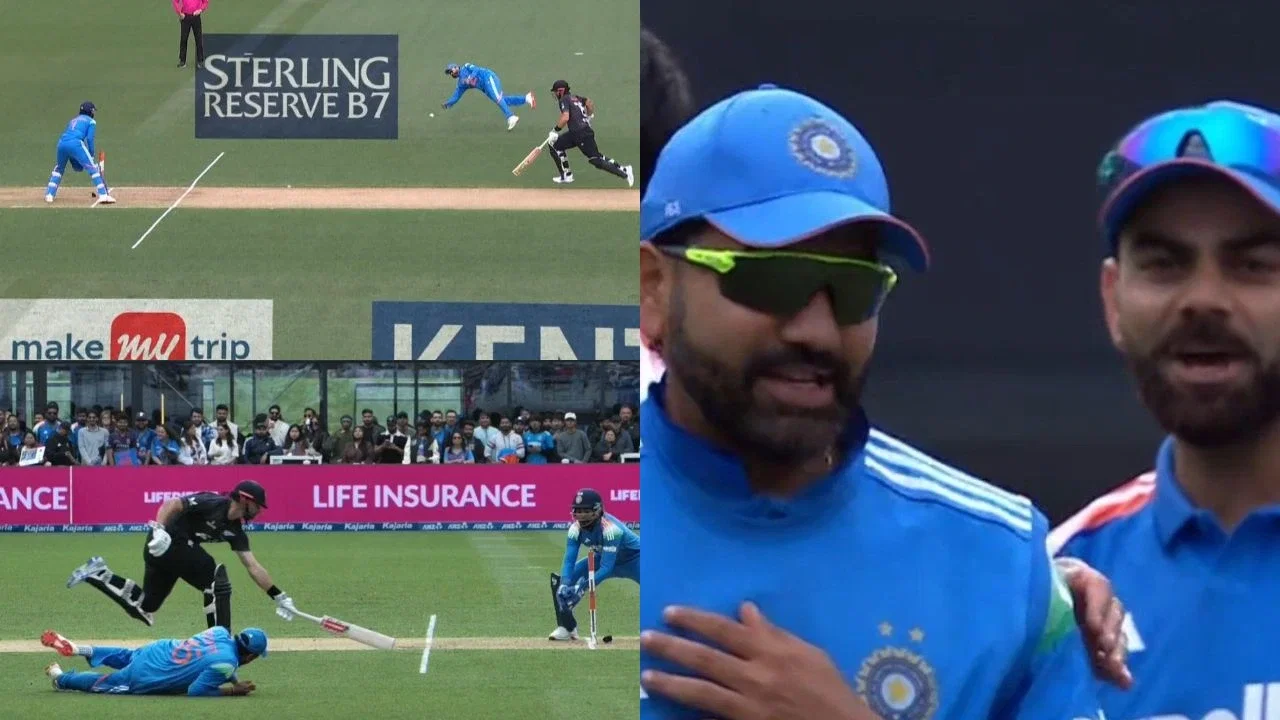
Rohit Sharma’s diving throw removes Daryl Mitchell
Rohit produced one of the match’s most decisive pieces of fielding on the first ball of the 22nd over. Phillips nudged the delivery towards the leg side and called for a single. Mitchell hesitated before setting off, giving India a narrow window to complete the run-out.
Rohit, positioned inside the inner ring, reacted quickly. He dived to his right, gathered the ball cleanly and released an accurate throw while still falling to the ground. Wicketkeeper KL Rahul collected it over the stumps and removed the bails in one smooth movement. Mitchell was short of his crease and had to depart for 28 off 41 balls.
The dismissal left New Zealand at 97 for five and ended a partnership that had offered the innings some stability. Rohit celebrated with a fist pump as Gill and Kohli ran over to congratulate him. The play demonstrated how a sharp reaction in the field can change the course of an ODI, particularly when the batting side is trying to rebuild after losing early wickets.
Kohli’s one-handed catch adds to India’s fielding display
Kohli returned to the spotlight in the 29th over with a remarkable catch to dismiss Nathan Smith. Kamboj bowled a good-length delivery outside off stump, and Smith edged a tentative shot towards the slip cordon. Kohli reacted instantly, diving to his right and stretching out his right hand to take the ball just above the ground.
The 37-year-old quickly got back to his feet and sprinted across the infield in celebration as his teammates gathered around him. Smith was out for one from nine deliveries, leaving New Zealand struggling at 115 for seven. Kamboj earned the wicket with disciplined bowling, while Kohli’s athletic effort gave India another significant breakthrough.
The catch underlined Kohli’s continued value in the field. Even when a match is being shaped by the bowlers, a single moment of anticipation and commitment can turn a half-chance into a wicket. India’s sharpness in the ring and at slip made it increasingly difficult for New Zealand to regain momentum.
Late runs lift New Zealand to 185
Despite losing wickets regularly, New Zealand’s lower order managed to add some useful runs. Blair Tickner provided a late burst, scoring 34 from 23 deliveries before Brar dismissed him in the 41st over. His aggressive contribution helped the hosts push their total to 185, giving their bowlers a target to defend after a challenging first innings.
For India, the innings offered several positives: the pace attack took wickets at regular intervals, Rohit’s run-out removed a set batter, and Kohli’s catch further tightened the visitors’ grip. The fielding display was particularly important because it prevented New Zealand’s middle and lower order from building a substantial recovery.
What the performance means for the ODI contest
India’s first-innings effort gave them a strong platform, though a total of 185 still required a focused chase. Eden Park’s compact boundaries can make even a modest score competitive if the bowling side strikes early, so India would need to balance scoring intent with careful shot selection.
Any prediction about the outcome of the match would depend on how effectively New Zealand’s bowlers used the conditions and whether India’s top order could avoid an early collapse. Still, the visitors had reason for confidence after combining disciplined pace bowling with high-impact fielding.
Kohli’s John Cena-inspired gesture may have supplied the most shareable moment of the day, but the broader story was India’s all-round pressure in the field. Between Rohit’s athletic run-out, Kohli’s spectacular catch and the fast bowlers’ steady breakthroughs, the visitors turned a lively opening ODI into a showcase of energy, precision and entertainment.
Latest News
Suresh Raina announces willingness to become CSK coach
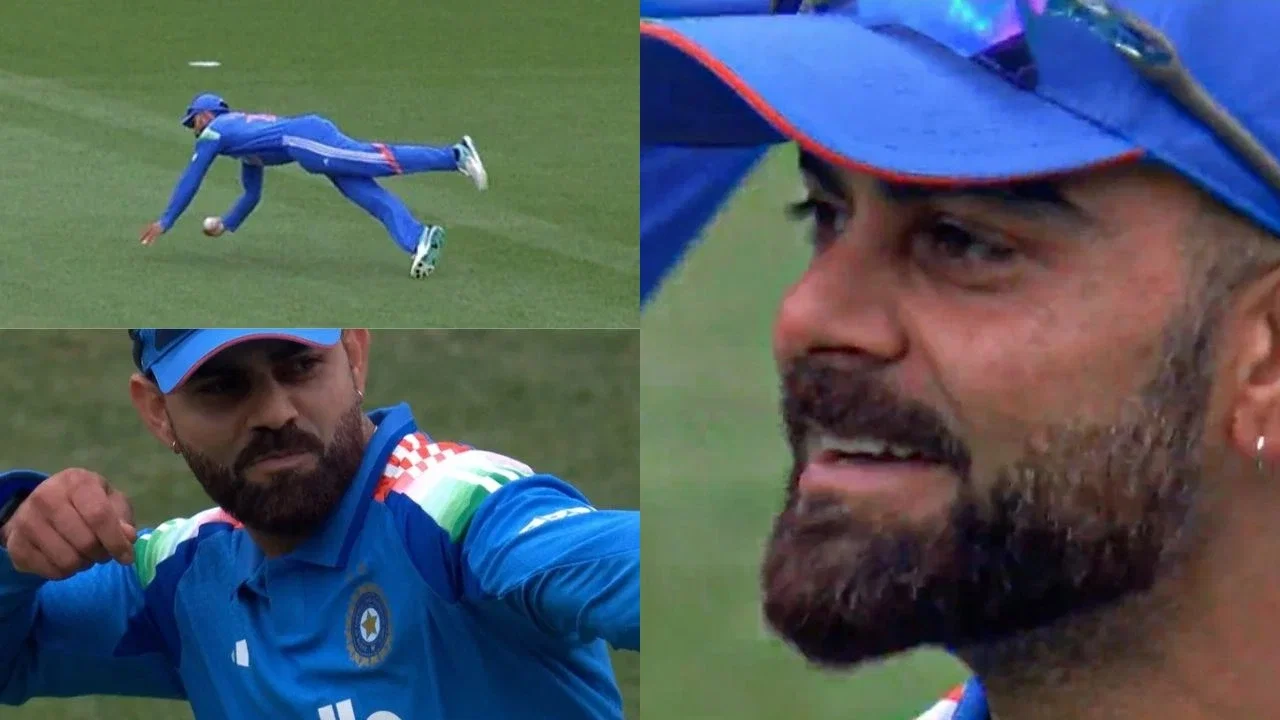
Watch: Virat Kohli takes one-handed blinder before breaking into Bow and Arrow celebration vs NZ
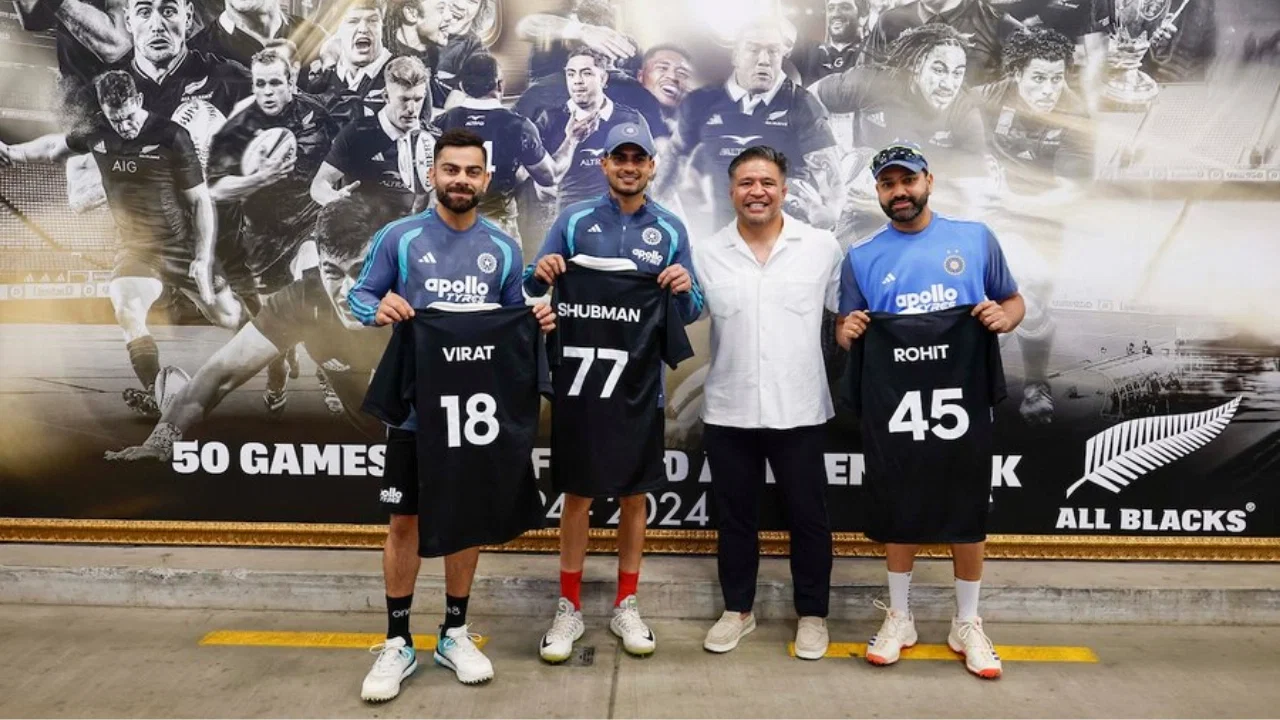
Virat Kohli, Rohit Sharma and Shubman Gill receive personalized All Blacks jerseys ahead of 1st ODI
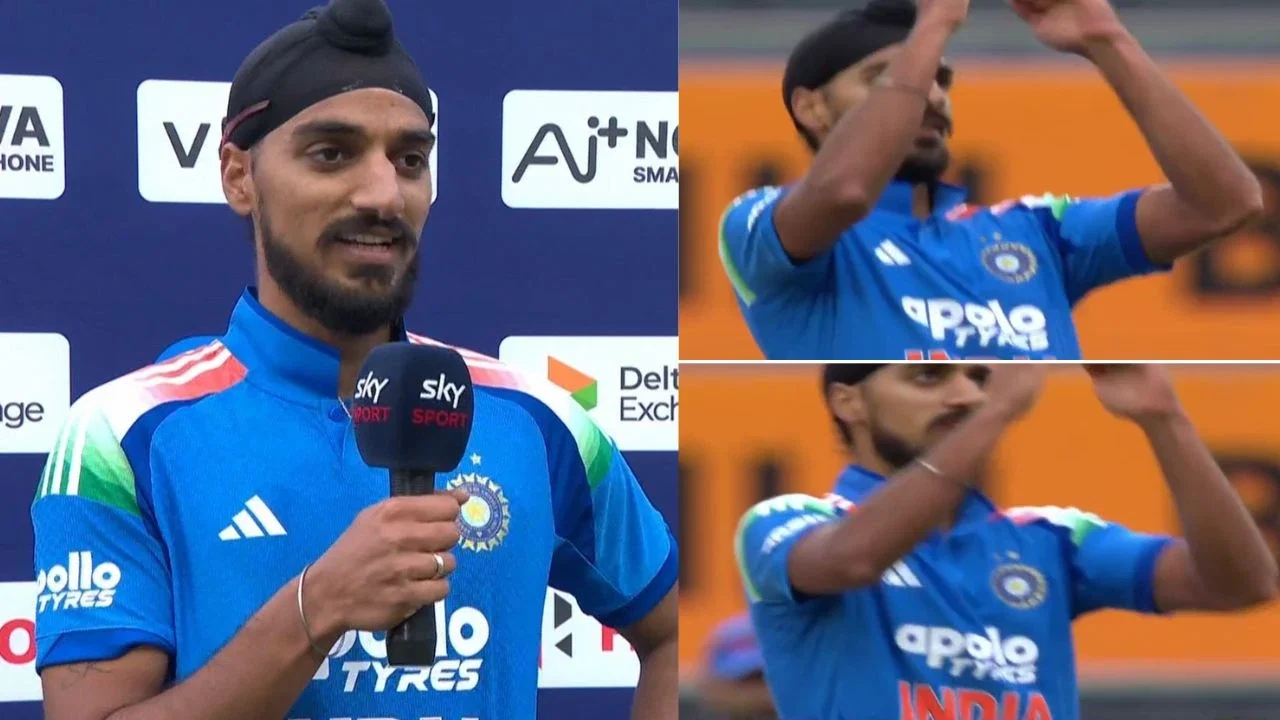
“The celebration was for my girlfriend”: Arshdeep Singh on gesture after Kyle Jamieson’s dismissal
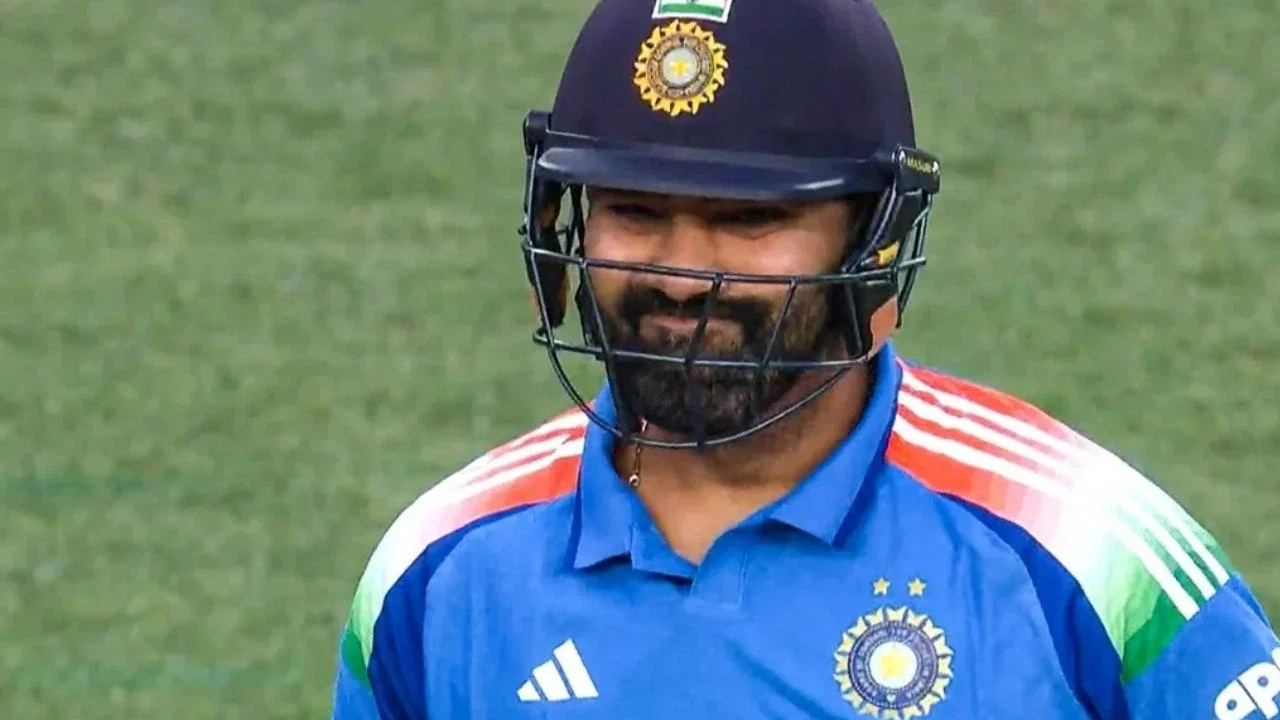
Rohit Sharma bags first-ever ODI duck against New Zealand in bizarre start to tour
Watch: Virat Kohli teases Glenn Phillips with John Cena’s ‘You Can’t See Me’ celebration
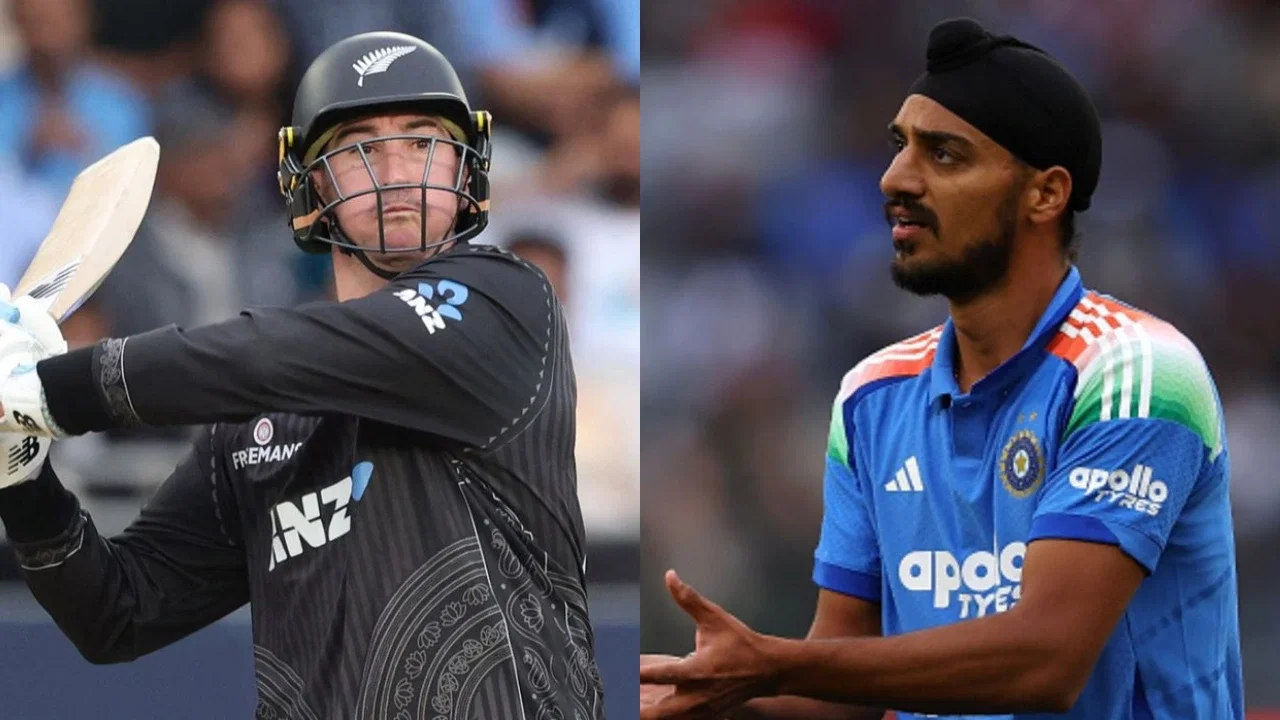
Arshdeep Singh gets hammered as Blair Tickner creates special ODI records in Auckland
Mike Hesson asks Pakistan ground staff to prepare pace-friendly pitches for Sri Lanka Tests
Anshul Kamboj, Arshdeep Singh create history as India dominate New Zealand in 1st ODI
Watch: Gurnoor Brar’s reverse mind game forces Blair Tickner into a mistake in epic banter
Watch: Gurnoor Brar takes one-handed blinder to dismiss Tom Latham in IND vs NZ 1st ODI
Watch: ‘Flying’ Rohit Sharma’s fielding brilliance sends Daryl Mitchell packing in 1st ODI
Simon Harmer reveals why Jack Leach should be picked for the SA vs ENG Test series
Sadagopan Ramesh questions CSK’s decision to not appoint a batting coach