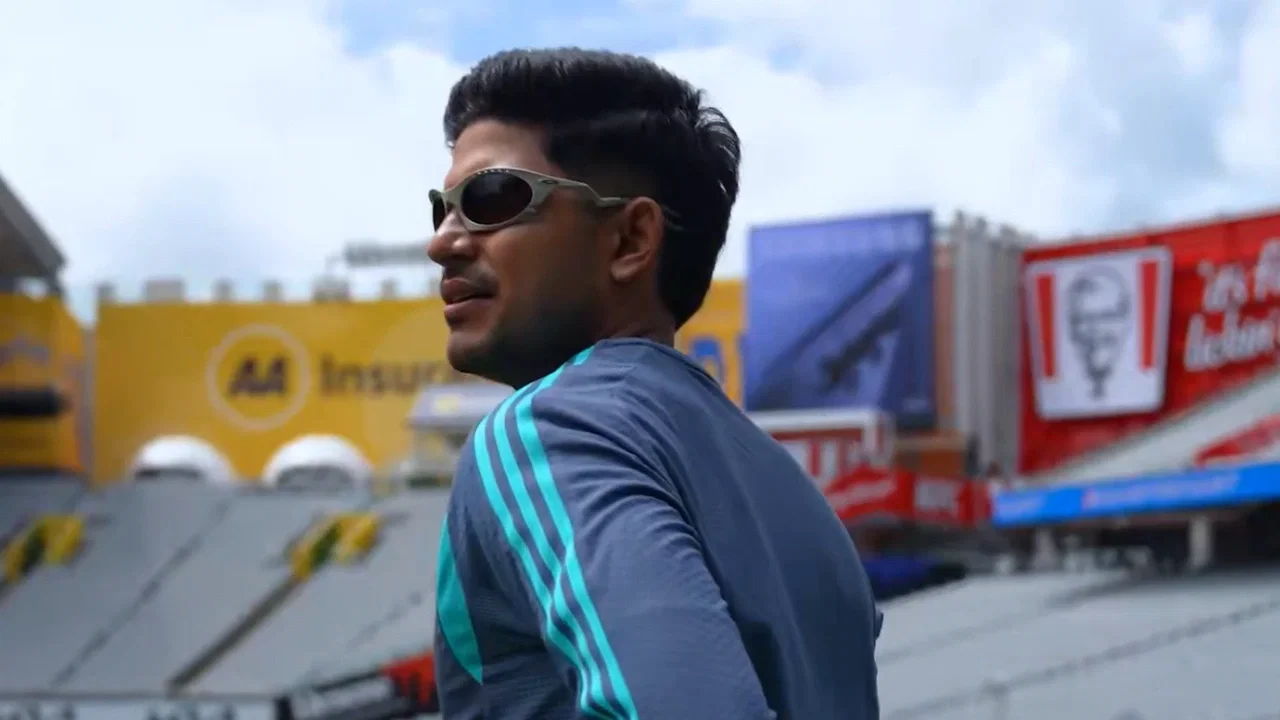
Watch: Gurnoor Brar’s reverse mind game forces Blair Tickner into a mistake in epic banter
Blair Tickner’s Late Six-Hitting Cameo Adds Spark to India vs New Zealand ODI
New Zealand’s innings in the opening ODI against India produced an unlikely late highlight: No. 11 batter Blair Tickner launched a counterattack that briefly unsettled the Indian bowlers and lifted the visitors from 146 for 9 to 185 all out. His 34 runs from just 23 deliveries included four sixes, turning a difficult lower-order stand into one of the match’s most entertaining passages.
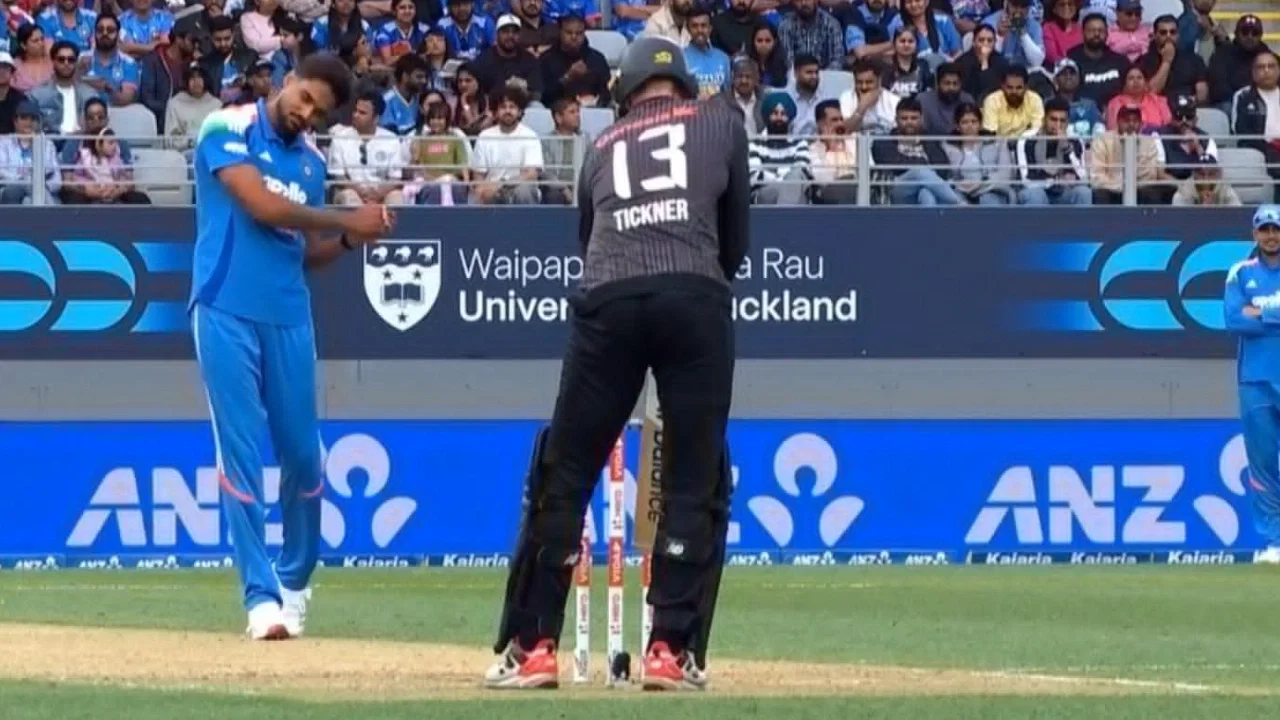
The cameo ended with a moment of on-field theatre. Indian fast bowler Gurnoor Brar and Tickner exchanged gestures after a missed pull shot, each appearing to offer the other advice. Brar had the final say, however, dismissing the New Zealand tailender on the very next delivery. The sequence offered a lively reminder that even in a match shaped by wickets and pressure, cricket can produce moments of humour alongside its competitive edge.
Tickner Turns a Collapse into a Late-Innings Surge
New Zealand’s batting had struggled against India’s pace attack, with wickets falling before the lower order had much chance to settle. Tom Seifert top-scored among the established batters with 38 from 43 balls, but the innings needed a late contribution to move beyond a modest total.
Tickner supplied it. Rather than simply defend at the end of the innings, he took on the bowlers and found the boundary with surprising regularity. His four sixes changed the tempo, forcing India to adjust its lengths and giving New Zealand’s final pair an opportunity to add valuable runs.
Tickner and Jacob Duffy put together 39 runs for the last wicket, a stand that proved significant in the context of the innings. At 146 for 9, New Zealand looked in danger of being dismissed for considerably less. Tickner’s aggressive approach pushed the score to 185, giving his side a more competitive target than the position had suggested.
Brar and Tickner Trade a Bit of Banter
The exchange that caught viewers’ attention came at the start of the 41st over. Brar bowled a short, back-of-a-length delivery, and Tickner attempted a pull but failed to make contact. The batter then moved across his crease and gestured towards the middle stump, seemingly suggesting where the bowler should aim.
Brar responded with a gesture of his own, pointing both thumbs as if telling Tickner to improve his pull shot. The brief exchange added a playful edge to an otherwise tense phase of the innings. Both players appeared determined to have the last word, but the contest was settled by the next ball rather than another gesture.
Brar Finds the Edge to End the No. 11’s Innings
Brar followed up with another short, quick delivery, repeating the line and length that had prompted Tickner’s previous attempt. Tickner swung again, but this time the ball took the edge of his bat. KL Rahul completed the catch, ending the New Zealand innings and bringing Tickner’s entertaining stay at the crease to a close.
The dismissal gave Brar an important wicket and stopped the tail from adding further runs. It also provided a neat finish to the brief battle between bowler and batter: Tickner had challenged India with his power, while Brar stayed with his plan and eventually found the breakthrough.
For fans looking for an early prediction about how the match might unfold, the innings offered a useful reminder that totals can be shaped by more than the top order. Tickner’s late hitting could influence the chase by making India work harder than New Zealand’s position at 146 for 9 initially suggested. At the same time, Brar’s dismissal ensured the visitors could not build on the momentum indefinitely.
India’s Bowlers Keep New Zealand to 185
India’s attack shared the work of restricting New Zealand to 185. Arshdeep Singh led the wicket-taking effort with four dismissals, while Brar claimed three. Anshul Kamboj also made a strong contribution, taking two wickets and keeping the scoring rate under control with an economy rate of 2.20. Auqib Nabi and Axar Patel finished without a wicket.
Although Tickner’s hitting briefly disrupted India’s control, the bowling unit had already put New Zealand under sustained pressure. The contrast between the early collapse and the late burst was striking: India’s seamers repeatedly found ways to take wickets, but Tickner’s willingness to attack ensured the innings did not end quietly.
Why Tickner’s Cameo Matters
A 34-run contribution from a No. 11 batter may appear small on a scorecard, but its value depends on the match situation. Tickner scored quickly, struck four sixes and helped add 39 runs for the final wicket. Those runs could become important if the contest is close, particularly if the pitch makes stroke-making difficult or the required rate rises during India’s chase.
His innings also highlighted a familiar challenge for bowling sides: dismissing the top order does not automatically end the scoring threat. Tailenders who can clear the boundary can change a total in a handful of deliveries, making disciplined plans and sharp execution essential right through the final wicket.
For New Zealand, Tickner’s late counterattack provided a measure of resistance after a difficult batting performance. For India, Brar’s response ensured that the partnership ended before it could grow further. The result was a memorable exchange of skill and personality—one that gave the opening ODI an unexpected burst of drama before the chase began.
Latest News
Suresh Raina announces willingness to become CSK coach
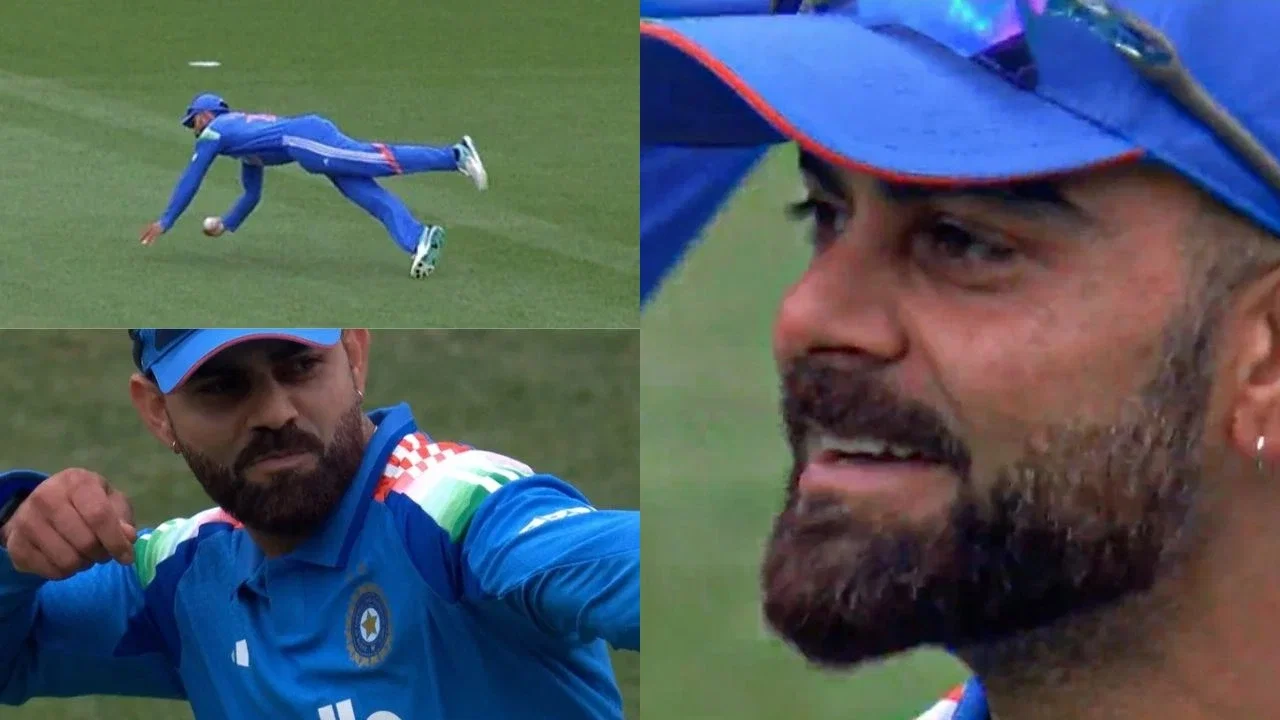
Watch: Virat Kohli takes one-handed blinder before breaking into Bow and Arrow celebration vs NZ
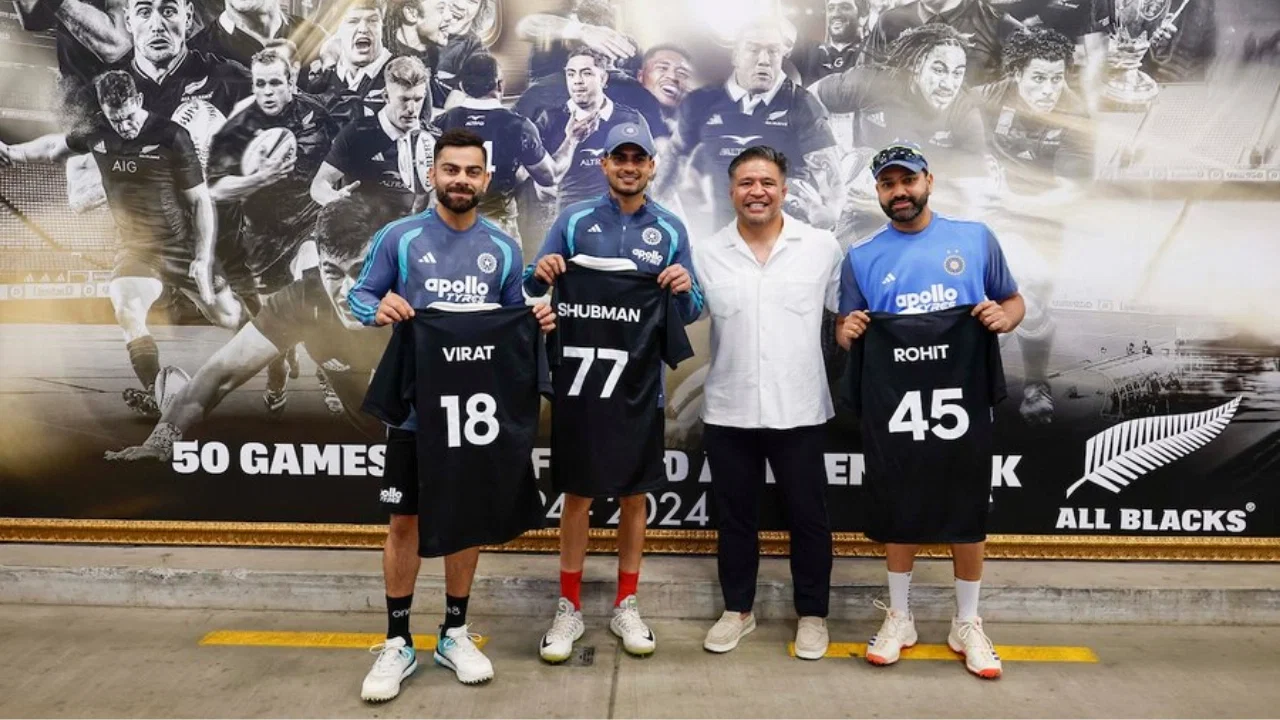
Virat Kohli, Rohit Sharma and Shubman Gill receive personalized All Blacks jerseys ahead of 1st ODI
“The celebration was for my girlfriend”: Arshdeep Singh on gesture after Kyle Jamieson’s dismissal
Rohit Sharma bags first-ever ODI duck against New Zealand in bizarre start to tour
Watch: Virat Kohli teases Glenn Phillips with John Cena’s ‘You Can’t See Me’ celebration
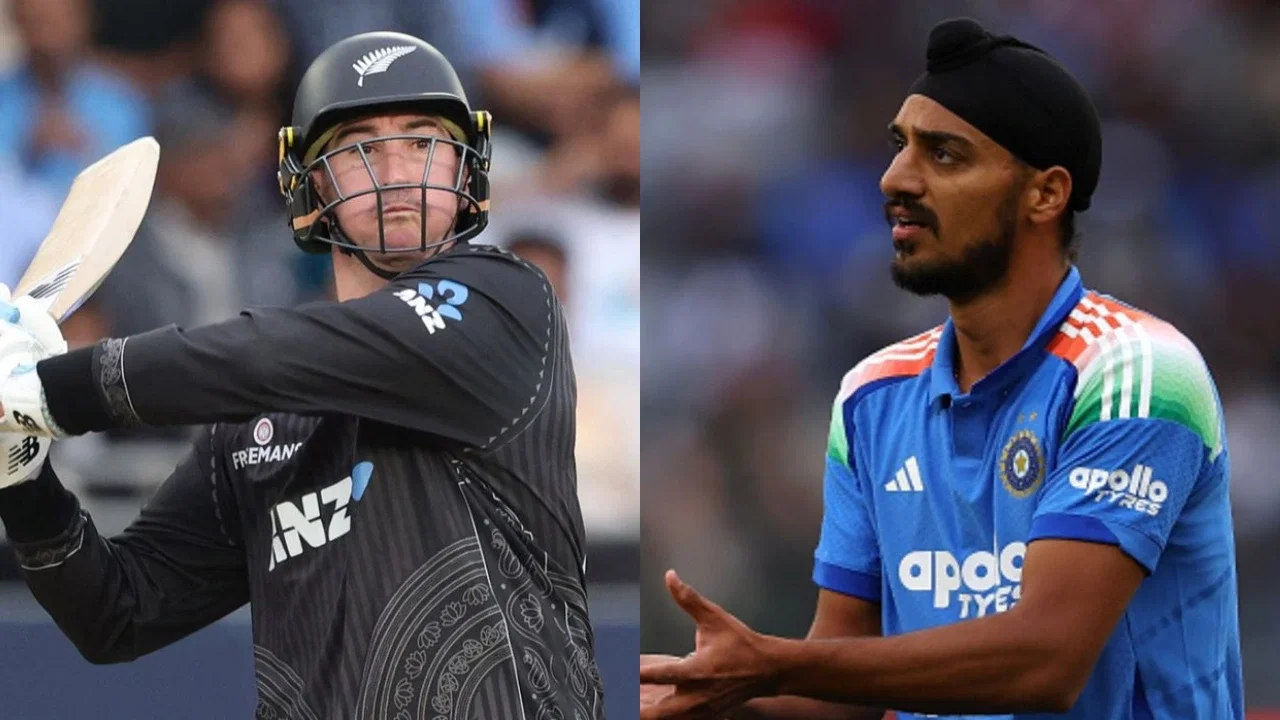
Arshdeep Singh gets hammered as Blair Tickner creates special ODI records in Auckland
Mike Hesson asks Pakistan ground staff to prepare pace-friendly pitches for Sri Lanka Tests
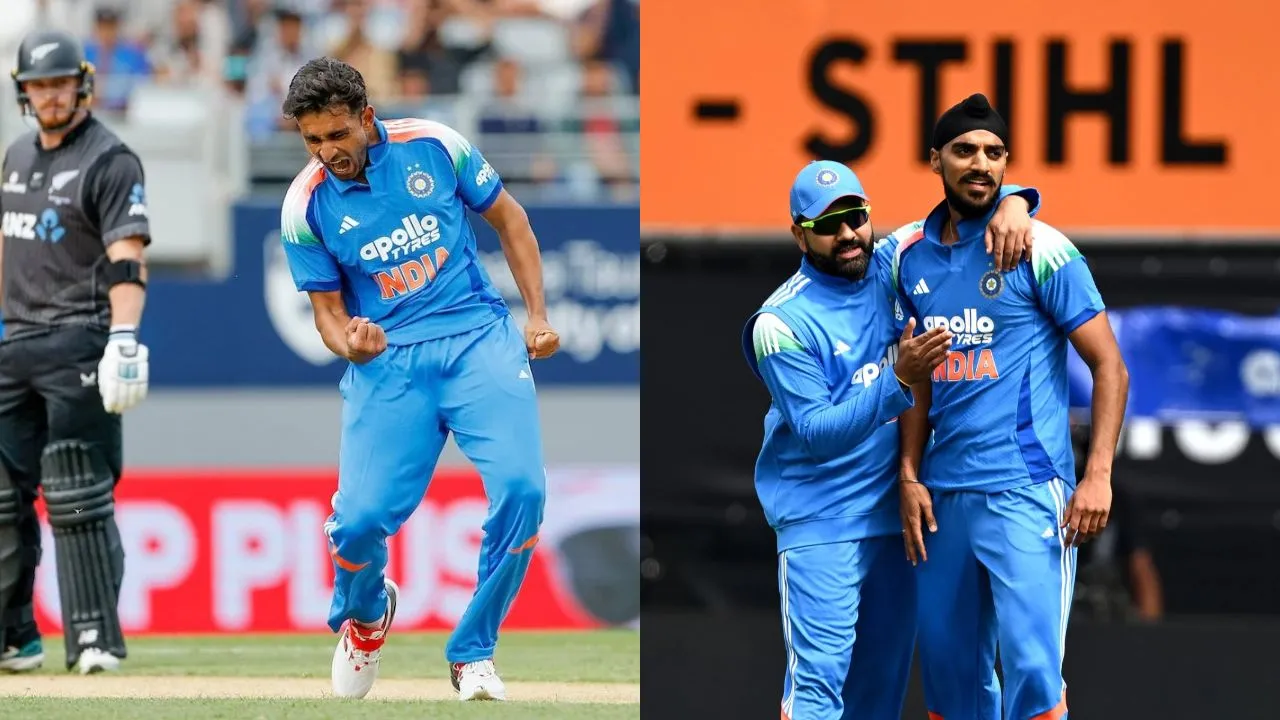
Anshul Kamboj, Arshdeep Singh create history as India dominate New Zealand in 1st ODI
Watch: Gurnoor Brar’s reverse mind game forces Blair Tickner into a mistake in epic banter
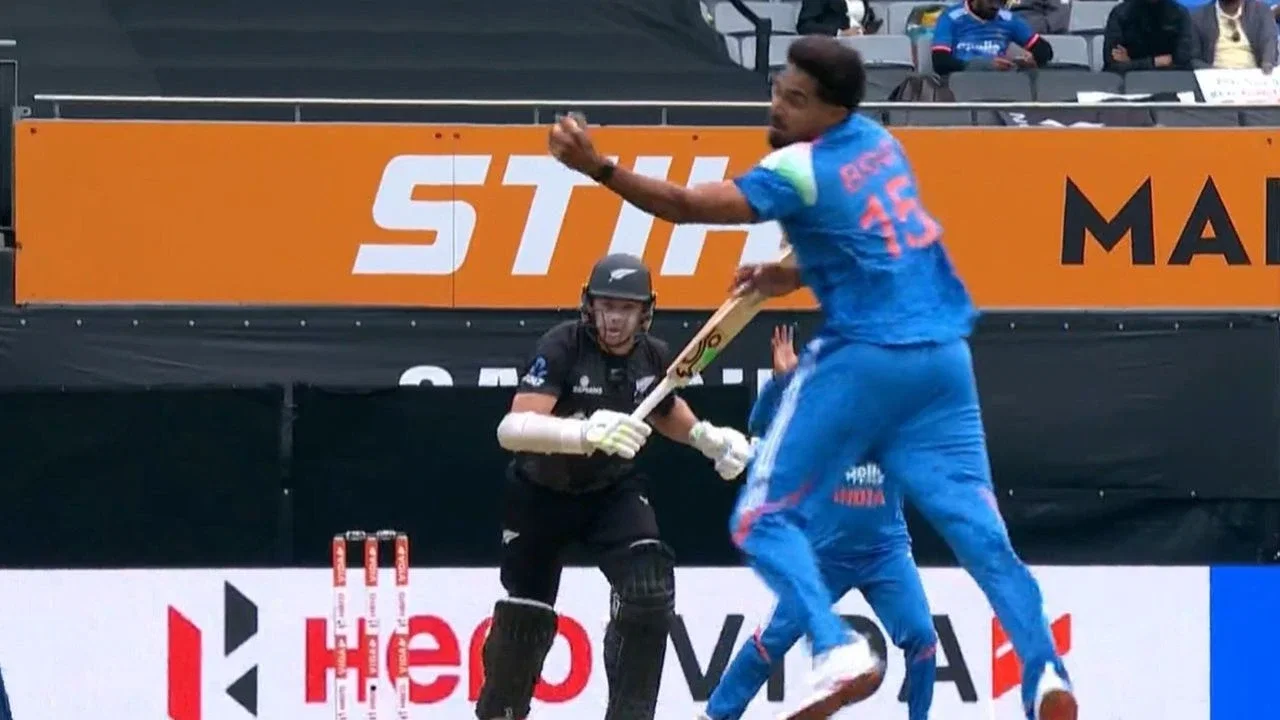
Watch: Gurnoor Brar takes one-handed blinder to dismiss Tom Latham in IND vs NZ 1st ODI
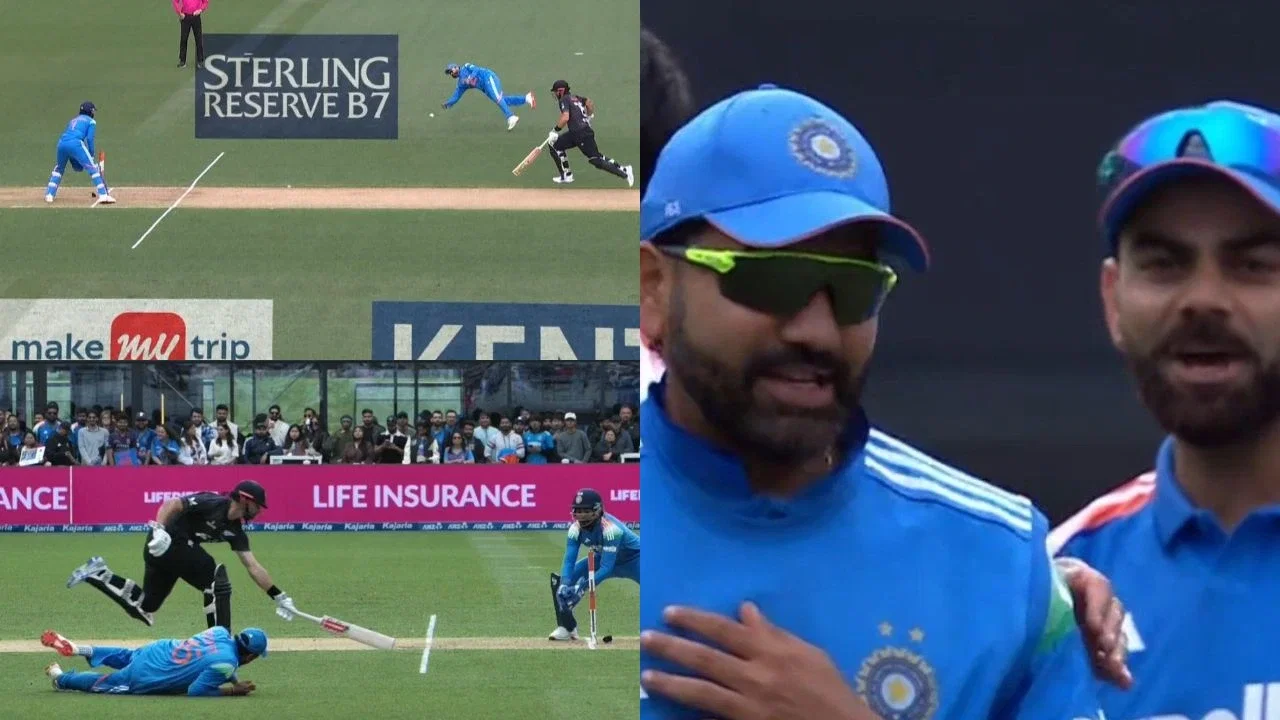
Watch: ‘Flying’ Rohit Sharma’s fielding brilliance sends Daryl Mitchell packing in 1st ODI
Simon Harmer reveals why Jack Leach should be picked for the SA vs ENG Test series
Sadagopan Ramesh questions CSK’s decision to not appoint a batting coach