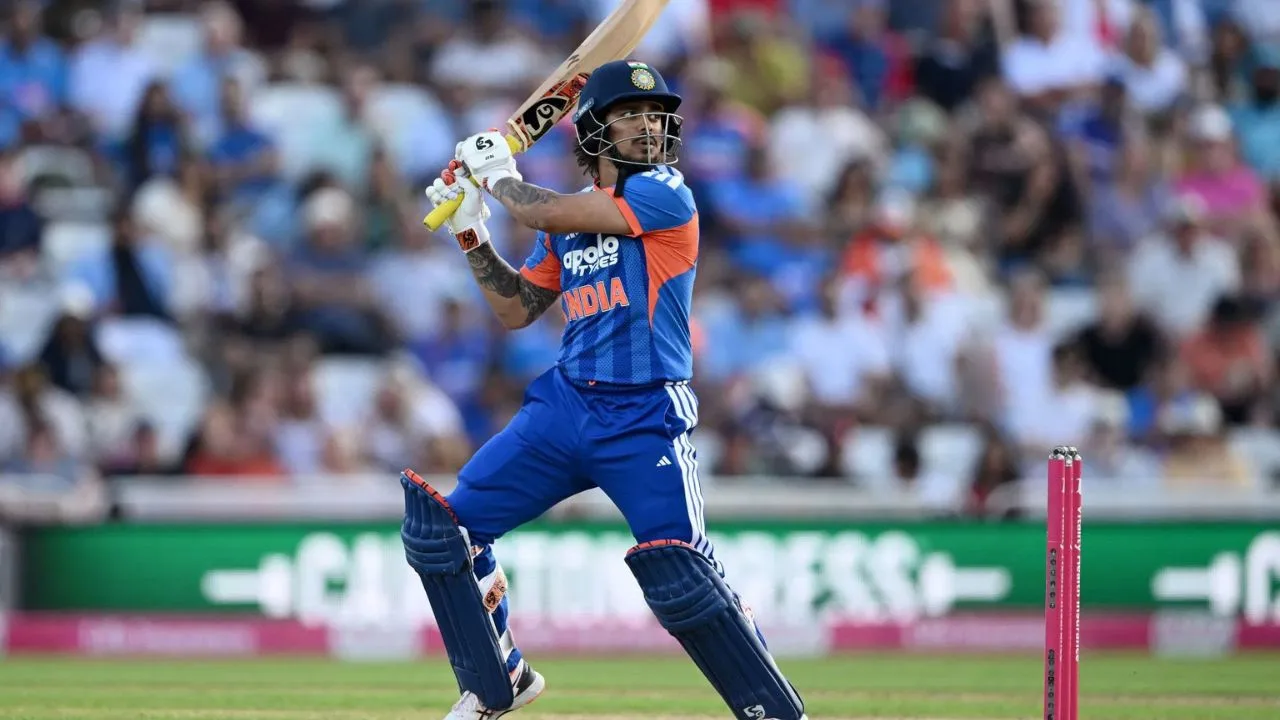
Bhuvneshwar Kumar to be dropped from India T20I squad after New Zealand series?
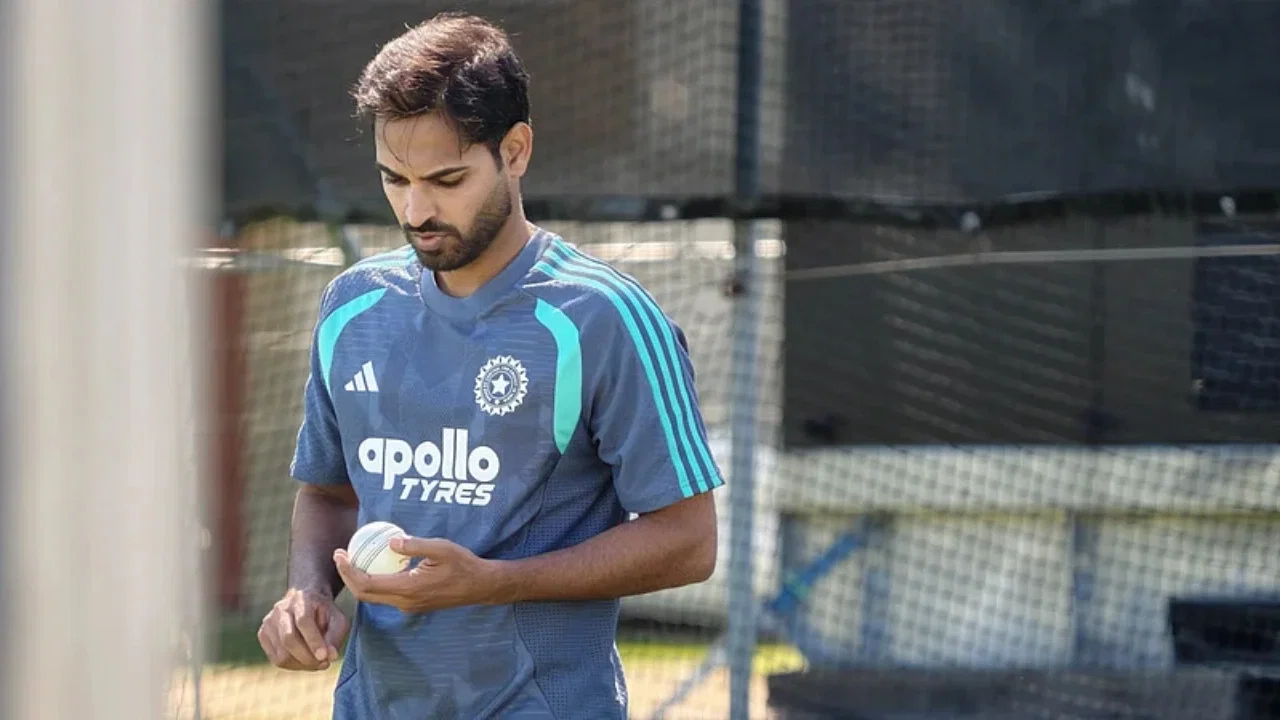
Bhuvneshwar Kumar’s T20I Future in Doubt After Costly New Zealand Series
Bhuvneshwar Kumar’s place in India’s T20I plans is under scrutiny after a difficult return to international cricket against New Zealand. The experienced fast bowler struggled to control the scoring on batter-friendly pitches, and his expensive performances may influence the selectors’ next squad decisions as India builds towards future tournaments.
India won the five-match series 3-1, but the result did little to ease questions about Bhuvneshwar’s effectiveness in the conditions. After being left out of the fourth match, the 36-year-old returned for the finale in Hamilton on November 1. New Zealand chased India’s target of 192 with seven wickets and two overs to spare, while Bhuvneshwar finished with figures of 4-0-41-0.
A Challenging Comeback Against New Zealand
Bhuvneshwar had a difficult opening run in the series. Across his first three appearances, he conceded 139 runs in 12 overs and claimed one wicket, producing an economy rate of 11.58. His only breakthrough came in the second T20I, where he still gave up 50 runs from his four overs.
The numbers reflected a broader struggle to find control. New Zealand’s batters made effective use of the flat surfaces and relatively short boundaries, putting pressure on India’s bowlers in both the middle and closing stages of the innings. For a bowler whose strengths have often included accuracy, swing and changes of pace, the series offered few comfortable spells.
After three expensive outings, India’s management left Bhuvneshwar out of the fourth T20I in Auckland. Mayank, who came into the side in his place, claimed three wickets. Bhuvneshwar was then recalled for the final match, but he was unable to make a significant impact. He conceded 41 runs without taking a wicket, although he added six runs from four deliveries with the bat, including a boundary.
Selection Questions as India Plans for the Future
One difficult series does not erase Bhuvneshwar’s long contribution to Indian cricket, but it may sharpen questions about where he fits in the team’s next phase. India is expected to keep developing its T20I squad with the 2028 T20 World Cup in mind, making competition for specialist pace-bowling roles increasingly important.
Modern T20 cricket places a premium on bowlers who can adapt quickly: defending totals on high-scoring grounds, taking wickets when batters attack, and executing plans at the death. Bhuvneshwar’s New Zealand performances highlighted how challenging those demands can become when conditions offer little assistance and the margins for error are small.
India has other pace options available, including Arshdeep Singh and Prince Yadav, while Mayank’s three-wicket performance in Auckland gives the selectors another result to consider. The key issue will be whether the team values Bhuvneshwar’s experience and skill set enough to retain him, or instead uses upcoming bilateral series to assess younger alternatives.
What the prediction means for Bhuvneshwar
The prediction that Bhuvneshwar could be left out of future T20I squads remains a possibility rather than a confirmed selection decision. His place will likely depend on the balance India wants in its attack, the conditions for upcoming matches and how competing bowlers perform. A return to form in domestic cricket or other opportunities could still strengthen his case.
For the selectors, the challenge is to judge more than a handful of scorecards. They must weigh experience against current form, and consider whether a bowler can offer dependable options across different venues. Bhuvneshwar’s record and knowledge remain valuable, but his latest series has made his short-format role less certain.
Jasprit Bumrah’s Workload May Shape Sri Lanka T20I Plans
India’s pace-bowling selections may also be affected by the management of Jasprit Bumrah. He is reportedly unlikely to feature in the upcoming T20I series against Sri Lanka as the team takes a cautious approach to his workload. Rather than using him in every bilateral assignment, India may prioritise his availability for major competitions and red-ball cricket.
The management’s reported focus includes keeping Bumrah fit for the five-match Border-Gavaskar Trophy series against Australia, scheduled to begin on January 21, 2027. Medical staff at the BCCI’s Centre of Excellence are understood to be monitoring his bowling workload to limit unnecessary injury risks.
That approach reflects the demands placed on a fast bowler who is central to India’s plans across formats. With the 2027 ODI World Cup and other major events also on the horizon, carefully managing Bumrah’s appearances could be as important as selecting the strongest available XI for each bilateral series.
India’s Pace Attack Faces a Period of Transition
Bumrah’s possible absence and uncertainty around Bhuvneshwar underline the broader task facing India’s selectors: maintaining depth while protecting key players and preparing the next generation. If senior bowlers are rested or left out, opportunities will open for emerging options to demonstrate whether they can handle pressure at international level.
For Bhuvneshwar, the New Zealand series has made the road back to a regular T20I place more demanding. For India, it provides a timely reminder that a successful attack needs more than familiar names. The next selection decisions will show whether the team still sees a role for the veteran pacer—or whether its T20I plans are moving towards a new combination.
Latest News
Mark Chapman, Rachin Ravindra ruled out of India ODIs; New Zealand name replacements
Virat Kohli is on the verge of breaking multiple records against New Zealand
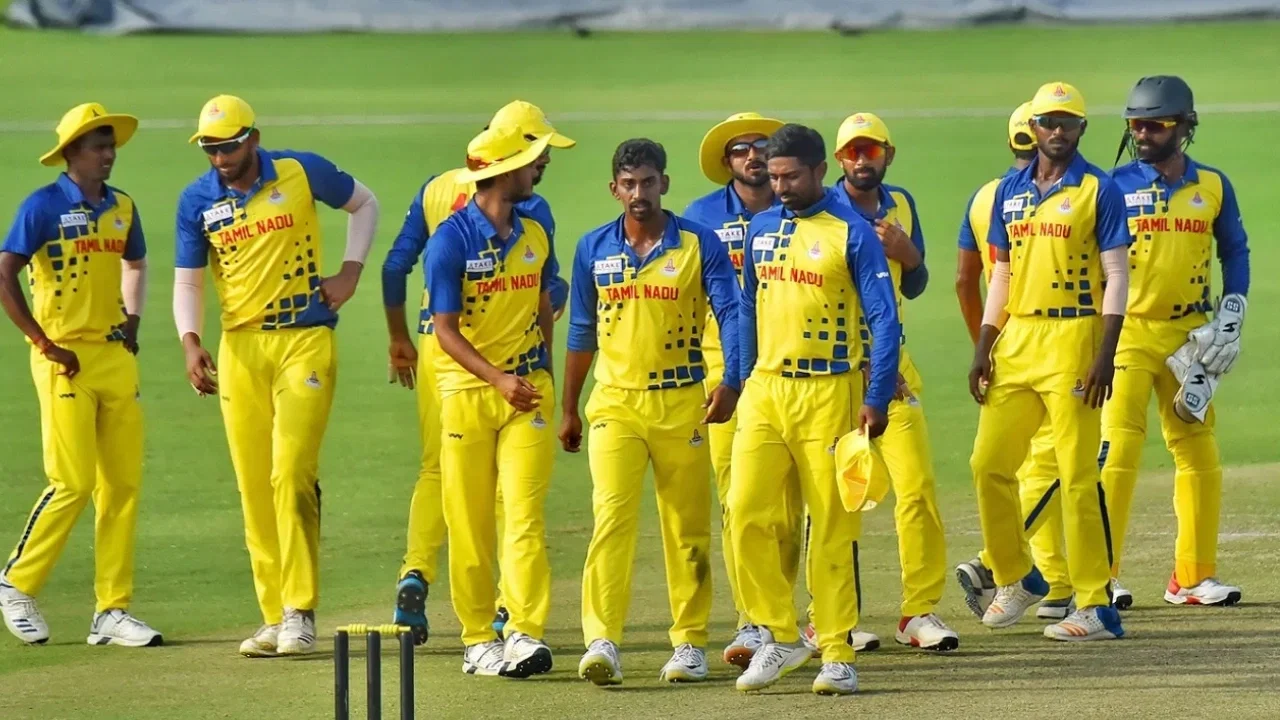
Tamil Nadu reveal full squad for SMAT 2026-27, Sai Kishore named captain
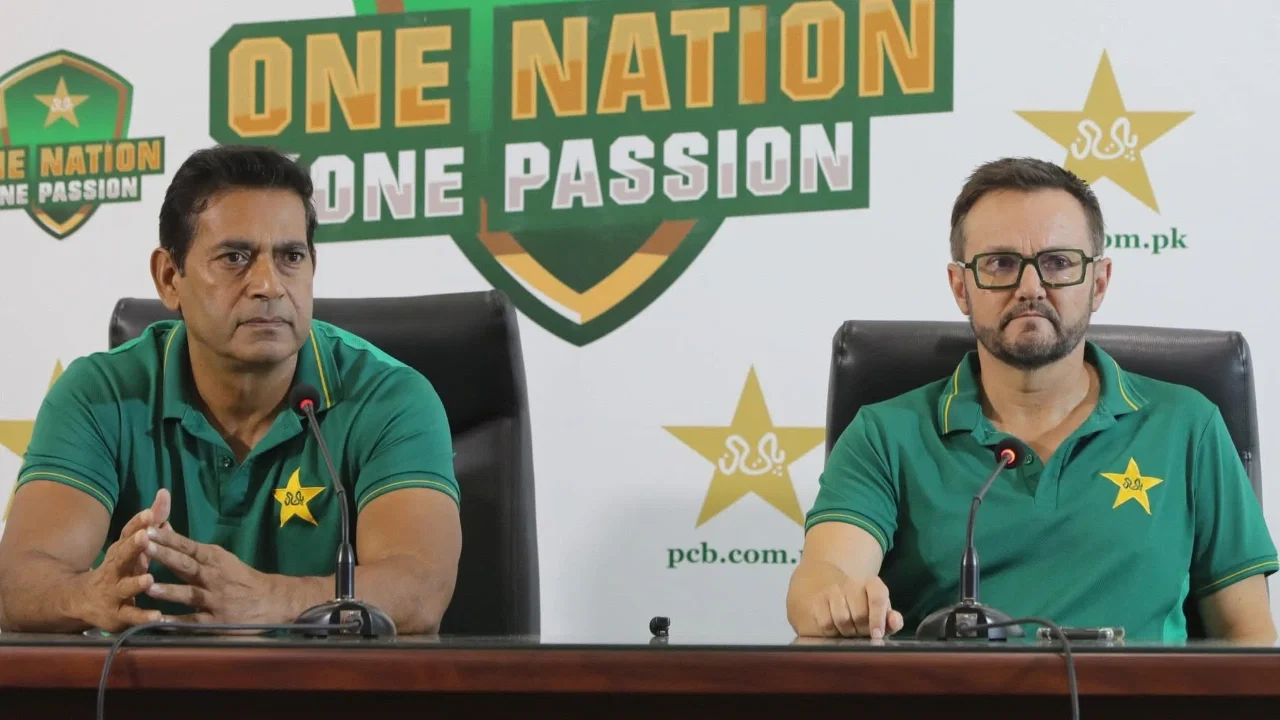
Pakistan set for central contract changes as Mikes Hesson urges investment in young players: Report
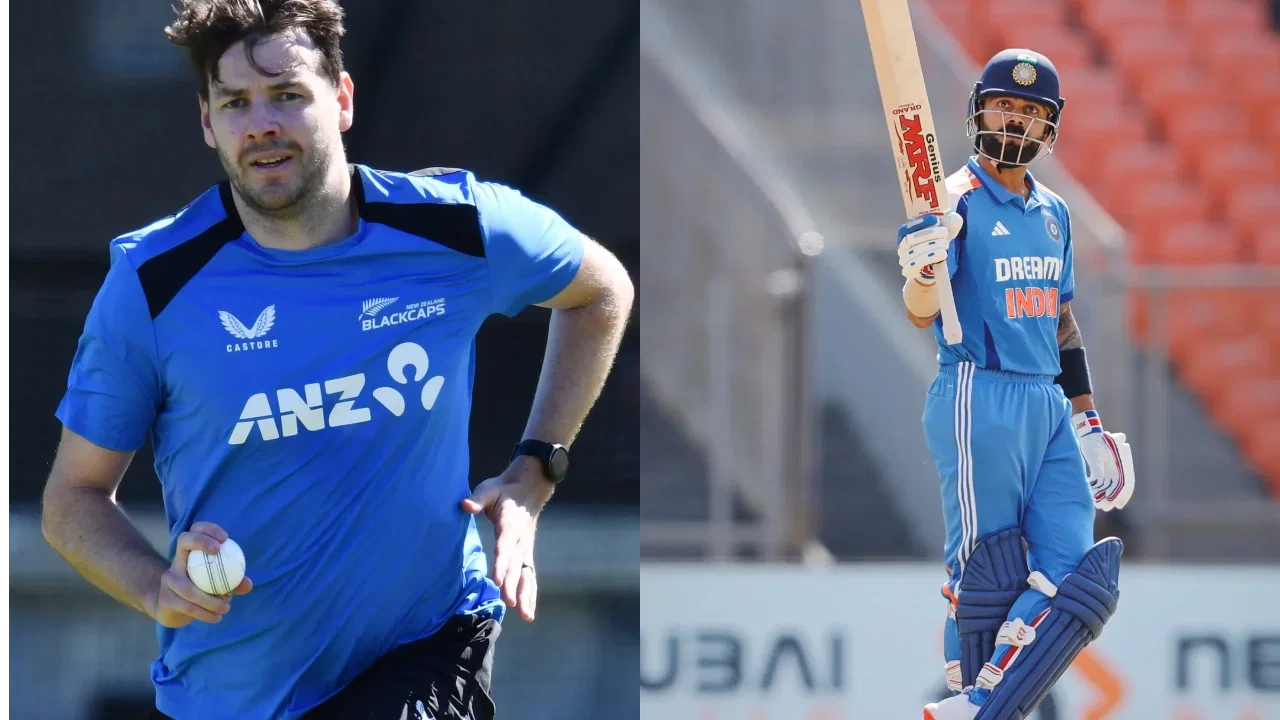
Jacob Duffy calls Virat Kohli a “religious figure” in India, praises his humility
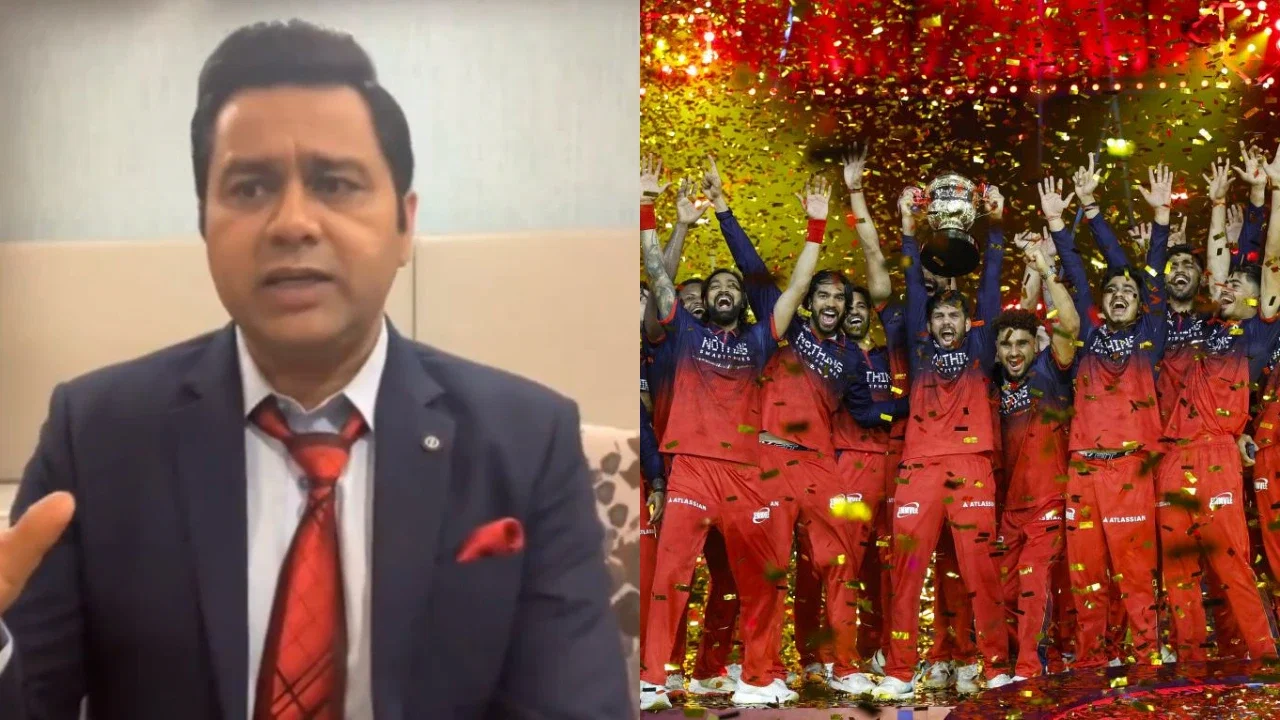
Aakash Chopra names 5 players RCB must retain and 1 star they should release ahead of IPL 2027 Auction
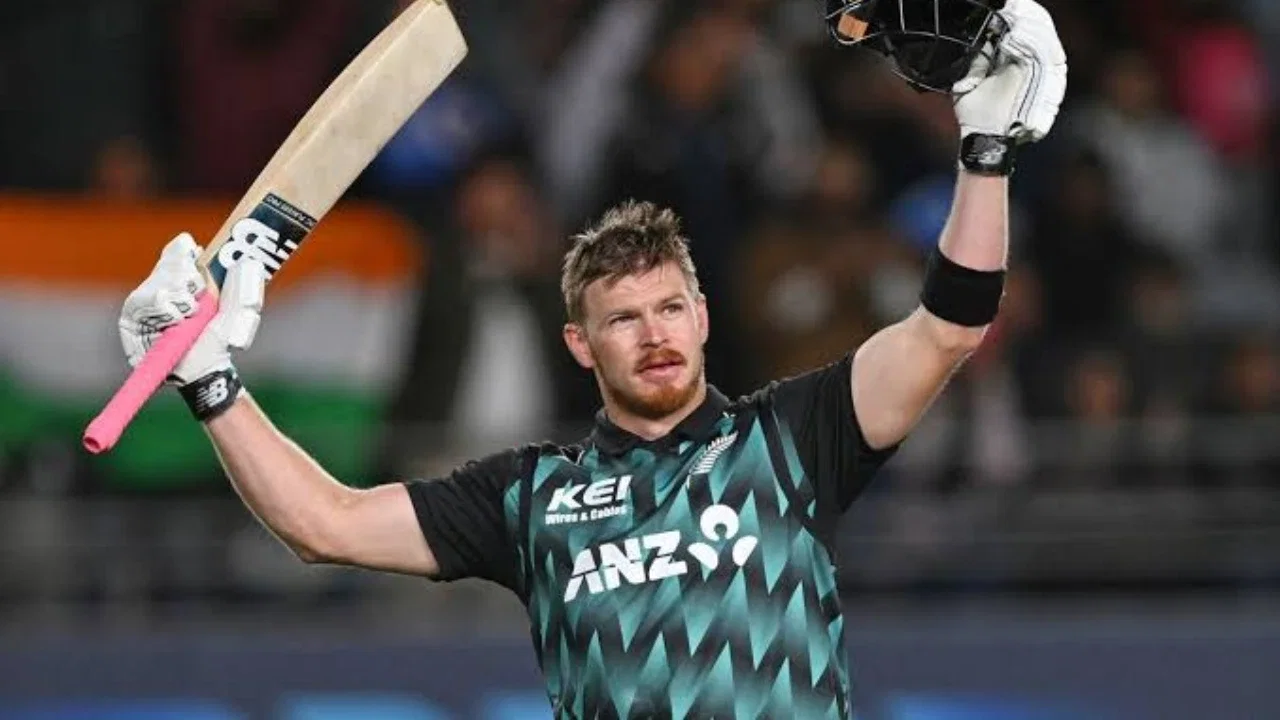
Glenn Phillips sets world record for most runs in a bilateral T20I series
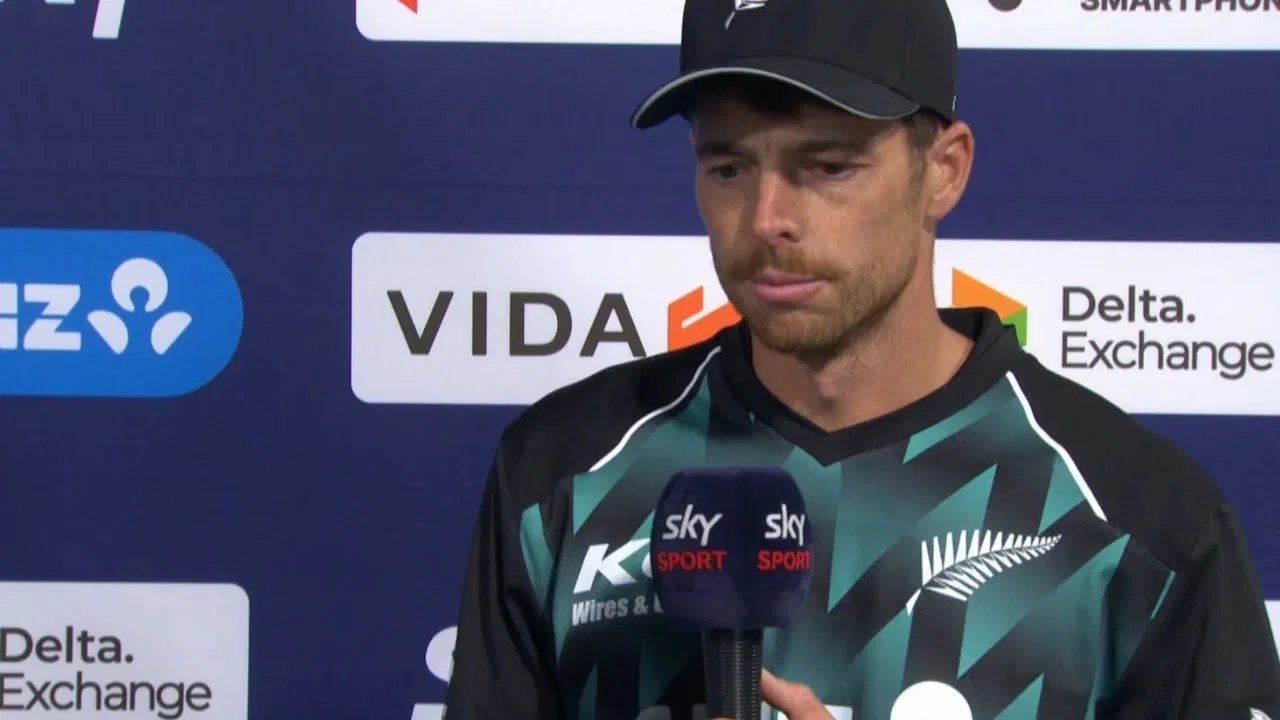
“Could’ve been the other way”: Mitchell Santner reflects on New Zealand’s 3-2 series loss to India
Bhuvneshwar Kumar to be dropped from India T20I squad after New Zealand series?
Glenn Phillips shares key to his success after winning Player of the Series against India
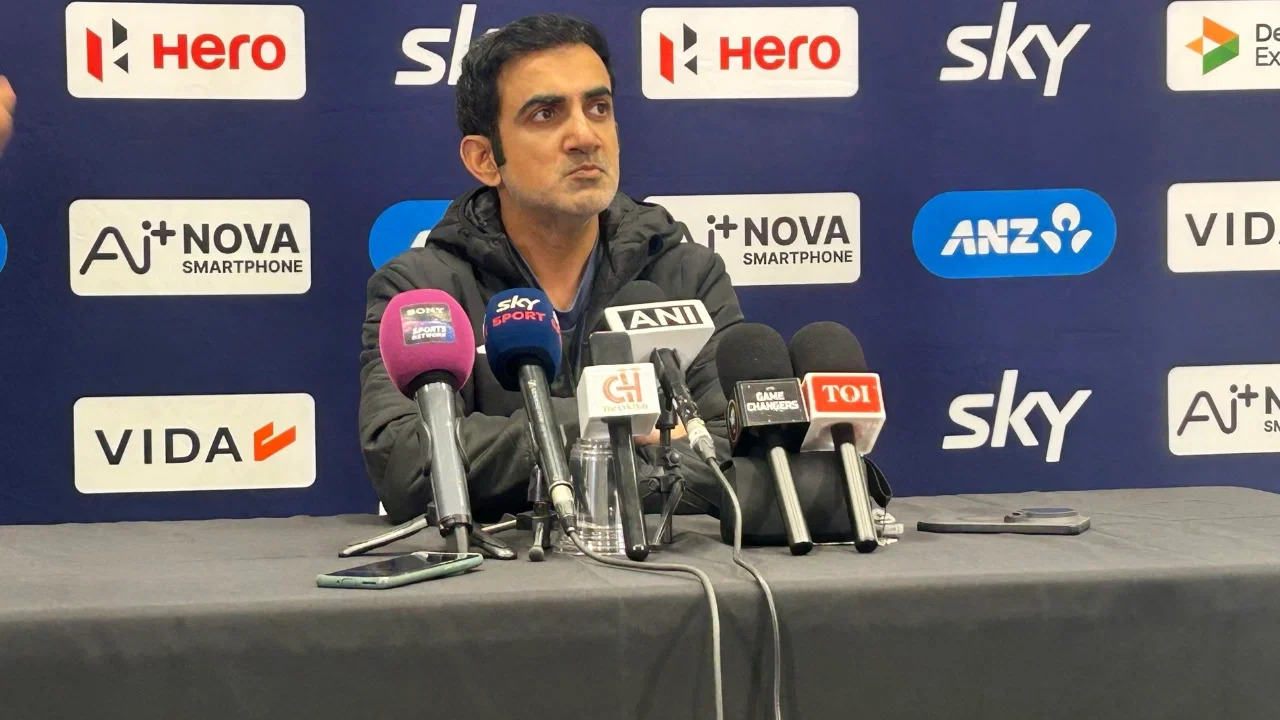
“Ready to take the bullet”: Gautam Gambhir takes responsibility after India’s consecutive defeats vs New Zealand
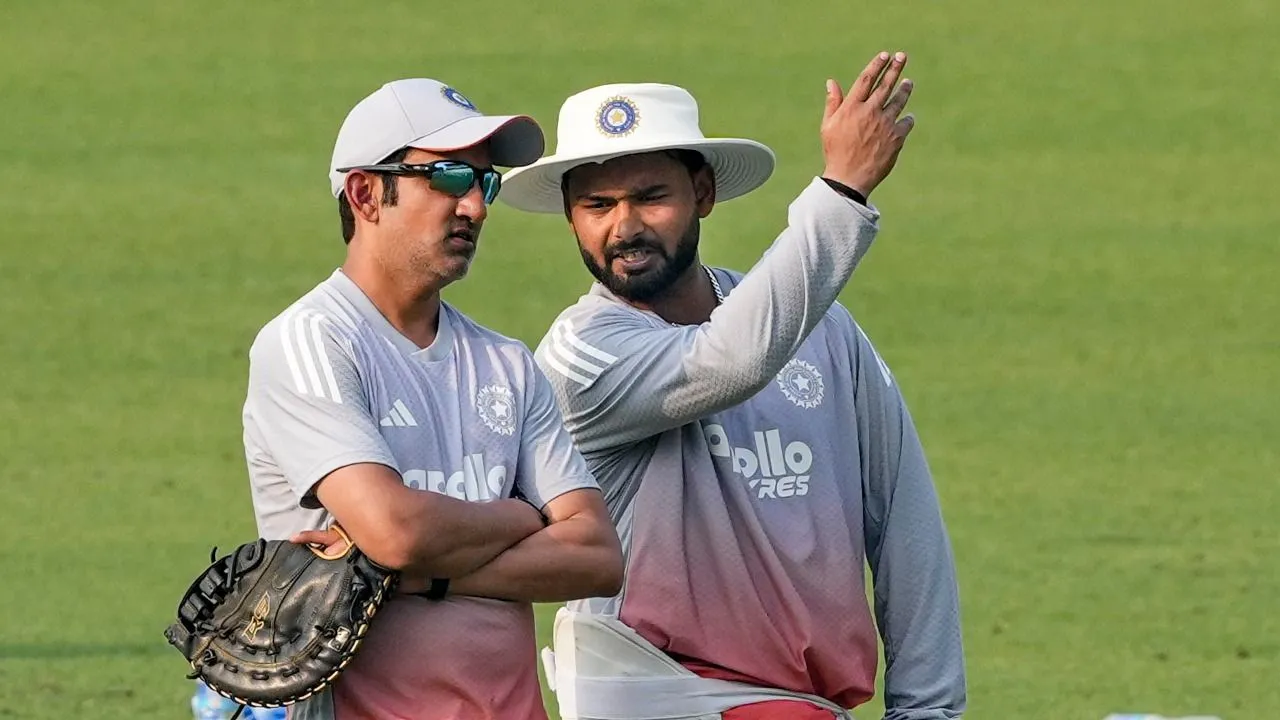
“I don’t have an update yet”: Gautam Gambhir shares latest update on Rishabh Pant’s availability
Shreyas Iyer brings New Zealand’s famous Mana Wave celebration after quickfire fifty vs New Zealand
Mohammad Yousaf asks PCB to send Babar Azam back ‘to an academy in England or Australia’