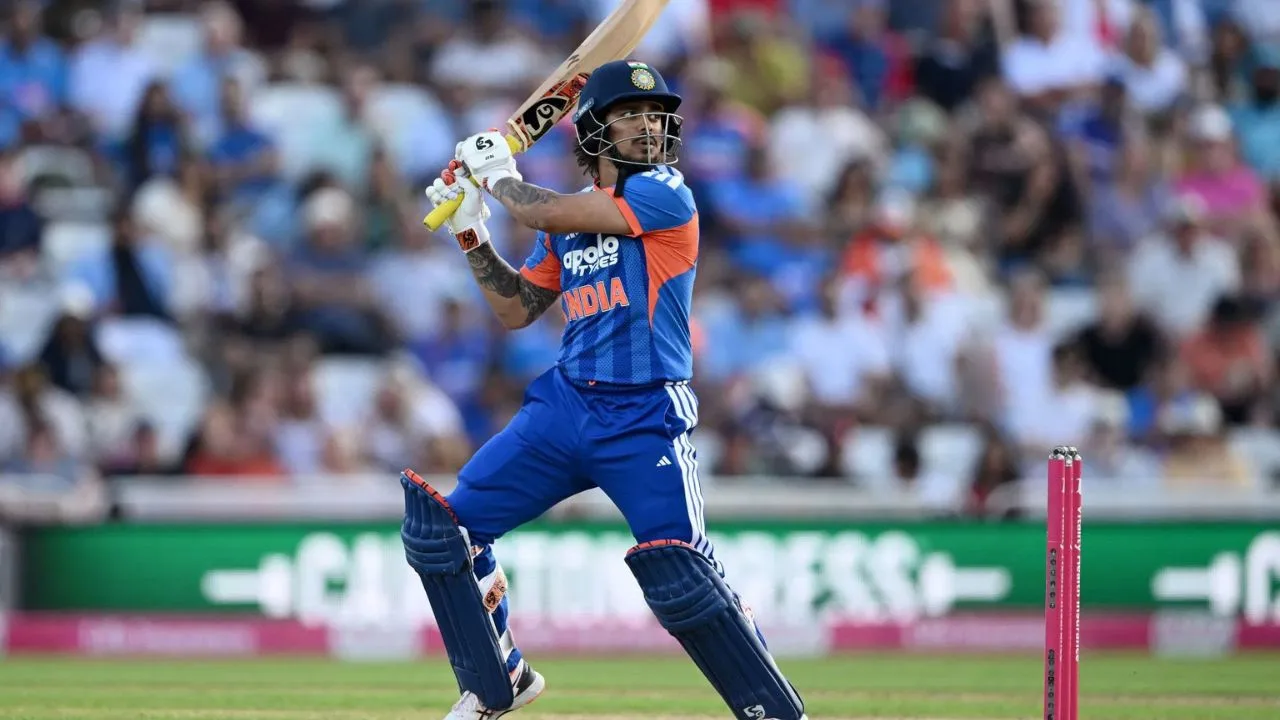
“Ready to take the bullet”: Gautam Gambhir takes responsibility after India’s consecutive defeats vs New Zealand
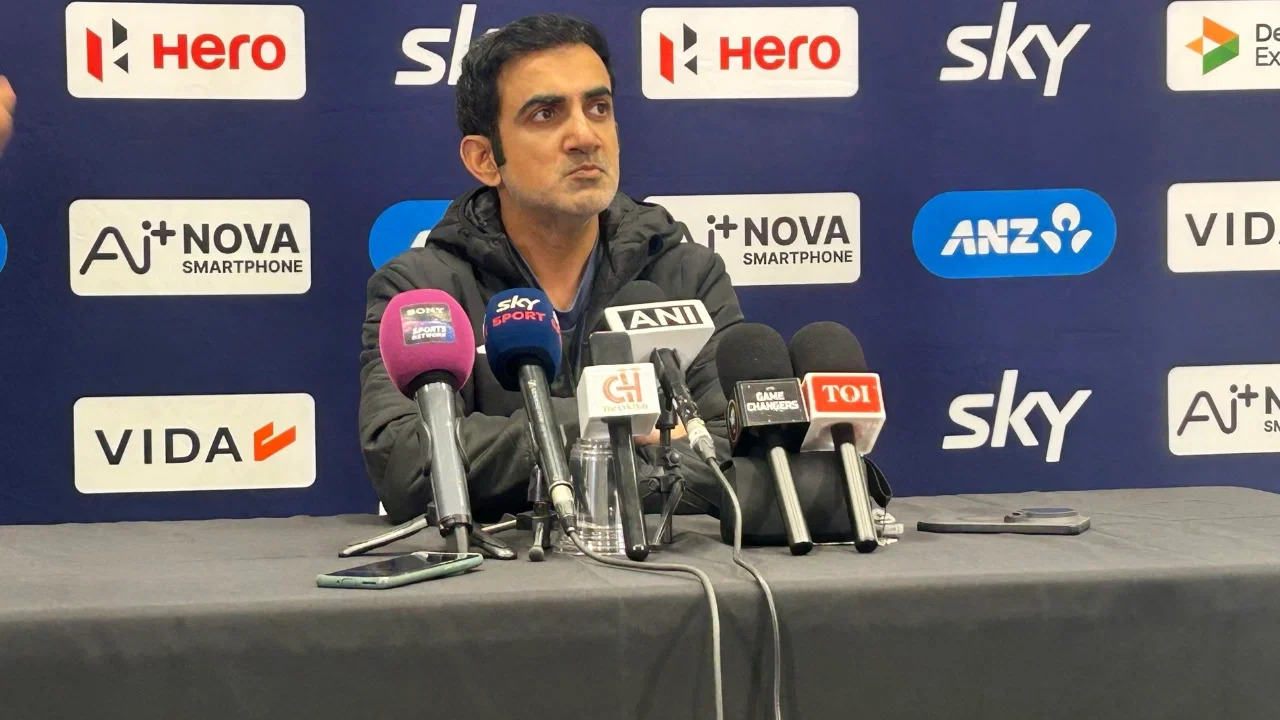
Gautam Gambhir Backs India After New Zealand T20I Setbacks, Praises Shreyas Iyer
India may have secured the five-match T20I series against New Zealand, but two consecutive defeats at the end of the contest prompted questions about the team’s form and preparation. Head coach Gautam Gambhir responded by defending the players’ efforts in demanding overseas conditions, while singling out captain Shreyas Iyer for his contribution with both bat and leadership.
The results offered a reminder that even a highly rated T20 side can face difficulties when adapting to unfamiliar pitches, weather and ground dimensions. For Gambhir, the broader picture mattered: India had to respond to changing conditions, manage a tight schedule and give opportunities to players with limited experience in New Zealand.
Gambhir Highlights Iyer’s All-Round Contribution
Iyer’s performance in the series finale at Seddon Park in Hamilton drew particular praise from the India coach. After openers Abhishek Sharma and Sanju Samson fell early, the captain helped steady the innings with a half-century and an important partnership with Ishan Kishan.
That contribution was especially valuable in a match where India needed to recover from an unsettled start. Iyer’s innings provided stability and gave the middle order a platform to build on, underlining the importance of composure when early wickets put a team under pressure.
Gambhir also pointed to Iyer’s work leading an inexperienced bowling group in the post-World Cup period. “Shreyas Iyer has done a phenomenal job with an inexperienced bowling attack after the World Cup,” he told reporters, adding that the team had been tested by strong opposition in challenging conditions.
The coach’s comments reflect the demands of captaincy in international cricket. A skipper must make tactical decisions while also helping players adjust to unfamiliar surroundings. In New Zealand, that can mean responding to conditions that differ from those at home, including changes in pace, bounce, wind and outfield speed. Iyer’s value, Gambhir suggested, was not limited to his runs.
India’s Series Win Comes With Lessons
Winning the series remained a significant achievement, but the two late losses gave India plenty to review. A series result does not always tell the full story of a team’s performance: the final matches can reveal weaknesses in execution, combinations or preparation that are worth addressing before the next assignment.
For India, the challenge was heightened by the number of players experiencing New Zealand conditions for the first time. Adjusting quickly is a key part of touring cricket, particularly in T20Is, where teams have little time to settle into a rhythm. Batters need to assess the surface rapidly, while bowlers must identify the right lengths and variations for each venue.
Gambhir nevertheless praised the group’s response, noting that the players had only one day to prepare for the final match after travelling from Auckland to Hamilton. The short turnaround left little room for extended training or recovery, making adaptability an important part of the contest.
Gambhir Discusses the Pressure of Coaching
Gambhir also addressed a side of workload management that receives less attention: the pressure placed on coaches. Players’ schedules and recovery are regularly discussed, but head coaches must also prepare different groups for the demands of Test cricket, one-day internationals and T20Is—formats that require distinct skills, strategies and training plans.
He said he was willing to shoulder that responsibility, while acknowledging that the job can be difficult. “I am ready to take the bullet… it gets tough. I am also human, but I am up for the challenge, and that’s my job,” Gambhir said.
His remarks offer a glimpse into the work behind a team’s results. Coaches must balance immediate match preparation with longer-term planning, assess player availability and help maintain consistency across formats. That workload can become especially demanding during extended tours or congested international calendars.
Tight Fixtures Raise Questions About Preparation
The short gap between the fourth and fifth T20Is became another talking point. India had only one day between matches and also had to travel from Auckland to Hamilton. Reporters asked Gambhir whether players would benefit from more rest and preparation time in such circumstances.
Gambhir said scheduling is handled at the Board of Control for Cricket in India level and stressed the importance of prioritising preparation according to the format. He argued that a brief three-day preparation period may not be sufficient ahead of a red-ball series, suggesting that an eight- or nine-day camp could provide a better foundation.
“Planning is done at BCCI level. Prioritising is important. Every match for the country is important,” he said. His comments point to a broader scheduling challenge: international teams must fit multiple formats, travel and recovery into calendars that leave limited space for dedicated training camps.
While T20 cricket often requires quick tactical adjustments, Test cricket places different demands on players. Longer preparation can help batters work on technique, bowlers build workloads and the squad become familiar with conditions before a multi-day series begins. Gambhir’s preference for a longer camp highlights how preparation needs can vary considerably between formats.
What Could Come Next for India?
India’s series victory provides a positive foundation, while the late defeats offer useful material for review. The team can assess its batting response after early wickets, the effectiveness of its bowling plans and how best to manage players during compressed schedules. Those questions are likely to shape selection and training decisions in future overseas tours.
Any prediction about India’s next T20I performances should account for both the team’s depth and the difficulties of playing away from home. The squad has talent and experience, but success in unfamiliar conditions depends on preparation, role clarity and the ability to adapt quickly. Iyer’s leadership and Gambhir’s emphasis on resilience will remain part of that conversation.
For now, Gambhir’s message was clear: the players should be judged in the context of the challenges they faced, not only by the final two results. India left the series with the overall win, valuable experience for its newer players and several lessons to carry into its next international assignment.
Latest News

Mark Chapman, Rachin Ravindra ruled out of India ODIs; New Zealand name replacements
Virat Kohli is on the verge of breaking multiple records against New Zealand
Tamil Nadu reveal full squad for SMAT 2026-27, Sai Kishore named captain

Pakistan set for central contract changes as Mikes Hesson urges investment in young players: Report

Jacob Duffy calls Virat Kohli a “religious figure” in India, praises his humility

Aakash Chopra names 5 players RCB must retain and 1 star they should release ahead of IPL 2027 Auction

Glenn Phillips sets world record for most runs in a bilateral T20I series

“Could’ve been the other way”: Mitchell Santner reflects on New Zealand’s 3-2 series loss to India

Bhuvneshwar Kumar to be dropped from India T20I squad after New Zealand series?
Glenn Phillips shares key to his success after winning Player of the Series against India
“Ready to take the bullet”: Gautam Gambhir takes responsibility after India’s consecutive defeats vs New Zealand
“I don’t have an update yet”: Gautam Gambhir shares latest update on Rishabh Pant’s availability

Shreyas Iyer brings New Zealand’s famous Mana Wave celebration after quickfire fifty vs New Zealand
Mohammad Yousaf asks PCB to send Babar Azam back ‘to an academy in England or Australia’