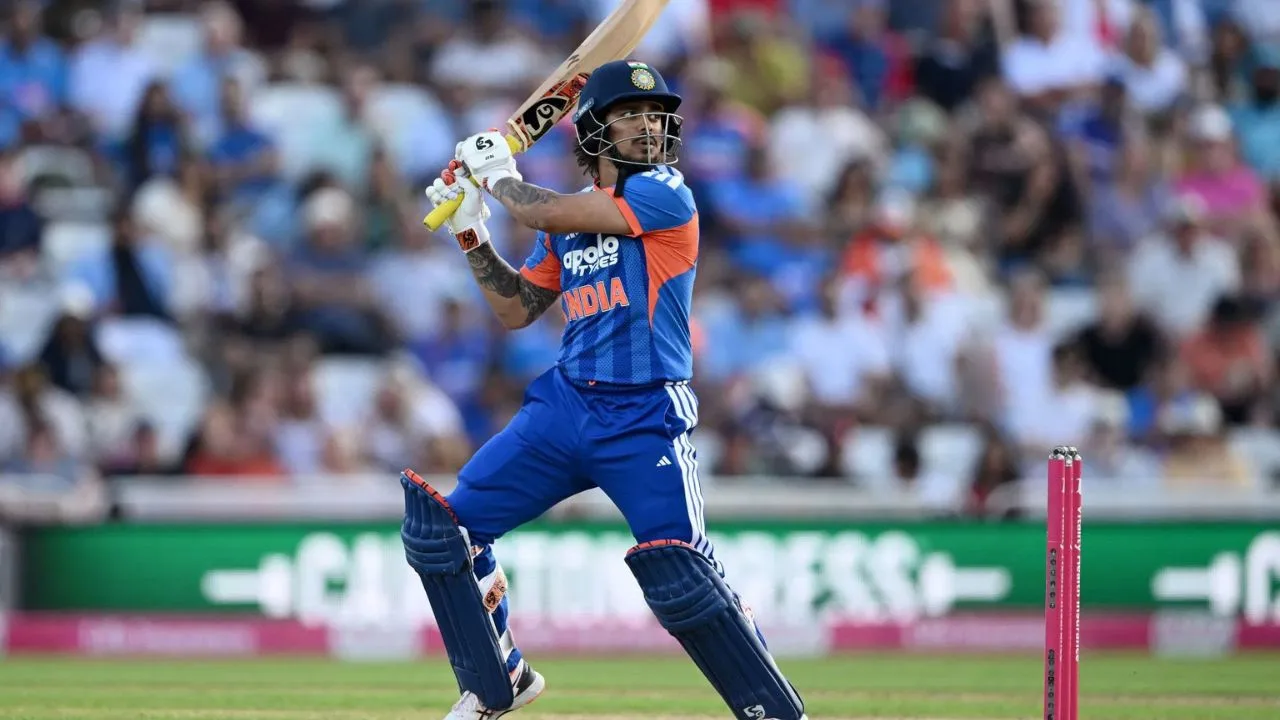
Glenn Phillips shares key to his success after winning Player of the Series against India

Glenn Phillips Sets Bilateral T20I Record as New Zealand Beat India in Series Finale
New Zealand ended the five-match T20I series against India on a high, chasing down a target of 192 in the final match to secure a consolation victory. India had already wrapped up the series by winning the first three games, making the last two fixtures dead rubbers in terms of the overall result. But the finale still delivered a major individual milestone: Glenn Phillips was named Player of the Series after producing a record-breaking run tally.
Phillips finished the series with 331 runs, the most scored by a batter in a bilateral T20I series. His unbeaten 65 in the final chase helped New Zealand reach their target and capped a campaign defined by consistency, power and composure. The result also gave the visitors momentum ahead of the upcoming five-match ODI series between the sides.
India Post 191 After Kishan and Iyer Counterattack
New Zealand captain Mitchell Santner won the toss and chose to field. The visitors made one change, bringing Blair Tickner into the side for Matt Fisher. India made two adjustments, with Bhuvneshwar Kumar replacing Mayank Yadav and Varun Chakravarthy making his first appearance of the series.
Adam Milne gave New Zealand an early advantage by dismissing Abhishek Sharma and Sanju Samson inside the first three overs. India were under pressure, but Ishan Kishan and captain Shreyas Iyer responded with an aggressive partnership that quickly shifted the momentum.
The pair added 93 runs from just 43 deliveries. Kishan struck 61 off 32 balls, while Iyer contributed 50 from 23, using clean striking and sharp placement to put the New Zealand bowlers on the defensive. Their rapid stand gave India a strong platform, but both batters fell within a short span, slowing the innings at a crucial point.
India’s middle order could not maintain the same scoring pace. Naman Dhir’s useful 33 helped the hosts finish on 191, a competitive total but one that left New Zealand with a manageable chase on a surface that rewarded attacking batting. Milne was the standout bowler, taking four wickets for 19 runs in his four overs.
Seifert and Phillips Lead New Zealand’s Successful Chase
New Zealand lost Finn Allen early, but Tim Seifert and Phillips steadied the innings and then began to accelerate. Seifert had a significant reprieve when Naman Dhir dropped a catch off Arshdeep Singh, and the wicketkeeper-batter made India pay for the missed opportunity.
Seifert went on to score 93, narrowly missing a century, and combined with Phillips in a decisive 86-run partnership. The pair attacked the Indian bowling without losing control of the chase, keeping the required rate within reach as the innings progressed.
Phillips remained unbeaten on 65 from 38 balls, guiding New Zealand across the finish line. His contribution was not limited to the final match: his 331 runs across the series established a new record for the most runs by a batter in a bilateral T20I series. The achievement earned him the Player of the Series award despite New Zealand losing the contest overall.
Phillips Explains His Approach Against India’s Spin
After receiving the award, Phillips credited a clear mindset and a ball-by-ball approach for his strong performances. Rather than focusing too far ahead, he said he tried to judge each delivery on its merits and remain composed under pressure. That approach allowed him to play his natural game while choosing the right moments to attack.
Phillips also discussed New Zealand’s plan against India’s spin options, including Varun Chakravarthy. He said the visitors recognised that spin would need to be challenged during the middle overs, particularly after seeing India use a similar strategy effectively earlier in the series.
Reflecting on Chakravarthy’s return to the attack, Phillips described the over as a potentially decisive moment. In T20 cricket, a single over can change the shape of a chase: batters must weigh the value of taking risks against the danger of losing wickets. New Zealand’s willingness to apply pressure helped maintain their scoring rate and prevented India’s spinners from controlling the middle phase.
Hamstring Update and ODI Series Prediction
With the T20I series complete, attention now turns to the five-match ODI contest. Phillips said the final two victories should give New Zealand confidence, even though the longer format demands a different approach. In ODIs, teams have more time to recover from setbacks, manage partnerships and adapt as conditions change. That makes patience and decision-making over extended periods especially important.
Phillips also offered a reassuring update on his hamstring, saying it had held up well during the T20I finale. His fitness will be closely watched as New Zealand prepare for the ODI series, particularly given his importance as a middle-order batter and an influential all-round contributor.
For India, the final match offers both a reminder of their series success and areas to review. The top-order collapse, the missed chance to dismiss Seifert and the inability to contain New Zealand’s main partnership all shaped the result. The ODI series will provide a fresh test, with different demands on batting depth, bowling plans and match management.
The final T20I may not have changed the series winner, but it gave New Zealand a valuable finish and Phillips a place in the record books. His run-scoring record, Seifert’s near-century and Milne’s four-wicket haul made for a memorable finale—and set up an intriguing prediction debate ahead of the ODI series: can New Zealand carry their late momentum forward, or will India reassert control in the longer format?
Latest News

Mark Chapman, Rachin Ravindra ruled out of India ODIs; New Zealand name replacements
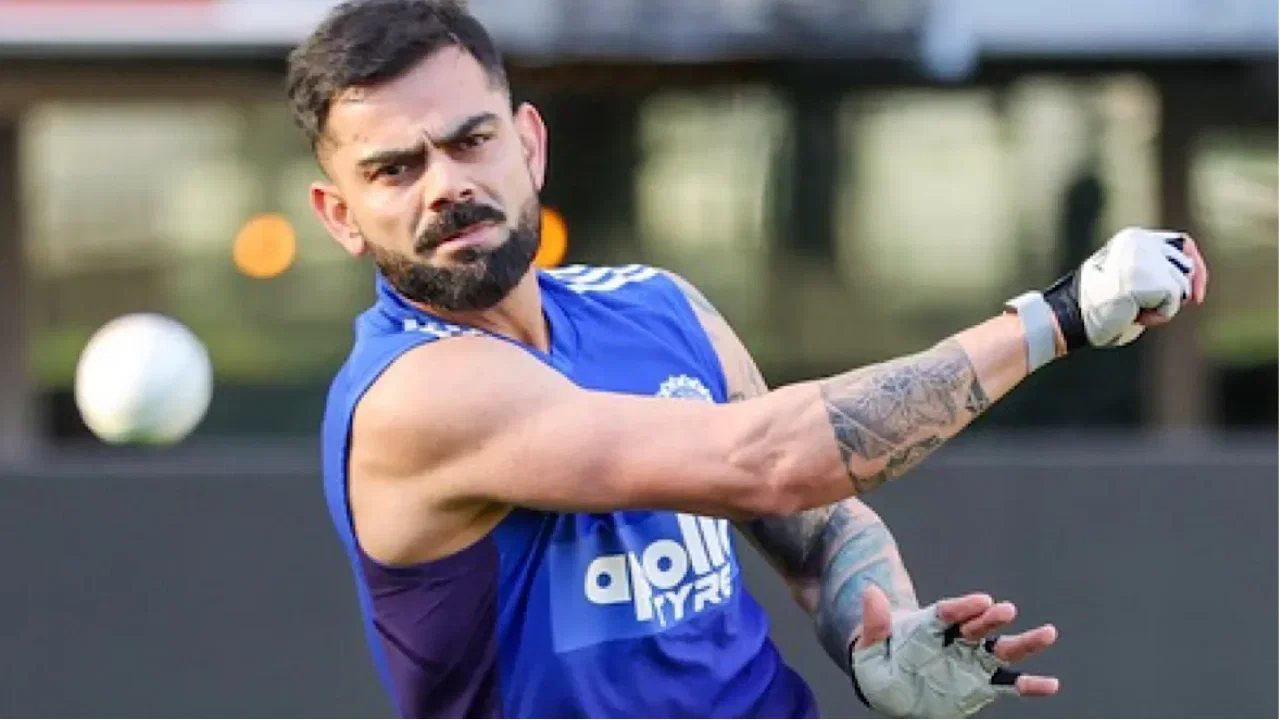
Virat Kohli is on the verge of breaking multiple records against New Zealand
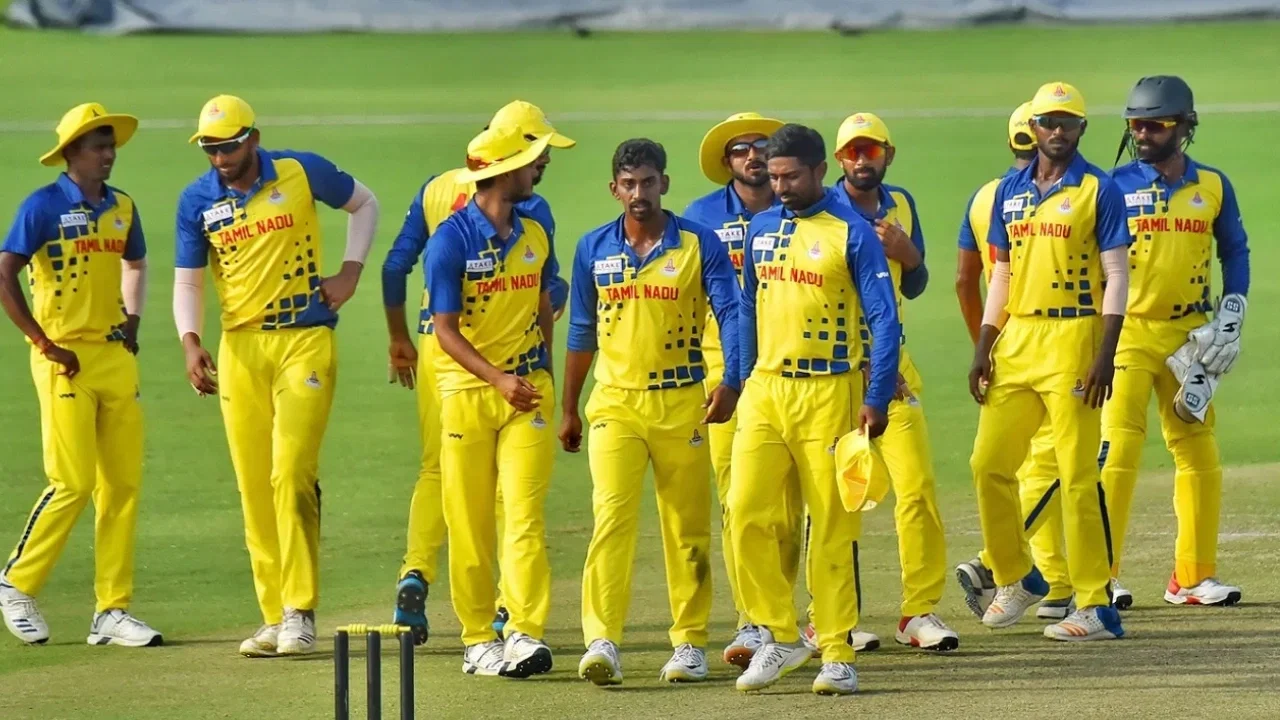
Tamil Nadu reveal full squad for SMAT 2026-27, Sai Kishore named captain

Pakistan set for central contract changes as Mikes Hesson urges investment in young players: Report

Jacob Duffy calls Virat Kohli a “religious figure” in India, praises his humility

Aakash Chopra names 5 players RCB must retain and 1 star they should release ahead of IPL 2027 Auction
Glenn Phillips sets world record for most runs in a bilateral T20I series

“Could’ve been the other way”: Mitchell Santner reflects on New Zealand’s 3-2 series loss to India
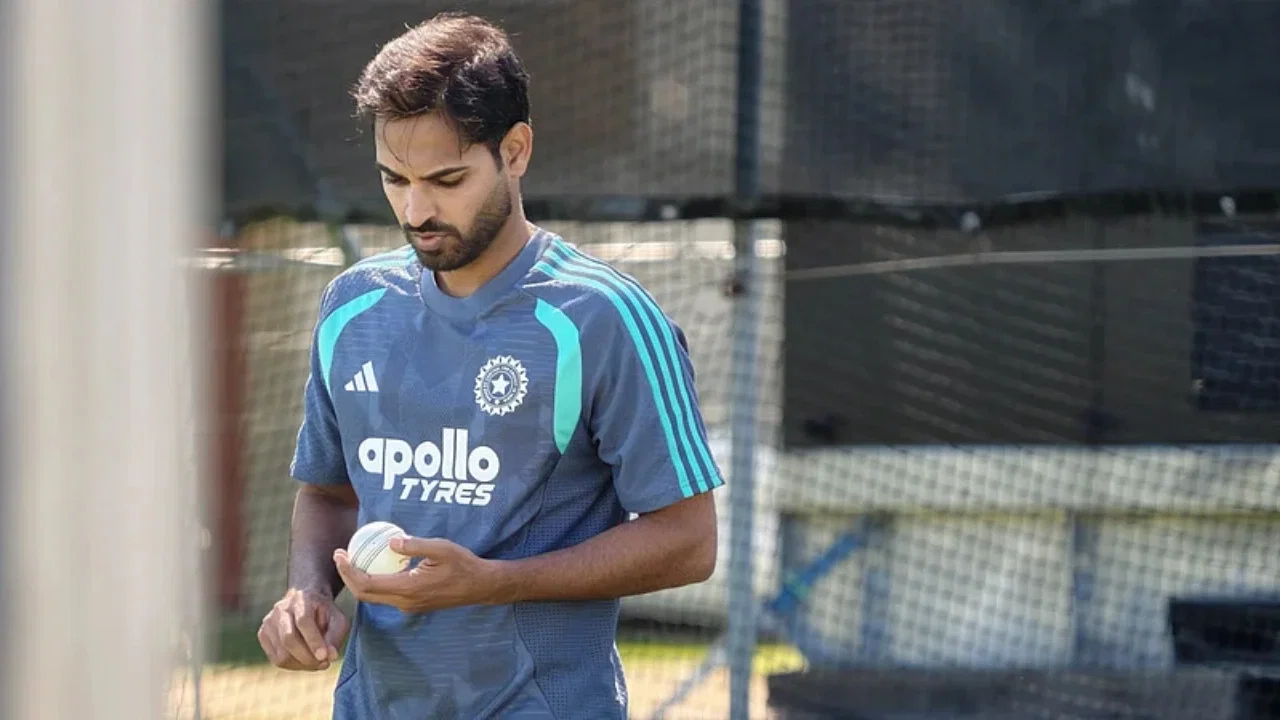
Bhuvneshwar Kumar to be dropped from India T20I squad after New Zealand series?
Glenn Phillips shares key to his success after winning Player of the Series against India
“Ready to take the bullet”: Gautam Gambhir takes responsibility after India’s consecutive defeats vs New Zealand
“I don’t have an update yet”: Gautam Gambhir shares latest update on Rishabh Pant’s availability

Shreyas Iyer brings New Zealand’s famous Mana Wave celebration after quickfire fifty vs New Zealand

Mohammad Yousaf asks PCB to send Babar Azam back ‘to an academy in England or Australia’