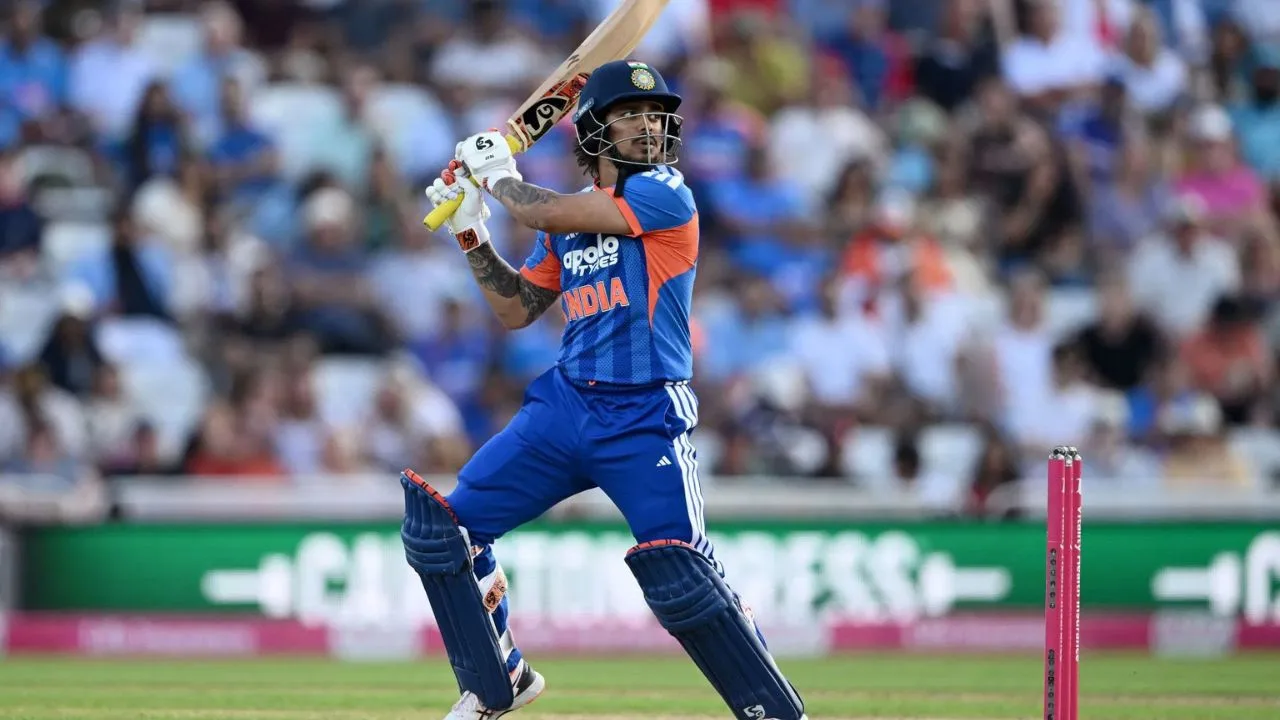
Shreyas Iyer brings New Zealand’s famous Mana Wave celebration after quickfire fifty vs New Zealand
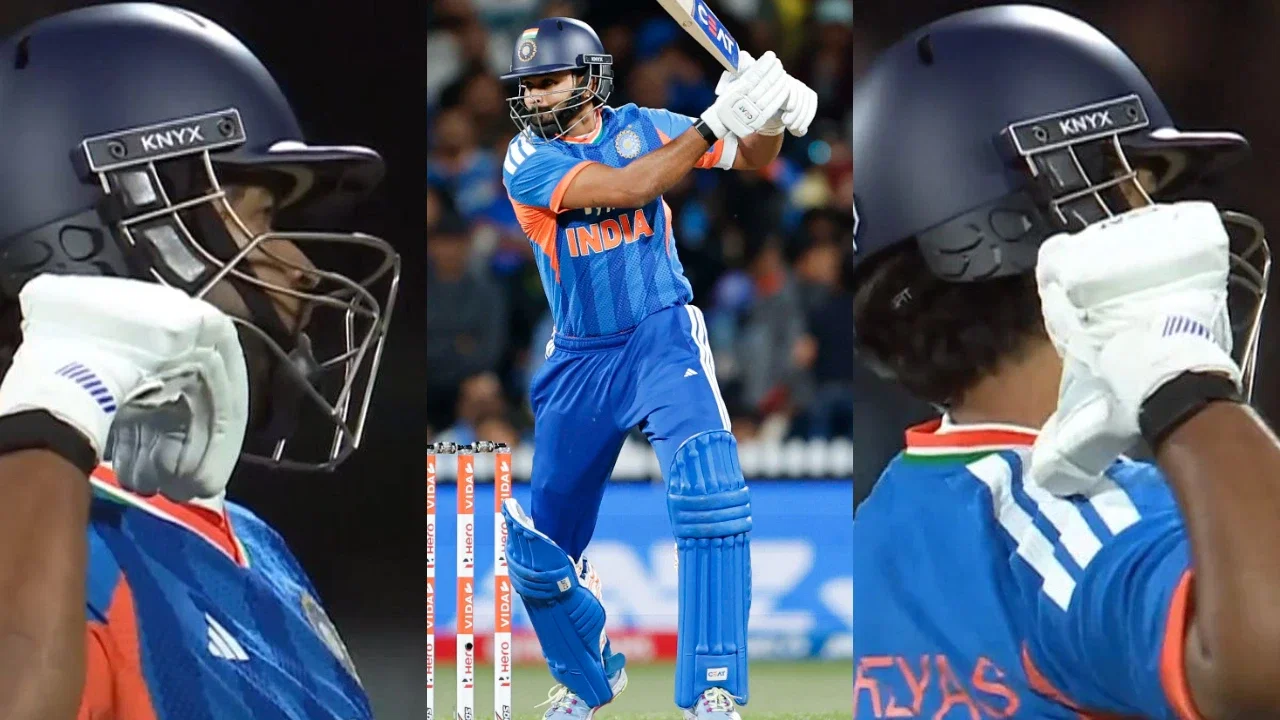
Shreyas Iyer’s 22-Ball Fifty Lights Up Fifth India vs New Zealand T20I
India captain Shreyas Iyer produced a brisk, pressure-resistant innings in the fifth and final T20I against New Zealand at Seddon Park in Hamilton on Sunday, November 1. He reached a half-century from just 22 deliveries, giving India an important burst of momentum and briefly putting the home side’s bowlers under pressure.
Yet it was not only Iyer’s batting that became a talking point. After completing his fifty, the right-hander made an unusual, sweeping gesture with his arm. The celebration stood out from the familiar bat-raise or fist-pump seen on cricket grounds—and it carried a distinctly New Zealand connection.
A boundary brings up Iyer’s quickfire half-century
Iyer reached the milestone in the 12th over of India’s innings, facing New Zealand fast bowler Nathan Smith. Smith delivered a high full toss directed towards the batter’s body, but Iyer adjusted well, flicking the ball into the deep backward-square-leg region for four.
The boundary took him to 50 from 22 balls, a rapid contribution in a format where a short spell of aggressive batting can change the shape of an innings. Iyer’s timing and composure were particularly notable: rather than allowing the pressure of the occasion to dictate his approach, he continued to find scoring options and punish a delivery that offered him an opportunity.
After reaching the mark, Iyer brought one hand towards his shoulder and swept his arm outwards in a wave-like motion. The commentators quickly noticed the gesture, which was unlike a conventional cricket celebration. Viewers watching the broadcast were left wondering whether it was a personal trademark, a reference to a teammate, or a nod to the host country.
What is the Mana Wave?
The movement was recognised as the Mana Wave, a greeting that has become familiar in New Zealand. The gesture is associated with Raana Te Hau, a road worker who became known for entertaining motorists during traffic delays. He would greet passing drivers with an upbeat, distinctive wave, turning an ordinary wait on the road into a moment of light-hearted connection.
Videos of Te Hau’s cheerful interactions spread widely online, helping the gesture gain recognition beyond the local community. Over time, the Mana Wave became a popular symbol of friendliness and positive spirit in New Zealand. Iyer’s celebration brought that familiar gesture into an international cricket match, giving viewers another reason to talk about his half-century.
The word mana has deeper significance in Māori culture. It can refer to prestige, dignity, authority, spiritual power and respect. Its meaning depends on context, and it is closely connected with identity and standing within a community. The wave’s popularity therefore sits alongside a broader cultural association, although the gesture itself is often used in a casual, welcoming way.
From New Zealand roads to the Olympic spotlight
The Mana Wave reached a global sports audience during the Paris 2024 Olympics, when New Zealand athletes incorporated it into their celebrations. Kayaker Finn Butcher used the gesture before his race and repeated it after winning gold, while members of the country’s women’s rugby team, the Black Ferns, also helped bring it into view.
Those moments made the wave recognisable to sports fans around the world. Iyer’s version in Hamilton offered a fresh reminder of how sporting celebrations can travel between disciplines and countries. A simple movement can become a shared reference—one that connects athletes, supporters and the local culture surrounding an event.
For international players, small gestures can also be a way to acknowledge the place in which they are competing. Whether Iyer intended his celebration as a direct tribute or simply enjoyed the moment, the connection was quickly picked up by commentators and fans. The result was a memorable image from the fifth T20I, even as the match itself continued to unfold.
Iyer’s milestone adds to his T20I record
Iyer’s rapid fifty also drew attention because of its place in India’s T20I history. The innings was highlighted as matching a special record associated with Rohit Sharma, adding another statistical angle to an already eye-catching performance. Such milestones underline the value of quick scoring in T20 cricket, where a batter’s ability to reach a half-century at speed can put pressure on the opposition’s plans.
However, individual records do not always determine the result. Iyer’s innings gave India a lift, but New Zealand ultimately chased down the target and won the final match by seven wickets. The defeat ended India’s run in the series on a losing note, although the visitors had already secured the series after winning the first three games.
Match result and series perspective
New Zealand’s victory provided a strong finish for the home side, while India could take encouragement from Iyer’s attacking display and the broader series result. With the series already decided, the final T20I offered both teams an opportunity to test combinations and build confidence ahead of future fixtures.
For India, Iyer’s innings was a reminder of how effectively he can accelerate when conditions demand urgency. For New Zealand, the seven-wicket win showed the value of a composed chase. And for viewers, the match produced a memorable crossover between cricket and local sporting culture.
The final scoreline may have favoured New Zealand, but Iyer’s 22-ball fifty and his Mana Wave celebration gave the game a lasting talking point. The celebration was brief; its story travelled much further—from a road worker’s friendly greeting to Olympic celebrations and, finally, the middle of an India–New Zealand cricket match. As fans look ahead, any prediction about Iyer’s next T20I performance will naturally consider both his ability to score quickly and the confidence he showed under pressure in Hamilton.
Latest News
Mark Chapman, Rachin Ravindra ruled out of India ODIs; New Zealand name replacements
Virat Kohli is on the verge of breaking multiple records against New Zealand
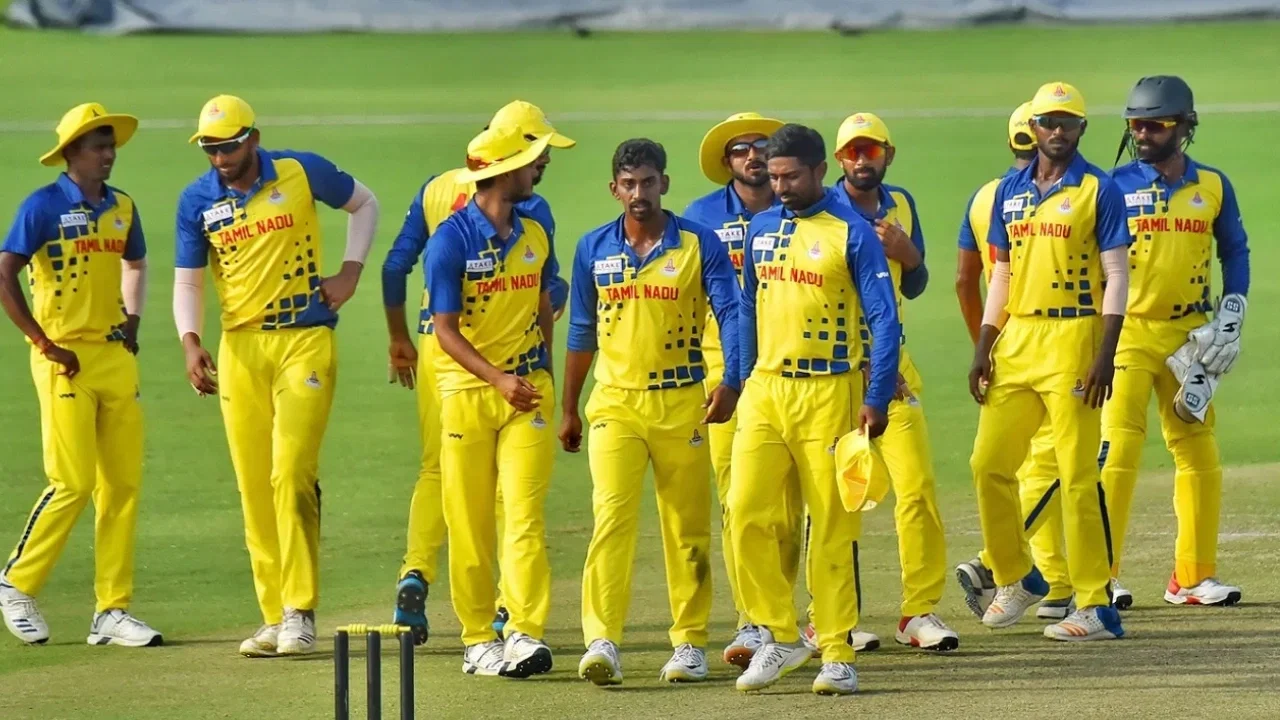
Tamil Nadu reveal full squad for SMAT 2026-27, Sai Kishore named captain

Pakistan set for central contract changes as Mikes Hesson urges investment in young players: Report
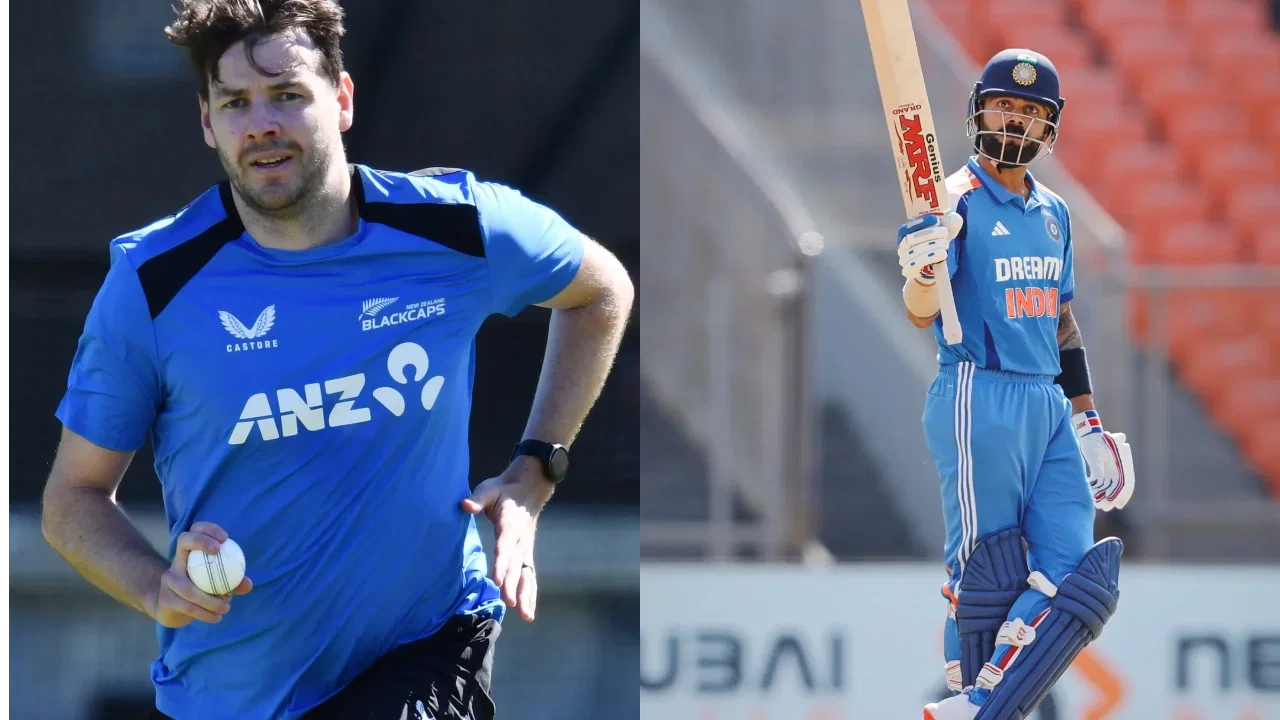
Jacob Duffy calls Virat Kohli a “religious figure” in India, praises his humility
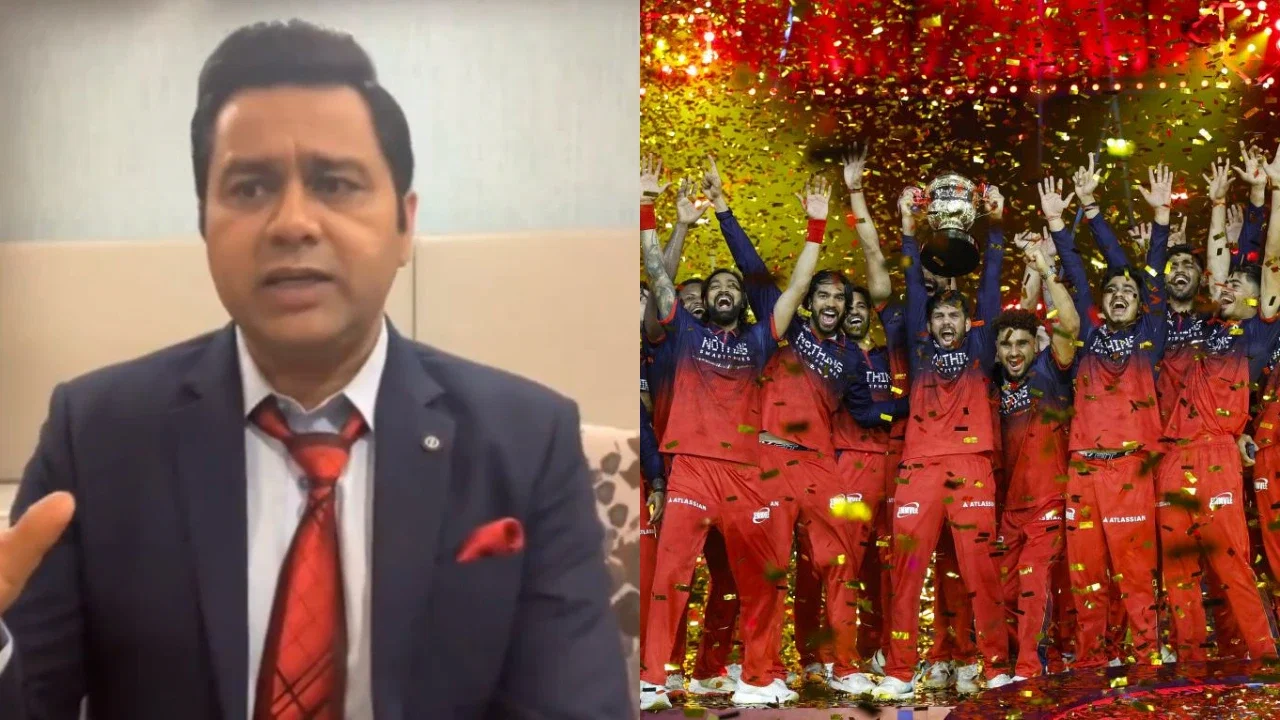
Aakash Chopra names 5 players RCB must retain and 1 star they should release ahead of IPL 2027 Auction
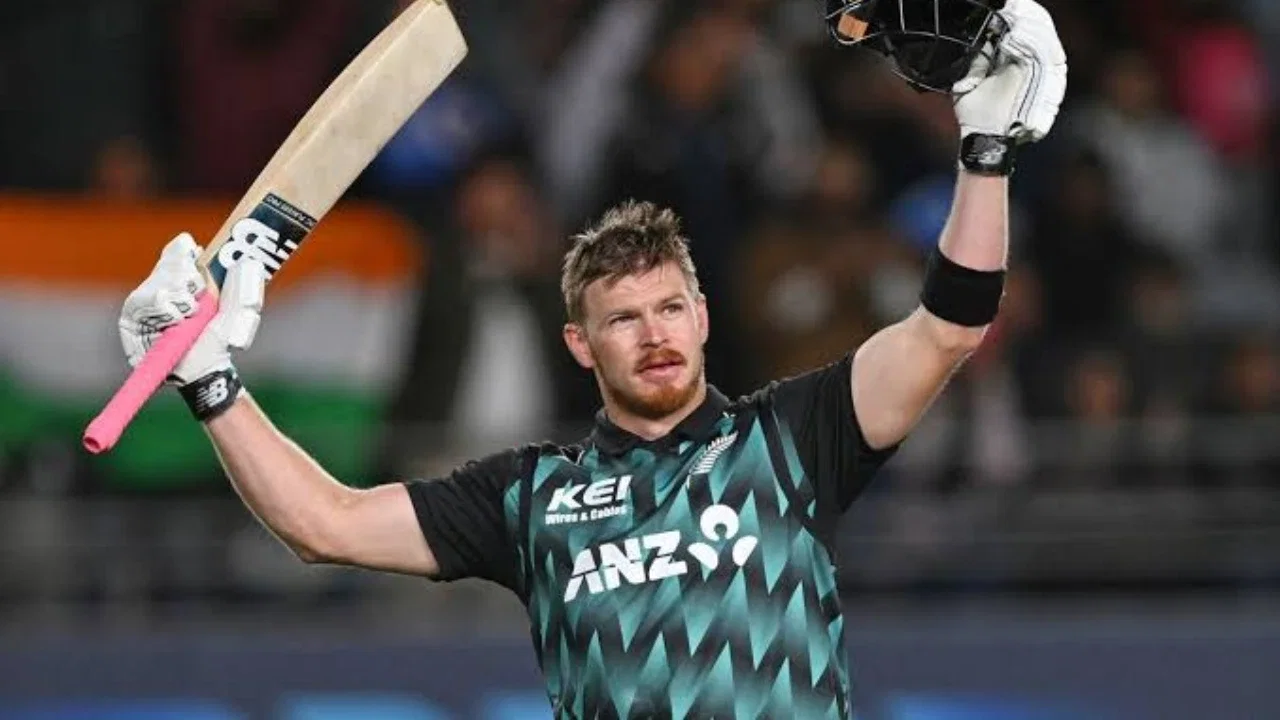
Glenn Phillips sets world record for most runs in a bilateral T20I series
“Could’ve been the other way”: Mitchell Santner reflects on New Zealand’s 3-2 series loss to India
Bhuvneshwar Kumar to be dropped from India T20I squad after New Zealand series?
Glenn Phillips shares key to his success after winning Player of the Series against India
“Ready to take the bullet”: Gautam Gambhir takes responsibility after India’s consecutive defeats vs New Zealand
“I don’t have an update yet”: Gautam Gambhir shares latest update on Rishabh Pant’s availability
Shreyas Iyer brings New Zealand’s famous Mana Wave celebration after quickfire fifty vs New Zealand
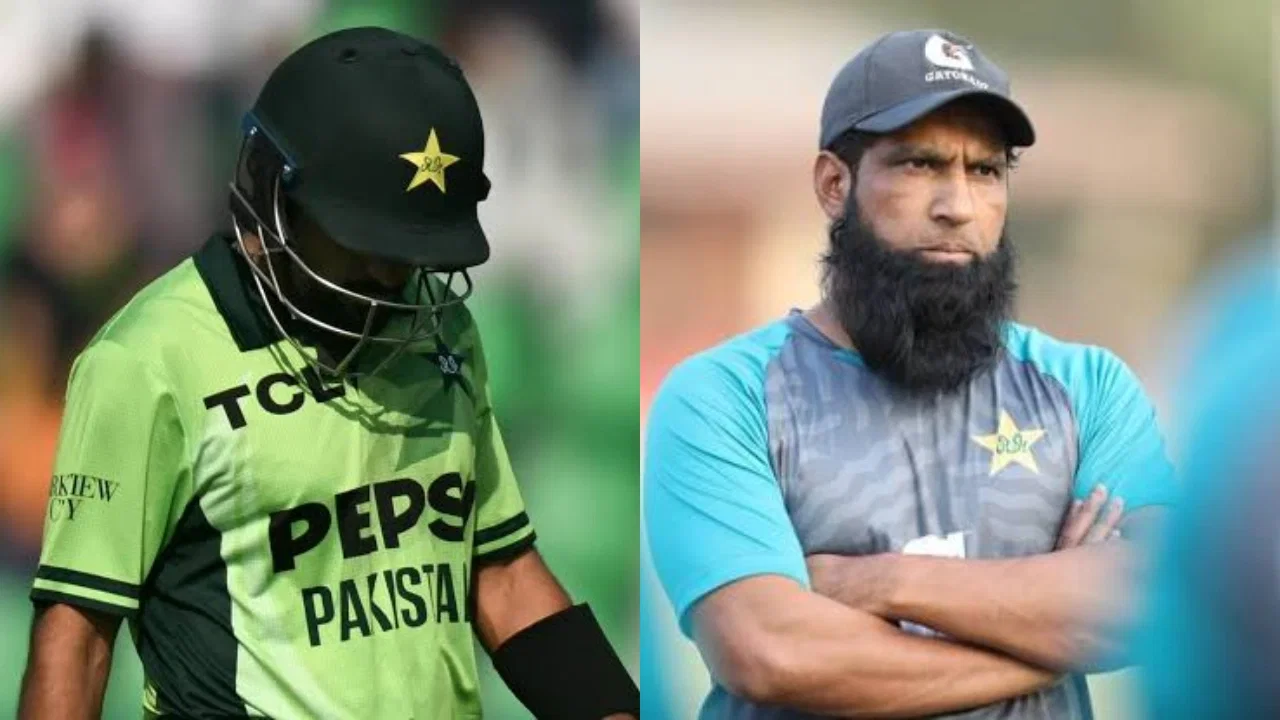
Mohammad Yousaf asks PCB to send Babar Azam back ‘to an academy in England or Australia’