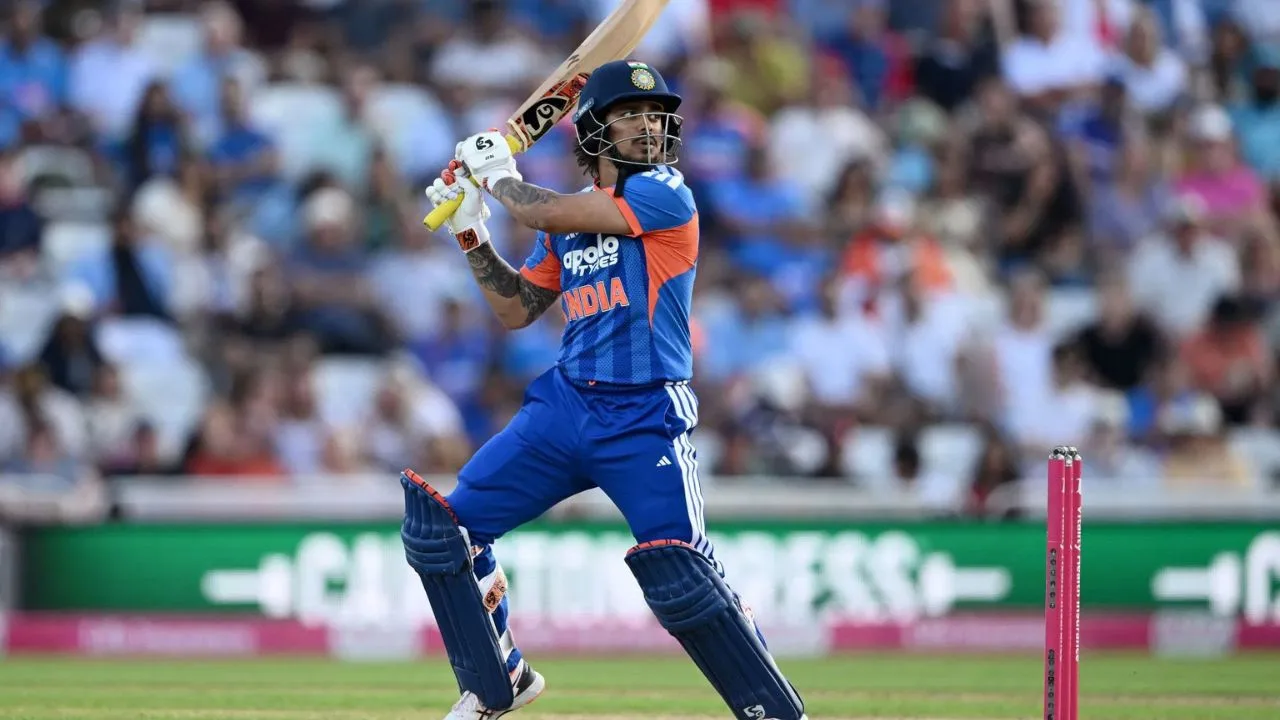
Mark Chapman, Rachin Ravindra ruled out of India ODIs; New Zealand name replacements
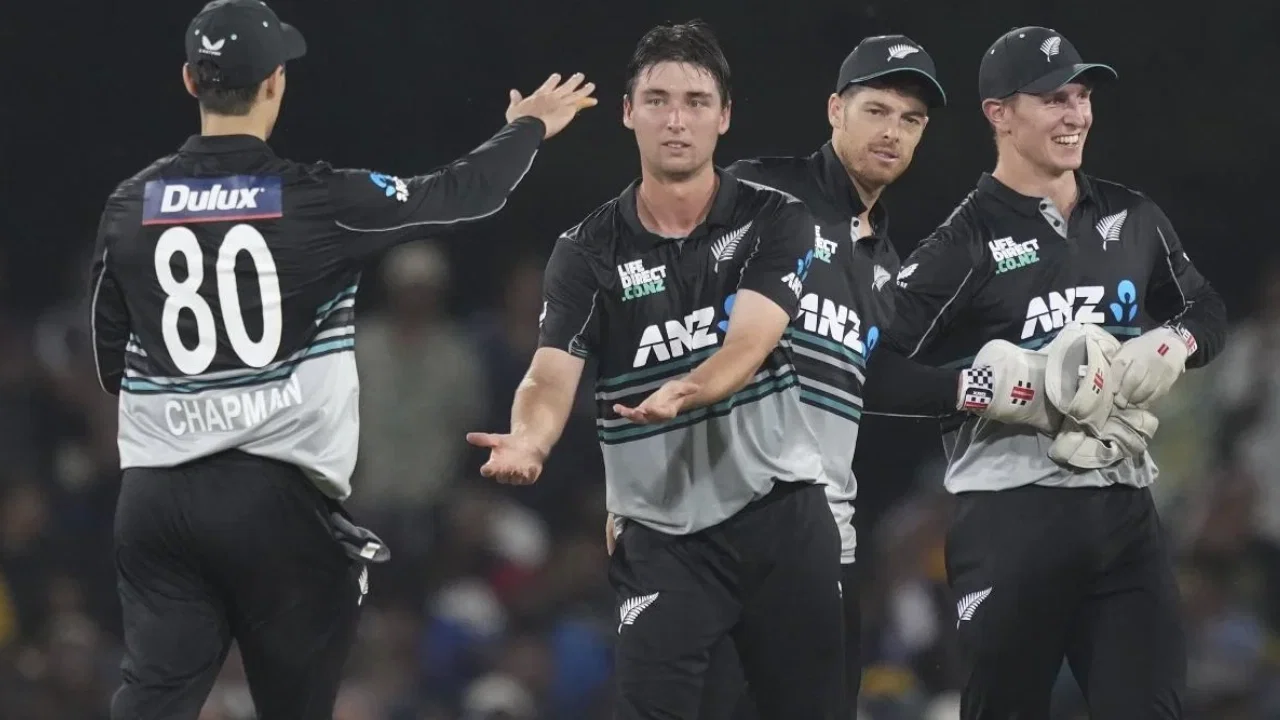
New Zealand Hit by Major Injury Setback Ahead of India ODI Series
New Zealand will begin their five-match ODI series against India without two of their key players, with Mark Chapman and Rachin Ravindra ruled out of the entire contest. Their absences weaken the Black Caps’ batting options and leave the team reshaping its plans ahead of the opening match at Eden Park in Auckland on Wednesday, November 4.
Chapman is recovering from a left hamstring injury and requires about two more weeks of rehabilitation. Ravindra, meanwhile, has not regained enough shoulder strength to field comfortably after dislocating his right shoulder in September. With a Test series scheduled later this month, New Zealand’s management is taking a cautious approach rather than risking a setback to the all-rounder’s recovery.
The injuries arrive after a mixed T20I series against India. Mitchell Santner’s side lost the first three matches but rallied to win the final two, giving the hosts some momentum to carry into the ODI campaign. Whether that late turnaround can translate into a stronger performance in the longer white-ball format will be a key question for the series.
Why Chapman and Ravindra Will Miss the Series
Chapman sustained his hamstring injury while playing in the European T20 Premier League in September. A recent MRI scan indicated that he needs additional time to complete his recovery. Although the batter is working toward a return, the ODI series begins too soon for him to be considered ready.
Ravindra’s injury occurred during a promotional shoot, when he dislocated his right shoulder. New Zealand Cricket has confirmed that he has not yet recovered sufficiently to meet the demands of fielding in international white-ball cricket. The decision to leave him out reflects both the physical requirements of the ODI format and the importance of protecting his longer-term availability.
For New Zealand, the loss of the pair is significant. Chapman offers flexibility in the batting order, while Ravindra provides a valuable combination of top-order batting and spin bowling. Their absence means the selectors must find alternatives who can contribute across different stages of an innings and help maintain balance in the XI.
Rob Walter: “Everyone Knows What an Asset Mark and Rachin Are”
Head coach Rob Walter acknowledged the impact of the injuries, while making clear that the team would not rush either player back before he is ready.
“Everyone knows what an asset Mark and Rachin are to this side, so it’s a shame they have to miss this series,” Walter said.
Walter said Chapman was disappointed but continuing to work hard on his recovery. On Ravindra, he noted that the shoulder was not yet at a level that would allow the player to field comfortably. With Tests coming up, New Zealand does not want to take unnecessary risks that could prolong the injury or affect Ravindra’s return to full fitness.
The careful approach may frustrate fans hoping to see New Zealand at full strength, but it reflects the demands of a busy international schedule. A shoulder injury can affect throwing, catching and diving, while a hamstring problem can limit a batter’s running between the wickets. In both cases, returning too early could compromise performance as well as recovery.
Tim Seifert and Henry Nicholls Added to the ODI Plans
New Zealand have adjusted their squad to cover the missing batting options. Tim Seifert, originally selected for only the final two ODIs, will now be available for the entire series. His 93-run performance in the final T20I against India strengthened his case and gives the selectors another option at the top of the order.
Henry Nicholls has been included for the first three matches. The experienced batter recently scored 119 while opening for Canterbury in the Ford Trophy, a timely performance that underlines his readiness for an international opportunity. Nicholls has played 92 ODIs, including New Zealand’s tour of the West Indies in July, and brings experience that could prove useful in a series featuring a reshaped lineup.
Dean Foxcroft is set to join the squad for the final two ODIs after completing his red-ball commitments with New Zealand A against India A. Matthew Fisher, who had initially been named only for the last two matches, has also been added for the full series to provide another pace-bowling option.
Matt Henry’s Fitness Remains a Key Selection Question
Fast bowler Matt Henry joined the squad on Monday after missing the final three T20Is with a low-grade tear in his right quadriceps. He has been named for the first three ODIs, but his participation will depend on how he responds to training and whether the team considers him ready for match conditions.
Henry’s availability could be important as New Zealand assess their bowling combination. The squad includes several pace options, but the management will want to balance workload with the need to challenge India’s experienced batting lineup. Any decision on Henry is likely to be guided by fitness assessments rather than the temptation to rush a frontline bowler back.
India vs New Zealand ODI Series: Prediction and Key Factors
Any prediction for the series must account for New Zealand’s late T20I recovery, India’s strength in the format and the hosts’ injury concerns. The Black Caps will have home conditions in their favour, beginning at Eden Park, but losing Chapman and Ravindra removes two players capable of influencing matches with bat and ball. India, meanwhile, will look to take advantage of any uncertainty in New Zealand’s new batting combinations.
Seifert’s form and Nicholls’ experience could help soften the blow, while Santner’s leadership and the contributions of players such as Devon Conway, Daryl Mitchell and Glenn Phillips will be central to New Zealand’s hopes. The fitness of Henry is another variable that could shape the early matches.
Rather than treating the T20I results as a definitive guide, both teams will need to adapt to the ODI format, where partnerships, innings management and bowling plans over 50 overs carry greater weight. New Zealand’s ability to settle its revised lineup quickly may be decisive, particularly in the opening games. For fans, the series offers an early test of the Black Caps’ depth—and a chance to see whether their late T20I momentum can survive a challenging change in format.
Updated New Zealand ODI Squad
Mitchell Santner (captain), Michael Bracewell, Devon Conway, Jacob Duffy, Matthew Fisher, Matt Henry, Kyle Jamieson, Tom Latham (wicketkeeper), Daryl Mitchell, Henry Nicholls, Glenn Phillips, Tim Seifert (wicketkeeper), Nathan Smith, Will Young and Blair Tickner.
For the final two ODIs, Dean Foxcroft, Finn Allen, Kristian Clarke, Lockie Ferguson, Mitchell Hay and Nick Kelly are also listed among the squad options, alongside several players selected for the opening matches.
Latest News
Mark Chapman, Rachin Ravindra ruled out of India ODIs; New Zealand name replacements
Virat Kohli is on the verge of breaking multiple records against New Zealand
Tamil Nadu reveal full squad for SMAT 2026-27, Sai Kishore named captain
Pakistan set for central contract changes as Mikes Hesson urges investment in young players: Report
Jacob Duffy calls Virat Kohli a “religious figure” in India, praises his humility

Aakash Chopra names 5 players RCB must retain and 1 star they should release ahead of IPL 2027 Auction
Glenn Phillips sets world record for most runs in a bilateral T20I series
“Could’ve been the other way”: Mitchell Santner reflects on New Zealand’s 3-2 series loss to India
Bhuvneshwar Kumar to be dropped from India T20I squad after New Zealand series?
Glenn Phillips shares key to his success after winning Player of the Series against India
“Ready to take the bullet”: Gautam Gambhir takes responsibility after India’s consecutive defeats vs New Zealand
“I don’t have an update yet”: Gautam Gambhir shares latest update on Rishabh Pant’s availability
Shreyas Iyer brings New Zealand’s famous Mana Wave celebration after quickfire fifty vs New Zealand
Mohammad Yousaf asks PCB to send Babar Azam back ‘to an academy in England or Australia’